Tag

Cultivated Meat

All articles tagged with #cultivated meat

science-and-technology1 year ago

"Revolutionary Breakthrough Slashes Cultivated Meat Production Costs by 90%"

A breakthrough in cellular agriculture at Tufts University has led to bovine muscle cells that produce their own growth factors, potentially reducing cultivated meat production costs by up to 90%. This advancement could make sustainable meat alternatives more affordable and available in supermarkets. The research aims to optimize the process for commercial use and regulatory approval, with potential applications for other types of meat. The strategy involves engineering cells to produce their own growth factors, eliminating the need for expensive components in the production process and paving the way for affordable cultivated meat in the near future.

science-and-technology1 year ago

"Non-Allergenic Wheat Protein Boosts Cultivated Meat Growth"

Researchers have developed a non-allergenic wheat protein, glutenin, as a base for growing cultivated meat. By creating ridged films from glutenin, they successfully grew striated muscle layers and flat fat layers, mimicking the texture and composition of traditional meat products. This approach could lead to the production of more realistic cultivated meat alternatives using edible, inexpensive plant proteins as scaffolds for cell cultures.

business2 years ago

"UPSIDE Foods chooses Glenview, Illinois for lab-grown meat production facility"

Upside Foods, a California-based cultivated meat company, has announced that it will be the first tenant at the former Allstate campus in Glenview, Illinois, which is being redeveloped as a logistics center. The company will lease 187,000 square feet of space and plans to begin operations in 2025. Upside Foods, which received approval from the U.S. Department of Agriculture to sell lab-grown meat, will invest $140 million in the facility and create at least 75 new jobs. The Glenview plant will be one of the largest cultivated meat production facilities in the world and will initially produce ground cultivated chicken products.

food-and-agriculture2 years ago

"Lab-Grown Meat: Meeting Kosher and Halal Standards, Experts Confirm"

Lab-grown meat can be labeled kosher and halal as long as the cells used are derived in methods compliant with religious standards, according to panels of experts commissioned by the industry. This is seen as a significant development for cell-cultivated meat companies, as it opens up the possibility of observant followers of Judaism and Islam consuming their products. The opinions provide a roadmap for the industry to make halal products and have been welcomed by companies in the fledgling industry, who hope to scale production and appeal to vegans, vegetarians, and climate-conscious meat eaters. The Orthodox Union and a sharia panel have already provided guidelines for kosher and halal lab-grown meat, respectively, and are working on broader industry standards.

food-technology2 years ago

The Future of Lab-Grown Chicken: From Restaurants to Stores

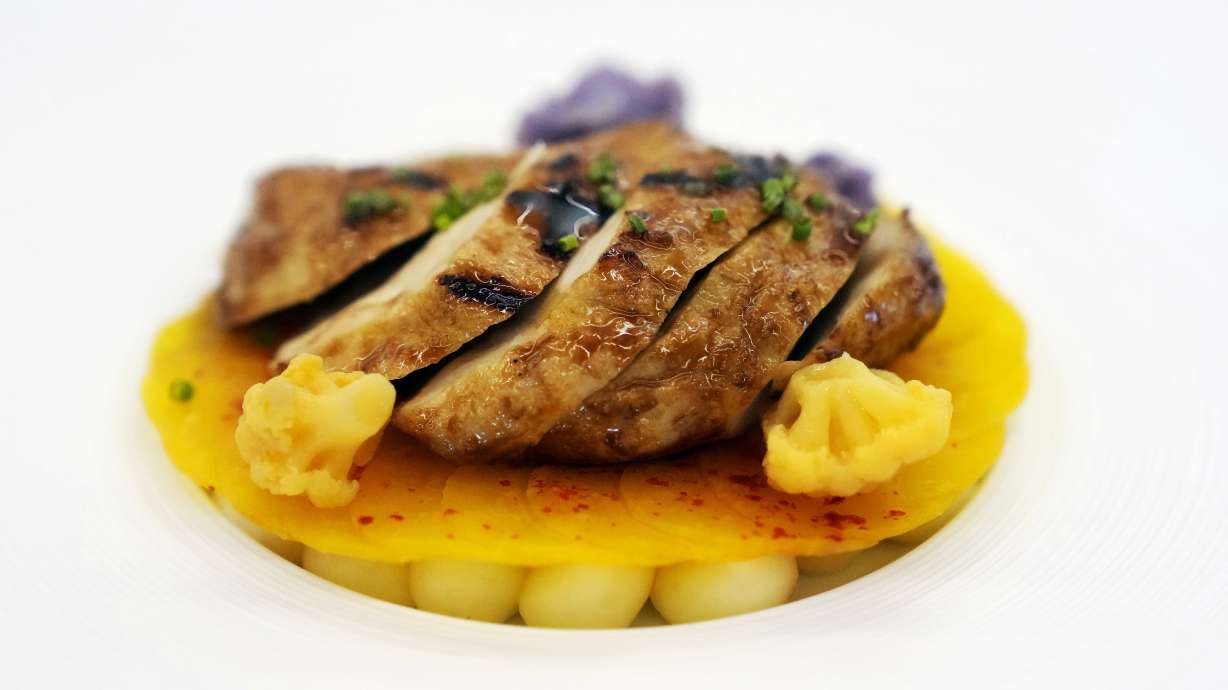
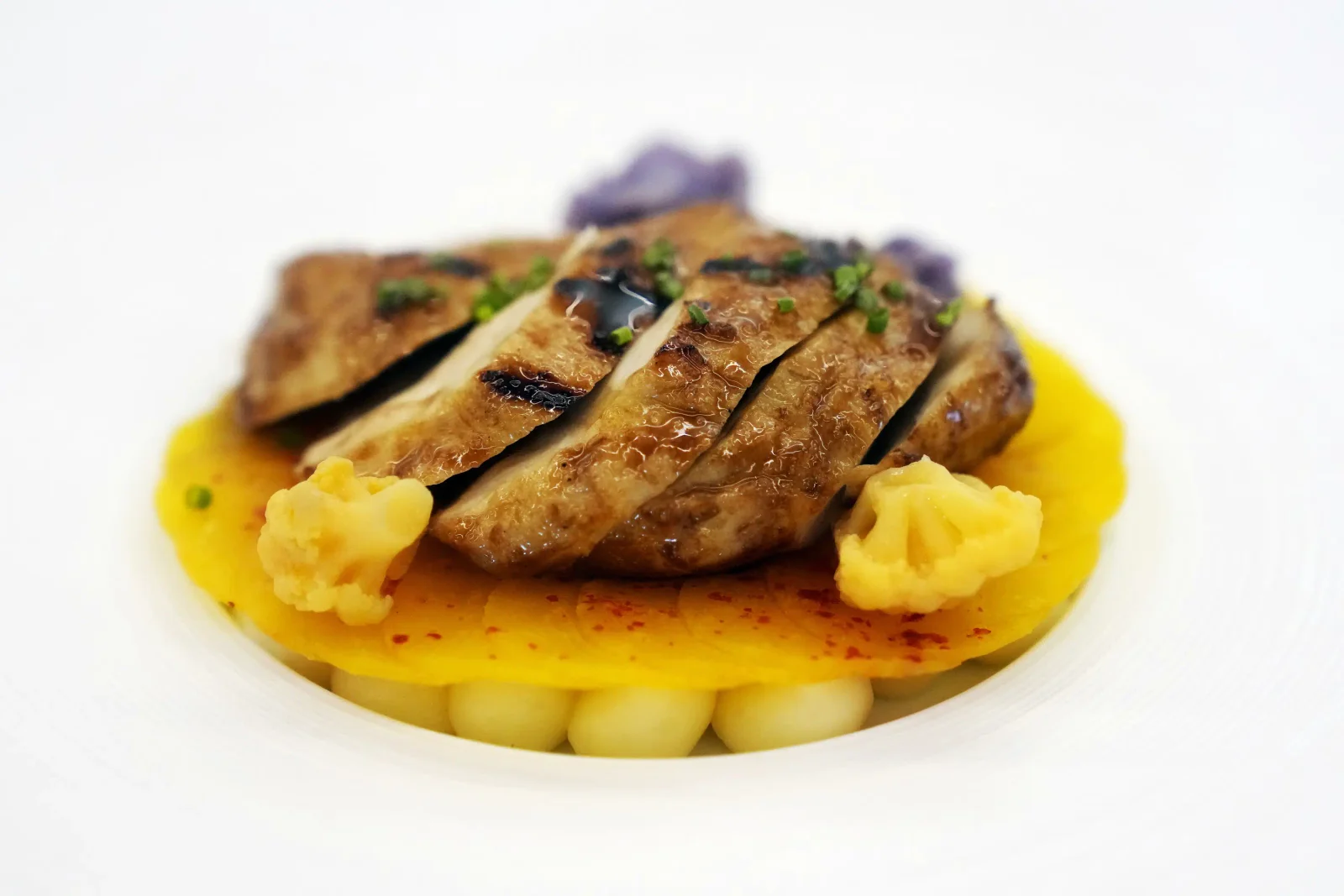
Lab-grown chicken, cultivated from chicken cells, is making its way to restaurant tables at chef José Andrés' Washington, D.C., restaurant. Good Meat, a California-based company, supplies the lab-grown poultry, which is considered more sustainable than traditional livestock farming. While some researchers caution that the environmental impacts of cultivating meat need monitoring, many people are open to trying it. The cultivated chicken will eventually be available in stores once production is scaled up, with the company's next target being lab-grown beef.

food-technology2 years ago

USDA approves lab-grown chicken for sale in the US, raising questions about food safety and climate impact.

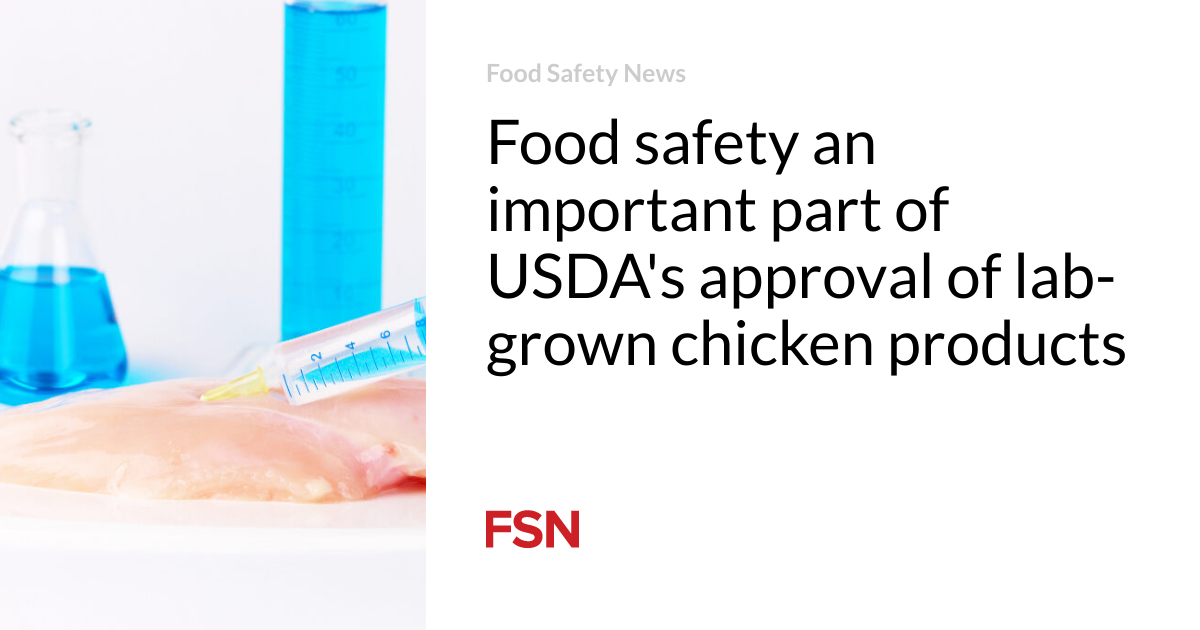
The USDA has approved the sale of lab-grown chicken, allowing companies like UPSIDE Foods and Eat Just to begin producing and selling the product. While it may take years before lab-grown chicken is available in regional grocery chains due to price competition with conventionally raised livestock, the companies are working to increase production. The approval involves a rigorous process, including assessing a firm's food-safety system. Lab-grown meat is grown in steel tanks using cells from a living animal, making it real meat, not "fake meat." Advocates describe it as clean, safe, and humane compared to conventional ways of raising livestock.

food2 years ago

USDA approves sale of 'lab-grown' chicken from two Bay Area companies.

The US Agriculture Department has approved the sale of chicken made from animal cells, allowing two California companies, Upside Foods and Good Meat, to offer "lab-grown" meat to restaurants and eventually supermarkets. The move aims to eliminate harm to animals and reduce the environmental impacts of traditional meat production. Cultivated meat is grown in steel tanks, using cells that come from a living animal, a fertilized egg, or a special bank of stored cells. However, the cost of cultivated chicken is much higher than meat from whole, farmed birds and cannot yet be produced on the scale of traditional meat.

food-technology2 years ago

"US Approves Cultivated Chicken as First 'Lab-Grown' Meat"

The US Agriculture Department has approved the sale of chicken made from animal cells, allowing two California companies, Upside Foods and Good Meat, to offer "lab-grown" meat to restaurants and eventually supermarkets. The move aims to eliminate harm to animals and reduce the environmental impact of traditional meat production. The companies plan to serve the new food first in exclusive restaurants, as cultivated chicken is much more expensive than meat from whole, farmed birds and cannot yet be produced on the scale of traditional meat.

science-and-technology2 years ago

Lab-grown mammoth meatball: A food stunt or the future of meat?

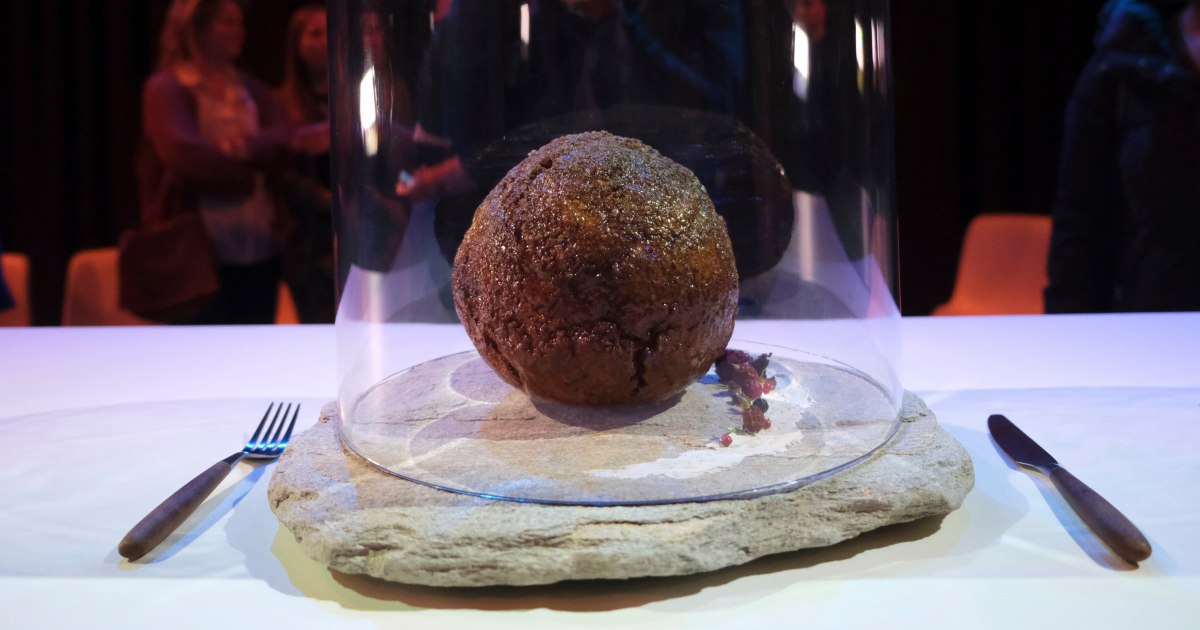
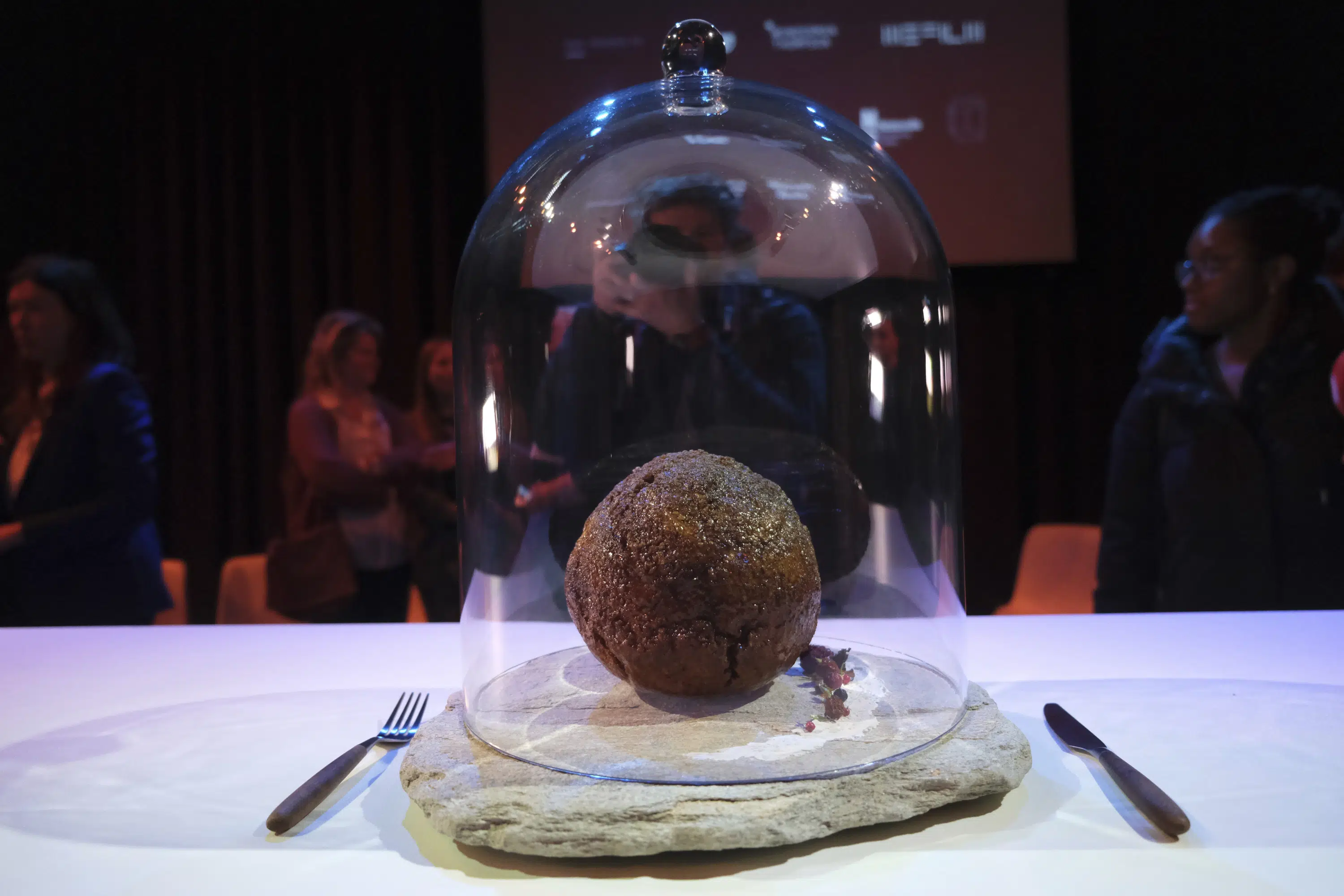
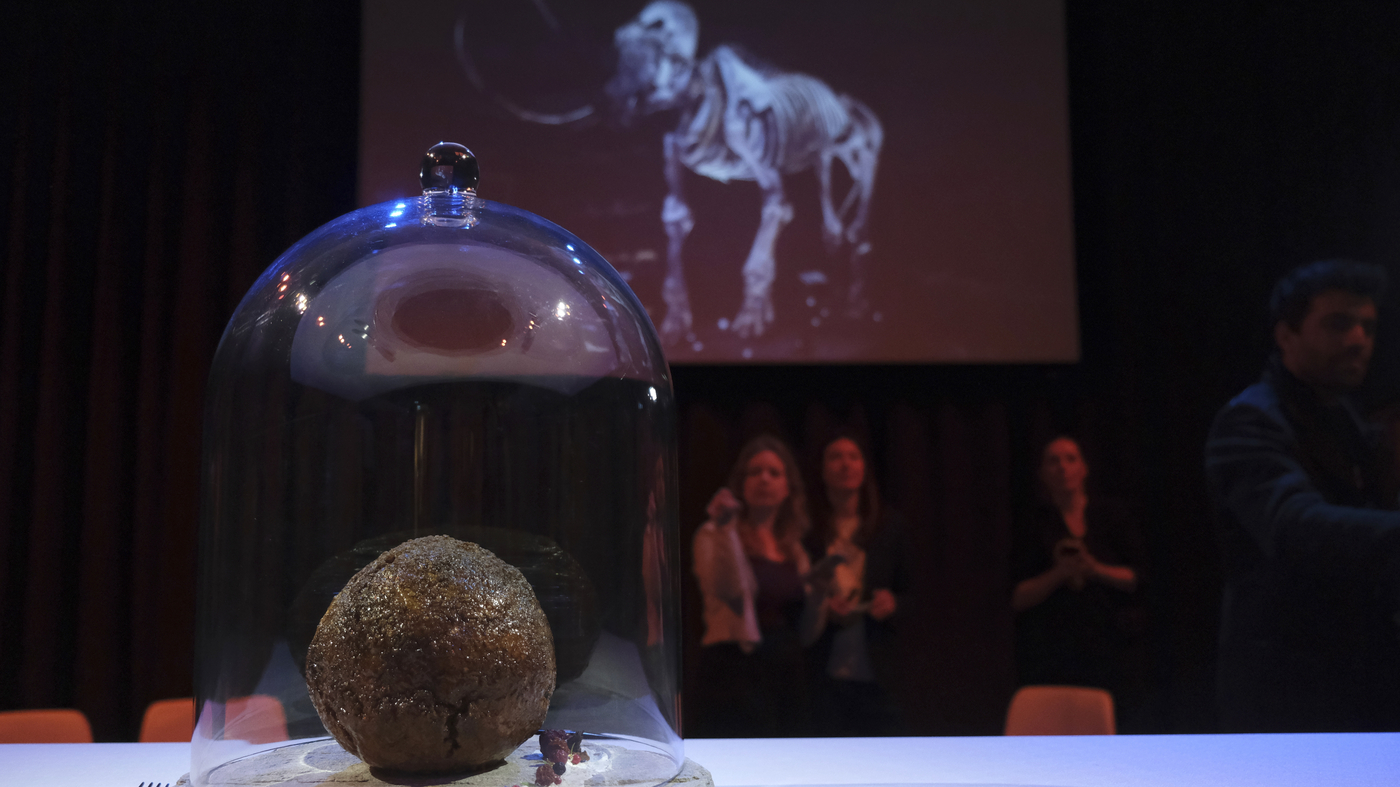
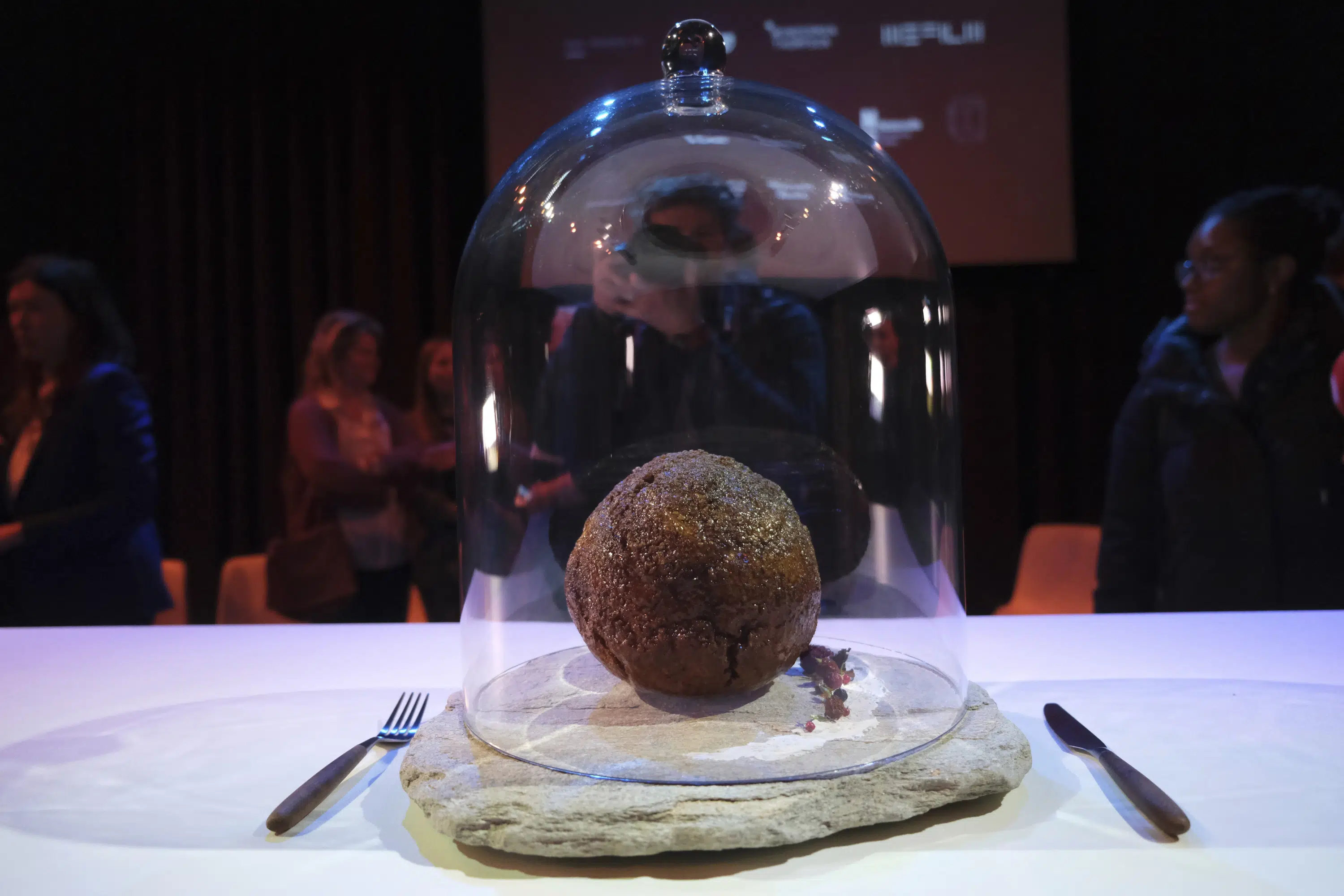
Australian startup Vow has unveiled a meatball made of lab-grown cultured meat using the genetic sequence from the long-extinct mammoth, which is meant to fire up public debate about the hi-tech treat. The cells were multiplied until there were enough to roll up into the meatball. More than 100 companies around the world are working on cultivated meat products, many of them startups like Vow. Experts say that if the technology is widely adopted, it could vastly reduce the environmental impact of global meat production in the future.

science-and-technology2 years ago

"Startup unveils lab-grown mammoth meatball made with extinct species' DNA"

Australian startup Vow has created a meatball made of lab-grown cultured meat using the genetic sequence from the long-extinct mammoth, presented as a source of protein to get people talking about the future of meat. The cells were multiplied until there were enough to roll up into the meatball. More than 100 companies around the world are working on cultivated meat products, which could vastly reduce the environmental impact of global meat production in the future. The mammoth meatball is a one-off and has not been tasted, nor is it planned to be put into commercial production.

science-and-technology2 years ago

Australian startup creates mammoth DNA-infused meatball

Australian startup Vow has unveiled a meatball made of lab-grown cultured meat using the genetic sequence from the long-extinct mammoth, presented as a source of protein that would get people talking about the future of meat. The mammoth meatball is a one-off and has not been tasted, even by its creators, nor is it planned to be put into commercial production. Cultivated meat is made from animal cells, and if the technology is widely adopted, it could vastly reduce the environmental impact of global meat production in the future.

science-and-technology2 years ago

Australian startup creates mammoth DNA meatball

Australian startup Vow presented a meatball made of lab-grown cultured meat using the genetic sequence from the extinct mammoth, as a source of protein to get people talking about the future of meat. The cells were multiplied until there were enough to roll up into the meatball. The mammoth meatball is a one-off and has not been tasted, nor is it planned to be put into commercial production. Cultivated meat is made from animal cells, and if widely adopted, it could vastly reduce the environmental impact of global meat production in the future.

science-and-technology2 years ago

Australian startup creates mammoth DNA-infused meatball

Australian startup Vow has unveiled a meatball made of lab-grown cultured meat using the genetic sequence from the long-extinct mammoth, presented as a source of protein that would get people talking about the future of meat. The mammoth meatball is a one-off and has not been tasted, even by its creators, nor is it planned to be put into commercial production. Cultivated meat is made from animal cells, and if the technology is widely adopted, it could vastly reduce the environmental impact of global meat production in the future.

science-and-technology2 years ago

Australian startup creates woolly mammoth meatball using DNA technology.

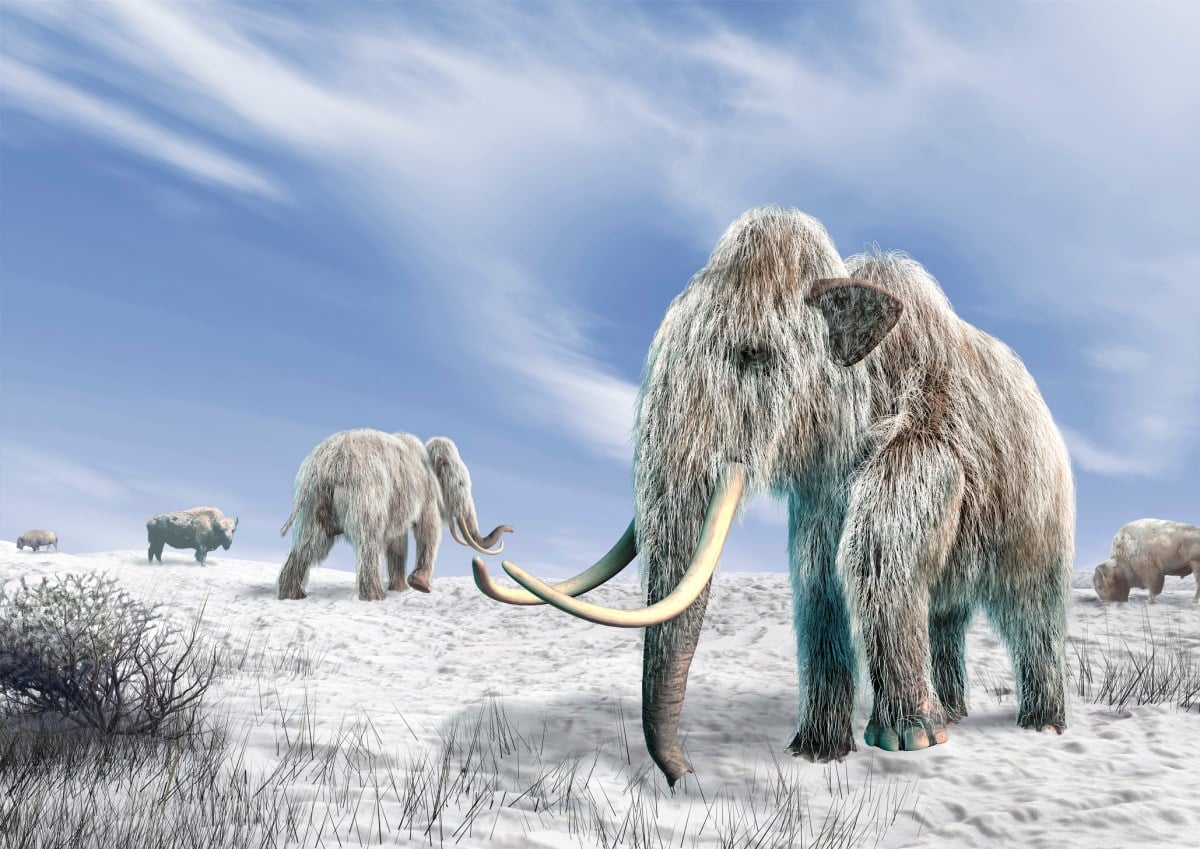
Australian cultivated food company Vow claims to have produced the first meat product made from mammoth DNA by using advanced molecular engineering to resurrect the woolly mammoth in meatball form, by combining original mammoth DNA with fragments of an African elephant’s DNA. The company identified the mammoth myoglobin, a protein that is key to giving meat its color and taste, and then used publicly available data to identify the DNA sequence in mammoths. The mammoth meatball is set to be officially unveiled at NEMO Science Museum in the Netherlands today.

food-tech2 years ago

FDA Approves Second Lab-Grown Chicken Product for Human Consumption in the US

Good Meat, the cultivated meat unit of Eat Just, has received regulatory clearance from the US Food and Drug Administration (FDA) for its production method, making it the second company to receive the "no questions" clearance from the FDA. The company's initial plans are to work with chef José Andrés to sell the company's chicken in one of his Washington, D.C. restaurants. The cultivated meat industry is predicted to reach $25 billion in value by 2030 and is estimated to cut greenhouse gas emissions by up to 96% via less water, land use, and energy over the traditional way of using animals to make meat.