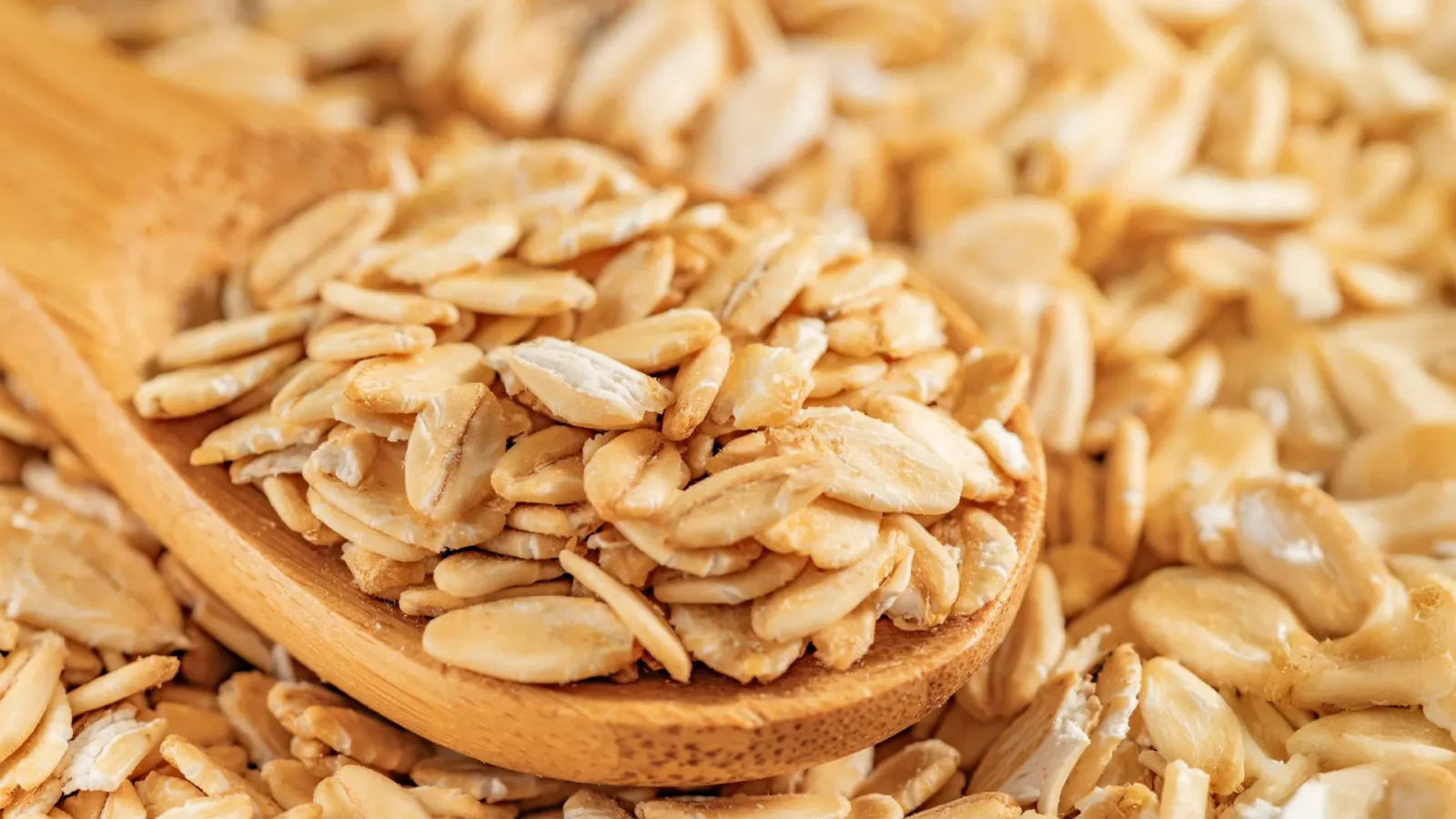
A two-day, calorie-restricted, oat-dominant diet reduced LDL cholesterol by 10% in people with metabolic syndrome, with modest weight loss and lower blood pressure, and benefits persisted six weeks. The effect appears linked to changes in gut bacteria and their metabolites; a longer, less intensive oat plan yielded smaller gains.
A German study from the University of Bonn found that consuming 300 grams of oats per day on a calorie‑restricted diet for two days lowered “bad” LDL cholesterol by about 10%, with slight weight loss and blood pressure reductions among adults with metabolic syndrome; the effect may stem from gut microbiome changes. While oats aren’t a replacement for medication, short, regular oat-based diets could help keep cholesterol in the normal range and may reduce diabetes risk, though diabetics should monitor carbs and ensure gluten-free oats if needed.
In a randomized trial, a two-day oat-based, calorie-restricted diet reduced LDL cholesterol by 10% in people with metabolic syndrome, with the improvement persisting for six weeks and linked to changes in the gut microbiome and its metabolites that may influence cholesterol metabolism.
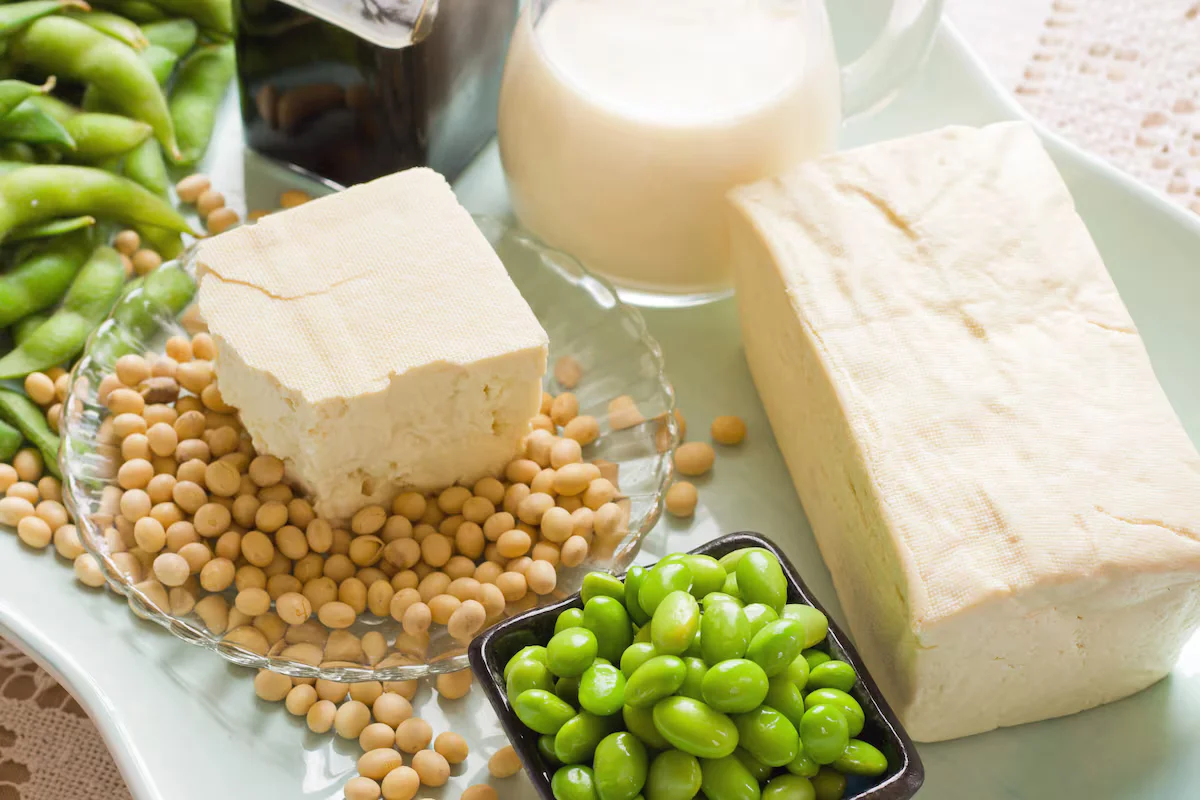
The Portfolio Diet—built around plant protein, nuts and seeds, viscous fiber, plant sterols and monounsaturated fat—significantly lowers LDL cholesterol, with about a 28% reduction when fully followed and a meaningful 14% drop with partial adherence; endorsed by major health organizations, it’s practical to start with small changes (e.g., plant-based proteins, oats, nuts, olive oil) for cardiovascular benefits.
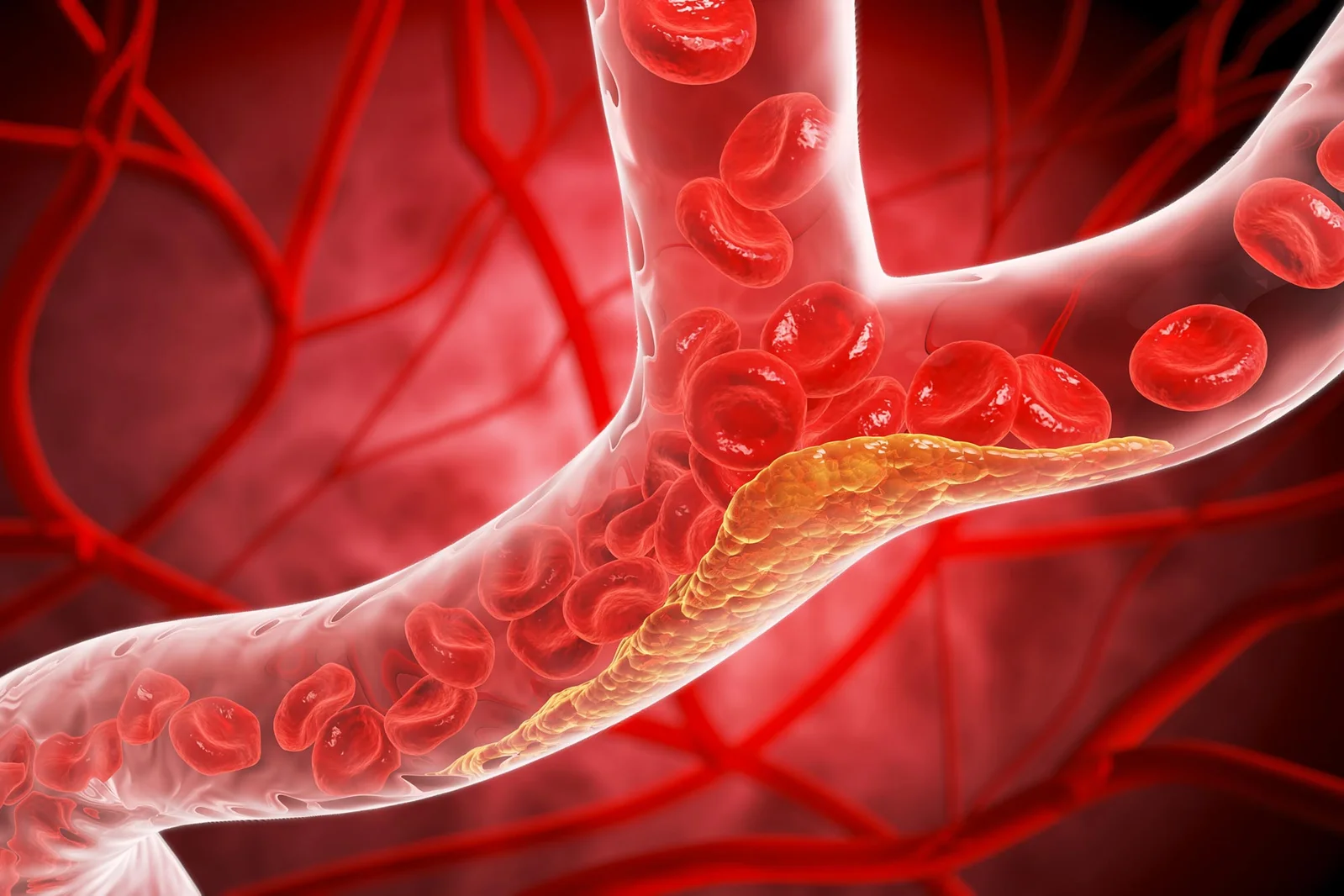
LDL cholesterol, often called 'bad' cholesterol, can build up silently in arteries, increasing the risk of heart disease and stroke. It is essential to have regular blood tests to monitor levels, ideally keeping LDL below 100 mg/dL, and to understand that genetics and aging also influence cholesterol levels. Managing diet, lifestyle, and regular check-ups are key to controlling LDL cholesterol and maintaining heart health.
US cardiologist emphasizes that LDL cholesterol levels above 60 mg/dL are a red flag for heart disease risk and recommends early blood testing, including ApoB, to detect hidden risks and enable early intervention for better heart health outcomes.
The article highlights six cooking oils—palm, cottonseed, refined canola, corn, coconut, and refined sunflower oils—that should be avoided to reduce the risk of heart attacks due to their high saturated fat content, trans fats, or omega-6 fatty acids, which can promote inflammation, increase bad cholesterol, and damage blood vessels.
A new study suggests that fluctuating cholesterol levels in older adults may increase the risk of dementia and cognitive decline. The research, presented at the American Heart Association’s Scientific Sessions 2024, found that those with the highest fluctuations in total cholesterol and LDL-C had a significantly higher likelihood of developing dementia. The study highlights the potential of using annual cholesterol tracking as a biomarker for dementia risk, though further research is needed to understand the relationship between cholesterol variability and cognitive health.
A study involving nearly 10,000 older adults found that significant fluctuations in cholesterol levels, particularly LDL cholesterol, are linked to a higher risk of dementia and cognitive decline, independent of medication changes. The research suggests cholesterol variability could serve as a biomarker for cognitive health, potentially guiding future therapies aimed at stabilizing cholesterol levels to support brain health. The study highlights the need for further research to understand the role of cholesterol in dementia.
Researchers at The University of New Mexico School of Medicine have developed a vaccine that could lower "bad" LDL cholesterol, which can lead to heart disease and stroke. The vaccine, which targets the PCSK9 protein, has been shown to reduce cholesterol levels by up to 30% in animal studies. The researchers hope to move into vaccine manufacturing and clinical trials with humans in the next few years, with the goal of creating a pure, safe, and affordable vaccine that could have a global impact on heart disease.
A study conducted by researchers from Stanford University suggests that following a vegan diet can lead to improved cardiovascular health compared to an omnivore diet. The study, which involved pairs of identical twins, found that participants following a vegan diet experienced lower levels of LDL cholesterol and fasting insulin, as well as greater weight loss. While not everyone may want to adopt a vegan diet, even small changes towards a more plant-based diet can have positive effects on cardiovascular health. Medical experts recommend increasing the intake of heart-healthy foods such as fruits, vegetables, nuts, legumes, and whole grains.
A study involving identical twins found that those who followed a vegan diet for eight weeks experienced lower LDL cholesterol, improved blood sugar levels, and greater weight loss compared to their siblings who followed an omnivore diet. The vegan diet, which eliminates animal products, was found to be higher in fiber, vitamins, minerals, and phytonutrients. The study confirms the benefits of current dietary guidance to reduce cardiovascular disease risk. However, the findings may not be generalizable to the general population, and individuals can still benefit from cutting back on meat and animal byproducts without becoming vegan.
A secondary analysis of the LODESTAR trial compared the long-term efficacy and safety of rosuvastatin and atorvastatin in adults with coronary artery disease. The study found that both statins showed comparable efficacy for the composite outcome of all-cause death, myocardial infarction, stroke, or any coronary revascularization at three years. Rosuvastatin was associated with lower LDL cholesterol levels but a higher risk of new-onset diabetes mellitus requiring antidiabetic medication and cataract surgery compared to atorvastatin.
Cinnamon, a popular spice used in various dishes, has been associated with some health benefits, including its potential to lower LDL cholesterol and its anti-inflammatory properties. However, studies on cinnamon's health benefits have been mixed and inconclusive overall. While cinnamon is generally safe to consume in cooking or as a health supplement in modest amounts, large quantities or long-term use may be harmful to the liver and can cause side effects. It is important to note that cinnamon should not replace medical treatment for conditions such as diabetes or insulin resistance.
Health experts warn that ignoring high cholesterol levels can lead to severe health problems, including diabetes, coronary heart disease, and plaque build-up in blood vessels. Catching high cholesterol early increases the likelihood of making lifestyle changes to reduce the risk of developing potentially deadly diseases. Poor lifestyle habits such as excessive alcohol consumption, a high-fat diet, and lack of cardio exercise are common causes of high LDL or "bad" cholesterol. Many cases of high cholesterol go undiagnosed, and a significant number of individuals with high cholesterol are not taking necessary medications to lower it. Lifestyle changes, such as quitting smoking, increasing physical activity, reducing alcohol intake, getting quality sleep, and consuming a diet rich in fiber and low in fatty foods, can help lower cholesterol levels.