Tag

Neuroscientists

All articles tagged with #neuroscientists

health1 year ago

"Neuroscientist-Recommended Daily Habits for Preventing Dementia"

Leading neuroscientists are optimistic about finding a cure for dementia within the decade, while emphasizing the importance of understanding its complexity and improving diagnosis and treatment. With over 944,000 people in the UK affected by dementia, experts suggest daily habits to support general brain health and prevent the disease, highlighting an exciting and hopeful time for dementia research.

neuroscience1 year ago

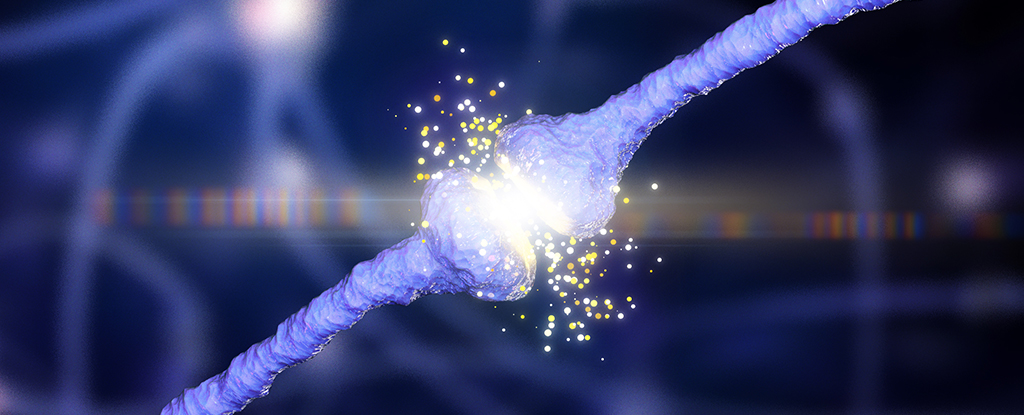
Unveiling the Role of 'Zombie Neurons' in Cerebellum-Driven Learning

Neuroscientists studying learning in mice have discovered "zombie neurons" in the brain, shedding new light on the learning processes in the cerebellum. Using optogenetics, they found that climbing fibers in the cerebellum play a key role in associative learning. However, introducing a light-sensitive protein zombified these neurons, preventing them from responding to sensory stimuli and blocking the animals' ability to learn. This research provides compelling evidence that climbing fiber signals are essential for cerebellar associative learning and raises questions about the 'zombification' of neurons and its implications for other forms of cerebellar learning.

health-and-science1 year ago

"The Science of 'Hysterical Strength' and the Body's Response to Extreme Stress"

The body's fight-or-flight response, triggered by extreme stress, can unlock extraordinary strength and heightened senses, but studying this phenomenon is challenging due to its danger. This response involves the release of adrenaline and noradrenaline, redirecting energy to immediate survival needs and temporarily reducing pain perception. While beneficial in emergencies, chronic stress and sustained hormone release can lead to detrimental physiological outcomes, affecting memory, causing high blood pressure, sleep disorders, and potentially leading to heart disease.

neuroscience1 year ago

"Neuroscientists Discover Brain's Ability to Generate Emotions Independently of Senses"

A study led by Italian neuroscientists has revealed that the brain constructs emotional experiences regardless of sensory input, showing that emotions are represented in the brain irrespective of sensory experience and modalities. The research, which involved individuals with and without sensory deprivation, found that an abstract representation of emotions exists in the brain, indicating that emotional meaning is generated by the brain independently of sensory input. This sheds light on how mental faculties and their corresponding neural representations can evolve and refine without sensory input, advancing the understanding of emotions and the human brain.

neuroscience1 year ago

"The Neuroscience of Idle Minds: What Happens in Your Brain When You're Not Occupied"

Researchers have discovered the default mode network, a collection of brain areas that activate when the mind is at rest, offering insights into brain function outside of specific tasks. This network is involved in processes such as mind wandering, memory recall, envisioning the future, and processing language, and may contribute to constructing an internal narrative. Studies are exploring its interactions with other brain networks, such as the salience network, and its potential links to mental health disorders. The default mode network has prompted neuroscientists to consider the effects of interactions between brain networks and appreciate the brain's activity during inward-focused tasks.

neuroscience1 year ago

"Discovery of Gut-Brain Circuits Unveils Link to Sugar and Fat Cravings"

Neuroscientists at the Monell Chemical Senses Center have identified separate gut-brain circuits responsible for driving cravings for fats and sugars, with a study on mice revealing that the combination of these nutrients supercharges the desire to eat. The research sheds light on the neural pathways that underlie our attraction to unhealthy, calorie-dense foods and highlights the potential for developing treatments for obesity by targeting these specific brain circuits. While the study was conducted on mice, the findings offer insights into the subconscious factors influencing food preferences and eating behaviors in humans, with implications for future research and potential therapeutic interventions.

neuroscience1 year ago

"Neural Prosthetic Revolution: Hacking the Brain for Memory Recall"

Neuroscientists have developed a brain prosthetic system that can enhance the recollection of specific memories by stimulating the brain's memory pathways. The technology, tested on adults with epilepsy, showed promising results in helping participants recall specific images. While the accuracy is still relatively low, the researchers believe this deep brain stimulation has the potential to significantly modify memory and could be used to restore memory function lost due to conditions like Alzheimer's disease, stroke, or head injury. However, challenges remain in refining the model and understanding how specific memories are encoded and retrieved in the brain's hippocampus.

neuroscience1 year ago

"Uncovering Brain Circuitry: Newly Discovered Cells Control Body Movement"

Neuroscientists have discovered a new group of neurons in the brainstem that control left-right movements, shedding light on the intricate brain mechanisms involved in movement control. This finding could have implications for Parkinson's disease treatment, as it reveals the connection between the brainstem and basal ganglia in regulating voluntary movements. The study, conducted in mice, suggests that stimulating these neurons could potentially alleviate turning difficulties associated with Parkinson's disease, offering hope for future therapeutic interventions.

health1 year ago

"Vicks Vaporub: A Potential Remedy for Depression, Study Finds"

A new study from the University of Pittsburgh suggests that familiar scents, such as Vicks Vaporub and coffee, can help improve the mood of individuals suffering from major depression by evoking positive memories. The research found that smells triggered more vivid and emotionally arousing memories than word cues, potentially intercepting negative thought patterns associated with the mental illness. This suggests that incorporating scent-based approaches, such as aromatherapy and reminiscence therapy, into depression treatment could help improve mood, self-esteem, and overall well-being.

neuroscience1 year ago

"The Neuroscience of Resting: Understanding Your Brain's Idle State"

Researchers have discovered the default mode network, a collection of brain areas that activate when the mind is at rest, offering insights into brain function outside of specific tasks. This network is associated with mind wandering, memory, envisioning the future, and processing language, and may play a role in constructing an internal narrative. The default mode network is just one of several distinct brain networks that harmonize to produce effects that they can only achieve together, prompting further research into the role of brain networks in managing internal experiences.

science2 years ago

"Cannabis-Induced Munchies: The Science Behind the Phenomenon"

Neuroscientists at Washington State University have discovered that cannabis exposure activates a specific group of neurons in the hypothalamus, known as AgRP neurons, which are linked to increased feeding in mice. This real-time study is the first to investigate how cannabis impacts the brain regions that control appetite, shedding light on the mechanisms behind the notorious "munchies" effect. The findings could have implications for future drug research in the treatment of appetite-related disorders.

neuroscience2 years ago

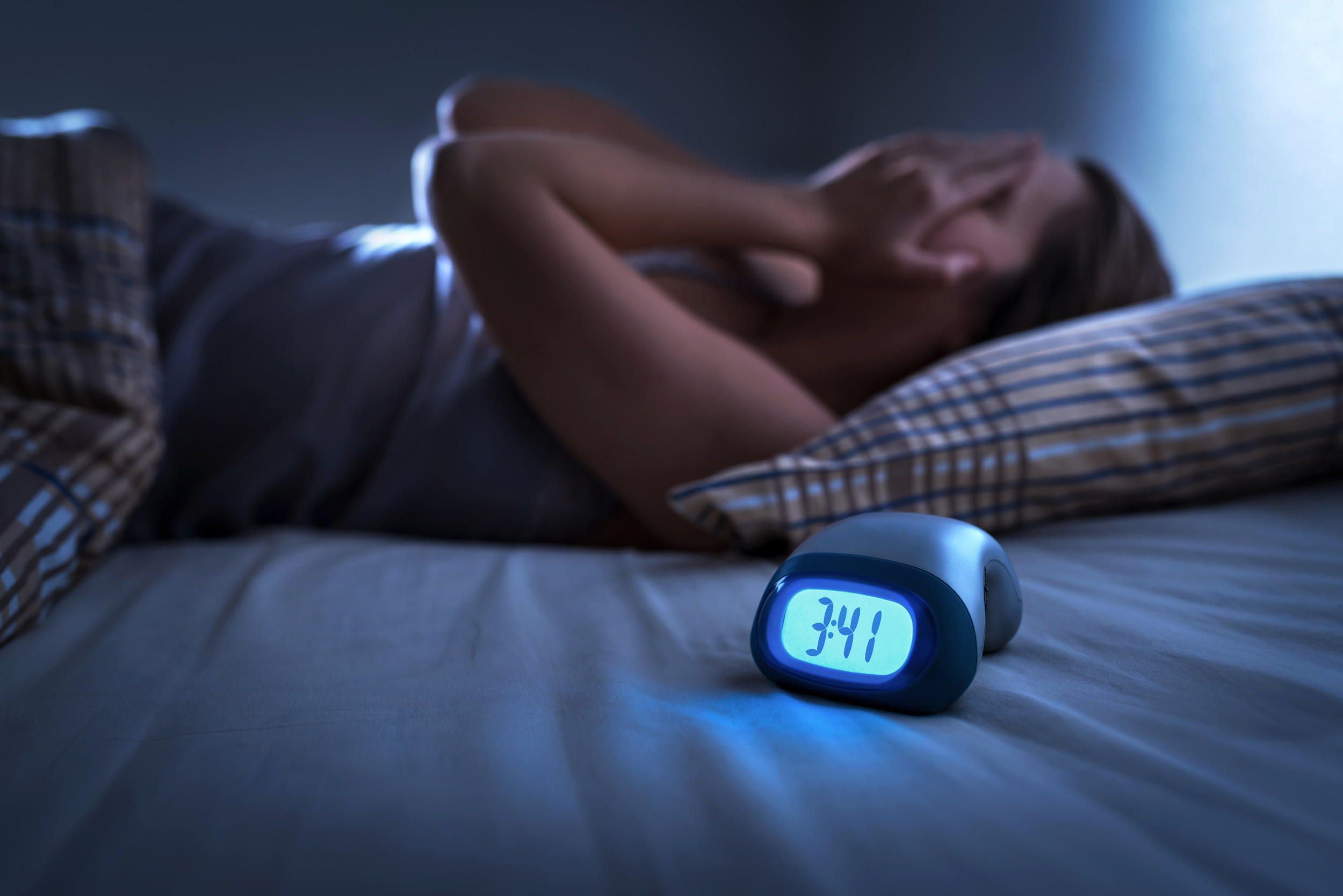
Sleep Disruption: Unveiling the Gender Differences and Brain Damage

Neuroscientists have discovered a new link between sleep disruption and memory retention. Research on young mice found that chronic lack of sleep led to poor performance in learning new tasks and affected memory molecules, triggering a stress response in the brain. Another study on cuttlefish revealed that their skin patterns changed during sleep, suggesting memory replay. Understanding sleep is crucial for addressing sleep disorders, which affect millions of Americans and have implications for memory deficiency and mental health problems. Further research is needed to unravel the mysteries of sleep and its impact on brain function.

science2 years ago

The Moral Impact of a Single Shot: Alcohol's Influence on Harmful Behavior

A study conducted by neuroscientists and psychologists suggests that consuming just one alcoholic drink can make individuals more inclined to engage in harmful behavior towards others or animals and engage in impure acts. The study surveyed 329 participants across five categories of moral fiber and found that those who had consumed alcohol were 4% more likely to consider harming others and nearly 7% more likely to engage in impure acts. The researchers hope that further studies will be conducted to better understand the impact of alcohol on human morality.

health2 years ago

"Breakthrough Discovery: Potential Cure for Alcoholism Unveiled"

Scientists have conducted a successful trial of a new gene therapy treatment for alcohol use disorder (AUD) in monkeys, raising hopes for a potential cure for alcoholism in humans. The treatment involved delivering a protein called glial-derived neurotrophic factor (GDNF) directly to the brain's reward circuitry to reinforce dopaminergic signaling and prevent relapse. The monkeys showed a significant decrease in alcohol consumption, with some choosing to avoid alcohol altogether. If these results translate to human trials, it could offer a permanent solution for severe cases of AUD, which affects millions of people worldwide.