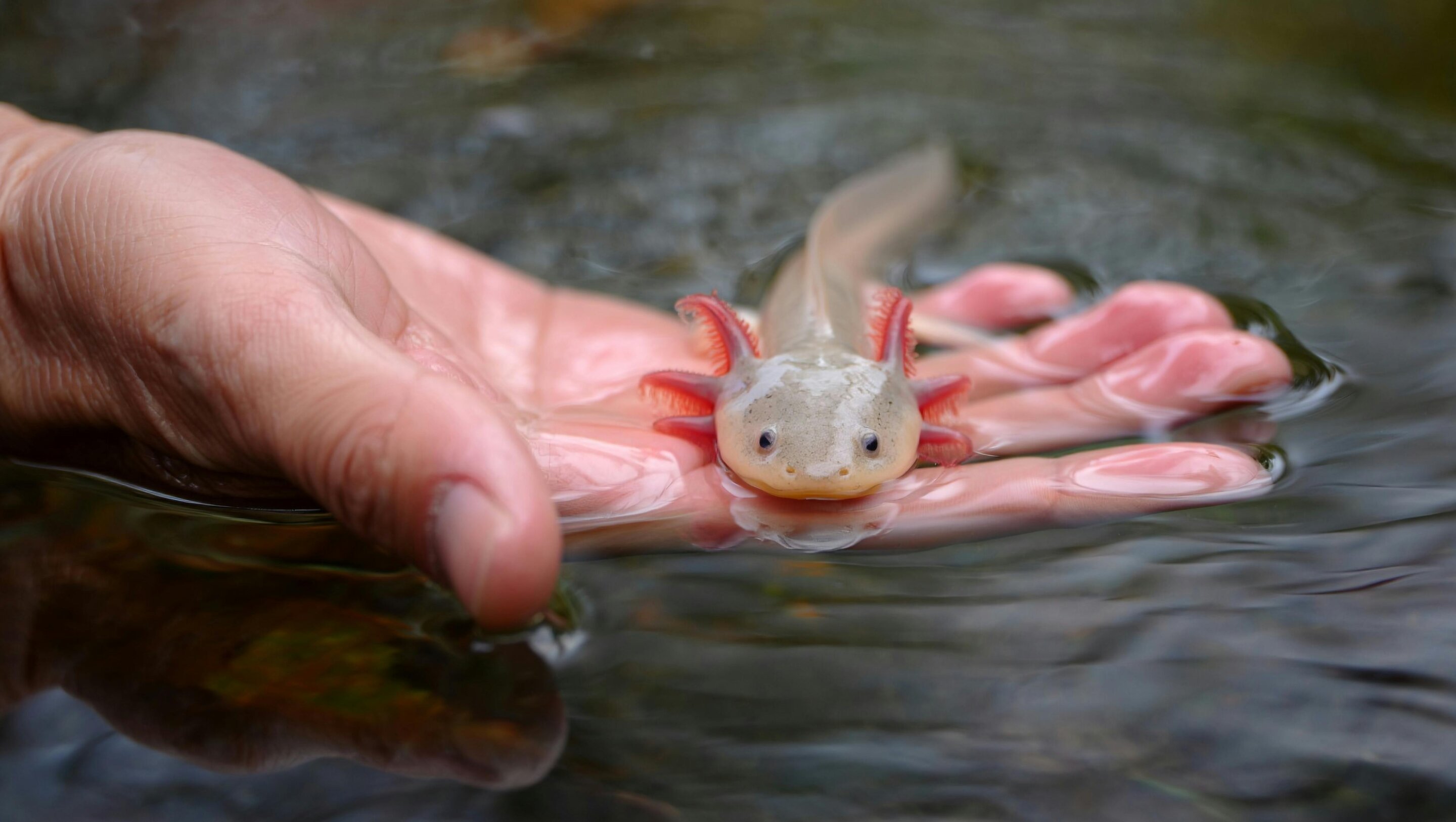
Harvard researchers discovered that axolotls use their 'fight or flight' sympathetic nervous system, particularly adrenaline signaling, to activate stem cells body-wide for limb regeneration, a process that could inform future human regenerative medicine.

The body's fight-or-flight response, triggered by extreme stress, can unlock extraordinary strength and heightened senses, but studying this phenomenon is challenging due to its danger. This response involves the release of adrenaline and noradrenaline, redirecting energy to immediate survival needs and temporarily reducing pain perception. While beneficial in emergencies, chronic stress and sustained hormone release can lead to detrimental physiological outcomes, affecting memory, causing high blood pressure, sleep disorders, and potentially leading to heart disease.
When encountering stress, the body's fight-or-flight response is activated, causing a cascade of hormonal events known as the HPA axis. Chronic stress, which is a consistent feeling of being pressured or overwhelmed for a long period of time, can lead to severe physical and emotional damage. Symptoms of fight-or-flight system activation include rapid heartbeat, rapid breathing, pale or flushed skin, dilated pupils, and trembling. To reduce chronic stress, it's important to prioritize self-care, set boundaries, and practice stress-reducing activities like mindfulness, exercise, and journaling.