A study from Boston University reveals that the brain prioritizes memories linked to emotional events through a process called memory enhancement, which stabilizes important memories and has implications for healthcare and education.
New research demonstrates that synaptic connections in the cerebral cortex can strengthen during sleep under specific neural activity conditions, supporting the possibility of sleep-based learning and offering insights into sleep-related brain disorders and memory improvement strategies.
Pink noise, a type of colored noise similar to white noise but with a deeper sound, may help improve sleep quality, promote deeper sleep, and enhance memory, making it a useful tool for those struggling with insomnia or sleep disturbances.
Scientists from Wake Forest University School of Medicine and the University of Southern California have used a neural prosthetic to unlock specific memories, offering hope for treating memory loss due to age, injury, or disease. The study involved implanting electrodes in epilepsy patients, and the results showed improved memory in 22% of cases during image recognition tasks. This research opens new possibilities for memory enhancement and could lead to interventions for conditions such as Alzheimer's disease, stroke, and head injury.
Neuroscientists have developed a brain prosthetic system that can enhance the recollection of specific memories by stimulating the brain's memory pathways. The technology, tested on adults with epilepsy, showed promising results in helping participants recall specific images. While the accuracy is still relatively low, the researchers believe this deep brain stimulation has the potential to significantly modify memory and could be used to restore memory function lost due to conditions like Alzheimer's disease, stroke, or head injury. However, challenges remain in refining the model and understanding how specific memories are encoded and retrieved in the brain's hippocampus.
Neuroscientist Patricia Granek, Ph.D., recommends incorporating broccoli and chia seeds into your morning eggs to reduce brain fog and enhance memory over 40. Broccoli's antioxidants and vitamin K support cognitive function, while chia seeds' omega-3 fatty acids aid in memory enhancement. Lightly steam and chop the broccoli, and lightly grind the chia seeds before adding them to the eggs with a pinch of salt and garlic powder. This simple addition to your breakfast routine can contribute to better brain health and a sharper memory.
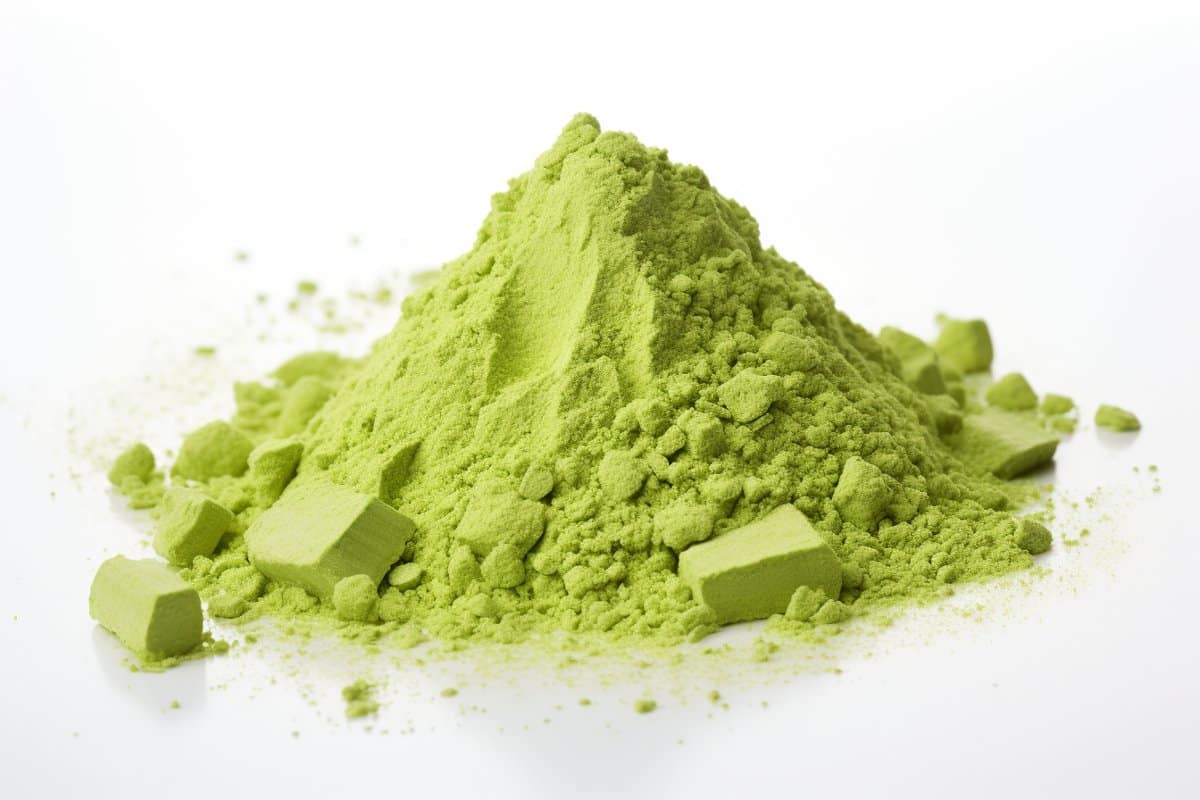
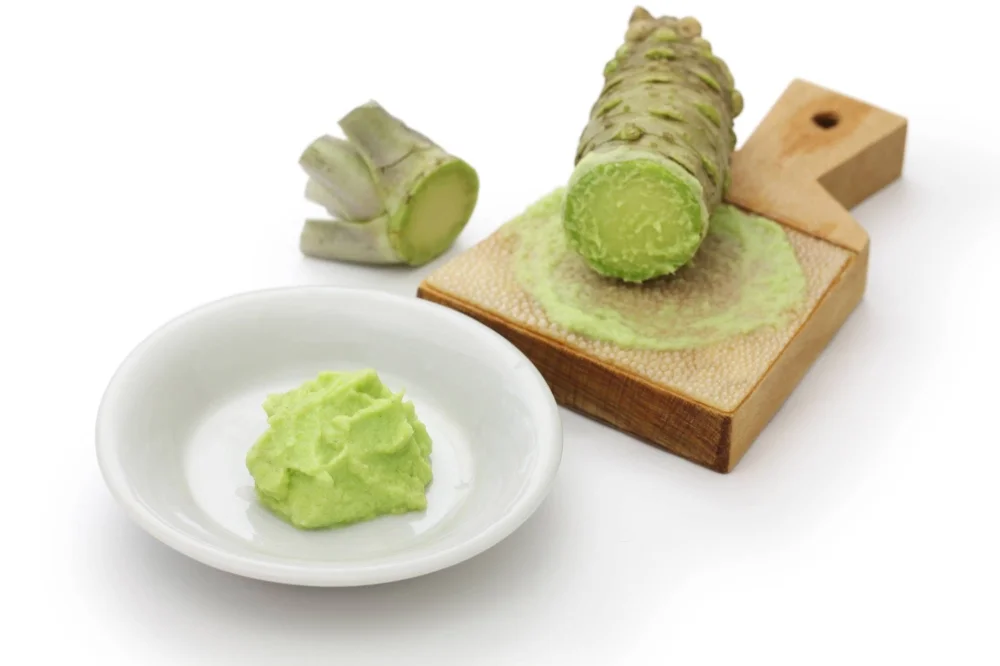
A compound found in wasabi, known as 6-MSITC, has been found to enhance certain cognitive functions, specifically working and episodic memory, in older adults. In a double-blinded, randomized controlled trial, participants who received a 6-MSITC supplement showed significant improvements in memory compared to those who received a placebo. However, no significant improvements were observed in other cognitive areas such as processing speed or attention. This study highlights the potential benefits of dietary interventions, specifically incorporating foods high in 6-MSITC, in supporting cognitive health in the aging population. Further research is needed to fully understand the effects and applications of 6-MSITC in cognitive health.
A study conducted by Kinjirushi Co. and Tohoku University has found that a compound called hexaraphane, found in small quantities in wasabi, may improve memory and cognitive abilities in elderly individuals. The study involved 72 healthy adults aged 60 to 80, with one group taking a daily supplement of hexaraphane for 12 weeks. The group taking the supplement showed significant improvements in episodic and working memories, as well as in processing short conversations, performing simple calculations, and matching names with faces. The findings suggest the potential for using wasabi to develop new products for memory enhancement.
A study conducted by Kinjirushi Co. and Tohoku University has found that a compound called hexaraphane found in wasabi may improve memory and cognitive abilities in elderly individuals. The research involved 72 healthy adults aged 60 to 80, with one group taking a daily supplement of hexaraphane for 12 weeks. The group that took the supplement showed significant improvements in episodic and working memories, particularly in tasks involving short conversations, simple calculations, and matching names with faces. The findings suggest the potential for developing new products to enhance memory in the elderly.
A study conducted by Kinjirushi Co. and Tohoku University has found that a compound called hexaraphane found in wasabi may improve memory and cognitive abilities in elderly individuals. The research involved 72 healthy adults aged 60 to 80, with one group taking a daily supplement of hexaraphane for 12 weeks and the other group receiving a placebo. The group taking the supplement showed significant improvements in episodic and working memories, particularly in tasks involving short conversations, simple calculations, and name-face matching. The findings suggest the potential for developing new products to enhance memory in the elderly.
A study conducted by Japanese food manufacturer Kinjirushi and Tohoku University has found that a compound called hexaraphane, found in small quantities in wasabi, may improve memory and cognitive abilities in elderly individuals. The research involved 72 healthy adults aged 60 to 80, with one group taking a daily supplement of hexaraphane for 12 weeks and the other group receiving a placebo. The group taking the supplement showed significant improvements in episodic and working memories, particularly in tasks involving short conversations, simple calculations, and matching names with faces. Kinjirushi is now considering using this discovery to develop new products for memory enhancement.
Trigonelline (TG), a compound found in coffee and certain vegetables, has been found to improve cognitive decline in aging. In a study conducted on aging mice, TG administration resulted in enhanced spatial learning and memory. Researchers discovered that TG increased neurotransmitter levels and reduced inflammation in the hippocampus. This natural compound shows promise in mitigating age-related cognitive challenges.
Researchers have discovered that melatonin and its derivatives, AMK and ramelteon, enhance memory by modulating the phosphorylation levels of key memory-related proteins. The study conducted on male mice showed that these compounds facilitate the formation of long-term memory. These findings could lead to the development of new treatments for age-related memory impairment.
Nightly aromatherapy using natural oil fragrances has been shown to enhance memory in older adults, with participants experiencing a remarkable 226% increase in cognitive capacity over six months. The study confirms the direct link between the olfactory sense and the brain's memory circuits, offering a potential non-invasive strategy to combat cognitive decline and dementia. The technique involves exposing participants to different natural oil fragrances for two hours each night while they sleep, resulting in improved cognitive performance and better integrity in the brain pathway responsible for memory.
Researchers have found that targeted deep-brain stimulation during a specific sleep phase can enhance memory consolidation, providing crucial insights into how deep-brain stimulation could potentially aid patients with memory disorders such as Alzheimer’s disease. The study used a "closed-loop" system that delivered electrical pulses synchronized to brain activity, enhancing the connection between the brain’s memory hub and the cerebral cortex. The research provides the first physiological evidence supporting the dominant theory of how the brain consolidates memory during sleep.