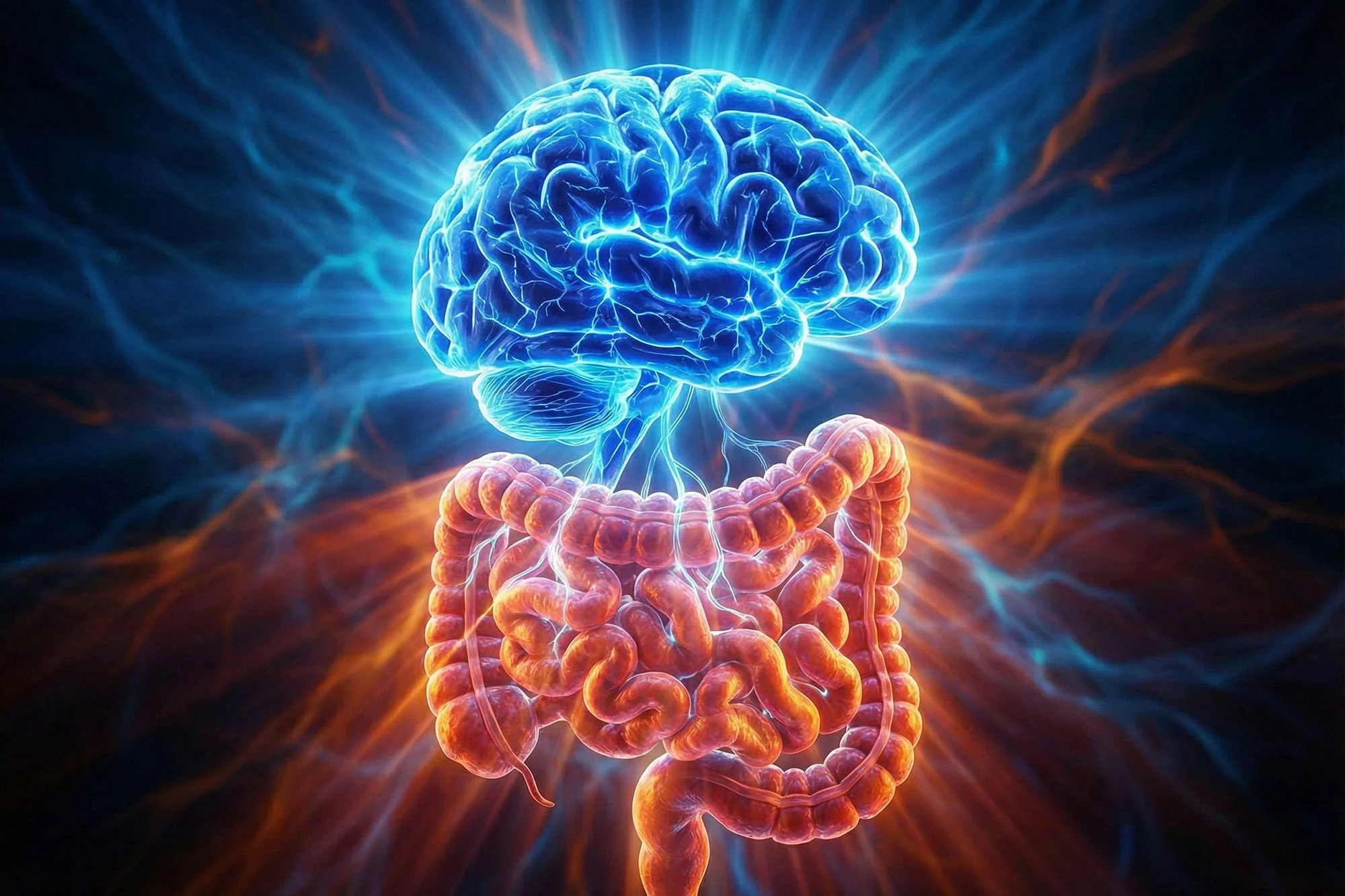
New research indicates that gut microbes influence brain function and evolution, with experiments showing that transferring microbes from primates with different brain sizes to mice alters brain activity and gene expression, potentially impacting cognitive traits and mental health conditions.
Recent scientific research confirms that creatine, a common supplement traditionally associated with athletic performance, also significantly benefits brain and heart health by supporting cellular energy and neurotransmitter function, with studies showing it is safe for general use and potentially crucial for addressing creatine deficiency disorders.
Research shows that certain types of video games, especially real-time strategy and action games, can enhance brain processing, attention, and even slow aging, but moderation and variety are key for cognitive health.
Elon Musk highlighted a recent study suggesting hormonal contraceptives may affect brain regions involved in emotion and decision-making, prompting discussions on the importance of understanding long-term side effects of birth control. While the research indicates potential cognitive and emotional changes, most experts emphasize the benefits of contraceptives and call for more nuanced research and communication to balance awareness with reassurance.
Extreme heat negatively impacts brain function, decision-making, and emotional regulation by impairing the blood-brain barrier, increasing oxidative stress, disrupting sleep, and elevating stress levels, especially affecting vulnerable groups. To mitigate these effects, experts recommend hydration, shade, air conditioning, and mental strategies like maintaining calm and self-control.
A study from MIT reveals that astrocytes use the protein Gat3 to regulate ambient GABA levels, which is crucial for coordinating neuronal activity and encoding visual information. Knocking out Gat3 in mice's visual cortex disrupted neural ensemble synchronization and impaired information processing, providing insights into how astrocytes influence brain function and potential links to neurological disorders.
Researchers at Virginia Tech are developing a novel focused ultrasound technique to deliver creatine directly to the brain, bypassing the blood-brain barrier, to improve brain function and development in individuals with creatine deficiency disorders.
A Chinese study found that frequent consumption of pornography, done by 69% of American men, can negatively affect brain function, leading to longer reaction times and reduced accuracy in cognitive tests, potentially fostering addiction and disrupting personal relationships.
A study published in Nature Communications found that plant-based prebiotic supplements, specifically inulin and fructooligosaccharide (FOS), may improve cognitive function in older adults. The study involved 36 pairs of twins over 60, with one twin taking the supplement and the other a placebo. While physical improvements were minimal, cognitive tests showed better results for those taking the prebiotics, along with increased levels of beneficial gut bacteria. However, researchers caution that the clinical significance of these findings is still uncertain.
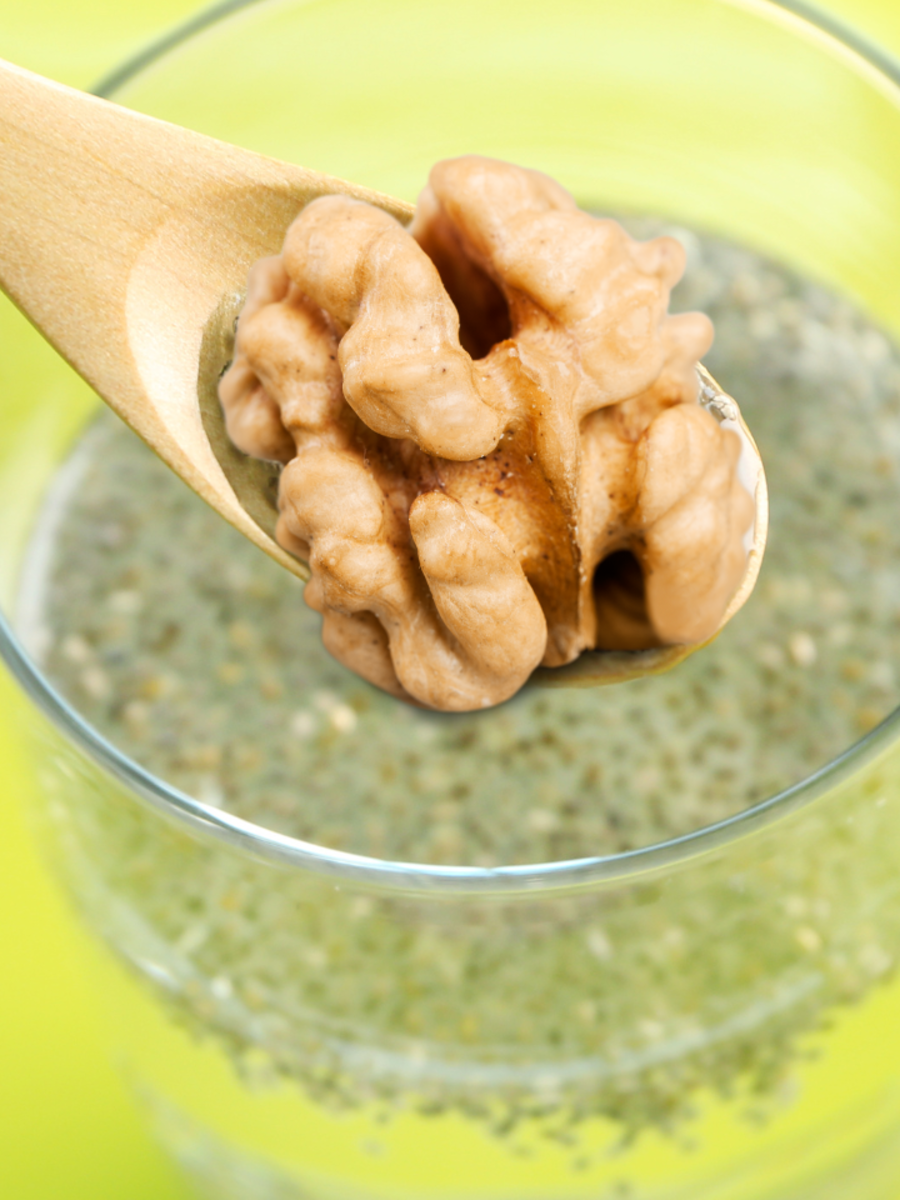
Dr. Joseph Salhab, known as The Stomach Doc, shares his daily breakfast routine aimed at enhancing gut health and brain function. He consumes Greek yogurt or kefir for probiotics, adds berries for cognitive benefits, and includes walnuts for healthy fats. He also recommends cinnamon for its anti-inflammatory properties and chia seeds for omega-3, advising they be consumed with plenty of water. His breakfast tips have resonated with his 1.8 million TikTok followers, who share their own nutritious routines.
A study from The Pennsylvania State University suggests that even a few minutes of daily physical activity, such as walking or housework, can enhance brain processing speed and potentially lower the risk of dementia. The research, involving over 200 middle-aged adults, found that physical activity improved cognitive processing speed, making individuals appear cognitively younger. While the study did not show improvements in working memory, it supports previous findings that regular exercise can reduce dementia risk by up to 20%. Maintaining an active lifestyle is emphasized as crucial for cognitive health.
A study from Penn State College of Medicine, published in the Annals of Behavioral Medicine, suggests that engaging in everyday movements, such as walking a dog or doing chores, can improve cognitive processing speed, making the brain function as if it were four years younger. This research highlights the short-term cognitive benefits of physical activity, even if it's not intensive exercise, and suggests incorporating simple movements into daily routines to enhance brain health.
Intermittent fasting offers several surprising health benefits, including weight loss through increased fat burning, improved brain function and cognitive performance, reduced inflammation linked to chronic diseases, enhanced cellular repair via autophagy, and better heart health by improving blood pressure, cholesterol, and triglycerides.
A UCLA study finds that resilient individuals exhibit better brain function and healthier gut microbiomes, with improved emotional regulation and lower inflammation. This research suggests potential treatments targeting both the brain and gut to reduce stress and prevent disease.
Eating one soaked walnut every day offers numerous health benefits, including improved heart health, enhanced brain function, anti-inflammatory properties, better weight management, and improved digestion. Walnuts also support bone health, skin health, blood sugar control, improved sleep, and provide antioxidant protection.