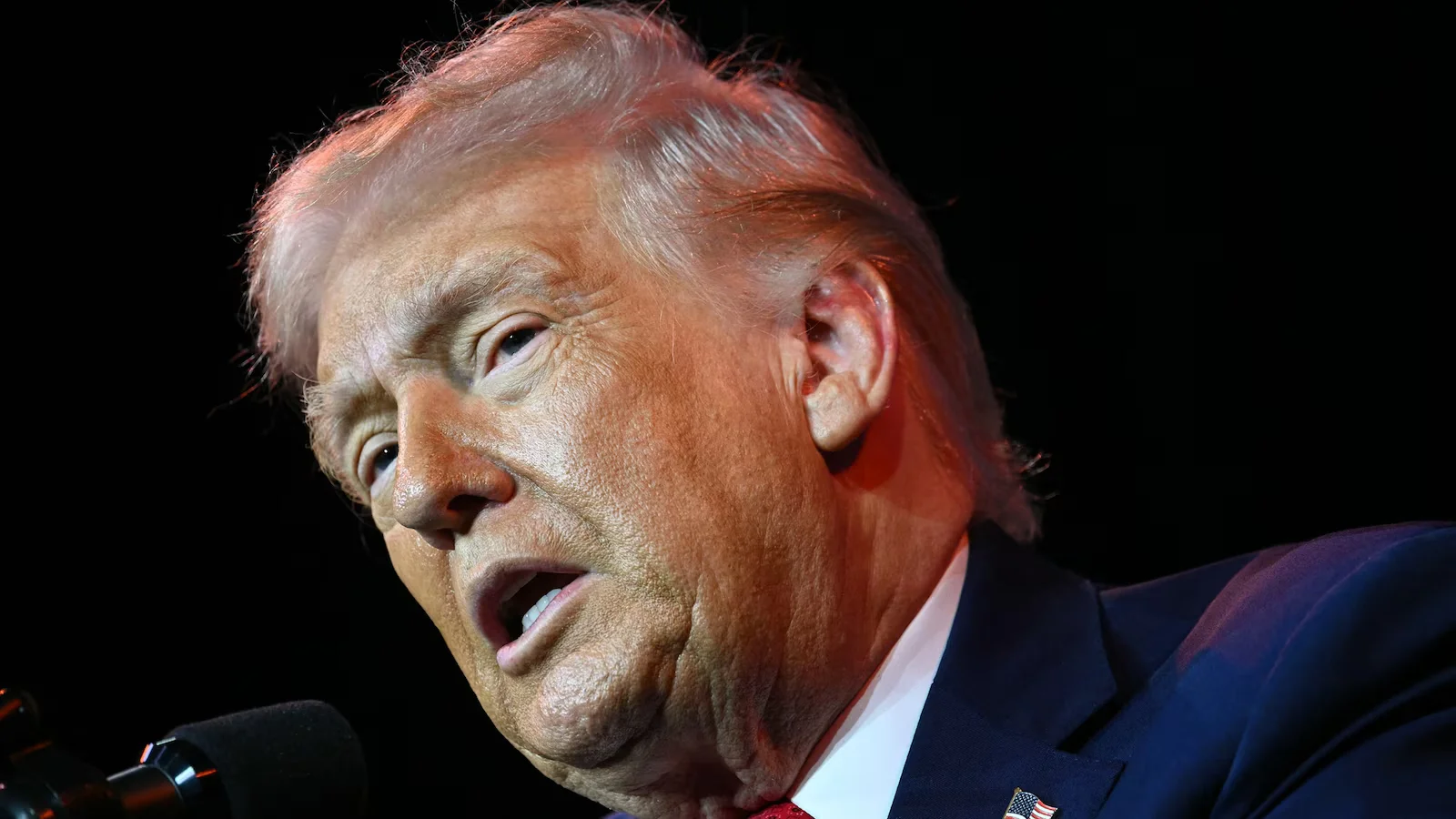
In a New York Times interview, President Trump claimed his personal morality is the only limit to his global power, dismissing the need for international law, while acknowledging some adherence depending on its definition. His comments come amid recent controversial actions, including military operations in Venezuela, discussions about acquiring Greenland, criticizing NATO, and withdrawing from multiple international organizations.
Bernard Mandeville's work explores how pride and shame drive human behavior and social cohesion, revealing that virtues like politeness and chastity are artificial passions rooted in self-love and the desire for recognition, which ultimately contribute to societal welfare through private vices.
The article condemns President Trump's harsh and cruel comments about Rob Reiner following Reiner's and his wife's deaths, highlighting Reiner's lifelong efforts to promote kindness, inclusion, and democracy, and criticizing Trump's dehumanizing rhetoric and political attacks. It urges readers to vote in Reiner's memory to oppose such cruelty and defend democratic values.
The article explores the concept of pleasure from a philosophical perspective, emphasizing that pleasure is a natural, evaluative feeling that should not be moralized or seen as vulgar. It distinguishes between the source of pleasure and the experience itself, advocating for a mindful pursuit of diverse, responsible pleasures—both immediate and delayed—to lead a fulfilling and ethically sound life.
The article discusses the scandal involving the leaked video of Israeli prison guards raping a Palestinian detainee, highlighting the political and moral decay in Israel, the conflicting narratives surrounding the incident, and the broader context of Israeli society's response to violence and genocide in Gaza.
A Saudi-funded comedy festival in Riyadh featuring prominent Western comedians has sparked widespread criticism due to the country's human rights abuses and censorship practices, with many performers facing moral dilemmas and some declining participation, highlighting the complex ethics of entertainment in authoritarian regimes.
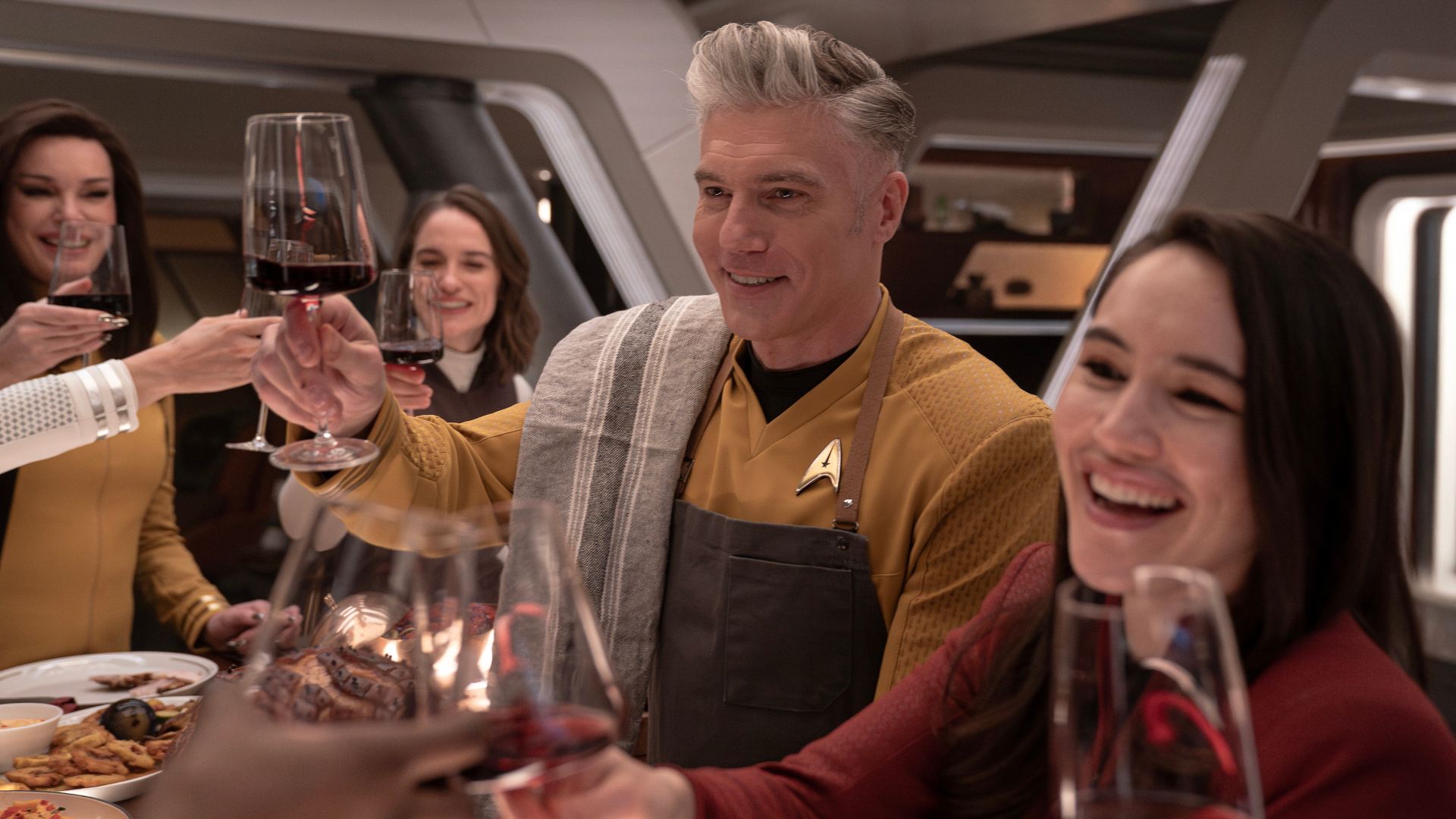
The article explores the evolving concept of Starfleet in 'Star Trek', highlighting its origins, moral dilemmas, and the shift from utopian ideals to a more cynical view, while emphasizing that the core of Starfleet remains its people and their values.
Spike Lee's 'Highest 2 Lowest' is a compelling remake of Kurosawa's 'High and Low,' featuring a strong performance by Denzel Washington in a morally complex story about ransom, responsibility, and societal issues, but it has limited theatrical marketing and is better appreciated on streaming.
Public opinion in Israel is shifting as the country faces increasing internal debate over the morality of its war in Gaza, amid reports of widespread starvation and civilian suffering, prompting some officials and citizens to question the justification and conduct of the conflict.
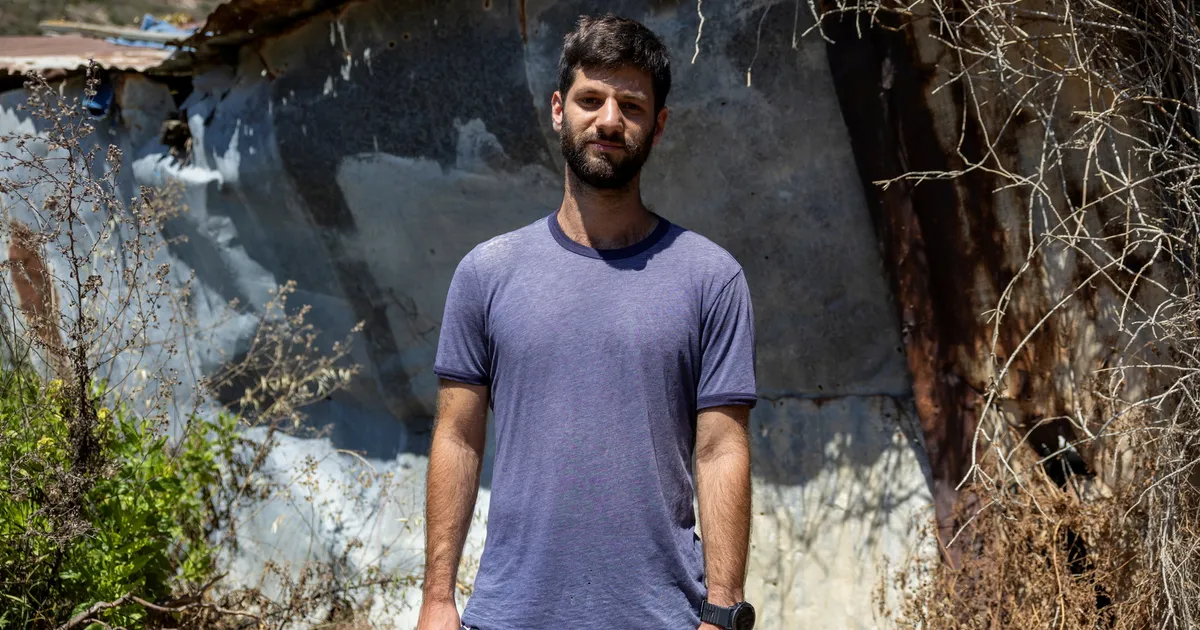
The article discusses five Israeli individuals who refuse to participate in the Gaza conflict, criticizing the moral and ethical boundaries crossed in the war, and highlighting the broader issues of indoctrination and moral awakening within Israeli society.
James Gunn describes his upcoming Superman film as a story about an immigrant from other places, emphasizing themes of human kindness and morality, especially relevant in today's political climate and societal loss of hope. The film focuses on a young Clark Kent balancing his Kryptonian heritage with his human upbringing, aiming to inspire kindness and hope.
The author argues in favor of supporting Ukraine in its resistance to Russian aggression, emphasizing the moral and realist arguments for doing so. He acknowledges the importance of moral considerations in foreign policy but also stresses the need for a reality-based, cost-benefit analysis. The author criticizes opponents of supporting Ukraine, highlighting the moral case for aiding the country and the significance of keeping promises made to Ukraine. He also addresses the asymmetrical costs for Russia and the United States in the conflict, ultimately advocating for America to uphold its commitment to Ukraine.
Elon Musk criticized the lifestyle choice of "double-income no kids" (DINK) couples, stating that there is an "awful morality" to deliberately not having children. His comment was in response to viral videos of childless couples discussing the benefits of their lifestyle. While some agreed with Musk, others argued that wanting care in old age should not be the sole purpose of having children. The videos generated backlash, with some commenters insulting the couples and calling them "genetic dead ends."
The article discusses the morality of ending wars short of "total victory" and draws comparisons between Israel's war in Gaza and historical conflicts. The authors argue that pursuing total victory at any cost, including the destruction of civilian lives, is morally wrong. They criticize Israel's approach in Gaza, which they believe has not shown restraint or respect for enemy civilians. The article calls for a reconsideration of the war aim of destroying Hamas and emphasizes the need for humanitarian aid and an independent state for Palestinians.
A study conducted by researchers at the University of Silesia found that consuming just one alcoholic beverage can influence individuals' perceptions of right and wrong, leading them to engage in harmful or immoral behaviors. The study revealed that alcohol altered people's care and purity foundations, making them more likely to harm others and engage in impure actions. Understanding the cognitive and emotional changes caused by alcohol is crucial, as excessive alcohol use is responsible for a significant number of deaths in the US each year.