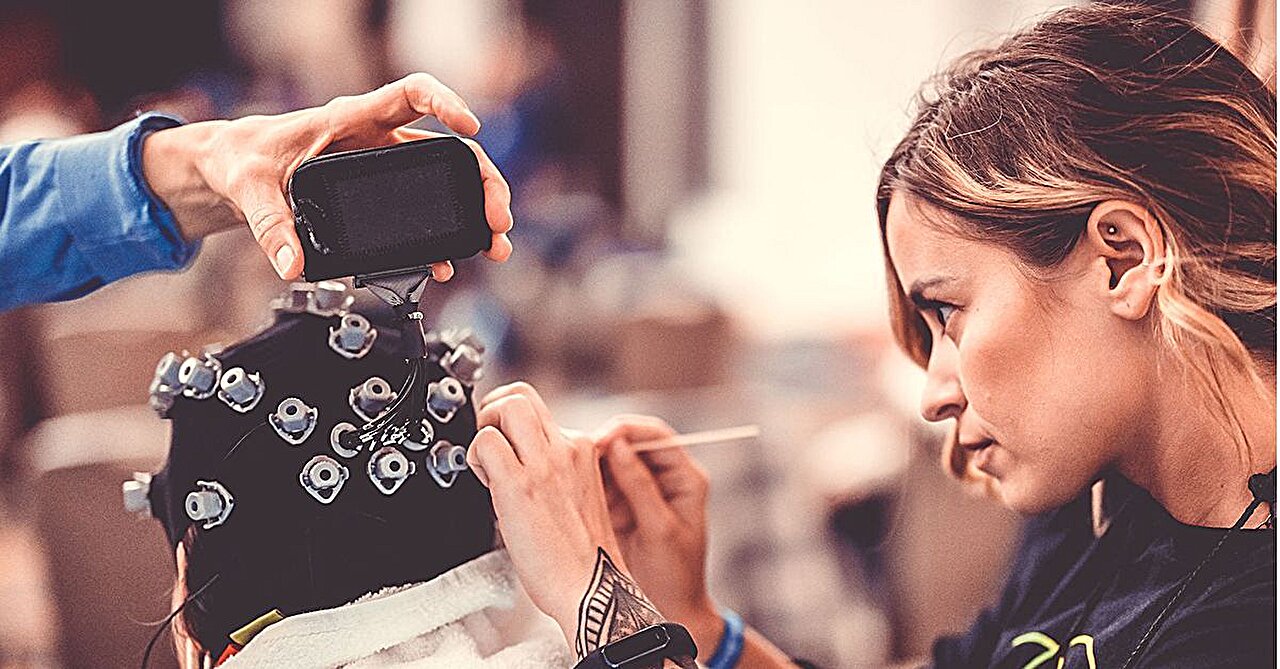
A 10‑week program trained 12 blind and 14 sighted adults in echolocation techniques, with neuroimaging showing increased activity in the primary visual and auditory cortices. The study demonstrates that the adult brain can rewire to interpret echoes for spatial awareness, with experts achieving centimeter‑level precision, suggesting echolocation training could become a mainstream tool for vision impairment.
Canadian researchers report that expert birders have higher density in brain regions tied to attention and perception, suggesting lifelong birding—and by extension bird photography—may bolster neural networks through neuroplasticity and help mitigate age-related cognitive decline, though it does not prove prevention of decline.
A neuroscience study comparing 29 expert birders with 29 age- and sex-matched novices found that experts have more compact, efficient brain tissue in attention- and perception-related regions, which correlates with higher accuracy in bird identification. These structural advantages persist into older age, and older birders even remember arbitrary faces paired with birds better than beginners, suggesting that complex, multi-process skill learning builds cognitive reserve that supports broader cognition as we age.
A study found that reading a book at night improves sleep for more people than going straight to bed, with a December 2019 online trial showing 42% of readers reported better sleep versus 28% of nonreaders. Brain scans suggested lasting connectivity changes from nightly reading, and experts say short, consistent 15–20 minute sessions can calm the mind, support memory and cognitive reserve, and even enhance social skills.
New research suggests psychedelics such as MDMA and psilocybin may help PTSD by promoting neuroplasticity and rebalancing fear circuits, enabling faster, therapy-assisted recovery. In MDMA-assisted therapy trials, about 67% of participants no longer met PTSD criteria compared with 32% on placebo; psilocybin trials are also showing promise in reducing symptoms and increasing cognitive flexibility. The proposed mechanisms involve dampened amygdala activity, enhanced prefrontal control, restoration of BDNF, and disruption of the default mode network, which may help patients reprocess trauma during psychotherapy. However, large, controlled trials are still needed, and regulatory hurdles persist due to Schedule I status and safety/blinding challenges.
A rat study shows a single dose of psilocybin yields antidepressant-like behavior lasting at least 12 weeks, without lasting spine growth; instead, lasting functional changes in neuron firing (increased excitability and depolarized readiness) in the medial prefrontal cortex likely underlie the effect, with similar results from the 5-HT2A-targeting drug 25CN-NBOH, implicating this receptor; study notes limitations and cautions about translating to humans.
For much of the 20th century, scientists believed the adult brain was fixed, but neuroplasticity now shows the brain can change throughout life in response to experience—though changes are gradual and bounded. The article traces this shift from Hebb’s 1949 idea to modern imaging that reveals learning reshapes brain activity and connectivity, with the hippocampus showing limited adult neurogenesis. Change is strongest with effortful, meaningful engagement and is enhanced by practice, regular exercise (which raises BDNF) and sleep, while chronic stress can impair plasticity. Plasticity can be maladaptive, reinforcing harmful patterns like chronic pain or addiction, but therapies such as cognitive behavioral therapy and rehab can steer it toward recovery. The piece also debunks myths of rapid, limitless change, emphasizing that real brain remodeling comes from challenging, real-life activities like language learning, playing music, and complex social interaction.
UC San Diego researchers report that a seven-day intensive mind-body retreat, combining meditation with reconceptualization and open-label placebo, produced rapid, multi-system brain and blood changes in 20 healthy adults—lowered default-mode activity, signs of enhanced neuroplasticity, metabolic shifts toward flexible energy use, increased endogenous opioids, and a balanced immune response—patterns that resemble psychedelic brain states and could inform non-drug approaches to pain and stress, though clinical trials are still needed.
Neurologist says the brain adapts like muscles: true cognitive growth comes from novel, challenging tasks paired with adequate rest. Adult neuroplasticity persists, with learning languages, dancing, or music increasing brain volume and connectivity; breaks and sleep—especially REM sleep—are crucial for clearing waste, repairing tissue, and consolidating memories. Exercise raises BDNF and blood flow, protecting cognition. Overdoing mental work causes neural fatigue, so balance effort with breaks and varied activities to maintain cognitive resilience.
New neuroscience shows brain maturation continues into the early 30s as neural networks become more efficient; the classic 'finish at 25' myth arose from earlier gray-matter studies and datasets ending around age 20, but latest research on white matter reveals ongoing segregation and integration until about 32. There is no magic switch at 25—adulthood is a prolonged construction zone, and you can support brain health through aerobic exercise, learning new skills, and cognitively challenging activities while minimizing chronic stress.
Neuroscientist Jules suggests three simple habits to incorporate into daily tooth brushing—using the non-dominant hand, balancing on one leg, and reversing letter-number sequences—that may help strengthen cognitive functions and potentially lower dementia risk by promoting neuroplasticity and cognitive resilience.
Regular aerobic exercise not only strengthens the heart but also rewires its nerve control system in a side-specific manner, potentially leading to more targeted treatments for heart conditions like arrhythmias and angina, as shown by recent rat studies that reveal structural changes in the heart's nerve clusters.
Building and maintaining cognitive reserve through lifelong intellectual activities, social engagement, and cognitive training can help preserve mental sharpness and resist age-related cognitive decline, supported by recent neuroscientific research and practical interventions.
A 7-day intensive meditation retreat combining various mind-body techniques led to rapid, measurable changes in brain function, blood chemistry, and immune response, suggesting these practices can significantly impact physical and mental health by enhancing neuroplasticity, pain relief, and immune activity.
A study shows that a brain training program using BrainHQ can increase acetylcholine production in older adults, potentially helping to offset age-related cognitive decline, with exercises designed to challenge and adapt to the user's level.