Tag

Brain Plasticity

All articles tagged with #brain plasticity

health-and-science1 month ago

Engaging in Creative Activities May Help Slow Brain Aging

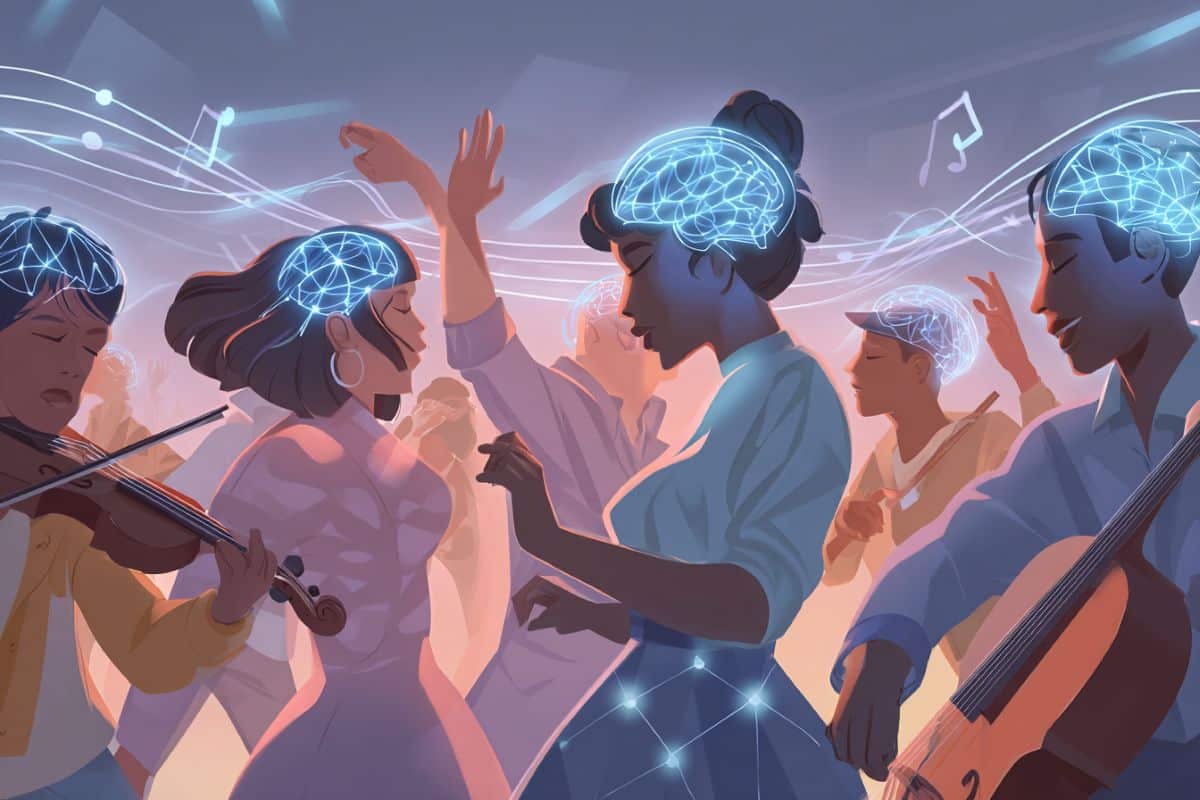
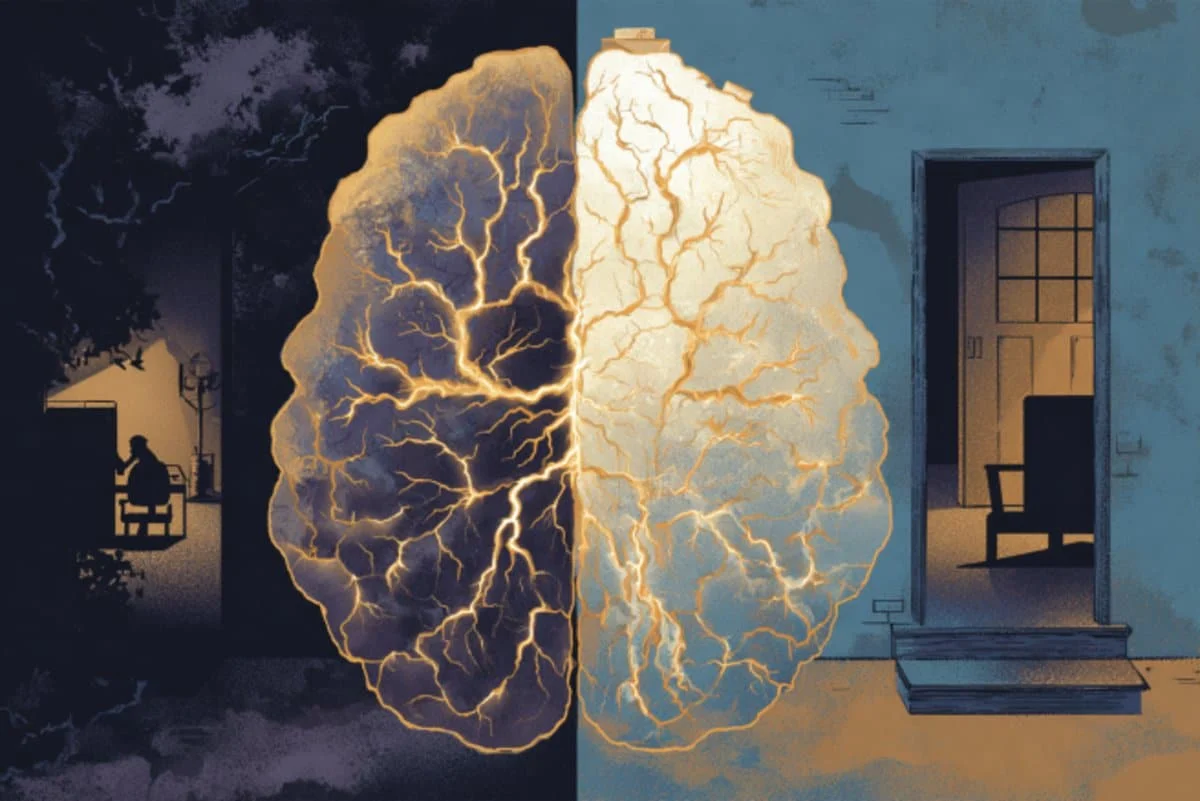
Engaging in creative activities like dancing, music, art, or playing strategy video games is linked to a younger-looking brain and slower brain aging, with long-term practice providing stronger benefits. Even short-term creative training can improve brain aging markers, suggesting that regular creative engagement supports neural health and cognitive resilience.

health-and-wellness2 months ago

Meditation Retreats Induce Rapid Brain and Body Transformations

A week-long meditation retreat combining various mind-body techniques led to significant rapid changes in brain activity, immune response, metabolism, and gene expression, demonstrating how consciousness-based practices can positively influence physical health and neuroplasticity, with effects similar to psychedelics, though further clinical research is needed.

science4 months ago

New Study Challenges Long-Held Beliefs About Phantom Limbs and Brain Maps

A recent study published in Nature Neuroscience challenges the long-held belief that the brain's body map reorganizes after limb amputation. Instead, the research shows that the brain's representation of the missing limb remains stable for years, which has significant implications for understanding phantom limb sensations and developing prosthetic technologies. The findings suggest that therapies targeting brain map reorganization may be ineffective, and future approaches should focus on nerve signaling and brain-computer interfaces.

science4 months ago

New Research Challenges Long-Held Beliefs About Phantom Limbs and Brain Maps

A new study published in Nature Neuroscience challenges the long-held belief that the brain's body map reorganizes itself after limb amputation. Researchers found that the brain's representation of the missing limb remains stable even years after amputation, which has implications for understanding phantom limb sensations and developing prosthetic technologies. The findings suggest that therapies targeting brain map reorganization may be ineffective, and future approaches should focus on nerve signaling and brain-computer interfaces.