Tag

Echolocation

All articles tagged with #echolocation

Brain Can Learn Echolocation in 10 Weeks, New Study Finds
science2 days ago

Brain Can Learn Echolocation in 10 Weeks, New Study Finds

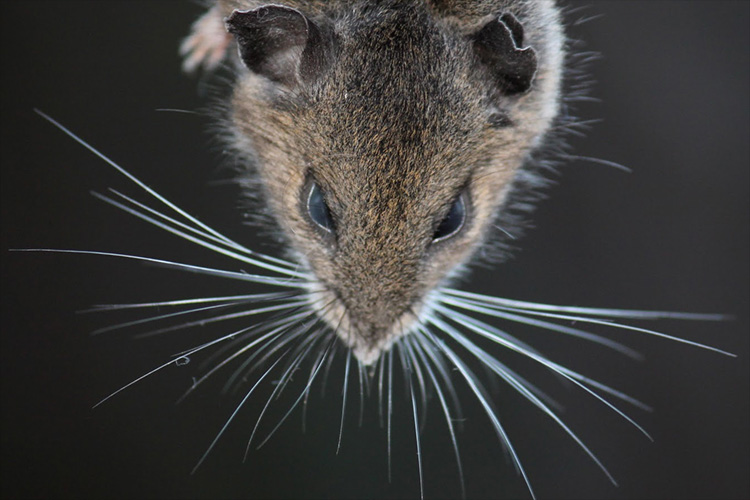
A 10‑week program trained 12 blind and 14 sighted adults in echolocation techniques, with neuroimaging showing increased activity in the primary visual and auditory cortices. The study demonstrates that the adult brain can rewire to interpret echoes for spatial awareness, with experts achieving centimeter‑level precision, suggesting echolocation training could become a mainstream tool for vision impairment.
Scientists Uncover Secrets of Ancient Dolphin Skull
science1 year ago

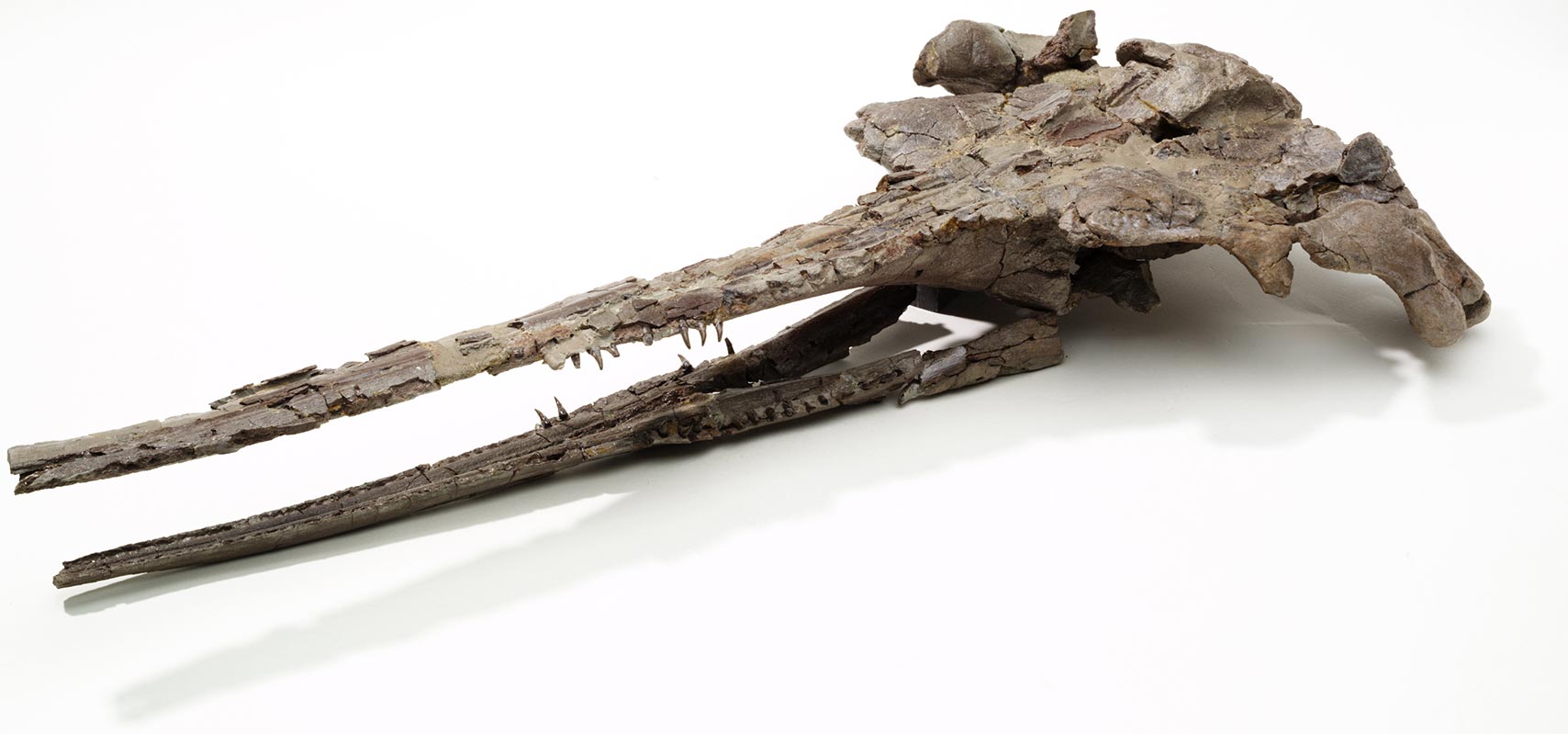
Scientists Uncover Secrets of Ancient Dolphin Skull

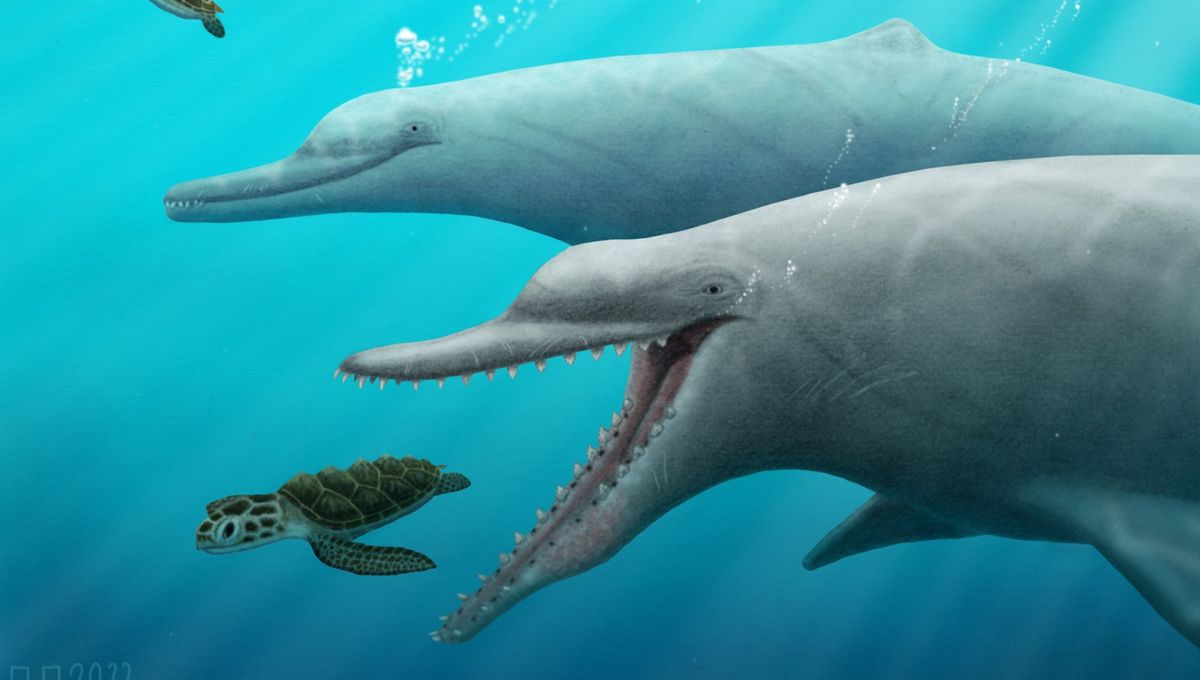
Researchers have discovered a new prehistoric dolphin species, Romaleodelphis pollerspoecki, from 22 million years ago in present-day Austria. This species, identified from a fossil skull, shows early evidence of echolocation abilities similar to modern dolphins. The discovery provides insights into the evolution of toothed whales and their auditory capabilities. The study, published in the Journal of Vertebrate Paleontology, highlights the dolphin's advanced hearing, which may have aided in communication and predator evasion.

Israeli Scientists Uncover New Insights into Bats' Echolocation
science1 year ago

Israeli Scientists Uncover New Insights into Bats' Echolocation

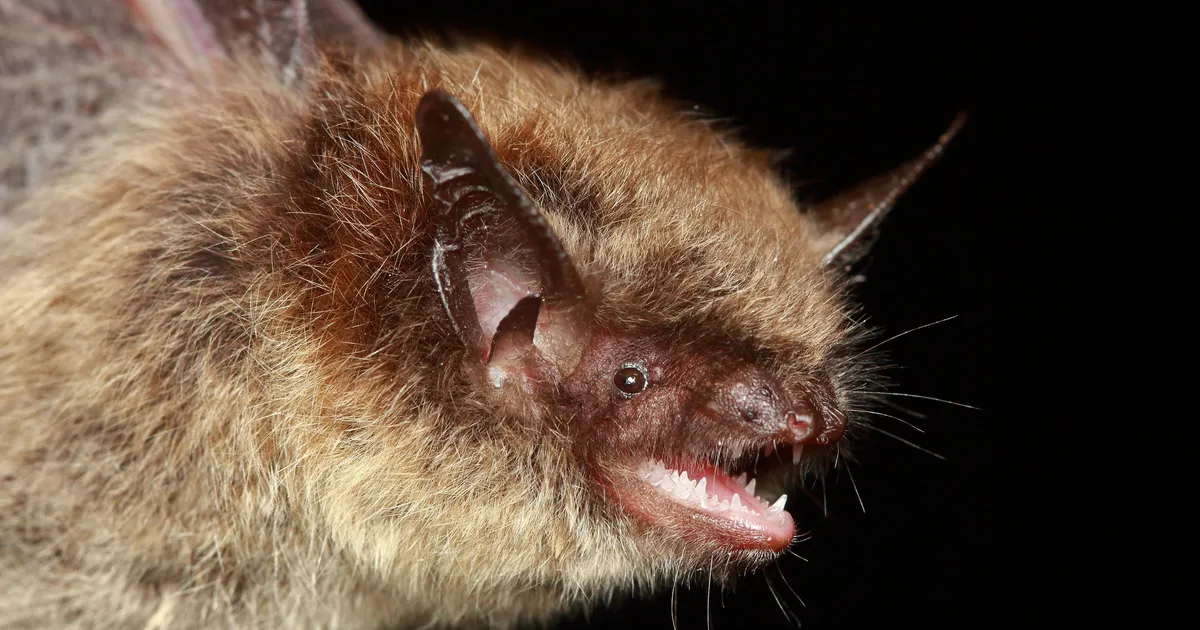
Israeli scientists at Tel Aviv University have discovered that Kuhl's pipistrelle microbats can navigate long distances using echolocation to create acoustic maps, even when blindfolded. This challenges the previous assumption that bats' sonar skills were limited to short-distance hunting. The study involved blindfolding the bats and isolating them from other sensory inputs, demonstrating their ability to find their way home using sonar-based navigation.

Dolphin-Cam: US Navy's Underwater Adventure Revealed
science1 year ago

Dolphin-Cam: US Navy's Underwater Adventure Revealed

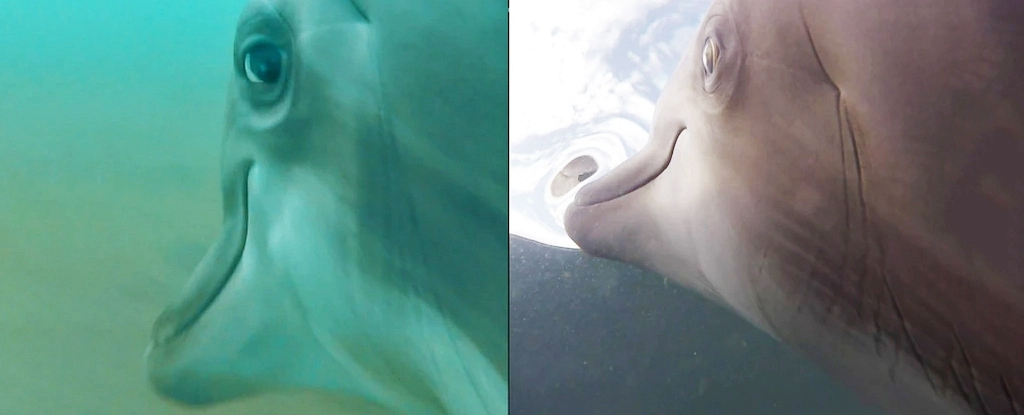
The US Navy conducted a study by attaching cameras to dolphins, revealing fascinating insights into their hunting strategies and communication. The footage showed dolphins using echolocation and vision to hunt various fish and even venomous sea snakes, employing techniques like suction feeding. This research, published in PLOS ONE, provides a deeper understanding of dolphin behavior and highlights the innovative work of the late Sam Ridgway, who contributed significantly to marine mammal science.

Unveiling the Ancient Origins of Echolocation in Whales and Dolphins
science2 years ago

Unveiling the Ancient Origins of Echolocation in Whales and Dolphins

A study on Xenorophus, an extinct whale ancestor, sheds light on the early evolution of echolocation in toothed whales and dolphins. Researchers analyzed fossils from the Xenorophidae family and found similarities in the structures of their jaws and blowholes to modern echolocating whales and dolphins. The study suggests that Xenorophus represents a key transition point in the evolution of echolocation, despite having less pronounced asymmetry near the blowhole. The researchers emphasize the importance of investigating asymmetry in fossils and its role in adapting to different environments.

Unraveling the Origins of Echolocation in Whales and Dolphins
science2 years ago

Unraveling the Origins of Echolocation in Whales and Dolphins

A study analyzing fossils of ancient dolphins provides new insights into the evolution of echolocation in toothed whales and dolphins. The research suggests that a species called Xenorophus, which lived 25-30 million years ago, had asymmetry around the blowhole and a distinct twisting and shifting of the snout, enhancing its directional hearing abilities. This bending of the snout and tilting of fat bodies in the lower jaws may have been similar to the asymmetrical ears of owls, allowing Xenorophus to determine the location of sounds. The findings highlight the importance of asymmetry in understanding how whales and dolphins evolved their echolocation abilities.

Paleontologists uncover oldest-ever bat skeletons, revealing a "weird" tale.
science2 years ago

Paleontologists uncover oldest-ever bat skeletons, revealing a "weird" tale.

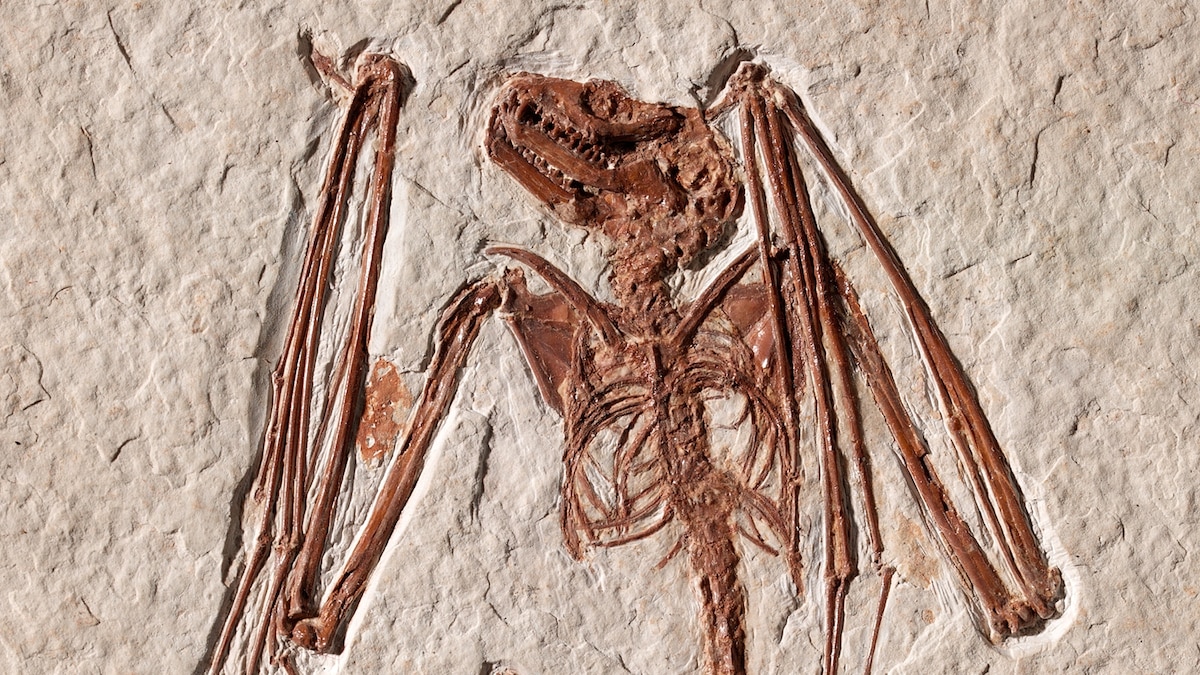
The oldest bat skeletons in the world have been identified as a new species, Icaronycteris gunnelli, shedding light on the origins of these flying mammals and raising questions about how they developed the ability to echolocate. The skeletons were recovered from an ancient lakebed in southwestern Wyoming, a site that preserves an entire subtropical lake ecosystem and surrounding forest from about 52 million years ago. The small bat probably lived in the trees surrounding the lake, flying over the water to hunt insects.