Neuroscientists have identified the stress-related protein SGK1 as a key factor in depression and suicidal behavior linked to childhood trauma, opening avenues for targeted antidepressant treatments that could be more effective for those with early adversity histories.
A new analysis of the PANDA trial shows that sertraline, a common antidepressant, can improve core emotional symptoms of depression and anxiety within two weeks, with physical side effects stabilizing after six weeks, offering a more nuanced understanding of its effects on individual symptoms.
The FDA has recalled over 233,000 bottles of duloxetine, an antidepressant, due to the presence of nitrosamine impurities, which may increase cancer risk if consumed above acceptable levels over long periods. The recall, classified as Class II, indicates potential temporary or medically reversible health consequences. Rising Pharmaceuticals issued the voluntary recall, and patients are advised to consult healthcare professionals for alternative treatments.
The FDA has issued a recall for the antidepressant duloxetine due to potential cancer risks. Patients using this medication are advised to consult their healthcare providers for alternative treatments and to discuss any concerns regarding their current prescriptions.
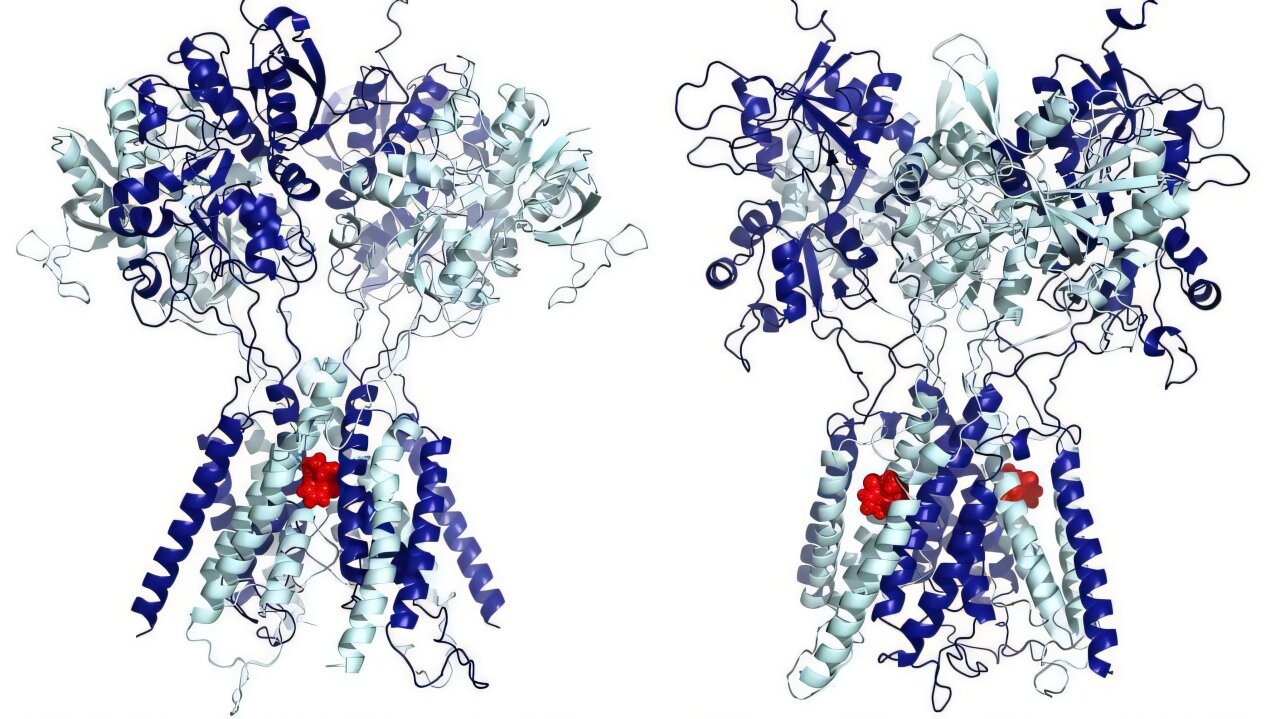
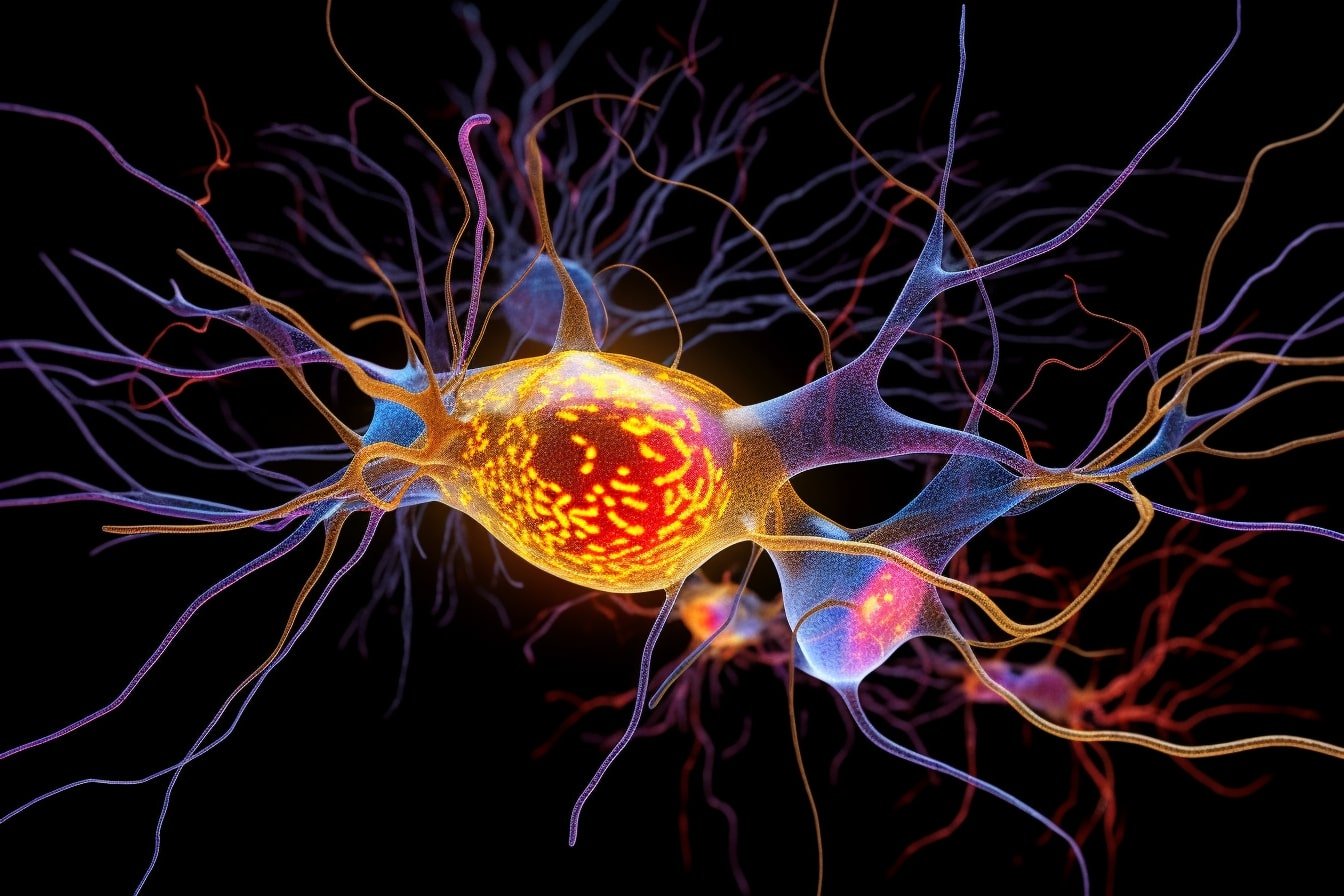
University at Buffalo neuroscientists have discovered how low-dose ketamine alleviates major depression symptoms by selectively binding to lateral sites on NMDA receptors, enhancing excitatory transmission and promoting synapse formation. This mechanism explains ketamine's rapid and lasting antidepressant effects, distinguishing it from its anesthetic action at higher doses. The findings could lead to the development of ketamine-like drugs with fewer side effects.
Researchers at Northwestern University have uncovered the dual mechanisms behind ketamine's rapid and sustained antidepressant effects, shedding light on its potential for developing safer antidepressant medications. The study, published in Cellular and Molecular Life Sciences, revealed that ketamine's immediate effects are due to its stimulation of newly born neurons' activity, while its prolonged effects result from increased production of newborn neurons. This increase is facilitated by decreased Bone Morphogenetic Protein (BMP) signaling, offering insights into potential combination therapies with conventional antidepressants.
The FDA is warning consumers against purchasing or using tianeptine products due to severe risks, including death, and lawmakers are calling for immediate action. Tianeptine, an antidepressant prescribed in other countries, is not approved for use in the US and is often sold illegally as a dietary supplement, posing serious health risks such as agitation, drowsiness, and even death. Lawmakers have urged the FDA to take action, and a company has voluntarily recalled its tianeptine products. The substance has been linked to numerous adverse events and deaths, and its availability in gas stations and convenience stores poses a significant risk, especially amid the ongoing opioid epidemic.
A new study from China suggests that the antidepressant ansofaxine hydrochloride, already approved for treating major depressive disorder, may also enhance the body's ability to fight certain types of cancer when combined with anti-tumor drugs. In experiments with mice, the drug showed promise in inhibiting colon cancer cell growth, strengthening the immune system, and inducing programmed cell death. While the results are promising, further research is needed to determine its effectiveness in human cancer treatment. Other antidepressants like fluoxetine and sertraline have also shown potential in combination with anti-cancer drugs, but more rigorous studies are required to confirm their efficacy.
A recent study from Northwestern University suggests that sleep deprivation may have mood-boosting and antidepressant effects due to increased dopamine release and rewiring of the brain. Sleep loss temporarily increases sexual arousal and aggression, but the most surprising finding was the long-lasting antidepressant effect. However, doctors caution that the short-term benefits of sleep deprivation are outweighed by the long-term negative effects on health, including disruption of the circadian rhythm and increased stress hormones. While brief sleep loss may have an antidepressant effect, it is not advisable over an extended period.
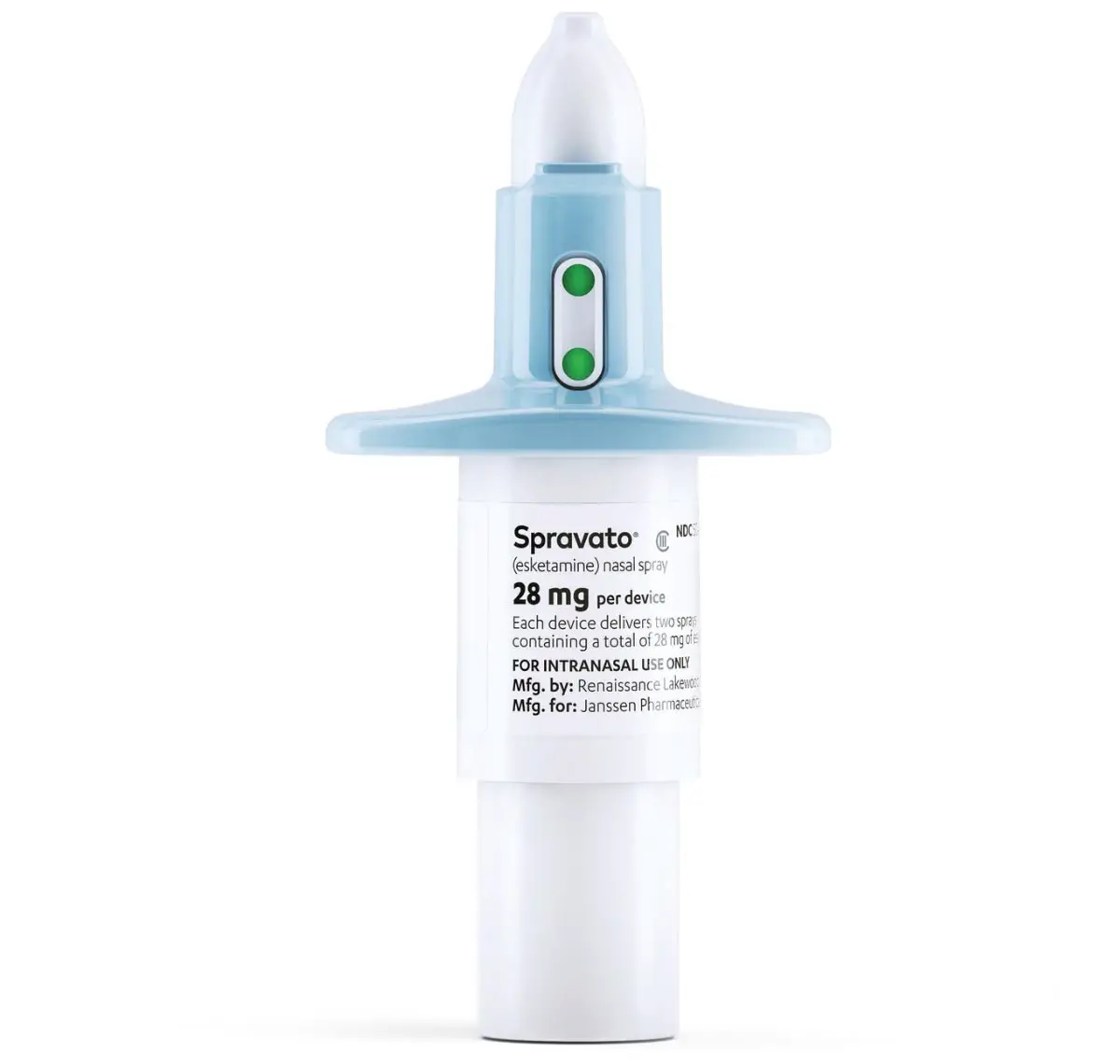
Esketamine nasal spray has shown promising results in a major clinical trial, outperforming standard treatments for treatment-resistant depression (TRD). In the study, 28% of patients achieved remission in eight weeks with esketamine, compared to 18% with quetiapine. The long-term data also revealed that esketamine was more effective in sustaining remission without relapse. While esketamine has been approved by regulatory agencies, access to evidence-based treatments for TRD remains limited in many countries. Further research is needed to identify predictive markers for treatment responsiveness and explore ways to improve and sustain remission rates. Advocacy and governmental action are crucial to ensure patients have access to effective treatment options.
Researchers from the Tokyo University of Science and the University of Tsukuba have discovered the potential of KNT-127, a delta opioid receptor (DOP) agonist, as a new treatment for depression. In a mouse model, KNT-127 demonstrated both anti-stress and antidepressant effects with minimal side effects. The study showed that KNT-127 reduced inflammation and newborn neuronal death in the hippocampus, offering a faster-acting and more effective treatment option for depression compared to conventional antidepressants. Further research is needed to fully understand the mechanism of action of KNT-127 and its potential as a clinical treatment for depression.
This week's top neuroscience news includes a study on the influence of beliefs on tactile perception, a correlation between gut health and Alzheimer's disease, a discussion on the legal status of human brain organoids, a new antidepressant with fewer side effects, and the profound impact of exercise on brain health. These breakthroughs highlight the top-down influences of beliefs on perception, the interconnectedness of overall health, the need for a legal framework for brain organoid research, a potential new treatment option for depression, and the potent elixir of exercise for brain health and cognitive function.
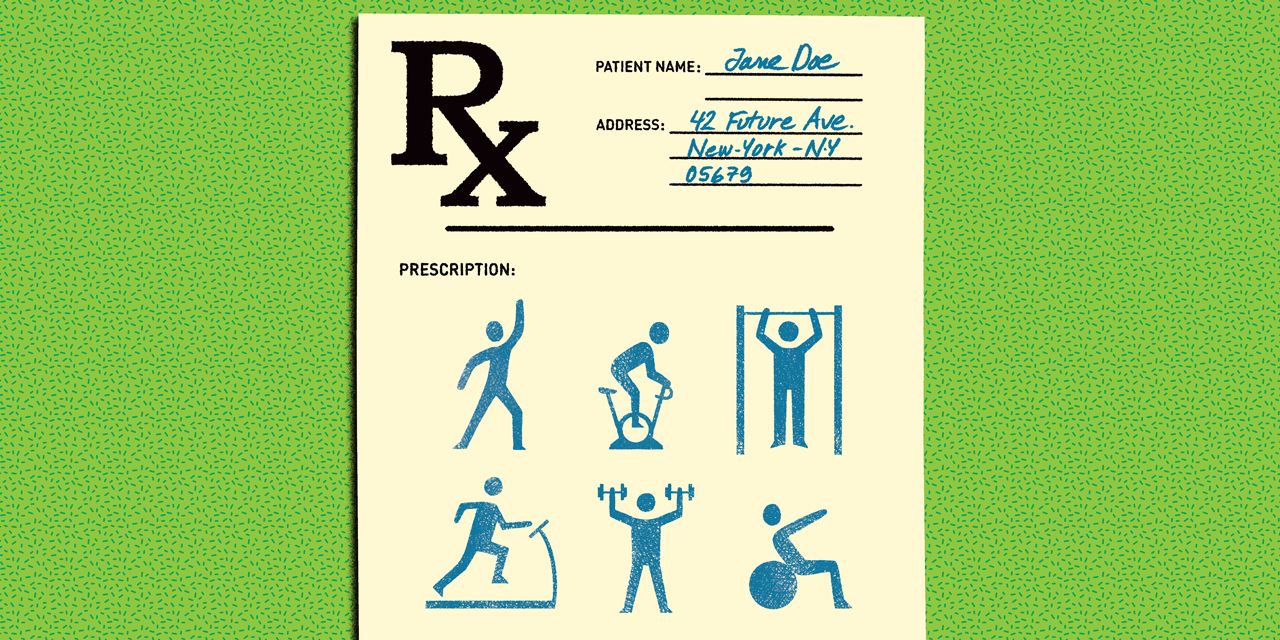
Exercise has been found to be an effective treatment for depression, with some studies suggesting it can be as effective as medication or therapy. Regular physical activity can help improve mood, reduce stress and anxiety, and boost self-esteem. Experts recommend at least 30 minutes of moderate exercise per day for optimal mental health benefits.