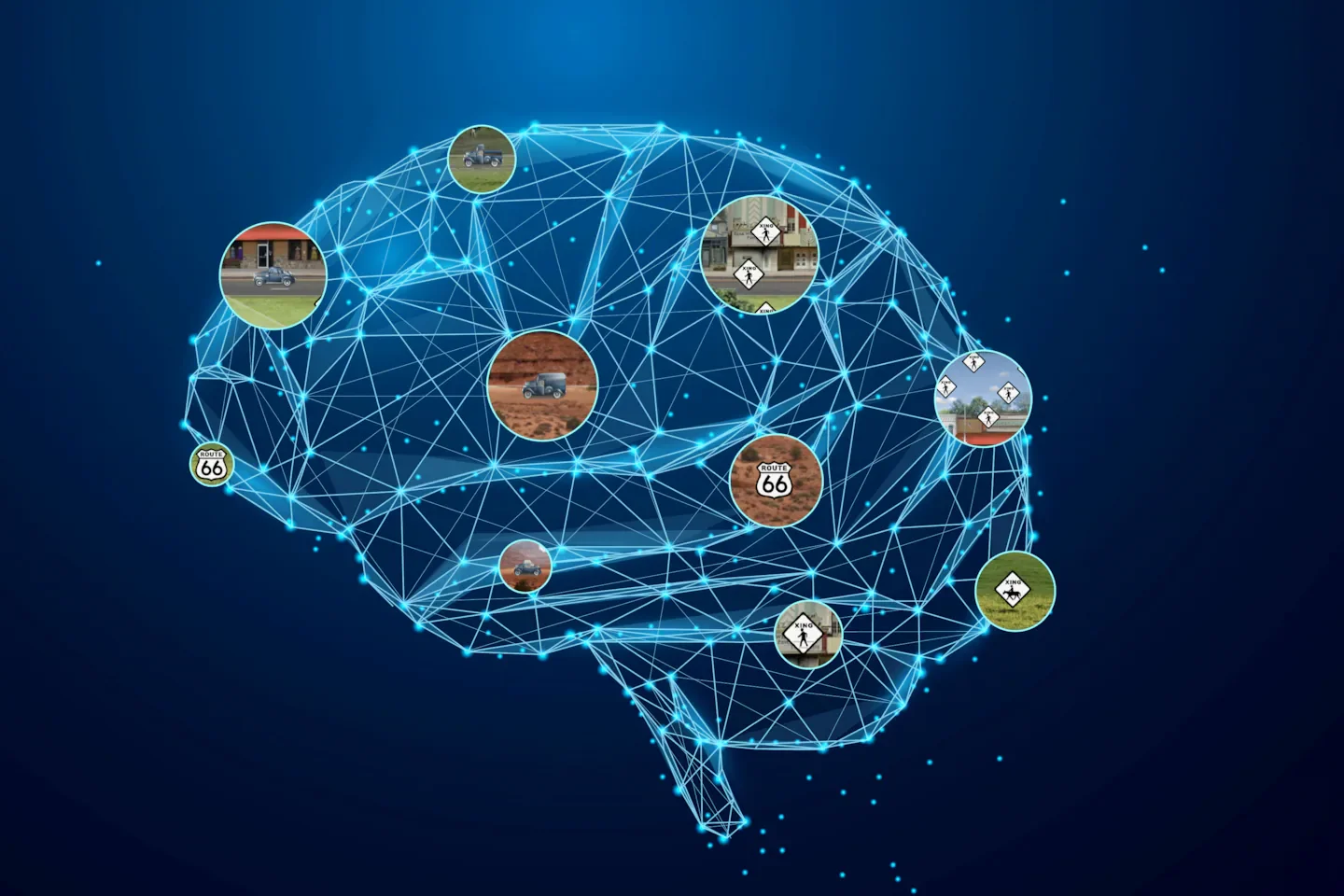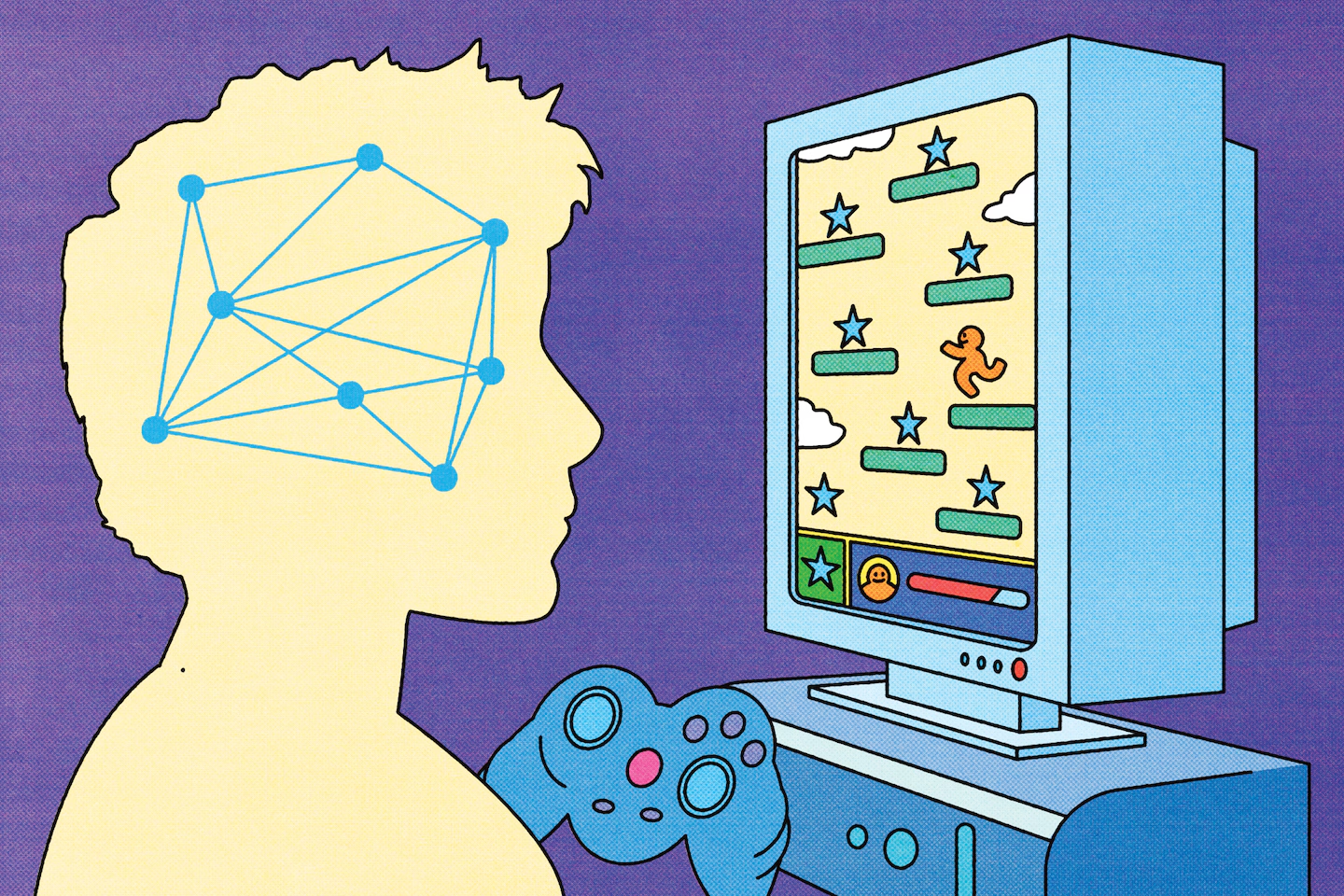
Playing video games can enhance cognitive skills by practicing complex tasks in simulated environments, offering benefits beyond traditional simple brain games.
A recent study suggests that a ten-week online brain training program using BrainHQ can make older adults' brains act as if they are a decade younger, by increasing activity in key brain regions, though the findings are preliminary and based on a small sample. The study highlights the potential of mental exercises to support brain health and delay cognitive decline, but emphasizes that longer-term and more inclusive research is needed to confirm these benefits.
A McGill University clinical trial found that 10 weeks of digital brain training with BrainHQ can restore brain chemistry in older adults to levels seen 10 years younger, potentially reducing dementia risk and improving memory without medication.
A study by McGill University found that using the BrainHQ app for 10 weeks can reverse a decade of decline in a key brain system related to attention and memory in older adults, showing promising but preliminary evidence of cognitive benefits.,
A McGill University-led clinical trial found that 10 weeks of online brain training with BrainHQ significantly improved memory and learning in older adults by restoring cholinergic function to levels typical of someone 10 years younger, suggesting a potential non-drug intervention for cognitive decline and dementia risk reduction.
A study shows that playing specific brain-training games for 30 minutes daily can increase acetylcholine levels in older adults, potentially offsetting up to a decade of cognitive decline caused by aging, unlike casual games like Candy Crush. The research highlights the importance of targeted mental exercises for brain health.
A study shows that a brain training program using BrainHQ can increase acetylcholine production in older adults, potentially helping to offset age-related cognitive decline, with exercises designed to challenge and adapt to the user's level.
Recent scientific insights suggest that manifesting, often seen as 'woo-woo,' can be understood as a form of mental training that leverages neuroplasticity, visualization, and focused intention to influence subconscious priorities and potentially bring about change, emphasizing disciplined practice over instant results.
An optical illusion challenges viewers to find a hidden polar bear in a snowy Arctic scene within 15 seconds, highlighting how our brains process visual cues and the fun of perception puzzles.
Science shows you can rewire your brain to enjoy exercise by using techniques like temptation bundling, reframing workouts as play, and tracking mood to reinforce positive feelings, making it easier to develop consistent exercise habits and enjoy the process.
The article offers ten small habits to help train your brain for greater peace and mental well-being, emphasizing simple daily practices to cultivate calmness and reduce stress.
The article outlines 10 simple habits to train your brain for greater happiness, emphasizing small daily practices that can improve mental wellbeing and overall life satisfaction.
The article discusses 10 effective brain exercises that can help enhance memory and overall cognitive function, emphasizing the importance of mental fitness for maintaining brain health.
A study led by UCL researchers found that brain training exercises for children do not significantly improve cognitive control, academic performance, or delay gratification, nor do they lead to changes in brain structure or function. The research suggests focusing on motivational factors rather than cognitive control training for better real-life outcomes.
Researchers at Drexel University have used neuroimaging technology to track flow state in people's brains in real time, finding that experienced individuals are able to enter flow state more often and intensely. The study involved jazz guitarists improvising while their brain activity was recorded, revealing increased activity in areas associated with music and decreased activity in areas linked to executive control during flow state. Lead researcher John Kounios recommends building expertise in a creative discipline and learning to withdraw conscious control to increase the likelihood of attaining flow state.