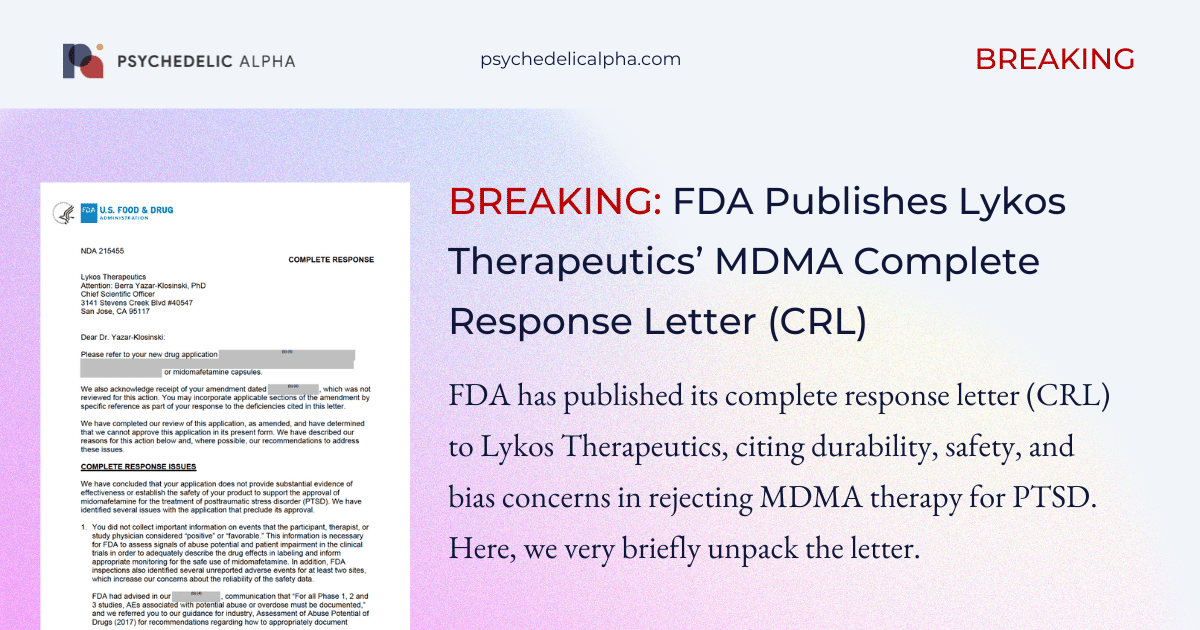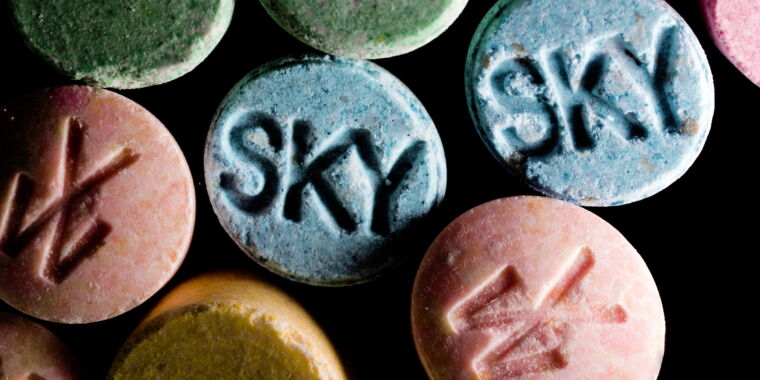
The FDA released a complete response letter to Lykos Therapeutics' MDMA for PTSD application, citing issues like unreported adverse events, lack of durability data, and high prior MDMA use among participants, and recommended conducting new clinical trials with specific focus areas.
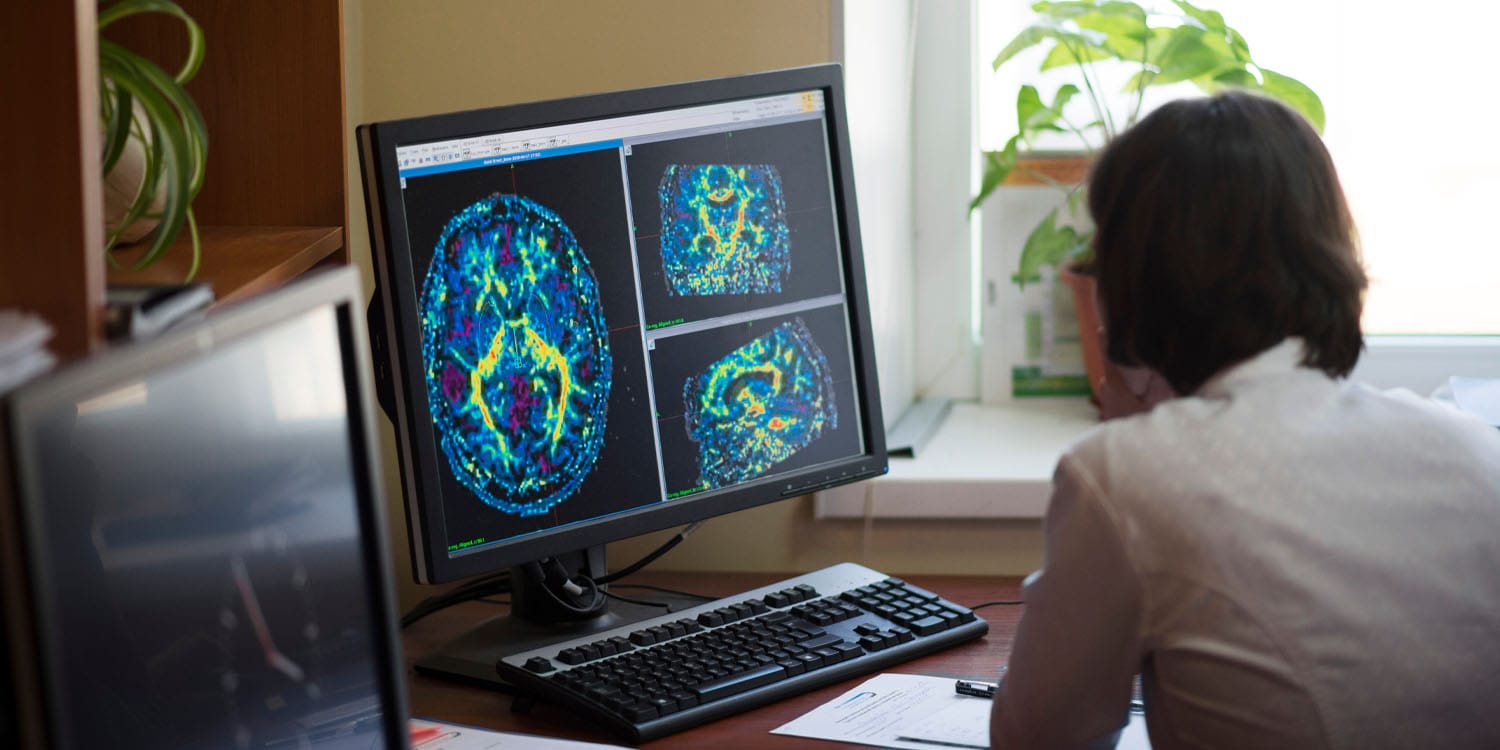
A study suggests brain imaging can identify individuals with trauma-related symptoms who are most likely to benefit from MDMA treatment, showing that those with heightened brain reactivity to threats experience significant neural and behavioral changes, paving the way for personalized psychiatry approaches.
A 41-year-old woman experienced significant relief from long COVID symptoms, including fatigue, depression, and headaches, after undergoing therapy with psychedelics MDMA and psilocybin. Despite the promising results, this single case study highlights the need for further research to confirm the safety and efficacy of psychedelic treatments for long COVID.
An FDA advisory panel voted 9-2 against approving MDMA for PTSD treatment, citing concerns over clinical trial methodology and therapist oversight, and 10-1 against the benefits outweighing the risks under the proposed REMS program.
An FDA advisory panel voted against the approval of MDMA for treating PTSD, citing unproven efficacy and safety concerns. Despite promising results from clinical trials, issues such as the inability to blind studies and potential biases led to the decision. The FDA will make a final decision in August.
FDA advisers voted overwhelmingly against approving MDMA for PTSD therapy due to significant flaws in clinical trials, including bias, missing data, and potential misconduct. Despite positive patient results, the trials' validity was questioned, and the FDA is still investigating possible data manipulation.
An FDA advisory panel has rejected the use of MDMA-assisted therapy for treating PTSD, citing concerns over study design, potential bias, cardiovascular risks, and the possibility of drug abuse. The panel's decision was influenced by issues such as participants' ability to guess if they received MDMA and a case of misconduct during the trials.
An FDA advisory committee has recommended against approving MDMA-assisted therapy for PTSD, citing insufficient evidence of its effectiveness and concerns over potential abuse and clinical trial misconduct. Despite promising results from Lykos Therapeutics' trials, the committee highlighted gaps in research data and the unregulated nature of the accompanying psychotherapy. The FDA will consider these recommendations in its final decision, which could significantly impact the future of psychedelic medicine.
FDA advisors are debating whether to recommend MDMA-assisted therapy for PTSD, highlighting concerns about clinical research shortcomings, potential abuse, and allegations of misconduct in trials. Despite positive findings from Lykos Therapeutics' studies, issues like "functional unblinding" and long-term data reliability are under scrutiny. The decision could mark a significant step for psychedelic treatments in mainstream healthcare.
An FDA advisory committee voted against approving MDMA therapy for PTSD, citing concerns over the integrity of clinical trial data and ethical issues. This decision, which the FDA is likely to follow, could delay the legalization of MDMA and other psychedelics for medical use. The committee's vote reflects skepticism about the current evidence supporting MDMA's efficacy and safety, despite promising trial results. The FDA's final decision is expected by August 11.
An FDA advisory panel is reviewing whether to approve MDMA, also known as Ecstasy, for treating PTSD. The panel will consider evidence from clinical trials submitted by Lykos Therapeutics to determine if the benefits of MDMA therapy outweigh the risks. This decision could impact millions of Americans suffering from PTSD, including military veterans.
The FDA’s Psychopharmacologic Drugs Advisory Committee is reviewing Lykos Therapeutics’ New Drug Application for MDMA-assisted therapy for PTSD. The meeting includes presentations from both the FDA and Lykos, public comments, and a vote on two questions that could influence the FDA's decision on August 11th. Key discussions involve the role of psychotherapy, trial misconduct, patient recruitment, and safety concerns. The meeting is being live-streamed on YouTube, with periodic updates provided by Psychedelic Alpha's Founder & Editor, Josh Hardman.
The FDA is reviewing clinical trial data to decide on approving MDMA for PTSD treatment, despite concerns about study validity. President Biden plans to issue an executive order to address high asylum seeker numbers at the southern U.S. border, potentially invoking a section of the Immigration and Nationality Act to restrict immigration. In India, initial election results suggest Prime Minister Narendra Modi may win a third term, though his party has not achieved the super majority promised.
The FDA has raised concerns about the health risks and study flaws in the use of MDMA, commonly known as Ecstasy, for treating PTSD. The agency's analysis highlighted issues such as bias in the studies and significant increases in blood pressure and pulse rates, which could lead to cardiovascular events. An independent advisory panel will review the application by Lykos Therapeutics for MDMA-assisted therapy next week. Approval of this treatment would represent a major shift in the regulation of psychedelic compounds.
A case study in Clinical Case Reports details a 41-year-old woman's significant recovery from Long-COVID symptoms using psilocybin and MDMA, suggesting potential therapeutic benefits of psychedelics for managing post-COVID conditions. Despite the promising results, the study emphasizes the need for more extensive research to confirm these findings.