Tag

Mind Body

All articles tagged with #mind body

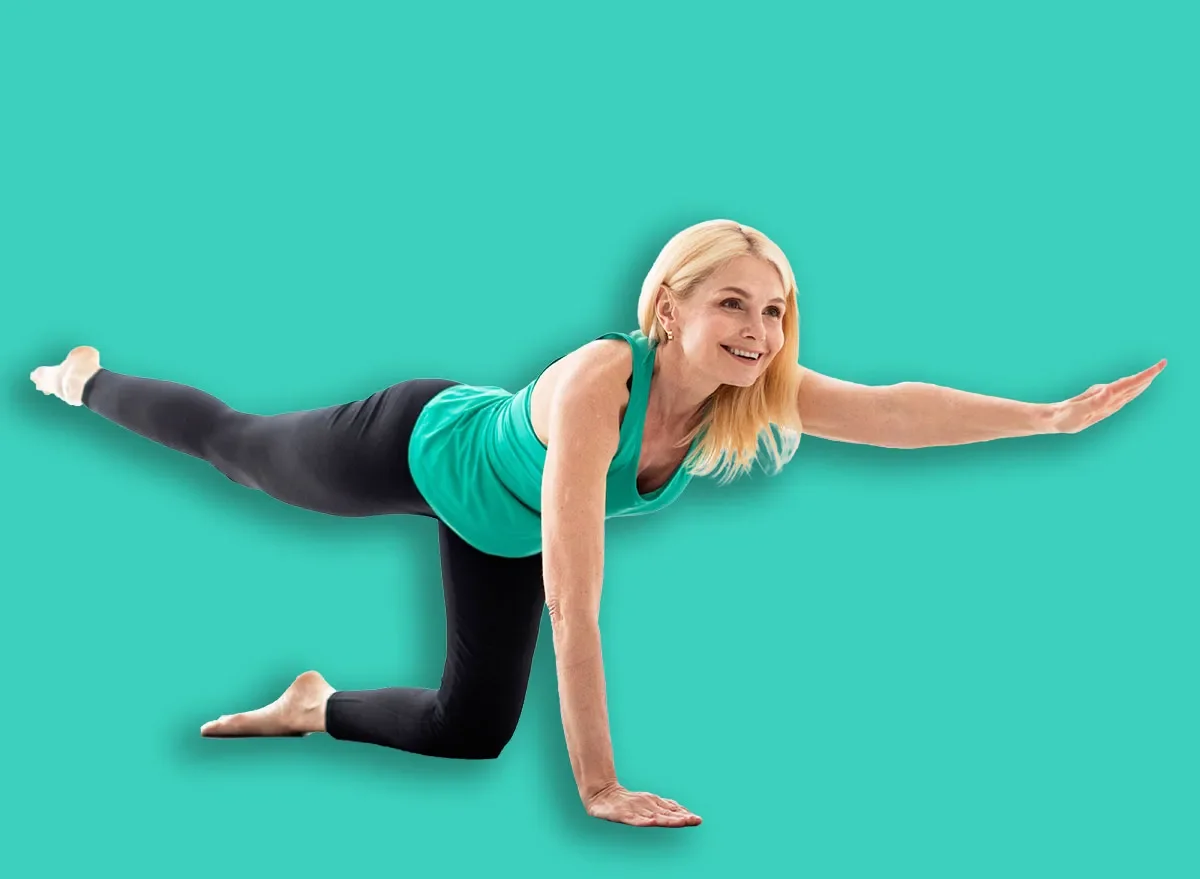
Sunrise Core: 4 Morning Moves to Flatten the Belly After 55
mind-body3 days ago

Sunrise Core: 4 Morning Moves to Flatten the Belly After 55

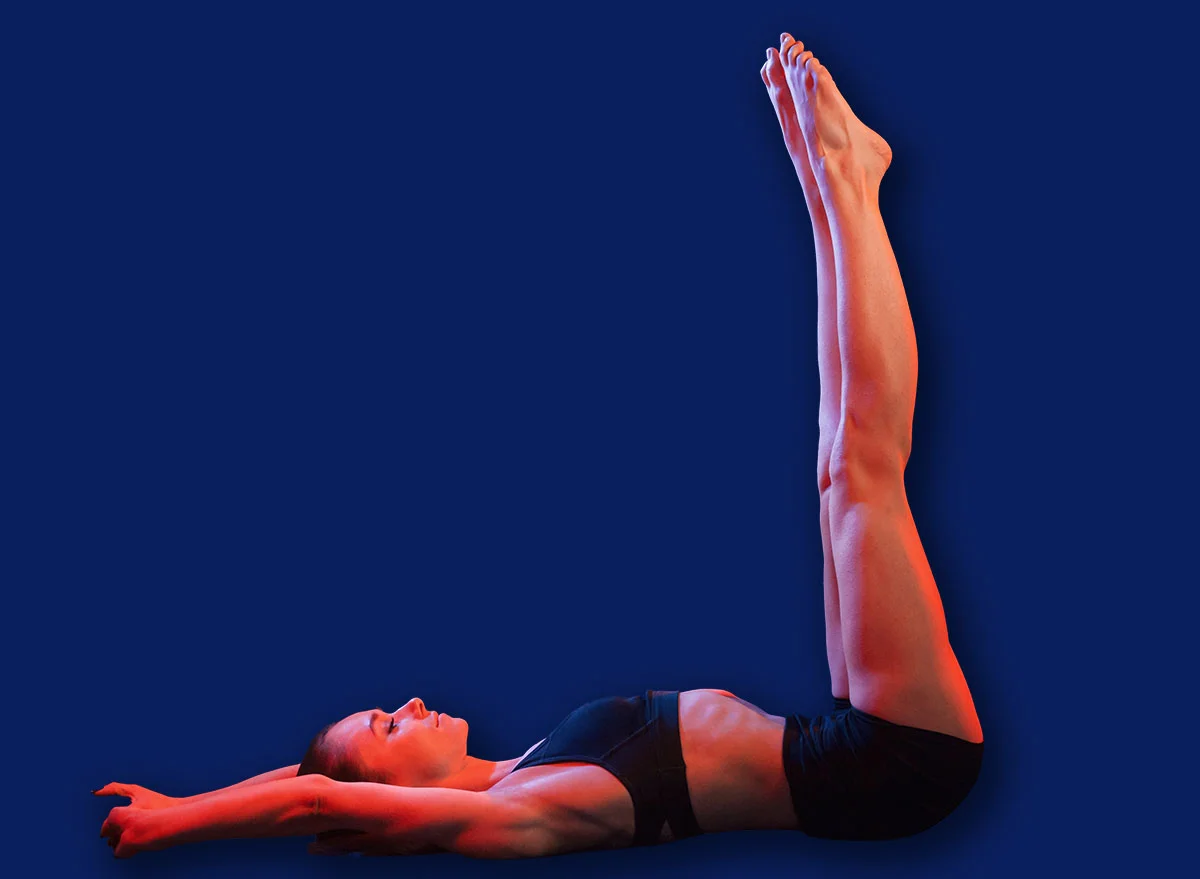
After 55, four morning exercises—glute bridges, dead bug, Bird Dog, and incline pushups—focus on building deep core stability (TVA), pelvic-floor strength, and proper posture to reduce lower belly projection. Avoid crunches that can increase abdominal pressure; perform 2–3 sets for each move (as prescribed) to establish a stronger, better-aligned core before chasing fat loss.
Eight-Minute Bodyweight Circuit to Rebuild Thigh Strength After 55
mind-body5 days ago

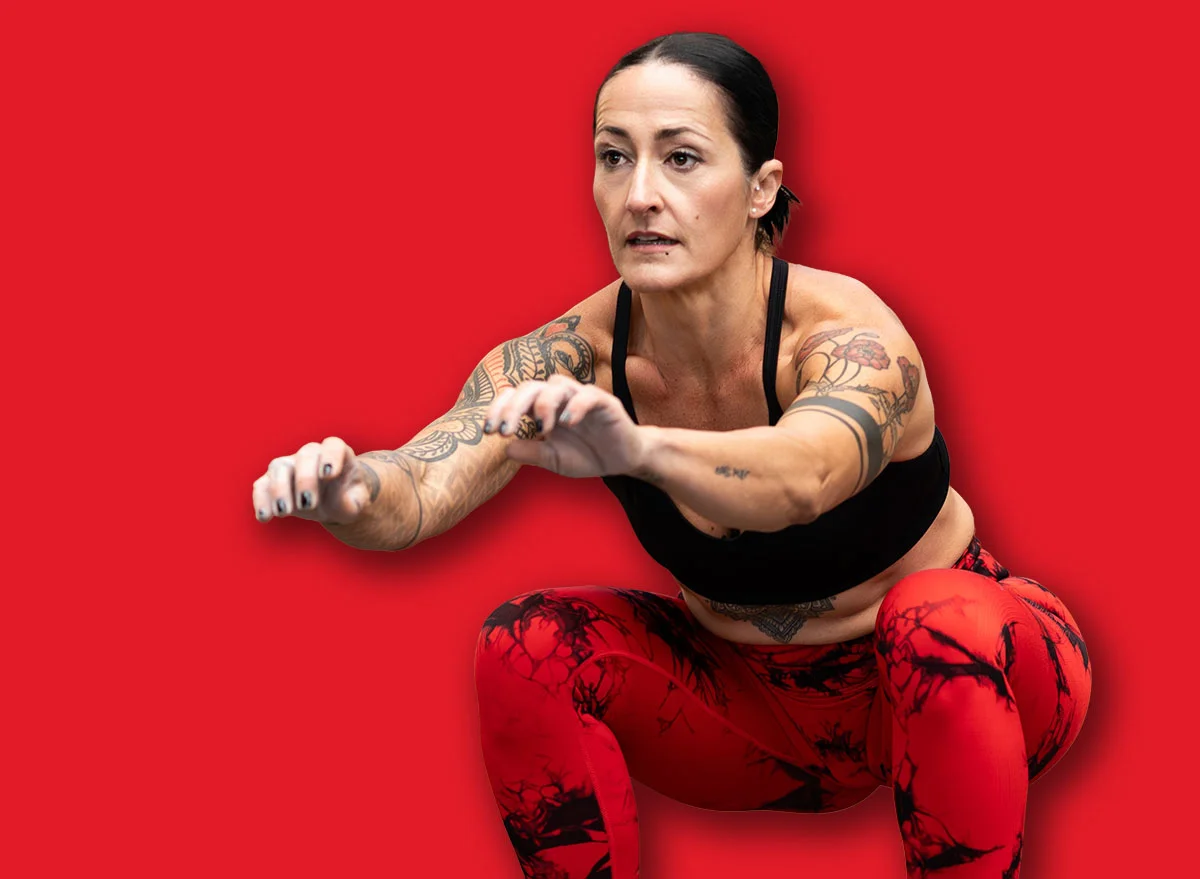
Eight-Minute Bodyweight Circuit to Rebuild Thigh Strength After 55

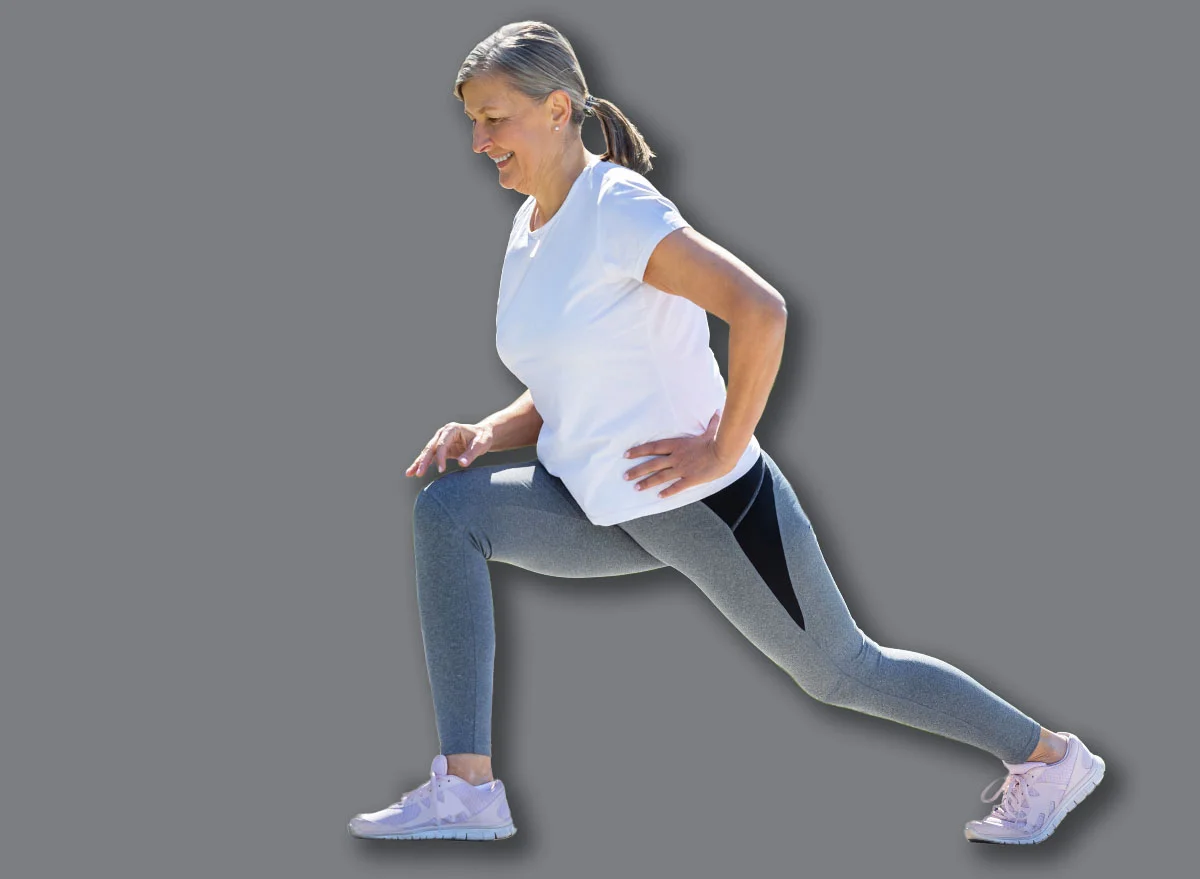
A trainer-endorsed, eight-minute routine uses only bodyweight to restore thigh strength and knee/hip stability for adults 55+, replacing the leg press with moves like box squats, bodyweight hip hinges, reverse lunges with a knee drive, a split-squat isometric hold, and squat pulses. Each move is performed for 60 seconds (or 10–15 reps per side) and repeated for two rounds to build balance, stability, and practical, real-life leg strength.

Five Daily Moves to Rebuild Upper-Body Strength After 50
mind-body10 days ago

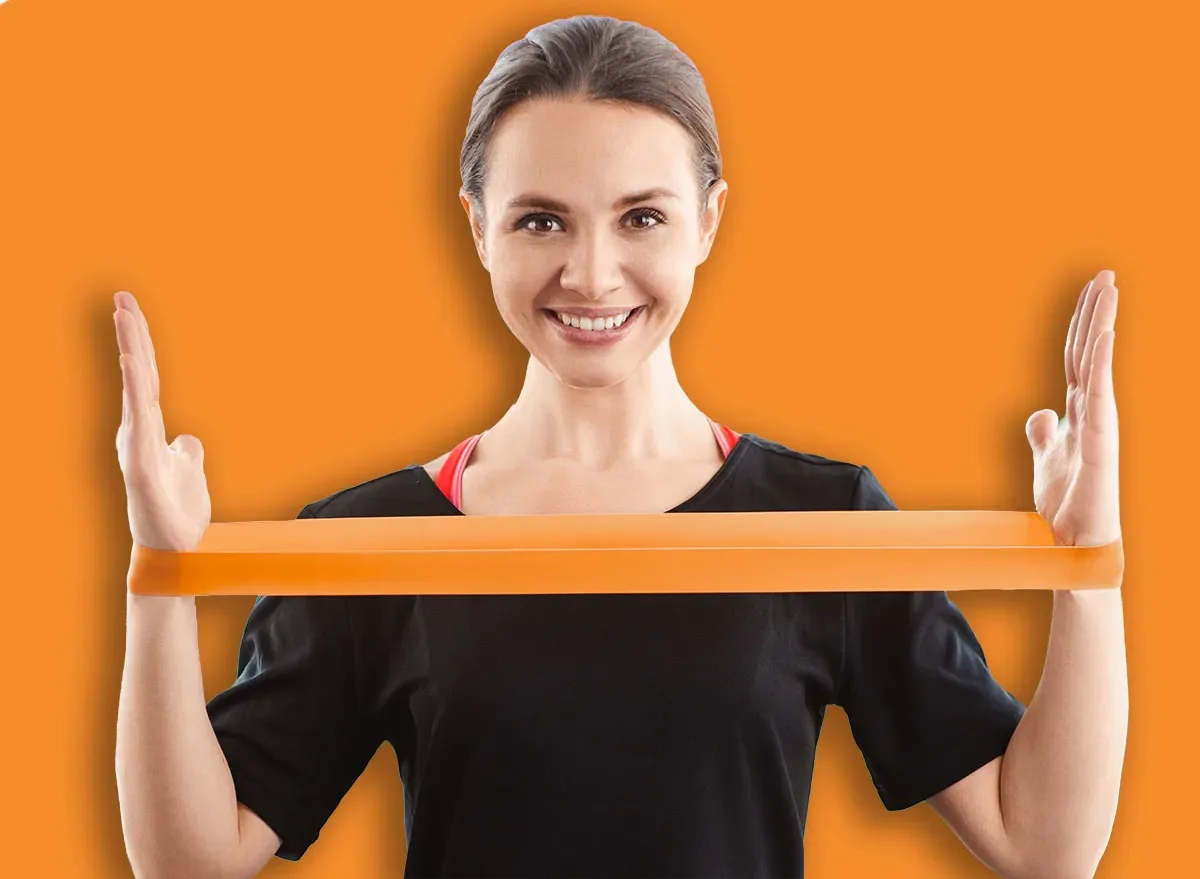
Five Daily Moves to Rebuild Upper-Body Strength After 50

An expert-backed guide lists five multi-muscle moves to rebuild upper-body strength after 50: incline pushups, standing band rows, standing overhead band presses, farmer’s carry, and band pull-aparts. Per Karen Ann Canham, these standing, band- and bodyweight-based exercises improve coordination, posture, and joint stability more effectively than machines, emphasizing quality movement and consistency over heavy loads. Follow the suggested sets/reps: 2–3 sets of 8–12 (or 10–15 for rows), 2–3 sets of 8–12 for presses, 3 rounds of 30–60 seconds for farmer’s carries, and 2–3 sets of 12–20 for pull-aparts.

Three Standing Tests to Gauge Balance After 50
mind-body20 days ago

Three Standing Tests to Gauge Balance After 50

Balance tends to decline after 50 due to joint stiffness, vision changes, and reduced muscle mass, but three standing drills offer a practical test and training plan: Single-Leg Stand (eyes open or closed), Staggered Stance Overhead Reach (unilateral load), and Heel-to-Toe Line Hold (tandem stance). Perform 3 sets of 20–30 seconds per leg for the single-leg test, 3 rounds of 20 seconds per side for the overhead-reach hold, and 3 rounds of 30 seconds per side for the tandem hold. These moves engage core, hips, and stabilizers to boost multi-system coordination and reduce fall risk.

Viral TikTok Trick: The Playful ‘Horse Breath’ That Calmly Revs Down the Nervous System
health22 days ago

Viral TikTok Trick: The Playful ‘Horse Breath’ That Calmly Revs Down the Nervous System

A viral TikTok method called the ‘horse breath’ uses a slow, lip-vibrating exhale to stimulate the vagus nerve, relax the jaw, and shift the body from fight-or-flight to a calmer state. Therapists say it’s a quick, playful reset that can interrupt anxious thoughts; to do it, inhale 3–4 seconds through the nose, exhale with relaxed lips and jaw while the lips vibrate for 5–8 seconds, keep shoulders and face loose, and repeat 3–6 times as needed (use after a long day or before a meeting).

Daily Moves to Rebuild Muscle After 55 Without Heavy Lifting
mind-body25 days ago

Daily Moves to Rebuild Muscle After 55 Without Heavy Lifting

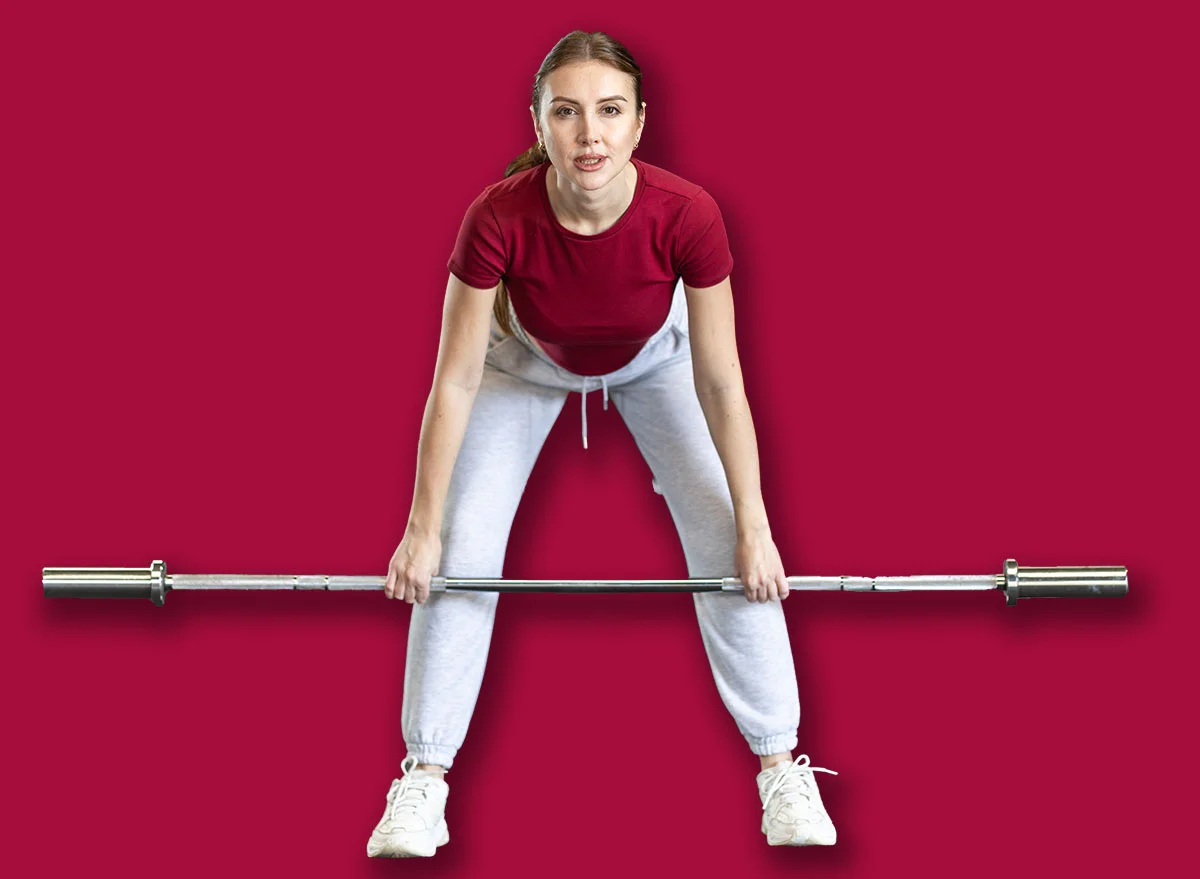
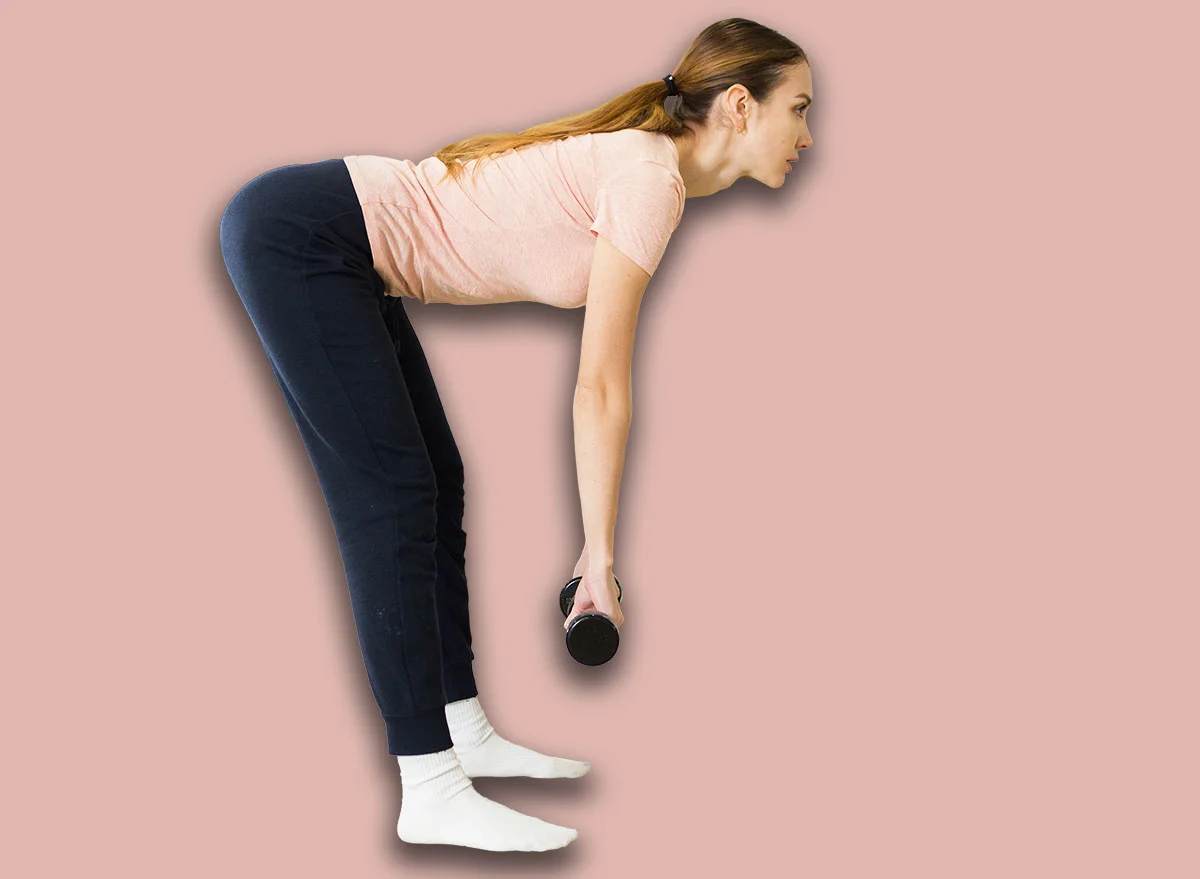
Six short, low‑intensity daily exercises—sit-to-stand, Romanian deadlift with dumbbells or body weight, wall push-ups, seated band row, calf raises, and Pilates bridges—can help adults 55+ rebuild muscle faster than heavy weight training when paired with adequate protein (20–40 g per meal), quality sleep, and inflammation management, delivered in 10–25 minute sessions to progressively load muscles and joints.

Start Your Day Strong: 6 Hip-Strengthening Moves for Those 55+
mind-body26 days ago

Start Your Day Strong: 6 Hip-Strengthening Moves for Those 55+

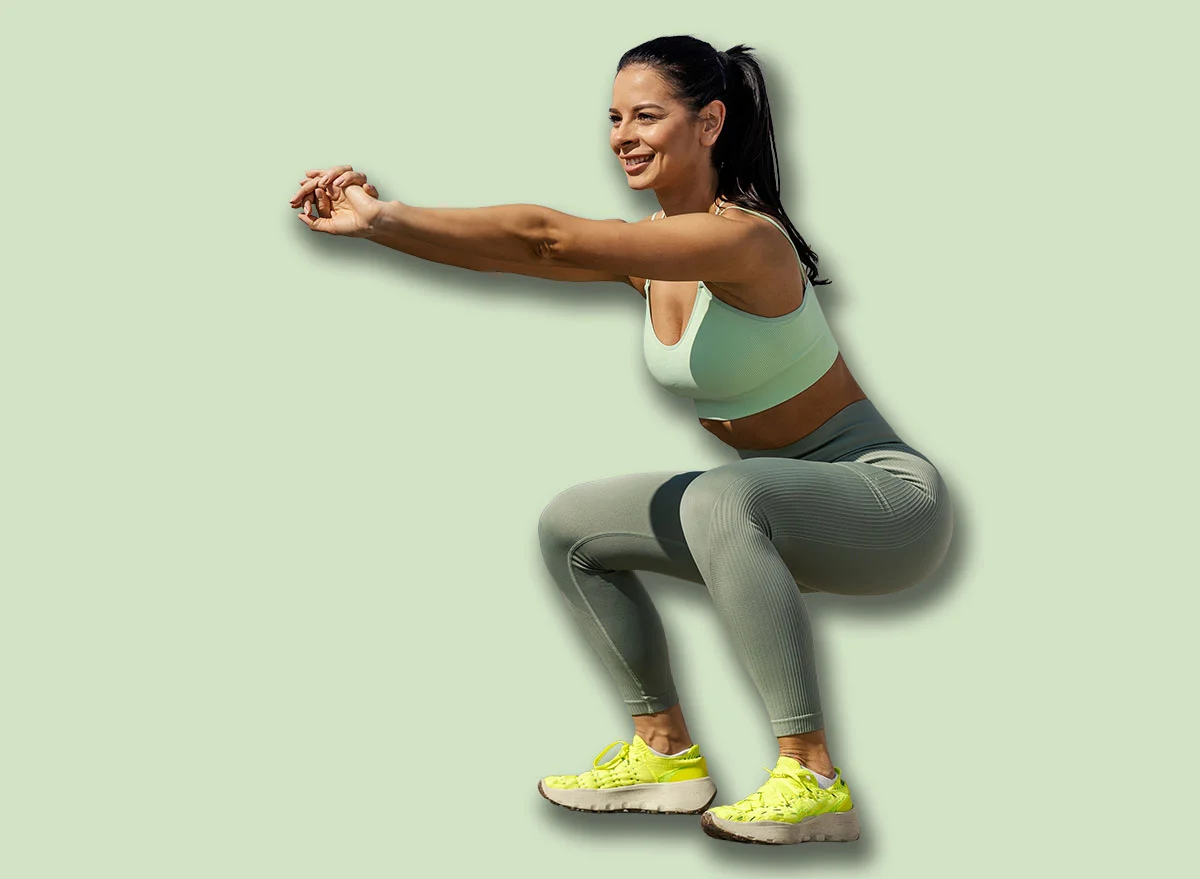
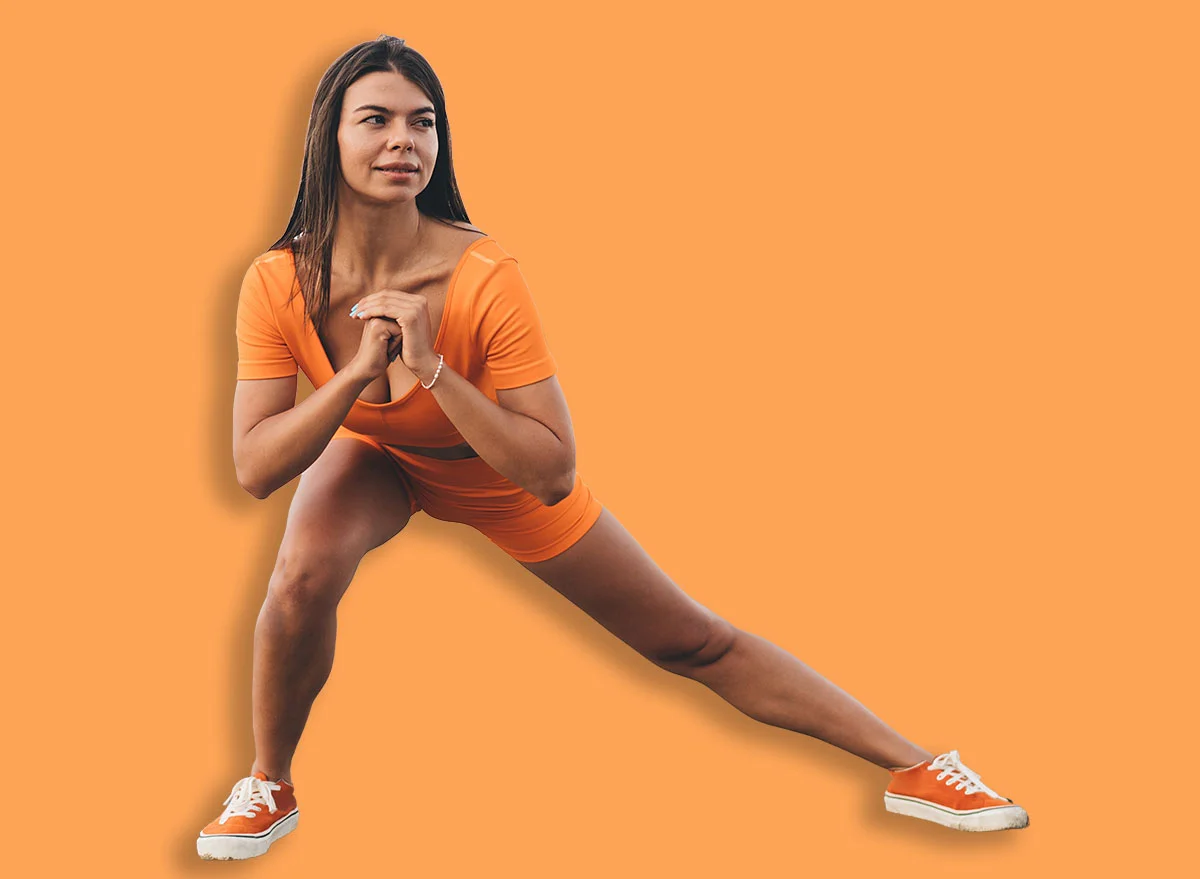
The article argues that floor stretches alone aren’t enough for hip health after 55 and offers six standing, weight‑bearing exercises to rebuild hip strength: hip hikes, standing pelvic tilt against a wall, squats (with optional weights), heel slides, lateral lunges, and sit‑to‑stands. Start with body weight and progress to resistance (dumbbells, bands) while aiming for 2–3 days per week of strength work to support bone health and joint function, all through upright movements that mirror daily tasks.

Three Quick Hip Mobility Tests After 55
mind-body27 days ago

Three Quick Hip Mobility Tests After 55

Hip mobility often declines after 55 due to a thicker joint capsule, shortened hip flexors, and reduced coordination, affecting daily tasks and balance. Fitness expert Michael Betts offers three quick tests—the Hip Hinge, the 90/90 Sit, and Single Leg Balance With Hip Movement—to gauge hip function. Completing all three smoothly signals good mobility and lower fall risk, while failing one or two highlights areas to work on. Practice these movements daily for about five minutes (3–5 reps per test); you can expect to notice improvements in as little as two weeks, with measurable progress by four to six weeks. If progress stalls after six weeks, seek professional guidance.

Six-Minute Morning Routine to Rebuild Muscle After 55
mind-body29 days ago

Six-Minute Morning Routine to Rebuild Muscle After 55

An expert-recommended six-minute, no-equipment morning routine for people 55 and up targets key muscle groups through three short moves: Sit-to-Stand Squats (40s), Incline Push-Ups (40s), and Reverse Lunges (40s), performed as a single circuit with 20 seconds of rest between moves. No weights are required (light dumbbells optional); complete one circuit or repeat for more volume. Warm up lightly, focus on full range of motion and steady tempo, and pair with protein after exercise. Consistency and gradual progression are emphasized to improve strength, balance, and daily independence.

Seven-Day Mind-Body Retreat Triggers Rapid Brain and Blood Shifts
science1 month ago

Seven-Day Mind-Body Retreat Triggers Rapid Brain and Blood Shifts

UC San Diego researchers report that a seven-day intensive mind-body retreat, combining meditation with reconceptualization and open-label placebo, produced rapid, multi-system brain and blood changes in 20 healthy adults—lowered default-mode activity, signs of enhanced neuroplasticity, metabolic shifts toward flexible energy use, increased endogenous opioids, and a balanced immune response—patterns that resemble psychedelic brain states and could inform non-drug approaches to pain and stress, though clinical trials are still needed.

Midlife Muscle Reset: 4 Daily Moves to Rebuild Strength Without Machines
mind-body1 month ago

Midlife Muscle Reset: 4 Daily Moves to Rebuild Strength Without Machines

The article argues that after age 55, short, daily, multi-joint strength work—performed without machines—can more effectively rebuild lost muscle than gym-based routines. It recommends two exercises per day (alternating A/B), for 10–20 minutes total, with progressive, controllable reps and a target RPE of 7–8. Sample moves include sit-to-stand squats, Romanian deadlifts, pushups, and farmer’s carries, emphasizing consistency, recovery, and improved motor coordination rather than heroic workouts.

Discover the Benefits of Yoga for Skeptics.
health-and-wellness2 years ago

Discover the Benefits of Yoga for Skeptics.

Yoga has become a popular mind-body practice in the United States due to its accessibility and numerous health benefits, including stress relief, improved sleep, and reduced back pain. Yoga is an intentional practice that requires focus from both the mind and the body, leading to greater mental health benefits than other forms of exercise. Beginners can start with hatha yoga, which involves holding postures while breathing in a controlled way, and can modify poses to accommodate physical limitations. Online classes are available for free, and people can explore different types of yoga to find what works best for them.