
Brain sculpting isn’t fantasy: adulthood can change its structure and function
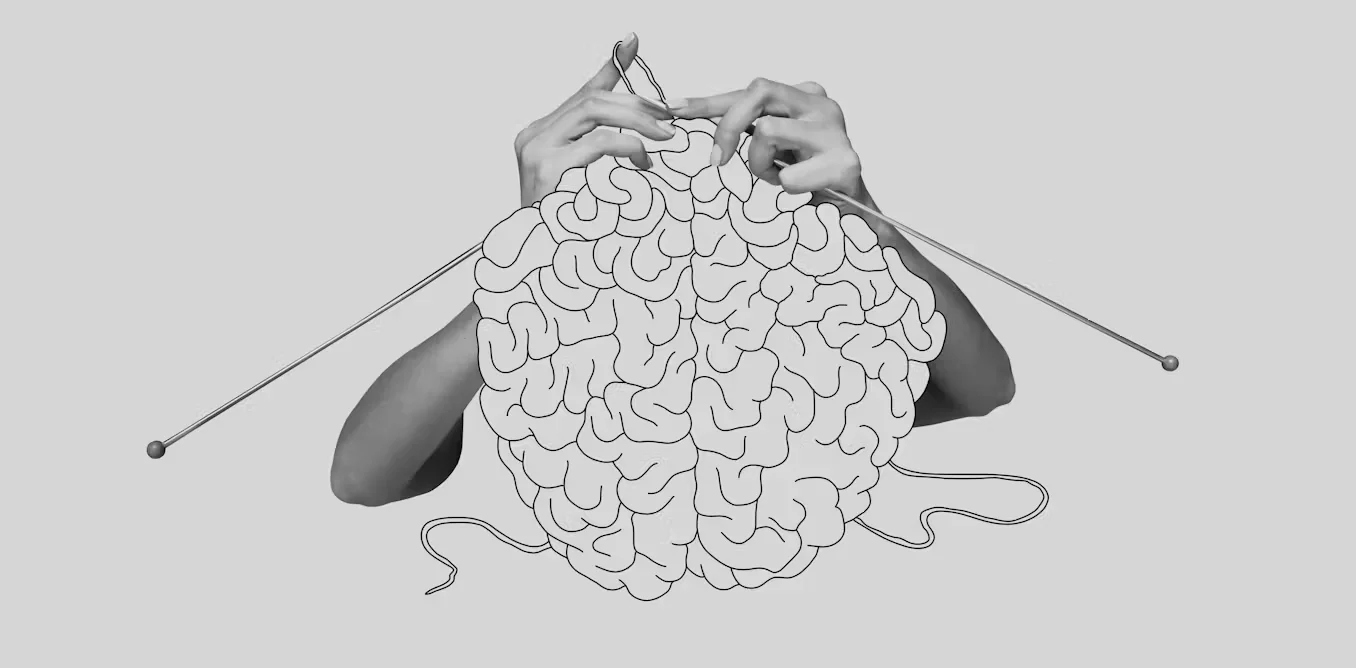
For much of the 20th century, scientists believed the adult brain was fixed, but neuroplasticity now shows the brain can change throughout life in response to experience—though changes are gradual and bounded. The article traces this shift from Hebb’s 1949 idea to modern imaging that reveals learning reshapes brain activity and connectivity, with the hippocampus showing limited adult neurogenesis. Change is strongest with effortful, meaningful engagement and is enhanced by practice, regular exercise (which raises BDNF) and sleep, while chronic stress can impair plasticity. Plasticity can be maladaptive, reinforcing harmful patterns like chronic pain or addiction, but therapies such as cognitive behavioral therapy and rehab can steer it toward recovery. The piece also debunks myths of rapid, limitless change, emphasizing that real brain remodeling comes from challenging, real-life activities like language learning, playing music, and complex social interaction.
Reading Insights
1
17
11 min
vs 13 min read
94%
2,414 → 138 words
Want the full story? Read the original article
Read on The Conversation