science-tech12.265 min read
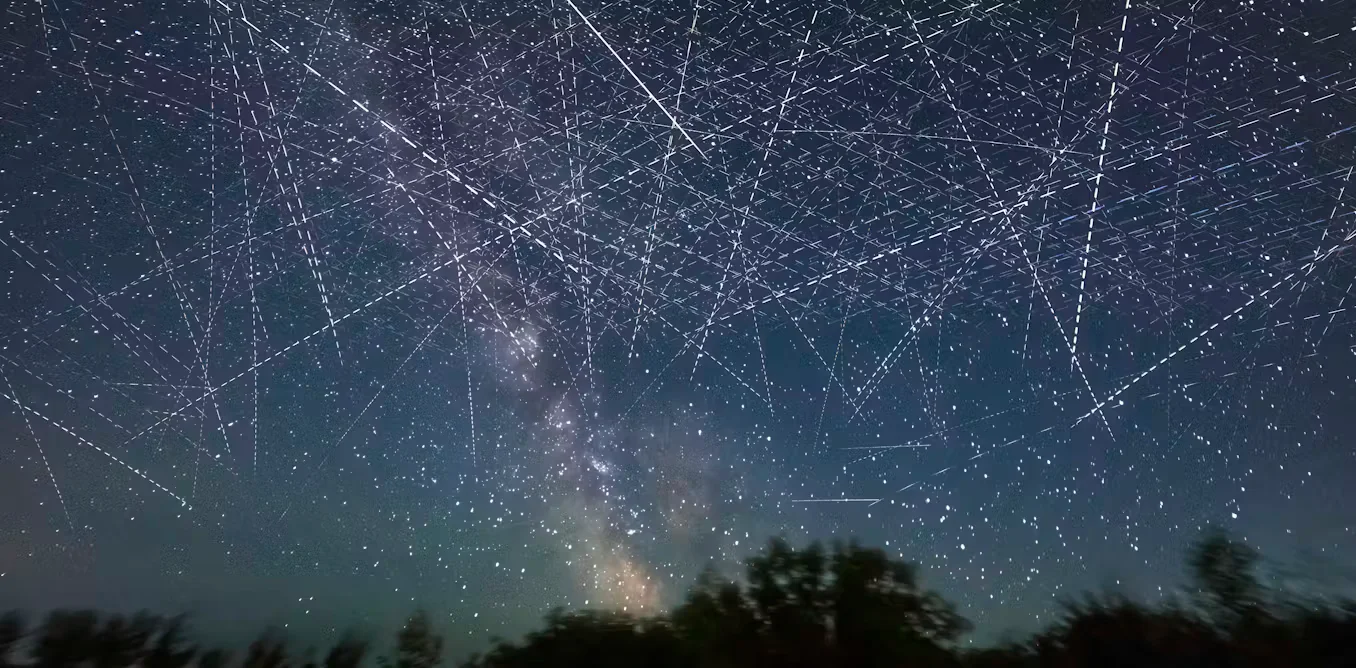
Megaconstellations Could Turn Earth's Atmosphere Into a Crematorium
3 days ago•Source: The Conversation

The latest science tech stories, summarized by AI
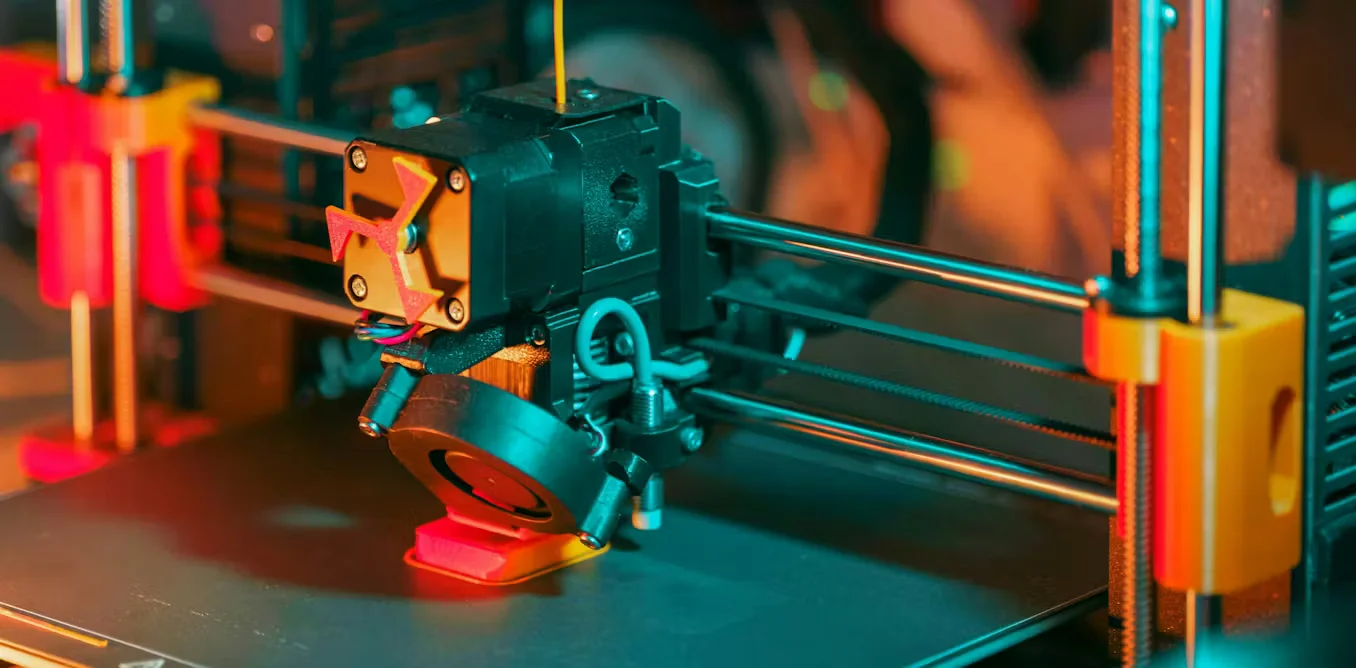
A Curtin University study published in Forensic Chemistry shows that infrared spectroscopy of 3D-printing filaments can distinguish many filament types and link seized ghost guns to their source, challenging the notion that ghost guns are truly untraceable; however, some filaments remain indistinguishable, and researchers plan to add more analytical techniques to strengthen traceability.
The Conversation•27 days ago
The Conversation•1 month ago
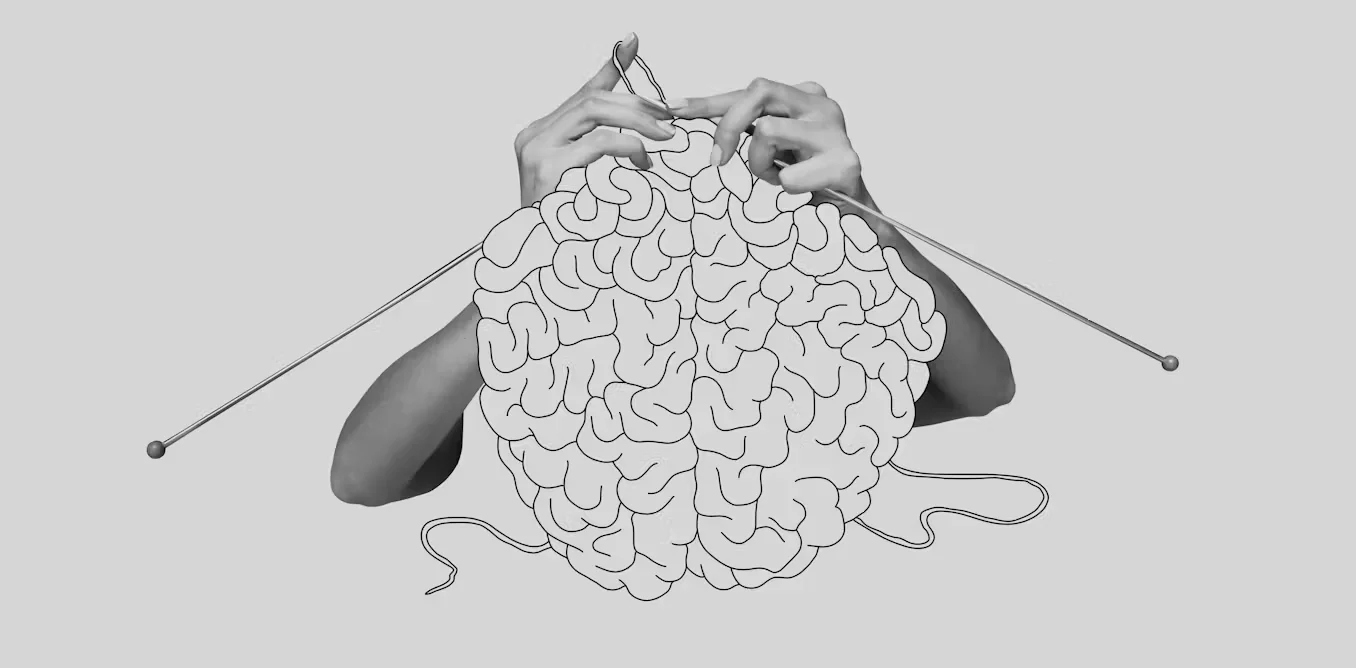
For much of the 20th century, scientists believed the adult brain was fixed, but neuroplasticity now shows the brain can change throughout life in response to experience—though changes are gradual and bounded. The article traces this shift from Hebb’s 1949 idea to modern imaging that reveals learning reshapes brain activity and connectivity, with the hippocampus showing limited adult neurogenesis. Change is strongest with effortful, meaningful engagement and is enhanced by practice, regular exercise (which raises BDNF) and sleep, while chronic stress can impair plasticity. Plasticity can be maladaptive, reinforcing harmful patterns like chronic pain or addiction, but therapies such as cognitive behavioral therapy and rehab can steer it toward recovery. The piece also debunks myths of rapid, limitless change, emphasizing that real brain remodeling comes from challenging, real-life activities like language learning, playing music, and complex social interaction.

Antibiotic resistance threatens a century of medical progress, but four broad advances are reshaping the landscape: faster, on-site diagnostics; expansion beyond traditional antibiotics through nontraditional therapies (including bacteriophages and microbiome-based approaches and CRISPR antimicrobials); recognizing resistance spreads across ecosystems with One Health approaches; and policy reforms to incentivize antibiotic development, aiming to diagnose earlier, widen treatment options, and safeguard medicines for the future.
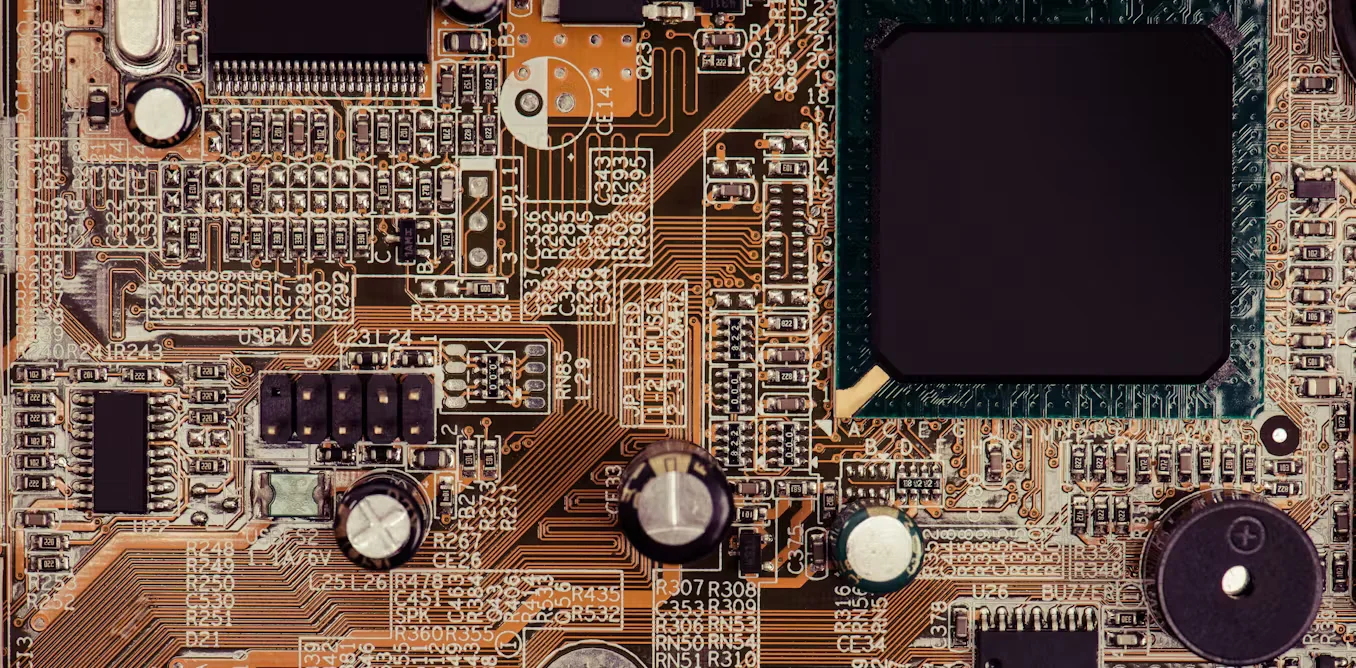
A 2010 claim that an aluminum oxide/titanium oxide nanolaminate could deliver a giant dielectric constant was later shown to be a measurement artifact caused by leakage paths in the first aluminum oxide layer formed during atomic layer deposition. The aluminum oxide layer didn’t grow evenly because the TMA precursor pulled oxygen from the underlying TiO2, creating weak spots. Once the process used ozone as the oxygen source, leakage was suppressed and the material behaved as a true insulator, highlighting that chemistry at a few atomic layers can be as decisive as thickness for reliable dielectrics.
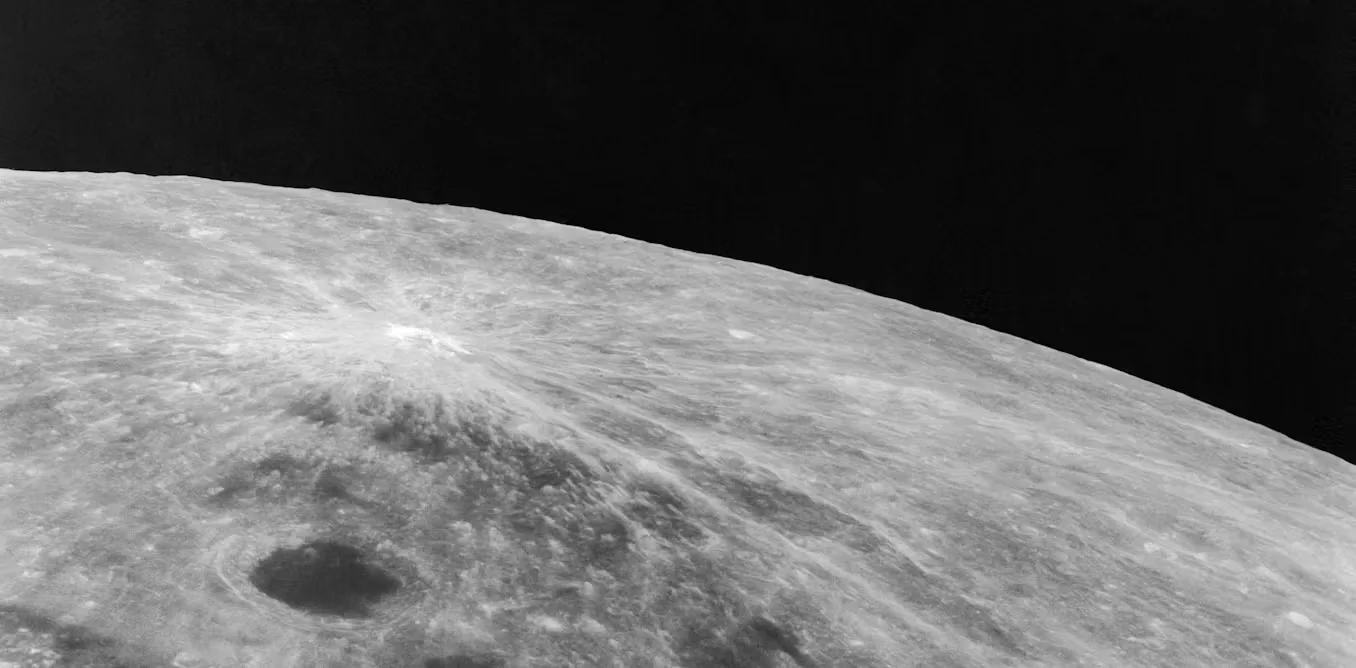
2026 is poised to reshape space exploration: NASA plans Artemis II to circle the Moon, India presses ahead with the Gaganyaan program and China expands its crewed missions, while flagship telescopes like NASA’s Roman Space Telescope, ESA’s PLATO and China’s Xuntian, plus the Vera Rubin Observatory on the ground, aim to map the cosmos and probe dark matter and dark energy. International cooperation continues even as competition heats up, with joint efforts such as SMILE illustrating a shared drive to understand the Moon’s origins, lunar water resources, and the broader evolution of the solar system.
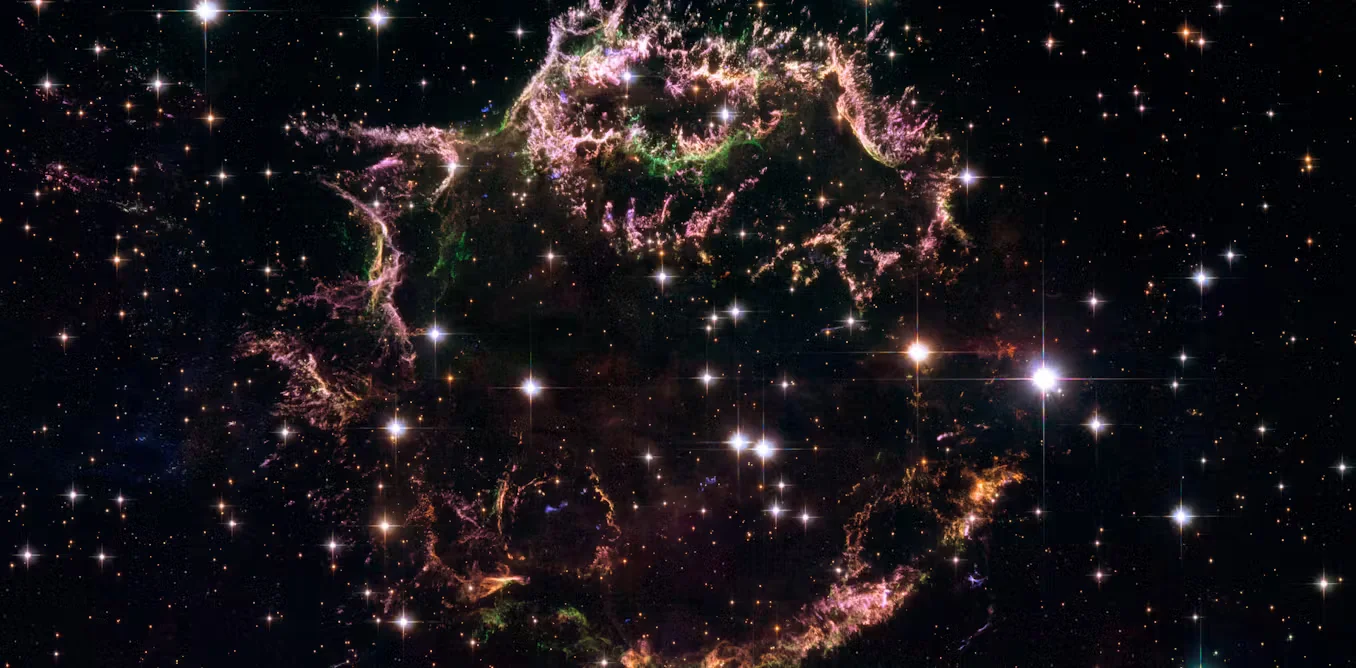
Scientists read a “cosmic clock” in tiny zircon crystals to trace Australia’s ancient surface changes. By measuring cosmogenic krypton trapped in zircon from buried beach sands near the Nullarbor Plain, they estimate extremely slow erosion about 40 million years ago, revealing a long-stable landscape and explaining zircon-rich deposits. The approach provides a new long-term clock for Earth’s surface history and could illuminate landscape responses to major events like the rise of land plants, with implications for mineral wealth as well.