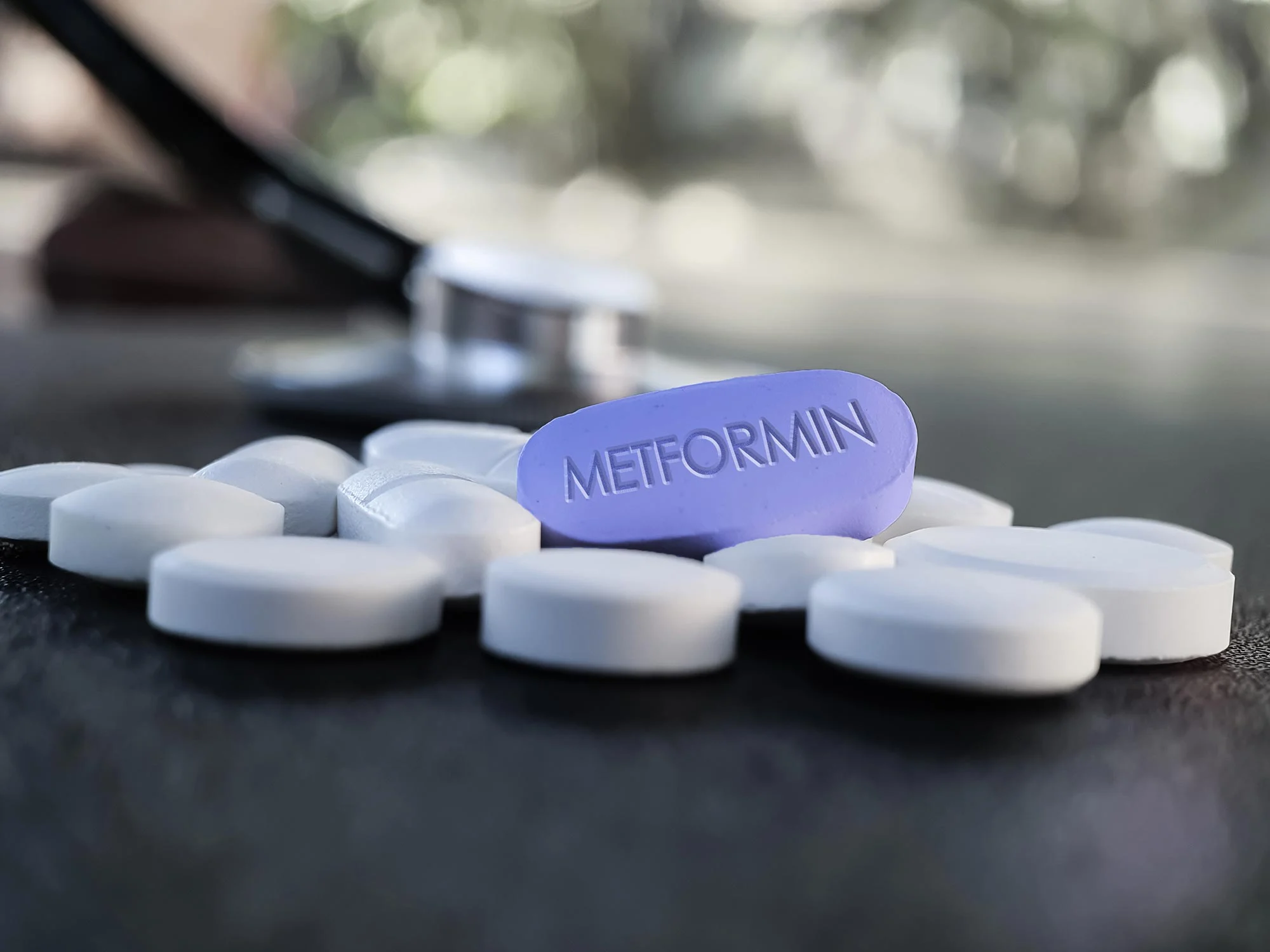
A 16-week study from Rutgers University found that metformin, a common diabetes drug, may reduce the health benefits of exercise, including improvements in blood vessel function, fitness, and blood sugar control, raising questions about combined treatment strategies for metabolic syndrome and diabetes prevention.
A Rutgers study warns that the diabetes drug metformin may reduce the health benefits of exercise, including improvements in blood vessel function, fitness, and blood sugar regulation, raising concerns about combined treatment strategies for at-risk individuals.
A long-term study suggests that a single dose of healthy gut bacteria can reduce the risk of metabolic syndrome and related health issues in obese teens, with the bacteria remaining in the gut years later, paving the way for targeted probiotic treatments.
A recent survey reveals that nearly 90% of U.S. adults are at risk for cardiovascular-kidney-metabolic (CKM) syndrome, a condition linking heart, kidney, and metabolic health issues, yet most have never heard of it. The syndrome's recognition aims to promote holistic treatment and awareness of interconnected health risks, which include high blood pressure, abnormal cholesterol, high blood sugar, excess weight, and reduced kidney function.
Skipping breakfast may increase the risk of developing metabolic syndrome and its components, such as high blood pressure, high blood sugar, and abdominal obesity, according to a systematic review and meta-analysis. Eating a healthy breakfast could help prevent these health issues and support metabolic health, although more research is needed to establish causality and understand underlying mechanisms.
A study by Oregon State University found that eating about two ounces of almonds daily can lower LDL cholesterol, improve vitamin E levels, gut health, and reduce waist circumference, especially in adults with metabolic syndrome, suggesting that incorporating almonds into daily snacks can offer significant heart health benefits.
A study by Oregon State University found that eating about two ounces of almonds daily can lower LDL cholesterol, improve vitamin E levels, gut health, and nutrient intake, and slightly reduce waist circumference, suggesting that incorporating almonds into daily snacks may benefit heart health, especially for those with metabolic syndrome.
A six-year study found that combining a Mediterranean diet with regular exercise reduces the risk of developing type 2 diabetes by nearly one-third, even with minimal weight loss, highlighting the importance of lifestyle changes for disease prevention.
High uric acid levels, traditionally linked to gout, may also contribute to silent damage in blood vessels, increasing the risk of sudden heart attacks and metabolic syndrome. Managing uric acid through hydration, diet, exercise, and stress reduction can help mitigate these risks, alongside medical treatment if necessary.
Fatty liver disease often progresses silently but can be indicated early by symptoms such as fatigue, abdominal fat, dark skin patches, high triglycerides, unexplained weight gain, and elevated liver enzymes. Recognizing these signs early and adopting lifestyle changes like diet, exercise, and weight management can help prevent serious liver damage.
A Utah woman lost 100 pounds in a year by addressing underlying health issues like fibromyalgia, insulin resistance, and inflammation through specialized scans, questionnaires, and personalized protocols, highlighting the importance of resolving health problems first for effective weight loss.
Menopause can increase women's risk of heart disease due to hormonal changes affecting cholesterol levels, blood pressure, and body fat distribution. Doctors recommend a healthy diet, regular exercise, avoiding smoking, monitoring risk factors, and managing menopause symptoms to protect heart health. Hormone therapy may help but should be discussed with a healthcare provider, especially considering individual risks.
A study by Barcelona's Hospital del Mar Medical Research Institute found that consuming 20-30% of daily energy intake at breakfast can reduce body fat and improve heart health in older adults with metabolic syndrome. Participants who ate a Mediterranean-style breakfast showed higher HDL cholesterol and smaller waist circumferences, suggesting potential cardiovascular benefits. The study emphasizes the importance of breakfast quality and calls for further research to refine dietary recommendations for reducing heart disease risk.
A study has found that patients with metabolic dysfunction-associated steatotic liver disease (MASLD) experience fragmented nocturnal sleep, characterized by frequent awakenings and increased wakefulness after sleep onset. This sleep disruption may play a role in MASLD development, although the causal relationship remains unclear. Despite receiving sleep hygiene education, patients did not show improved sleep parameters, suggesting the need for further interventions like light therapy. The study used 24/7 actigraphy to objectively measure sleep patterns, revealing significant differences between MASLD patients and healthy controls.
A study published in Frontiers in Network Physiology reveals that patients with metabolic dysfunction-associated steatotic liver disease (MASLD) experience significant sleep-wake rhythm disruptions, including increased nighttime awakenings and daytime sleep, compared to healthy individuals. Using actigraphy, researchers found that MASLD patients had fragmented sleep, which may contribute to the disease's progression. Despite attempts to improve sleep through hygiene education, no significant improvements were observed, suggesting the need for more comprehensive interventions.