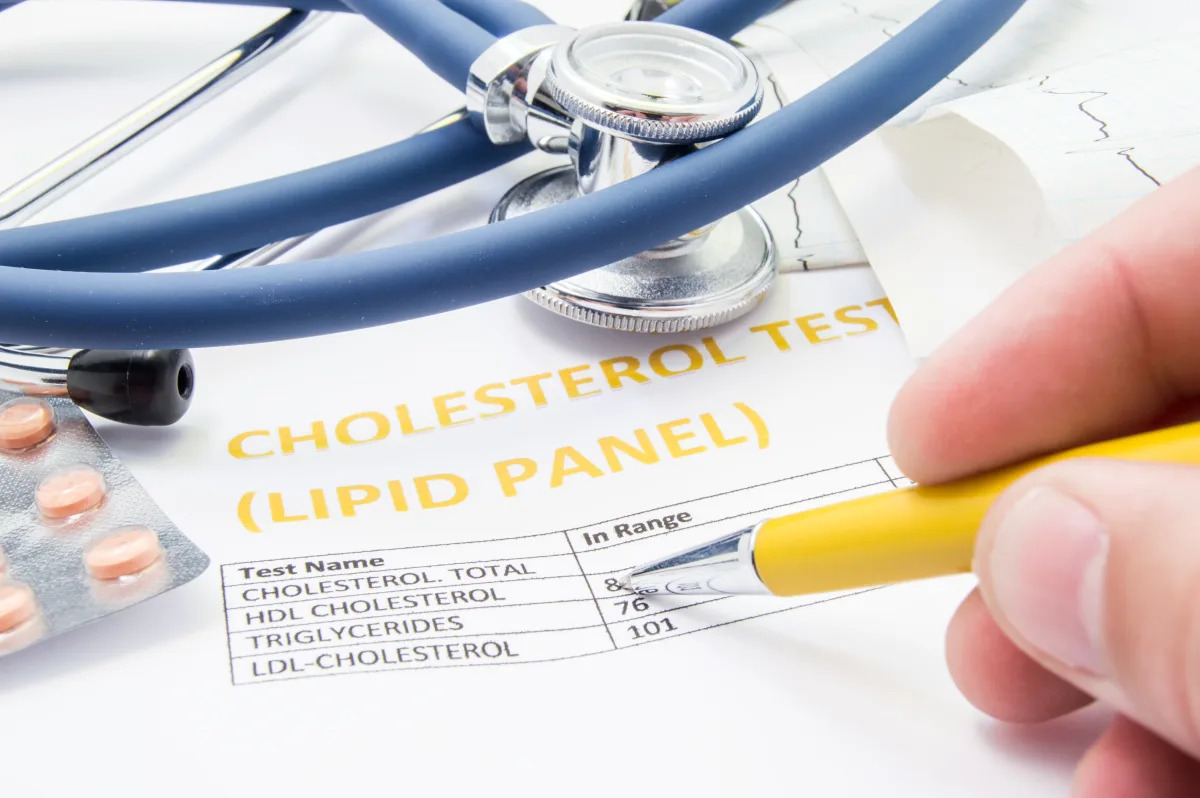
LDL cholesterol, often called 'bad' cholesterol, can build up silently in arteries, increasing the risk of heart disease and stroke. It is essential to have regular blood tests to monitor levels, ideally keeping LDL below 100 mg/dL, and to understand that genetics and aging also influence cholesterol levels. Managing diet, lifestyle, and regular check-ups are key to controlling LDL cholesterol and maintaining heart health.

Researchers have identified two new modifiable risk factors for dementia: high cholesterol after age 40 and untreated vision loss, adding to previously known factors like physical inactivity and smoking. Managing these risks through medical care and lifestyle changes can potentially prevent nearly half of dementia cases worldwide.
Researchers have identified two new modifiable risk factors for dementia: high cholesterol after 40 and untreated vision loss, adding to previously known factors like physical inactivity and smoking. Managing these risks through medical care and lifestyle changes can potentially prevent nearly half of dementia cases worldwide.
Children are increasingly affected by high cholesterol levels due to sedentary lifestyles and unhealthy diets, which can lead to serious health issues like heart disease and diabetes if left unchecked. Experts recommend a balanced diet, regular physical activity, and routine check-ups to manage and prevent this trend.
High cholesterol often shows no symptoms but can sometimes be indicated by cholesterol deposits on the Achilles tendons, known as tendon xanthomas, which are associated with increased LDL levels and cardiovascular risk. Diagnosis typically requires a blood test, and lifestyle changes are recommended for management.
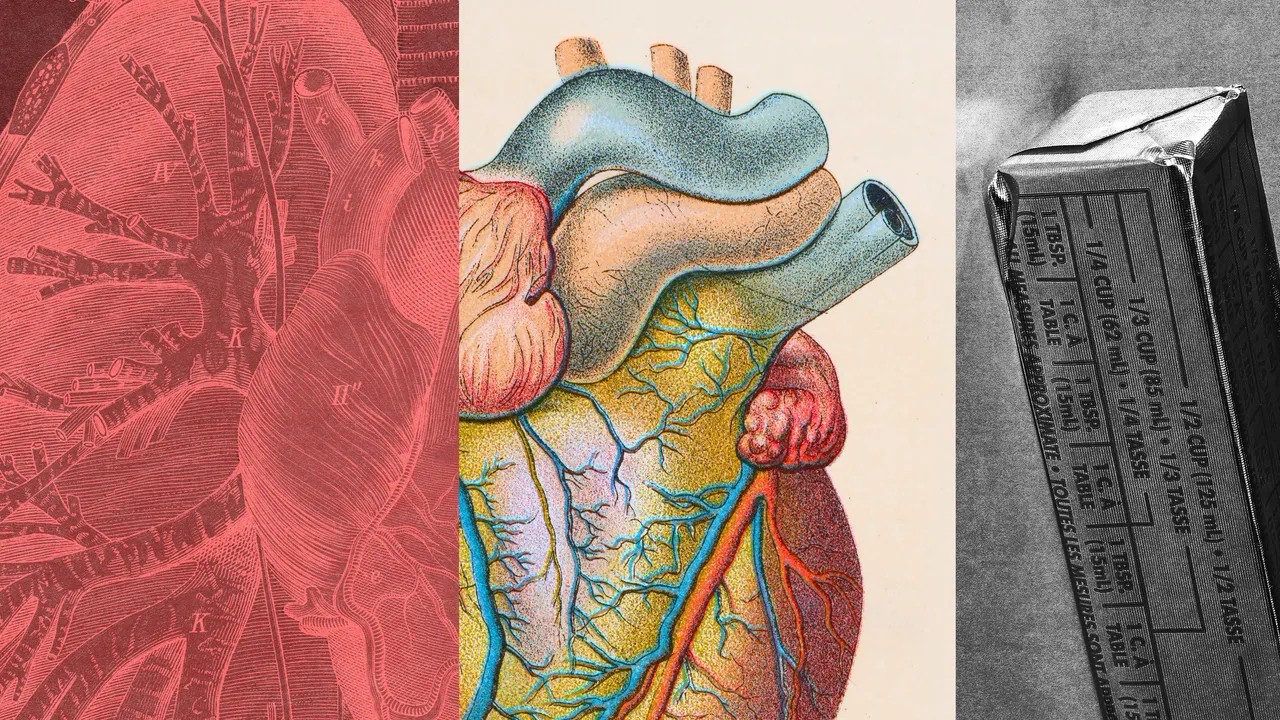
Eating butter can be part of a heart-healthy diet if consumed in moderation, especially when paired with fiber, herbs, and healthy fats. While dietary cholesterol has minimal impact on blood cholesterol, saturated fat in butter can raise LDL levels. Experts recommend limiting saturated fat intake and focusing on overall healthy lifestyle habits to manage cholesterol effectively.
A health expert recommends natural dietary changes such as consuming plant sterols and stanols, oats, barley, nuts, and soya to help reduce high cholesterol levels, alongside regular exercise and avoiding foods that raise cholesterol.
To manage high cholesterol effectively, avoid late-night snacking on processed foods, maintain a consistent sleep schedule, limit alcohol intake, and steer clear of foods high in saturated fats and added sugars after 5 p.m., as these habits can negatively impact cholesterol levels and overall heart health.
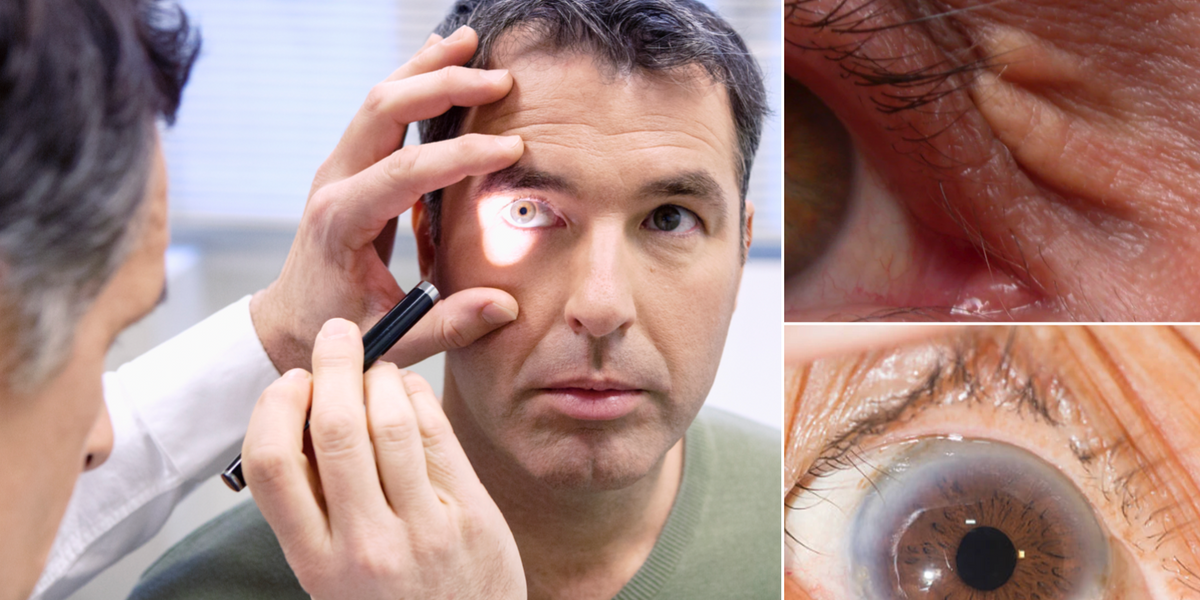
Dr. Ahmed highlights subtle signs of high cholesterol that can appear on the hands, feet, and face, such as tendon xanthomata, xanthelasma, and corneal arcus. These symptoms may indicate familial hypercholesterolemia, a genetic condition often treated with statins. High cholesterol is typically confirmed through a blood test, and managing it is crucial to prevent serious health issues like heart attacks and strokes. Lifestyle changes and medication may be recommended to lower cholesterol levels.
High cholesterol, often symptomless, can lead to peripheral arterial disease (PAD), which restricts blood flow to the lower limbs and may cause a "smelly" warning sign, such as pus on the toes. This condition can escalate to critical limb ischaemia, a severe and potentially fatal issue. Symptoms of PAD include leg pain, numbness, and skin changes. To manage high cholesterol, lifestyle changes like healthy eating, exercise, and reducing alcohol and smoking are recommended.
Health experts warn that high cholesterol, often symptomless, can sometimes manifest signs on the face, such as xanthelasmas (yellow lumps near the eyes) and corneal arcus (a white ring around the iris). These indicators, particularly linked to familial hypercholesterolaemia, should prompt medical consultation. High cholesterol can lead to serious conditions like heart attacks and strokes, making regular cholesterol checks crucial. Lifestyle changes such as a balanced diet and regular exercise are recommended to manage cholesterol levels.
High cholesterol, often symptomless, may be linked to tendon pain, according to a study in the British Journal of Sports Medicine. The research, which analyzed 17 studies with 2,612 participants, found that individuals with tendon pain or altered tendon structure had higher cholesterol levels. While the study suggests a relationship between cholesterol and tendon health, further research is needed to establish causation. To manage cholesterol, the NHS recommends reducing saturated fat intake and opting for unsaturated fats.
High cholesterol can sometimes manifest as waxy deposits on the face or eyes, such as corneal arcus or xanthelasma. These signs, while not definitive, suggest the need for a cholesterol check. Experts recommend early screening to prevent cardiovascular disease, as high cholesterol can be a silent but serious risk factor from a young age.
Millions of Americans may have high cholesterol levels in their 20s and 30s without knowing it, as doctors typically don't screen or treat young adults for high cholesterol. While U.S. guidelines don't recommend screening until later in life, some cardiologists believe early screening and intervention could prevent heart disease. Lifestyle changes like diet and exercise are the first line of defense, but medication may be necessary for some. Despite concerns about side effects, the benefits of preventing heart attacks and strokes outweigh the risks for many with high cholesterol. Therefore, young adults with a family history of high cholesterol or heart problems are advised to ask their doctors to check their cholesterol levels.
Superfoods like oats, whole grains, citrus fruits, fish, nuts, avocado, berries, legumes, leafy green vegetables, okra, and eggplant are known for their ability to lower cholesterol and protect against clogged arteries, promoting heart health through targeted nutrition and natural therapies. These nutrient-rich foods are high in soluble fiber, antioxidants, and healthy fats, and when incorporated into a balanced diet, they can help reduce LDL cholesterol, decrease inflammation, and improve overall well-being.