A global study finds that discrepancies between creatinine and cystatin C blood tests, used to assess kidney health, can predict higher risks of kidney failure, heart disease, and death, emphasizing the importance of using both tests together for accurate diagnosis and early intervention.

New blood tests like the Grail Galleri offer hope for early detection of pancreatic cancer, which is crucial as most cases are diagnosed late with poor survival rates. Early detection can significantly improve treatment outcomes, but current screening options are limited, and the disease remains deadly, especially in Ohio where incidence and mortality rates are high. Researchers emphasize the importance of clinical trials and awareness efforts to improve prognosis and develop better therapies.
Researchers are developing blood tests to detect Alzheimer's biomarkers for early diagnosis, with recent studies indicating that monitoring changes in protein biomarkers over time is more reliable than single tests.
Dr. Roach explains that persistent hypothyroid symptoms despite normal blood tests may be due to issues like T4 to T3 conversion problems, and advises checking T3, T4, and TSH levels. He also discusses the minimal lead content in fiber supplements, suggesting the small risk is unlikely to cause health issues, and emphasizes finding the true cause of symptoms if thyroid tests are normal.
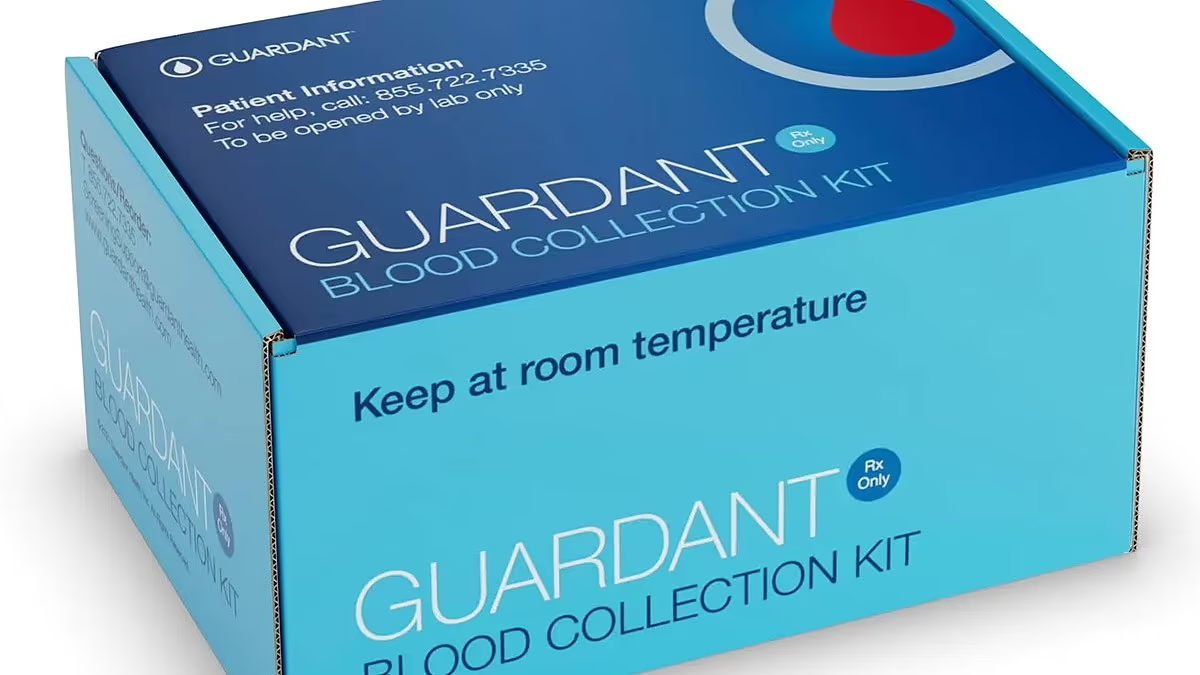
Emerging blood tests, such as Guardant Health's Shield, show promise in detecting cancers like colon and pancreatic cancer earlier and less invasively, potentially improving survival rates, though many are still in early development and face challenges like false positives and limited detection rates compared to traditional methods.
US cardiologist emphasizes that LDL cholesterol levels above 60 mg/dL are a red flag for heart disease risk and recommends early blood testing, including ApoB, to detect hidden risks and enable early intervention for better heart health outcomes.
The Alzheimer’s Association has issued new guidelines suggesting that blood tests with over 90% sensitivity and 75-90% specificity can be used to help diagnose Alzheimer’s disease, potentially replacing more invasive tests like PET scans, especially in cases of cognitive impairment, though they should complement full clinical evaluations. This move aims to improve access to diagnosis, particularly in rural areas, and supports the ongoing development of blood-based diagnostic tools, which are increasingly being integrated into treatment protocols.
Dr. Roach explains that while high HDL cholesterol is generally protective against heart disease, levels over 80 mg/dL may not always be beneficial, especially in certain populations with genetic factors or health conditions. He emphasizes the importance of considering family history and other risk factors when evaluating cholesterol levels and cautions against over-reliance on current screening tests like the Galleri blood test for cancer detection, due to their limited accuracy.
A recent study suggests that new blood tests may be able to detect trace amounts of cancer genetic material years before clinical diagnosis, potentially enabling earlier intervention.
Bill Gates shares his optimism about the fight against Alzheimer's disease, highlighting recent breakthroughs like blood-based diagnostic tests, new treatments, and increased research funding, which together offer hope for earlier detection and more effective interventions in the future.
A study of Swedish centenarians reveals that certain blood biomarkers related to metabolism, organ function, and inflammation in midlife can predict exceptional longevity, emphasizing the importance of early health monitoring and lifestyle choices in extending healthspan.
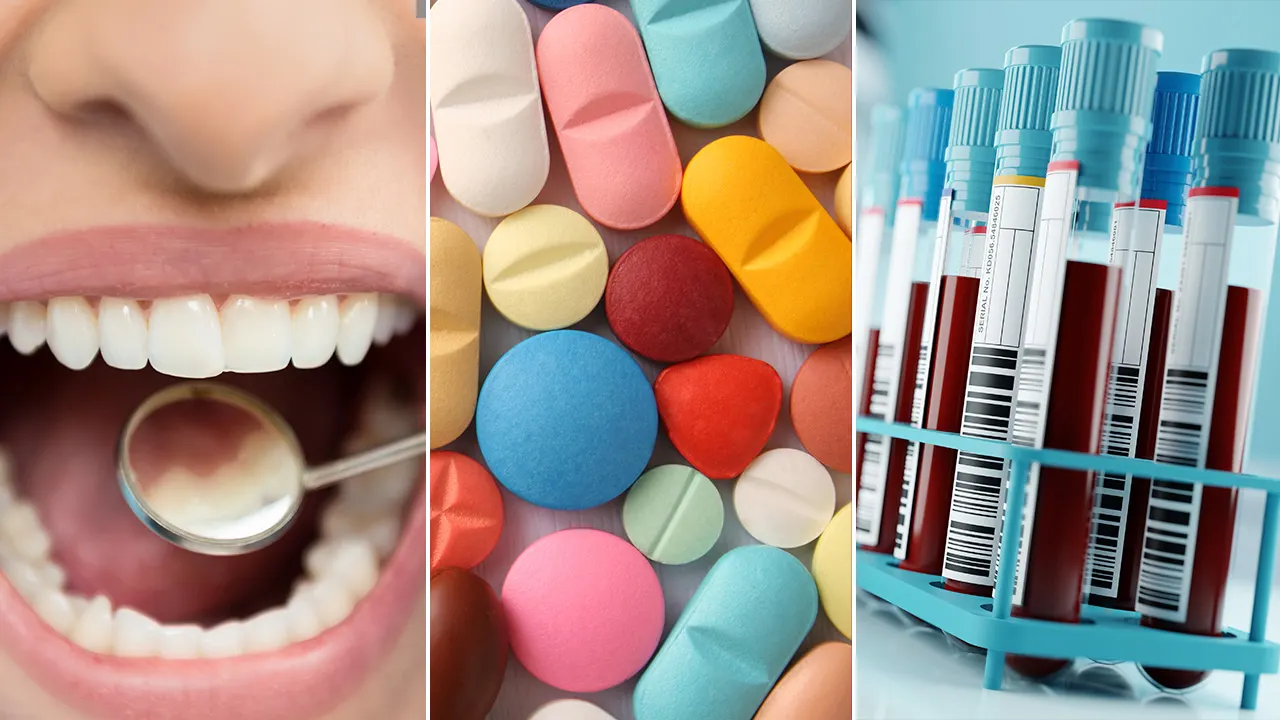
This week's top health news covers the potential dental side effects of Ozempic, a common vitamin that may slow biological aging, and new blood tests capable of detecting ultraprocessed foods in the body.
Machine learning is being used to tailor blood tests to individual patients, moving away from the traditional one-size-fits-all approach. This technology can help determine what is truly 'normal' for each person, potentially leading to more accurate diagnoses and personalized healthcare.
Ultra-sensitive blood tests could identify if breast cancer is likely to return years in advance by detecting tumor DNA in cells left behind after treatment. In a trial, the test accurately predicted relapses up to 41 months beforehand, offering a significant improvement over current methods and potentially saving lives through early intervention.
Top doctors are cautioning against $1,000 multi-cancer detection blood tests, citing insufficient evidence and the risk of false positives leading to unnecessary procedures. While early studies show promise, experts recommend sticking to regular screenings until more research validates these tests' efficacy and safety.