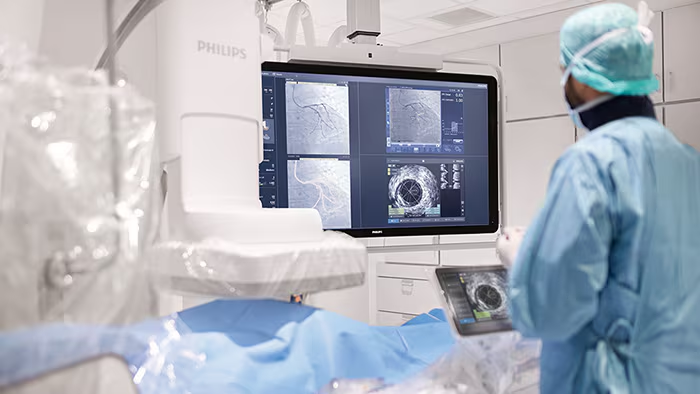
Philips is acquiring SpectraWAVE to enhance its portfolio of AI-powered coronary intravascular imaging and physiological assessment technologies, including HyperVue Imaging System and X1-FFR, aiming to improve outcomes in coronary artery disease treatment through advanced, integrated, and AI-supported solutions.
Ozzy Osbourne died at age 76 from a heart attack, with coronary artery disease and Parkinson's disease as contributing factors, according to his death certificate filed in London.
Ozzy Osbourne died at age 76 in Buckinghamshire, England, from a heart attack, with coronary artery disease and Parkinson's disease as contributing factors, as revealed by his death certificate filed by his daughter.
Ozzy Osbourne died at age 76 from a heart attack, with his death certificate revealing he also suffered from Parkinson's and coronary artery disease. His family requested privacy, and tributes poured in from notable musicians following his passing.
A study published in The BMJ suggests that P2Y12 inhibitors may be more effective than aspirin in reducing cardiovascular death, heart attack, and stroke in patients with coronary artery disease, without increasing major bleeding risk, over a medium-term follow-up of around four years.
A recent study found that a 12-week Nordic walking program significantly improved the functional capacity and exercise ability of people with coronary artery disease, which is a key predictor of future cardiovascular events. To start Nordic walking, you'll need trekking poles and a good walking route, and it's important to maintain proper posture and technique to maximize benefits.
A genetic link between major depression, coronary artery disease (CAD), and an increased risk for cardiomyopathy has been discovered, suggesting a shared inflammatory pathway. Medications for CAD and depression used in combination may reduce inflammation and potentially prevent cardiomyopathy. The study emphasizes the importance of integrated treatment plans addressing both cardiovascular and mental health, paving the way for future research on optimal treatment strategies.
A genetic link between major depression, coronary artery disease, and an increased risk for cardiomyopathy has been discovered, suggesting a shared inflammatory pathway. Medications for both conditions may jointly reduce inflammation, potentially preventing cardiomyopathy. The study emphasizes the importance of integrated treatment plans addressing both cardiovascular and mental health, paving the way for future research on optimal treatment strategies.
A new study has identified five biological pathways regulated by a few genes that could potentially play a prominent role in coronary artery disease through their involvement in endothelial cell function, including the gene TLNRD1. These findings could lead to the development of novel therapies targeting endothelial cell dysfunction in coronary artery disease, which is the leading cause of death in the United States. The study used high-throughput molecular biology techniques and computational methods to identify major biological pathways and novel genes involved in endothelial cell function that could contribute to the risk of coronary artery disease. This approach could facilitate the discovery of novel biological pathways associated with other diseases as well.
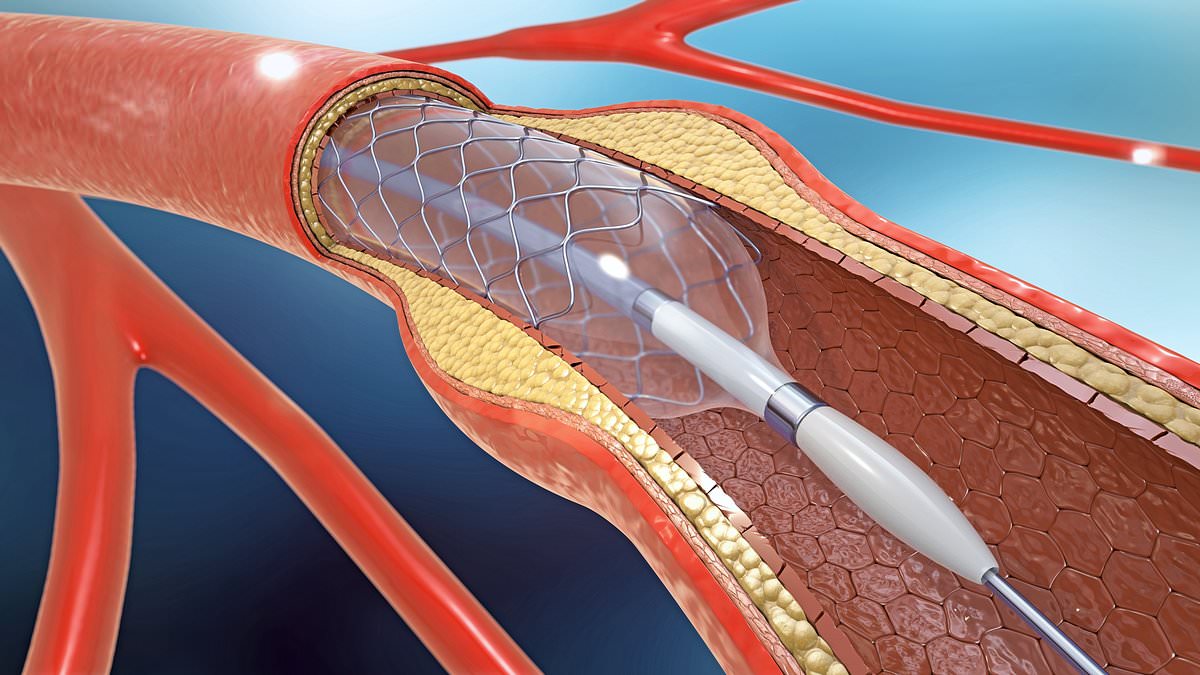
A report by the Lown Institute has found that US taxpayers are spending over $800 million annually on unnecessary heart stents. The study estimated that one in five stents implanted between 2019 and 2021 were not needed, costing Medicare $2.44 billion over three years. The overuse of stents is deemed wasteful and potentially harmful to patients, with complications including blood clots, abdominal bleeding, kidney damage, heart attack, or death. The report highlights the need for better evaluation and appropriate use of stents in patients with coronary artery disease.
A secondary analysis of the LODESTAR trial compared the long-term efficacy and safety of rosuvastatin and atorvastatin in adults with coronary artery disease. The study found that both statins showed comparable efficacy for the composite outcome of all-cause death, myocardial infarction, stroke, or any coronary revascularization at three years. Rosuvastatin was associated with lower LDL cholesterol levels but a higher risk of new-onset diabetes mellitus requiring antidiabetic medication and cataract surgery compared to atorvastatin.
A team of international scientists, including researchers from the University of Virginia, has identified nearly a dozen genes that contribute to calcium buildup in coronary arteries, which can lead to life-threatening coronary artery disease. By targeting these genes with existing medications or nutritional supplements, doctors may be able to slow or halt the progression of the disease. The findings provide a critical first step in identifying biological mechanisms for primary prevention of coronary artery disease. Further research is needed to determine the best ways to target these genes and affected pathways, but the discoveries offer potential for improved risk evaluation and early interventions to prevent the disease.
Sudden cardiac death, characterized by abrupt loss of consciousness due to cardiac causes, is on the rise, with coronary artery disease being the most common cause. High-intensity exercise has been identified as a potential trigger for heart attacks in the gym. Other causes include genetic diseases, cardiomyopathies, and myocardial infiltrative diseases. Warning signs include fainting episodes, seizures, and heart failure. Identifying and treating risk factors for coronary artery disease is crucial, and individuals with a family history of sudden cardiac arrest should undergo cardiac evaluation.
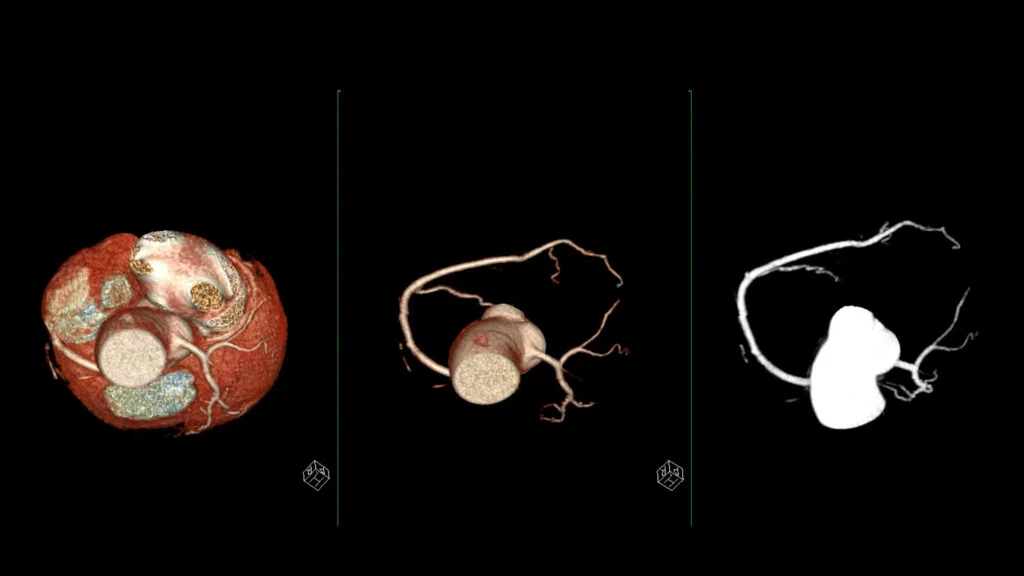
Ultra-high-resolution computed tomography (UHR-CT) is a new imaging technology that can detect heart disease years in advance, particularly in high-risk patients. This non-invasive technique provides excellent quality and precise diagnosis of coronary artery disease, allowing threats to be identified before they manifest. The UHR-CT has shown high sensitivity and specificity for coronary artery disease detection, making it a promising tool for high-risk individuals. However, the technology currently exposes patients to greater radiation compared to conventional CT scanners, and further research is needed to decrease radiation exposure. Experts predict that photon-counting CT technology, like UHR-CT, will become more prevalent in the next decade and could revolutionize diagnostic imaging in various clinical scenarios.
Researchers at the University of Virginia Health have identified critical biological processes that contribute to coronary artery disease, the leading cause of death in the United States. The study focused on smooth muscle cells that line blood vessels and found that problems with metabolic pathways, specifically how the cells use nitrogen and glycogen, may contribute to the development and progression of the disease. The discovery provides new targets for potential therapies and interventions to treat and prevent coronary artery disease.