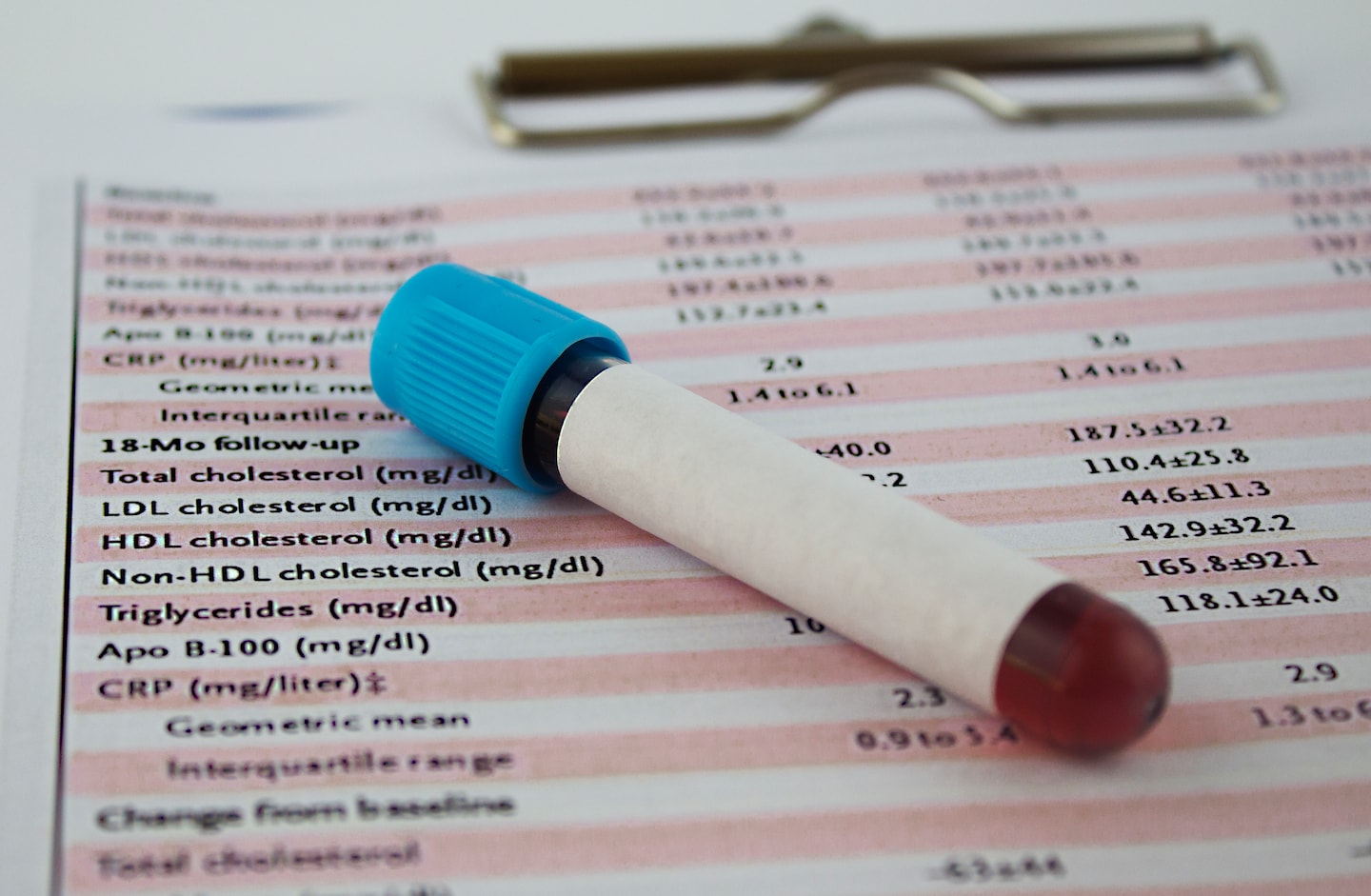
Neurologist Dr. Priyanka Sehrawat emphasizes that normal cholesterol levels do not necessarily indicate low heart attack risk, highlighting two key markers—ApoB and Lipoprotein(a)—as stronger predictors of cardiovascular events, especially in individuals with a family history or metabolic dysfunction.
The article discusses skepticism around current heart disease prevention practices, highlighting issues with reliance on proxy indicators like LDL-C instead of direct measures like ApoB, questioning the effectiveness and motivations behind widespread statin use, and emphasizing the importance of lifestyle changes and better diagnostic tools for truly assessing and reducing cardiovascular risk.
US cardiologist emphasizes that LDL cholesterol levels above 60 mg/dL are a red flag for heart disease risk and recommends early blood testing, including ApoB, to detect hidden risks and enable early intervention for better heart health outcomes.
A growing number of physicians and researchers are advocating for a shift from the traditional emphasis on "good" or "bad" cholesterol to a more accurate marker of heart attack risk: apolipoprotein B (apoB). Research shows that measuring the number of apoB particles in the blood predicts cardiovascular risk far more accurately than the standard good-cholesterol/bad-cholesterol lipid panel. Despite evidence in favor of apoB testing, current cholesterol guidelines in the U.S. do not recommend it for all patients, leading to a lack of awareness among both patients and doctors. Proponents argue that apoB testing offers more specificity than traditional cholesterol markers and can help identify individuals at greater risk for heart disease, especially in younger populations.