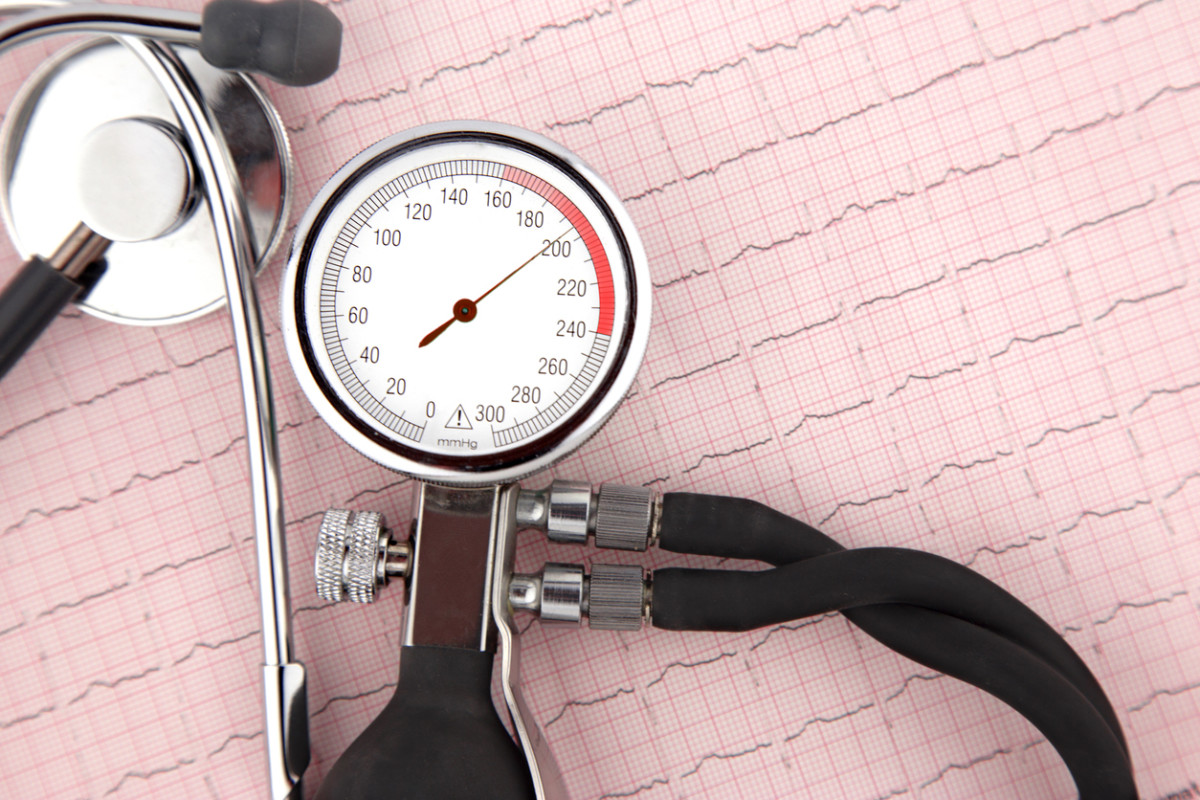
LDL cholesterol, often called 'bad' cholesterol, can build up silently in arteries, increasing the risk of heart disease and stroke. It is essential to have regular blood tests to monitor levels, ideally keeping LDL below 100 mg/dL, and to understand that genetics and aging also influence cholesterol levels. Managing diet, lifestyle, and regular check-ups are key to controlling LDL cholesterol and maintaining heart health.
Top Indian cardiologists share expert advice on maintaining heart health, emphasizing mindful eating, winter precautions, recognizing women's heart attack symptoms, understanding bradycardia, and managing festive season risks to prevent heart disease and attacks.
Drinking black coffee without cream and sugar may help lower LDL cholesterol levels, especially when brewed with filtered methods like drip coffee. Alternatives like green tea and soy milk are also recommended for those seeking to reduce cholesterol. However, individuals with certain health conditions should be cautious with caffeine intake.
Cardiologists recommend strength training two to three times a week as the best daily habit to improve heart health, as it helps lower weight, cholesterol, blood sugar, and blood pressure, while also boosting mood and sleep. Incorporating resistance exercises like weights, resistance bands, or bodyweight moves can create a healthier environment for the heart, and customizing workouts to individual goals and abilities is advised.
Cardiologists emphasize the importance of staying active to prevent blood clots, which can be life-threatening. They advise incorporating safe exercise routines, staying hydrated, understanding personal risk factors, and consulting doctors for proper diagnosis and treatment to reduce the risk of abnormal blood clot formation.
Cardiologists emphasize the importance of staying active and avoiding inactivity to prevent blood clots, which can be life-threatening. Regular movement, staying hydrated, understanding personal risk factors, and consulting a doctor are key strategies to reduce the risk of abnormal blood clot formation.
Cardiologists recommend walking at least 150 minutes per week, or about 30 minutes five days a week, to improve heart health. Shorter, consistent walks and increasing pace or distance can enhance benefits, with personalized adjustments based on individual health conditions.
The article shares insights from three cardiologists on their essential habits and practices for maintaining heart health, emphasizing nonnegotiable lifestyle choices and preventive measures.
Cardiologists recommend sleeping on your side, particularly the right side for heart health, as it can help manage the effects of sleep apnea and improve blood flow. Side sleeping may also enhance the brain's waste removal system, reducing the risk of neurological diseases. Sleeping on the left side can help with acid reflux, while maintaining a consistent bedtime and creating a relaxing bedtime routine are important for better sleep.
A new Stanford Medicine study suggests that following a vegan diet may improve cardiovascular health more than an omnivorous diet, even if the latter is well-balanced. The study found that vegan eaters experienced lower levels of "bad" cholesterol, insulin, and more weight loss in just two months. However, cardiologists emphasize the importance of a nutrient-rich vegan diet to avoid deficiencies in vitamin B12, iron, and calcium. While the Mediterranean diet has long been recommended for heart health, both diets prioritize similar food groups, with the main difference being the inclusion of fish in the Mediterranean diet. Ultimately, the key is to choose a heart-healthy eating plan that is sustainable in the long term, whether it's vegan, Mediterranean, or a combination of both.
Cardiologists recommend adding cocoa to your coffee for heart-healthy benefits, as studies show that moderate coffee consumption is associated with lower risk of heart disease and stroke. Cocoa powder, which contains flavanols, can reduce inflammation and improve blood flow. Tips for making heart-healthy coffee with cocoa include paying attention to serving size, skipping extra cream and sugar, and choosing organic coffee and cocoa powder.
Despite heart disease being the leading cause of death for women, awareness has declined, especially among young women and women of color. Five cardiologists are advocating for increased awareness and proactive measures, emphasizing the importance of advocating for one's own heart health, recognizing pregnancy complications as a risk factor, understanding the safety and efficacy of cholesterol-lowering medications, seeking heart disease screenings before symptoms appear, and considering holistic risk factors, particularly for women of color.
Cardiologists explain that while high LDL cholesterol can lead to heart disease, genetics play a significant role in cholesterol levels, with some individuals naturally producing more cholesterol than others. Advanced lipid testing and inflammation markers can help determine an individual's risk for heart disease, and not everyone with high cholesterol may need cholesterol medication. It's important to work with a cardiologist to understand the underlying causes of high cholesterol and develop a personalized plan for heart health.
Following the sudden death of Warriors assistant coach Dejan Milojevic from a heart attack, cardiologists stress the importance of heart health, emphasizing "Life's Essential 8" including good diet, exercise, and sleep, as well as the need for a coronary artery calcium scan, especially for those over 40 with risk factors. They also highlight that about half of people who die from a heart attack never had symptoms before, urging individuals to discuss heart concerns with their primary care doctor and take preventive measures to reduce the risk of heart attack.
Cardiologists have shared their nutrition advice for reducing the risk of heart disease and heart attacks. Some of the worst foods for the heart include fried foods, bread, pasta, potatoes, red meat, dairy, sugary foods, high-sodium foods, fast foods, highly processed foods, and excess alcohol. On the other hand, the best foods for the heart include fresh fruits and vegetables, whole grains, lean proteins, avocados, fatty fish, olive oil, water, and dark chocolate. Portion control is also emphasized as an important factor in maintaining a healthy weight and avoiding obesity and coronary artery disease.