Tag

Imaging

All articles tagged with #imaging

technology4 months ago

StellaMira 86mm ED Refractor Telescope Review

The StellaMira 86mm ED f/7 quadruplet refractor telescope, launched by First Light Optics in 2025, offers high-quality build, excellent optical performance with minimal chromatic aberration, and a hassle-free flat field for astrophotography, making it an ideal choice for both beginners and experienced astronomers. It features a sturdy aluminium body, integrated dew shield, dual-speed focuser, and comes with a comprehensive set of accessories, all at a competitive price.

sports1 year ago

Eury Perez's Elbow Injury and Nail Issue: A Miami Marlins Update

Miami Marlins pitcher Eury Perez is set to undergo imaging and testing for elbow soreness, with concerns about a potential lengthy absence. The team has been plagued by rotation injuries, with several pitchers, including Sandy Alcantara, facing setbacks. Perez, a top prospect, was expected to play a key role in the team's plans for the 2024 season. The Marlins will need strong performances from their lineup to compensate for the pitching injuries and aim for postseason contention.

astronomy1 year ago

"Consistent Appearance: Latest Findings on M87* Black Hole"

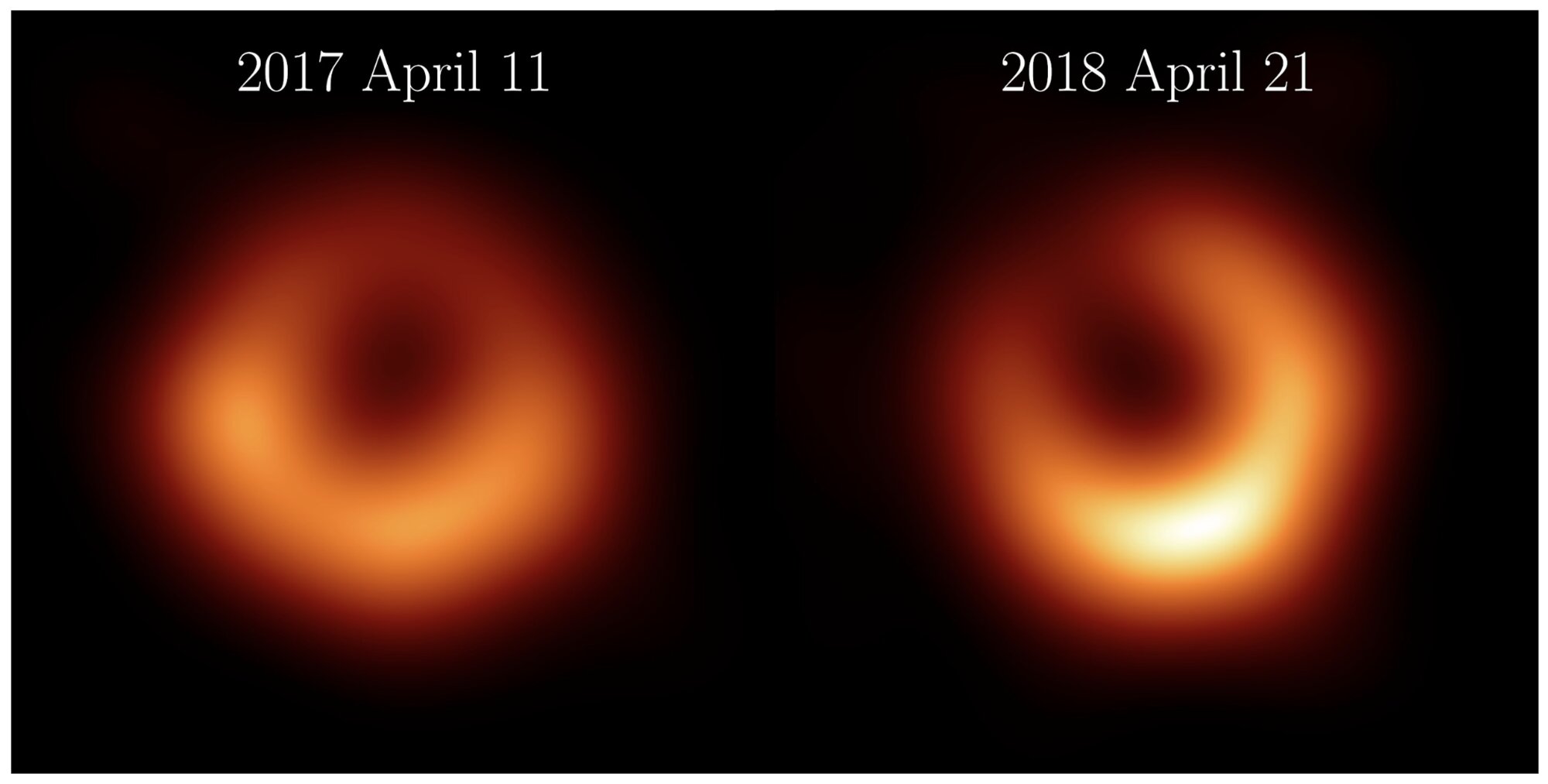
The Event Horizon Telescope Collaboration has released new images of M87* from observations taken in April 2018, revealing a familiar, bright ring of emission of the same size as in 2017. The new image, captured by the Event Horizon Telescope, validates our understanding of black holes and general relativity, showing a dark central shadow and gravitational lensing effects. Key contributions to the imaging team were made by researchers at Caltech, including Professor Katie L. Bouman and former Ph.D. student Nitika Yadlapalli Yurk. The process of imaging M87* with the EHT involves converting radio wave data into images and testing algorithms with synthetic data. The new image shows a slight shift in the brightest portion of the glowing ring, likely due to the turbulent flow of matter around the black hole, but remains consistent with the previous image, demonstrating reproducibility with independent data.

science-and-technology2 years ago

"Revolutionary All-Glass Metalens Captures Stunning Images of Sun, Moon, and Nebulae"

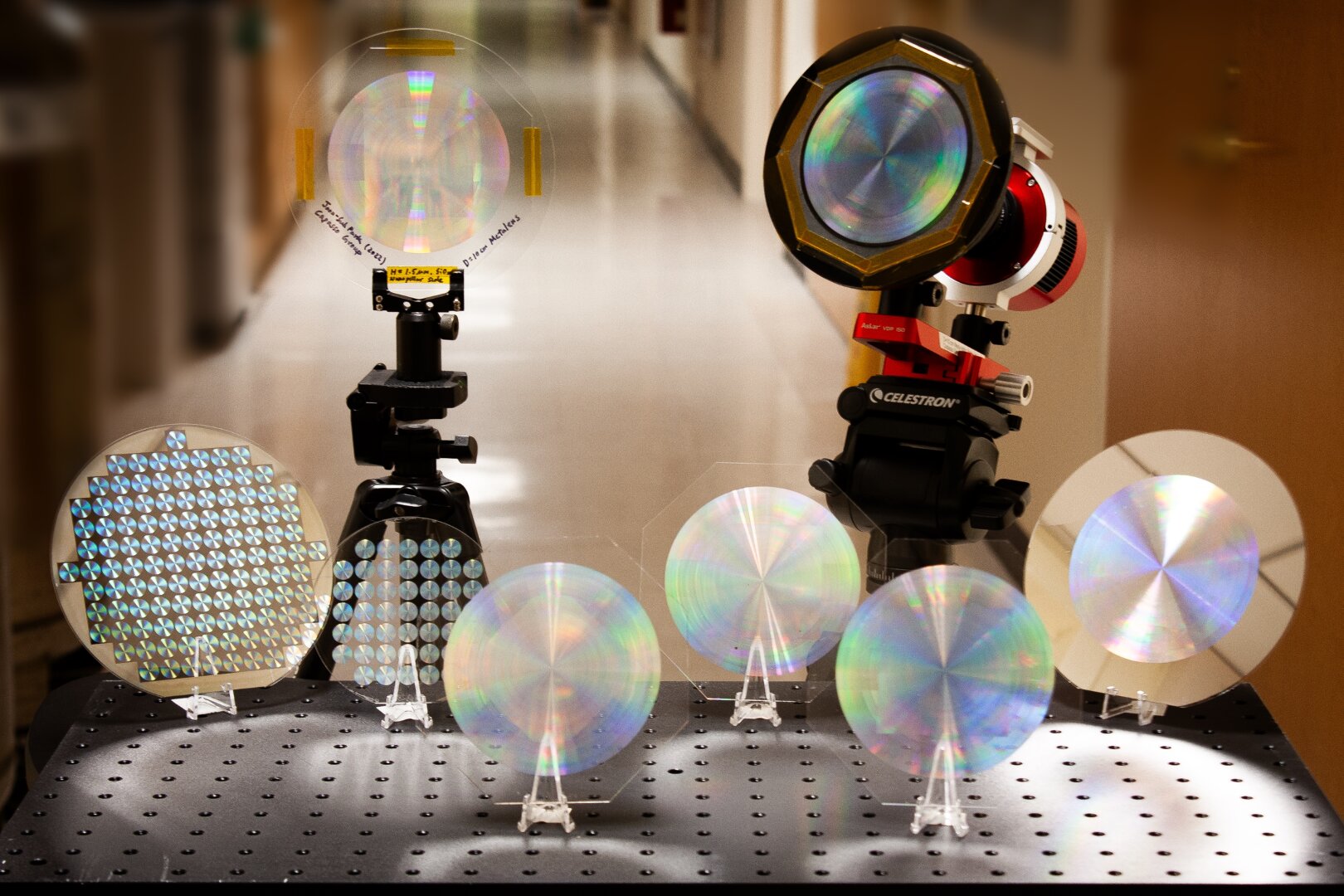
Researchers at Harvard SEAS have developed a 10-centimeter-diameter glass metalens using conventional CMOS fabrication technology, allowing it to image the sun, moon, and distant nebulae with high resolution. By overcoming engineering challenges, the team demonstrated the metalens' ability to survive extreme conditions and produce detailed images comparable to those taken by conventional lenses. This breakthrough opens new opportunities for space science and technology, as well as applications in astronomy, free-space optical communications, long-range telecommunications, and directed energy transport.

space-exploration2 years ago

"Psyche Spacecraft Captures Stunning First Images of Space"

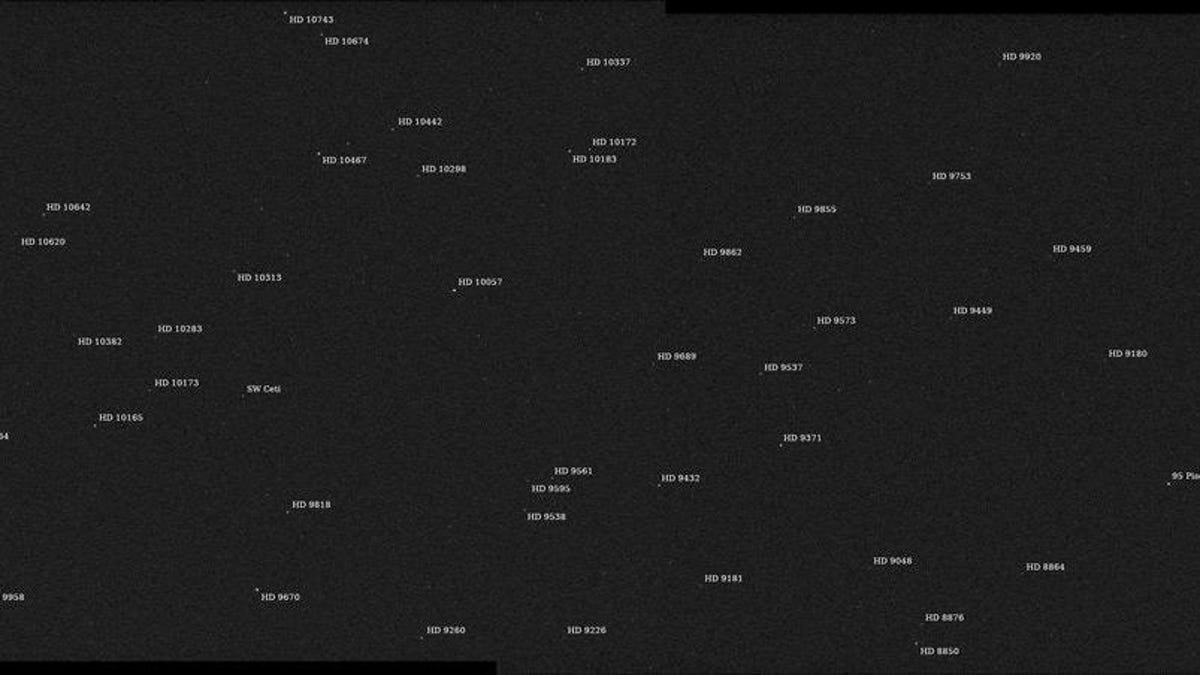
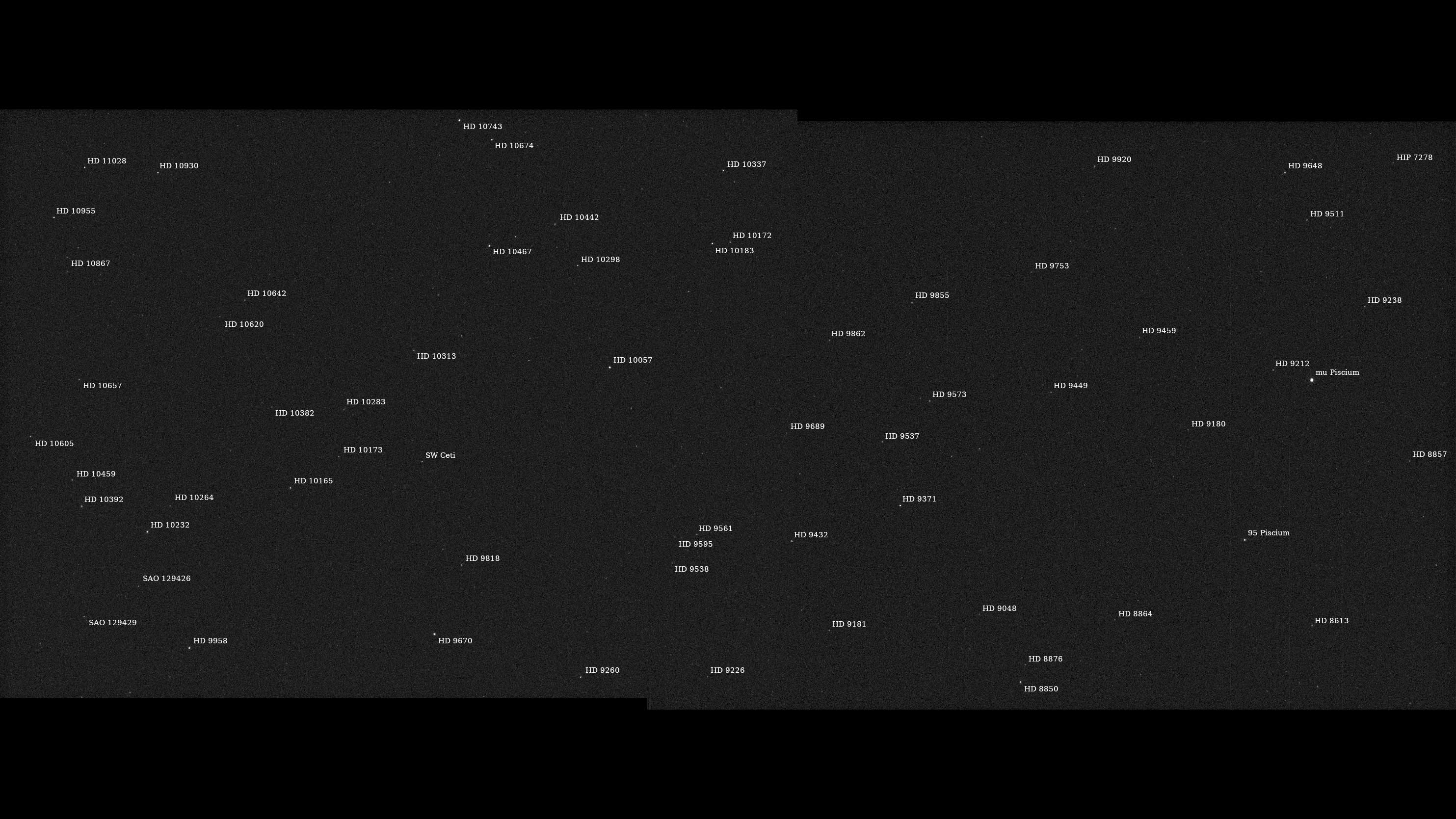
NASA's Psyche spacecraft, on its way to the asteroid Psyche, has captured and beamed back its first images, revealing a field of stars in the constellation Pisces. The spacecraft's twin cameras took a total of 68 images, which were stitched together to create a mosaic. The images will help determine the composition of the metal-rich asteroid and create 3D maps to understand its geology. Psyche is expected to enter the asteroid's orbit in July 2029.

space2 years ago

"NASA's Psyche Spacecraft Captures Stunning Images of Metal Asteroid"

NASA's Psyche spacecraft, on its way to the asteroid Psyche in the main asteroid belt, has successfully turned on its twin cameras and captured its first images, marking a significant milestone for the mission. The images were taken within a star field in the constellation Pisces and will be used to verify the instruments' performance and calibrate the images. Additionally, the spacecraft's magnetometer detected solar eruptions, confirming its ability to detect small magnetic fields and its own magnetic "quietness." The mission also achieved the first-ever use of Hall-effect thrusters in deep space and demonstrated optical communications from a record distance. The team will continue to power on and test the other science instruments to gather data on the asteroid's composition and surface material.

science-and-technology2 years ago

Revolutionizing Microscopy: Engineers Pave the Way for Cutting-Edge Imaging Techniques

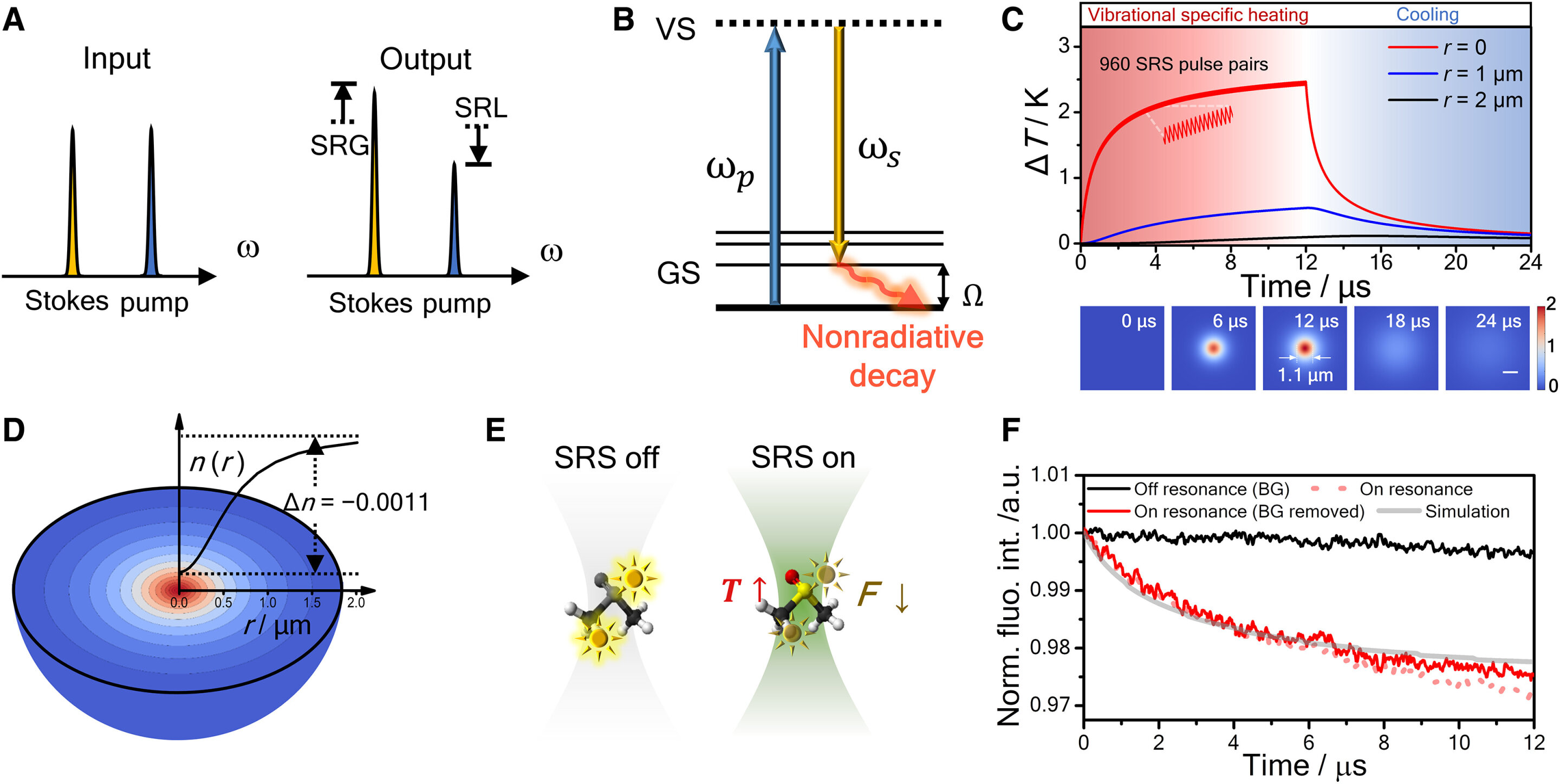
Researchers at Boston University have published two papers in Nature Communications and Science Advances, introducing advanced microscopy techniques that improve the detection limit of vibrational imaging. The techniques, called vibrational photothermal microscopy (VIP microscopy) and stimulated Raman photothermal (SRP) microscopy, allow for the visualization of target molecules at low concentrations without the need for dyes. The findings have significant implications for the field of microscopy and may influence future scientific applications. The researchers have filed provisional patents for both technologies and are collaborating with other experts in the field.

neuroscience2 years ago

Unveiling the Brain's Visual Processing with AI-Enhanced Imaging

Researchers have utilized AI-selected and generated images to study the brain's visual processing. By using functional MRI (fMRI), they found that these images elicited heightened brain activity in targeted areas compared to control images. The approach also allowed for the customization of visual models to individual responses, potentially revolutionizing neuroscience and therapeutic applications. This method provides an unbiased and systematic view of visual processing and could be applied to studying other sensory systems and exploring mental health treatments.

science-and-technology2 years ago

"Revolutionary Superconducting Camera Achieves Unprecedented Single Photon Resolution"

Researchers have developed a superconducting camera with 400,000 pixels that can detect single photons. The camera uses a grid of superconducting wires that lose their superconductivity when struck by a photon, generating a signal. This breakthrough paves the way for larger-format superconducting cameras that could be used in astronomical imaging and biomedical research. The camera has 400 times more pixels than previous versions, making it more practical for low-light endeavors. The team plans to improve the sensitivity of the camera to capture every incoming photon, enabling it to revolutionize fields such as astronomy and medical imaging.

science-and-technology2 years ago

"Breakthrough: NIST Develops Highest-Resolution Superconducting Camera with 400,000 Pixels"

Researchers at the National Institute of Standards and Technology (NIST) have developed a superconducting camera with 400,000 pixels, 400 times more than any other device of its kind. The camera, made up of ultrathin electrical wires cooled to near absolute zero, can detect weak light signals, making it useful for applications in astronomy and biomedical research. By combining signals from multiple pixels onto a few readout wires, the researchers overcame the challenge of connecting each pixel to its own wire. The team plans to improve the camera's sensitivity to capture every incoming photon, enabling it to image faint galaxies, measure light in quantum computers, and contribute to biomedical studies.

science2 years ago

"Breakthrough: Capturing Sound Waves Inside Diamond Crystal"

Scientists have successfully observed sound waves moving through a diamond crystal using a novel X-ray method. By employing an X-ray microscope, the researchers were able to visualize acoustic waves within mm-sized crystals with subpicosecond precision, allowing them to study the creation, propagation, branching, and energy dissipation of longitudinal and transverse acoustic waves in a diamond. This breakthrough could lead to rapid imaging of various solid objects, such as metals, ceramics, rocks, and bones.