Tag

Glass

All articles tagged with #glass

health-and-safety2 months ago

Experts Explain When It's Safe to Microwave Plastic

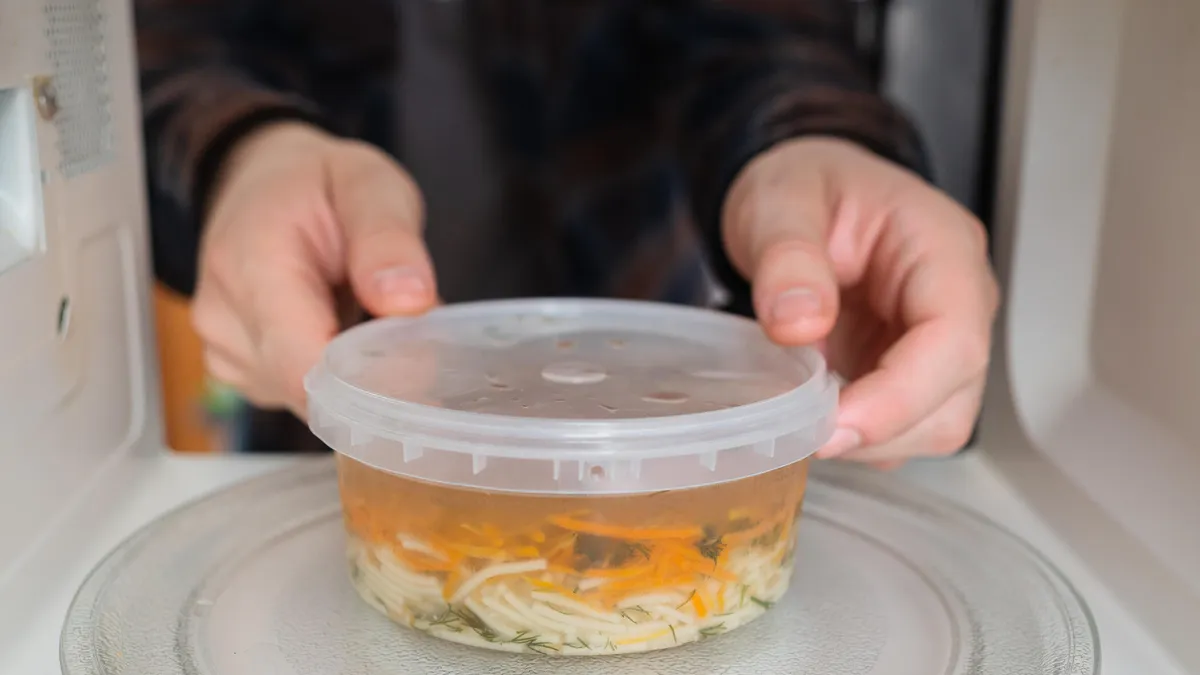
Using the microwave safely involves understanding which materials are appropriate; glass and ceramic are generally safe, while plastics should be carefully chosen and damaged containers discarded. Metals are never safe in microwaves, and decorative or damaged containers can pose risks. Always look for microwave-safe labels and avoid sudden temperature changes to prevent accidents and chemical leaching.

science-and-technology1 year ago

"Revolutionary Self-Cleaning Material Outshines Glass and Cools Interiors"

Researchers at the Karlsruhe Institute of Technology have developed a new glass-like material called Polymer-based Micro-photonic Multi-functional metamaterial (PMMM) that is more transparent, better at keeping out heat, and self-cleaning. This material can be used in windows, roofs, and walls to create bright, glare-free, and privacy-protected indoor spaces while keeping rooms cooler by up to six degrees through radiative cooling.

technology1 year ago

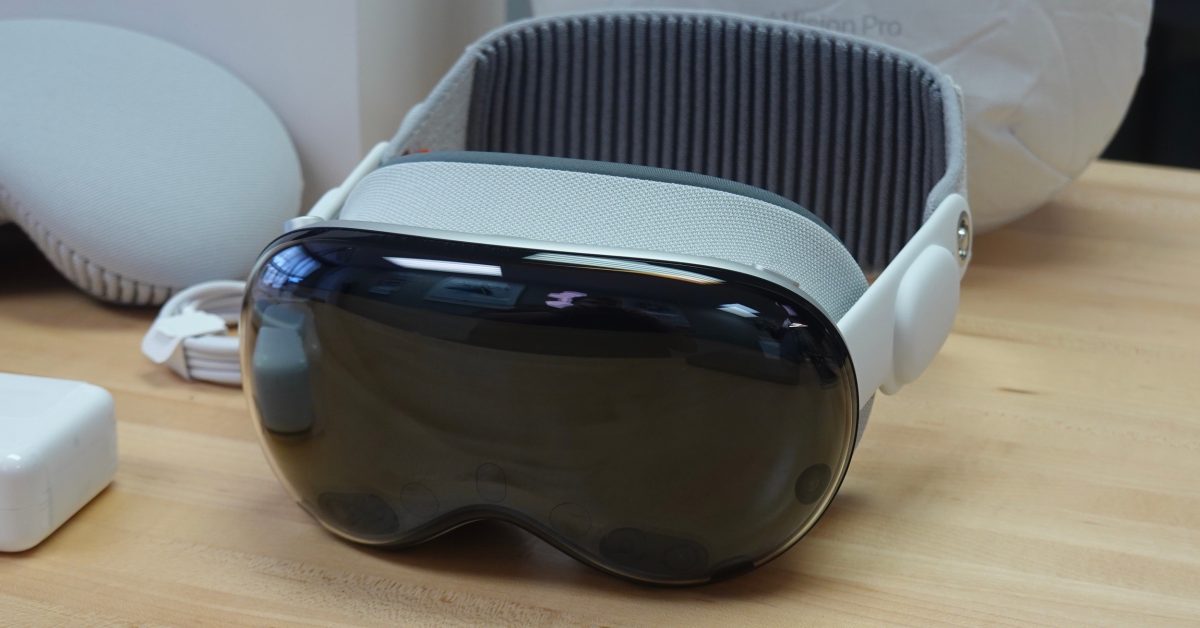
"Apple Vision Pro Owners Alarmed by Spontaneous Front Glass Cracks"

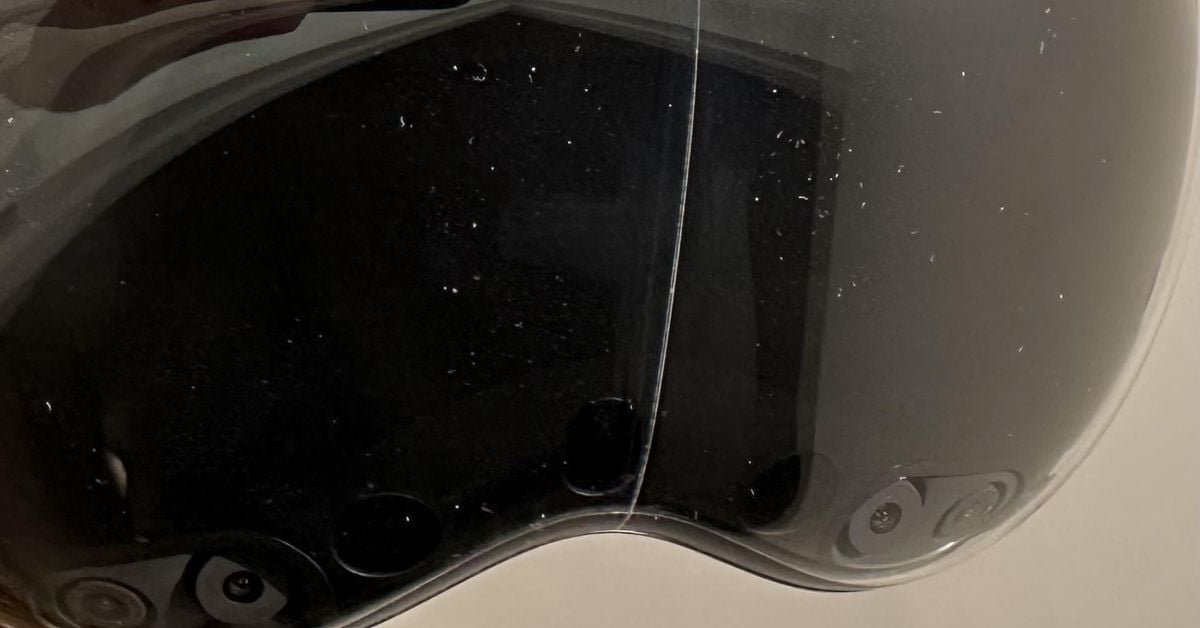
Vision Pro owners are reporting mysterious cracks in the front glass of their headsets, with multiple Redditors posting about the issue in the r/VisionPro subreddit. The cracks appear in the same area above the nose bridge, and affected users claim they didn't cause the damage. Speculation suggests it could be a heating issue during charging, a manufacturing problem, or a design flaw. Repairing the Vision Pro is expensive, with a $299 deductible for Apple Care users. The extent of the issue is unclear, and Apple has not yet responded to inquiries about the problem.

science1 year ago

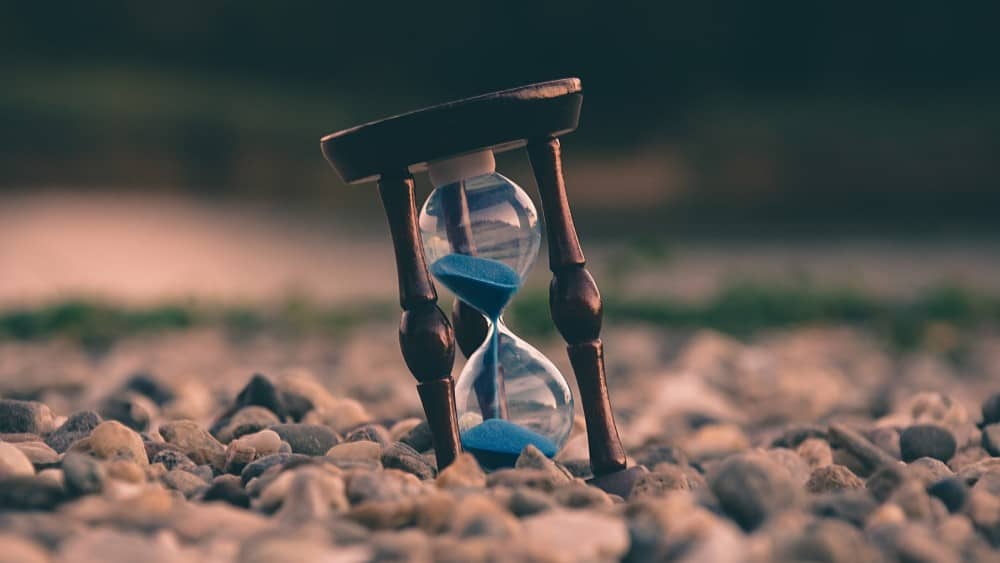
"First Evidence of Time Reversal Discovered by Scientists"

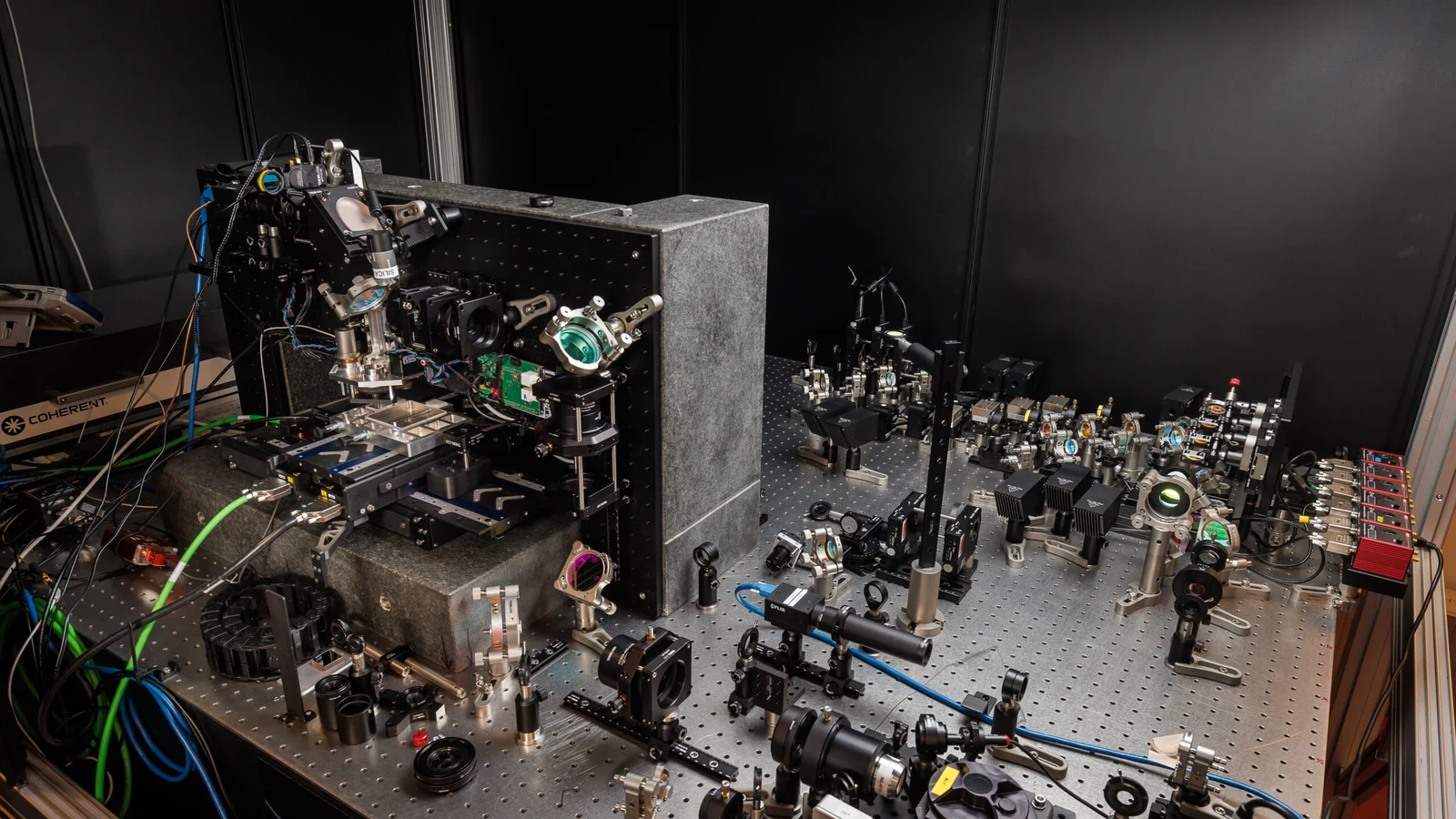
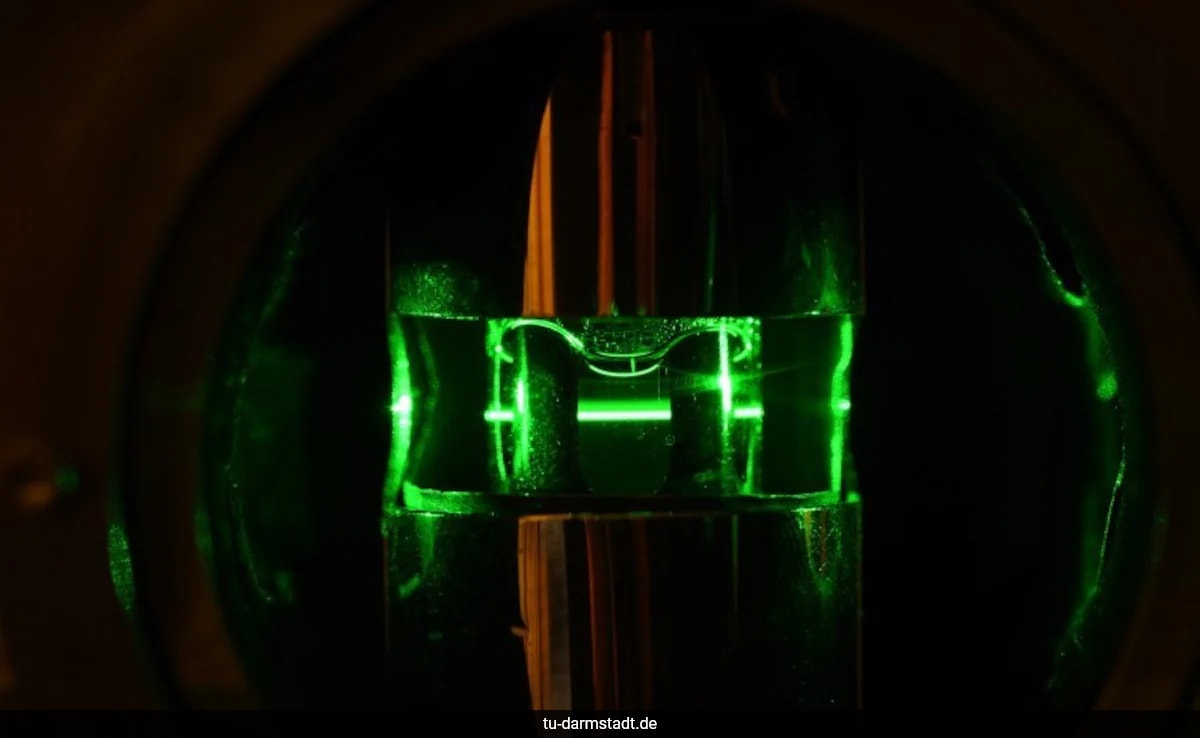
Scientists have discovered evidence of time reversal at a microscopic level in a study focusing on the aging of materials, particularly glass, which constantly rearranges its molecular structure, effectively reversing time. The research, published in Nature Physics, used scattered laser light and an ultra-sensitive video camera to observe the minuscule fluctuations in the molecules. While this discovery won't lead to human time travel, it challenges our understanding of certain materials and the concept of time itself.

science1 year ago

"Groundbreaking Study Reveals Evidence of Time Reversal and 'Time Travel' Discovery"

Scientists have discovered evidence of time reversal at a microscopic level in a study focusing on the aging of materials, particularly glass, which constantly rearranges its molecular structure, effectively reversing time. The research, published in Nature Physics, used scattered laser light to observe the minuscule fluctuations in the molecules. While this finding won't lead to human time travel, it challenges our understanding of certain materials and the concept of time itself.

technology1 year ago

"Scratch Susceptibility and Spectacular Magic: Apple Vision Pro Unveiled"

The Apple Vision Pro's front glass has been found to be highly susceptible to scratches, despite being resistant to accidental damage. Tests by JerryRigEverything revealed that the glass scratches easily at level two on the Mohs scale, making it vulnerable to objects like keys and coins. The glass also has a plastic layer on top, making it prone to scratching. While the plastic cover makes the Vision Pro more resistant to accidental damage, it costs $799 to replace the front glass.

science1 year ago

"Groundbreaking Discovery: Time Reversibility Uncovered in Glass"

Scientists have discovered evidence of time travel at a microscopic level in the structure of certain materials like glass, where time effectively 'shuffles'. The study from researchers at the Technical University of Darmstadt in Germany observed glass samples pushing and reforming into new arrangements, suggesting that time doesn't behave in a strictly linear manner at this level. While this finding won't lead to human time travel, it challenges our understanding of materials and the concept of time, and it also rules out the possibility of traveling back in time, according to a related study.

science-and-technology1 year ago

"Unlocking Time Reversibility: Glass's Potential for Time Travel Revealed"

Scientists have discovered evidence of a material-based measure of the ability to reverse time, challenging the linear nature of time in certain materials like glass. This breakthrough in measuring time, known as material time, has been achieved through the study of glass's molecular reconfiguration, providing insight into its ability to reverse time on a molecular level. This finding could have significant implications for understanding the aging process of materials and the laws of physics.

science1 year ago

"Time Reversibility Unveiled: Glass's Key Role in Time Travel"

German physicists have discovered that glass and plastic have an "inner clock" that can reverse under certain conditions, challenging the traditional concept of time as a one-way street. This groundbreaking finding, published in Nature Physics, suggests that materials could potentially heal themselves or store information in new ways. The study opens up a new realm of possibilities for understanding time and materials, leaving many unanswered questions and paving the way for further research in this fascinating area of physics.

science-and-technology2 years ago

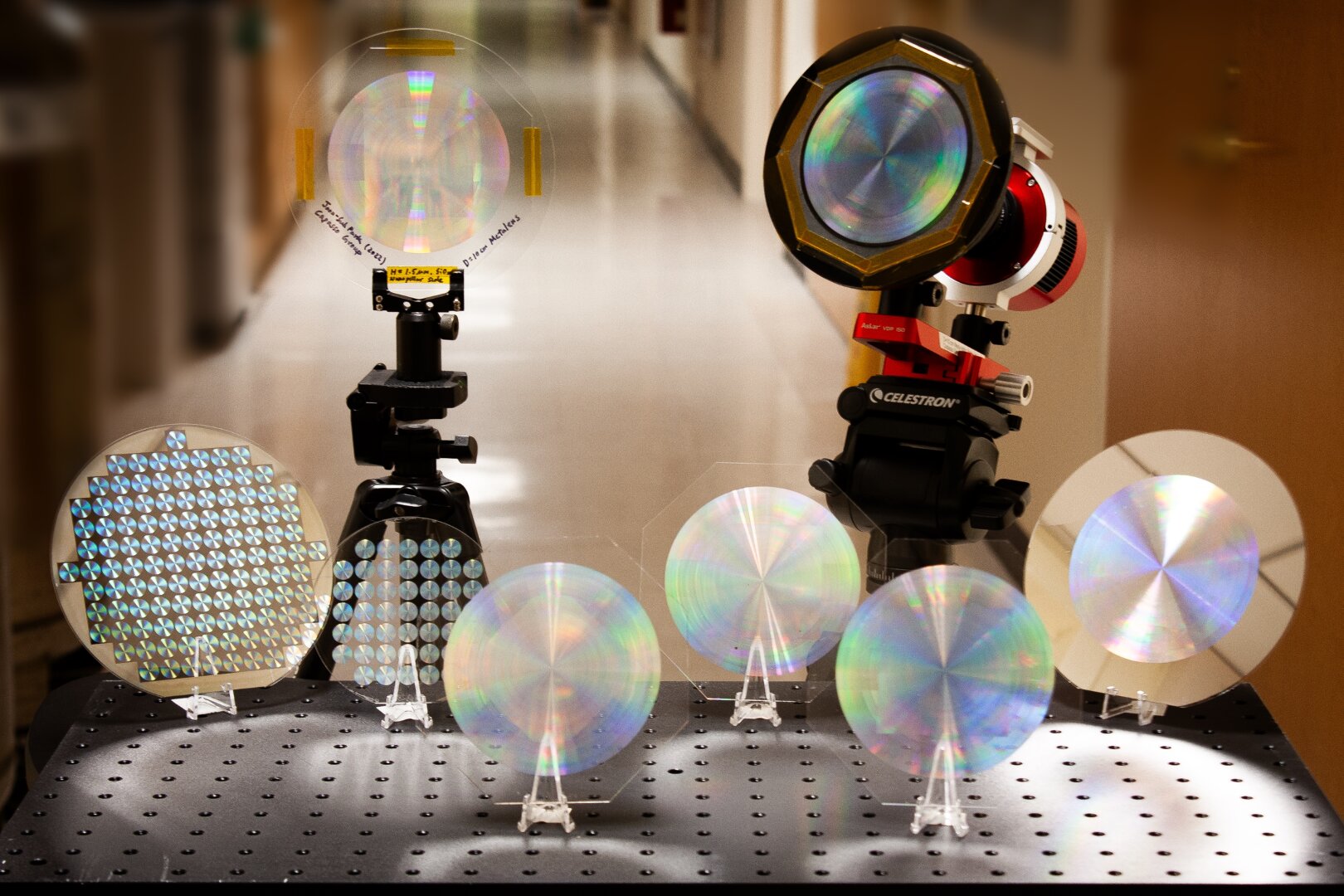
"Revolutionary All-Glass Metalens Captures Stunning Images of Sun, Moon, and Nebulae"

Researchers at Harvard SEAS have developed a 10-centimeter-diameter glass metalens using conventional CMOS fabrication technology, allowing it to image the sun, moon, and distant nebulae with high resolution. By overcoming engineering challenges, the team demonstrated the metalens' ability to survive extreme conditions and produce detailed images comparable to those taken by conventional lenses. This breakthrough opens new opportunities for space science and technology, as well as applications in astronomy, free-space optical communications, long-range telecommunications, and directed energy transport.

science-and-technology2 years ago

"The Glass Revolution: Bending and Bouncing into the Future"

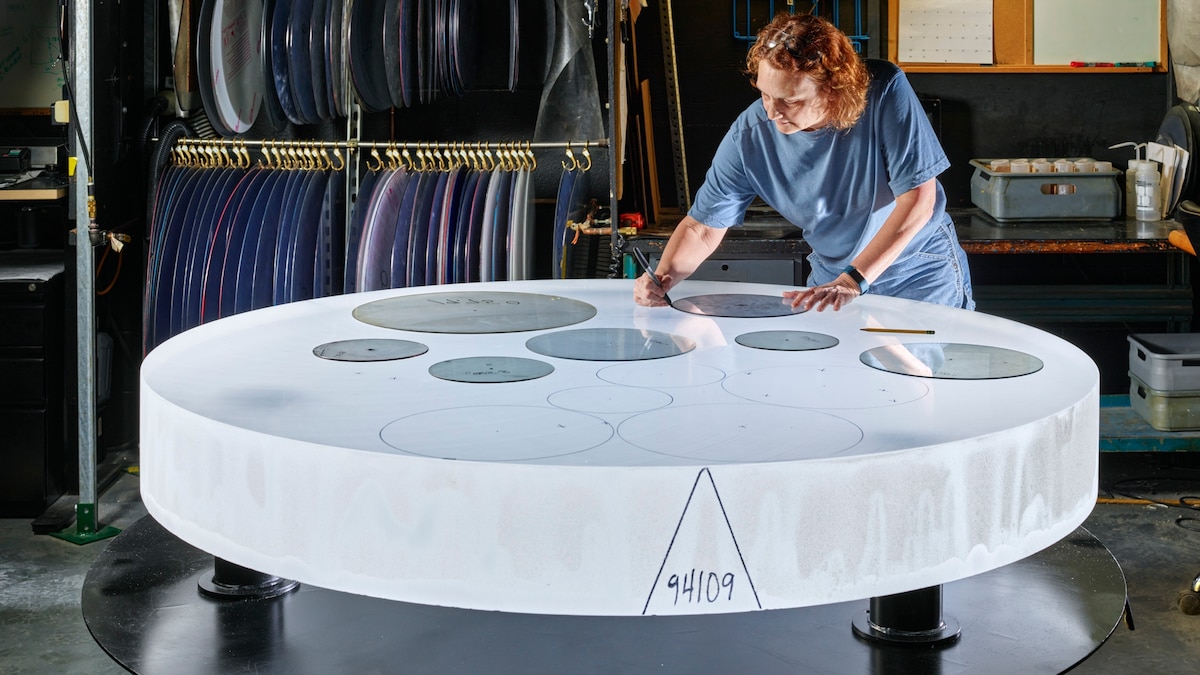
Glass is undergoing a revolution with advancements like E6, a pure optical glass produced in handmade clay pots, and scientists are using it to explore various frontiers. The UN recognizes glass as a 100% recyclable building block crucial for reaching sustainable development goals. From bioactive glass for bone healing to immobilizing radioactive waste, glass is being reinvented for diverse applications. The Giant Magellan Telescope, made with E6, is set to revolutionize astronomy by enabling unprecedented observations of distant planets, potentially leading to groundbreaking discoveries.

science2 years ago

"Possible Extraterrestrial Origins of Mysterious Yellow Glass Found in Libyan Desert"

Researchers have determined that a rare kind of yellow glass found in the Great Sand Sea desert between Egypt and Libya is from a meteorite impact. The glass contains minerals that form under high pressure, indicating an impact or explosion. However, there is no nearby crater that could be the impact site, raising questions about its origins. Further investigations, including remote sensing studies and geophysics, will be needed to uncover the mystery.

science-and-technology2 years ago

The Long-Term Effects of Radiation on Lunar Glass

Researchers have found that billions of years of exposure to radiation has made glass on the moon harder. By studying glass samples brought back by China's Chang'e-5 lunar lander, the team observed major changes in the glass's Young's modulus, with changes of up to 70%. The radiation bombardment also made the glass harder. This research provides insights into the aging effects of lunar glasses and the impact of cosmic rays and solar radiation on the moon's surface.

science-and-technology2 years ago

"DNA and Glass Composite: The Super Material That's 5x Lighter and 4x Stronger Than Steel"

Scientists have developed a supermaterial by combining the structure of DNA with the purity of glass, resulting in a material that is five times lighter and four times stronger than steel. The material, created by researchers from the University of Connecticut, Columbia University, and Brookhaven National Lab, achieves an unprecedented balance between strength and lightness. By using DNA as a scaffold and applying a glass coating, the researchers were able to create a robust and lightweight material with potential applications in various industries, including the development of improved armor. Further research is needed to explore the full potential of this technology.

science-and-technology2 years ago

The Science Behind Glass: Exploring its Composition and Properties

Glass is a material that defies simple categorization as a liquid, solid, or gas. While it has some liquid-like properties, it doesn't flow much at all. Scientists are still trying to understand the fundamental nature of glass and why it is solid. Glass is essentially a liquid that cools too quickly for crystals to form, resulting in a chaotic, amorphous structure. The lack of a complete theory of glass makes it difficult to predict its properties and engineer new types of glass. Scientists are also intrigued by the possibility of an "ideal" glass, which would represent a new phase of matter. Understanding glass better could lead to advancements in various fields, from engineering bendable smartphone screens to developing materials for nuclear waste storage.