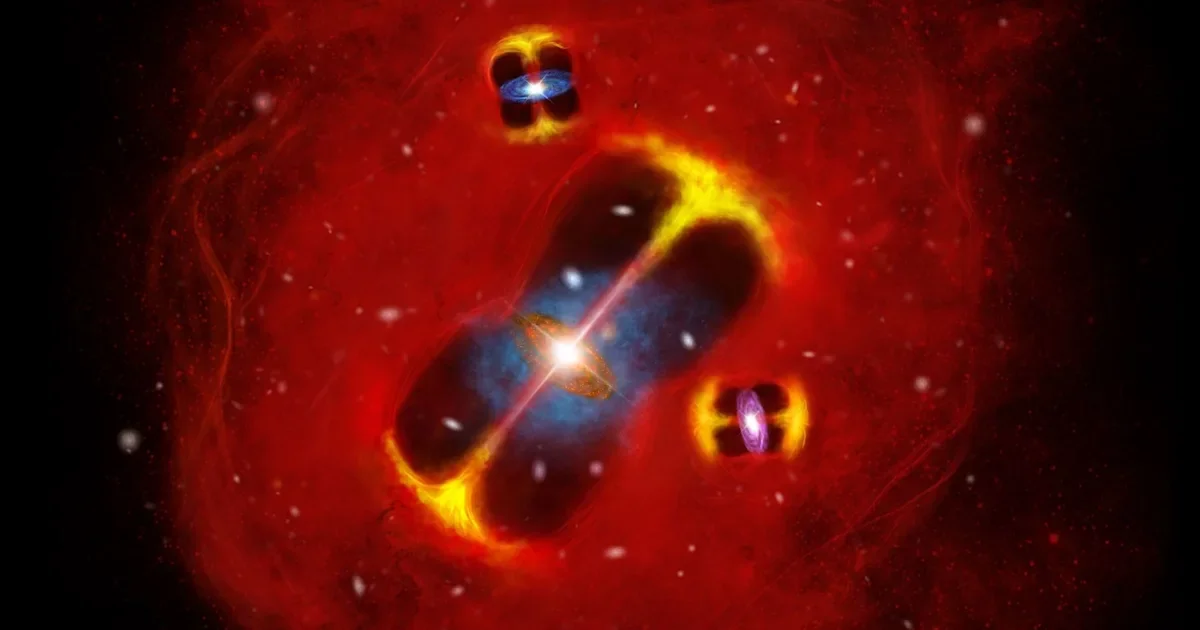
Scientists discovered an extremely hot and old galaxy cluster from just 1.4 billion years after the Big Bang, which challenges current cosmological theories. The cluster's unexpected heat is likely due to energy from supermassive black holes at its core, suggesting galaxy clusters evolve more explosively than previously thought, potentially reshaping our understanding of the early universe.
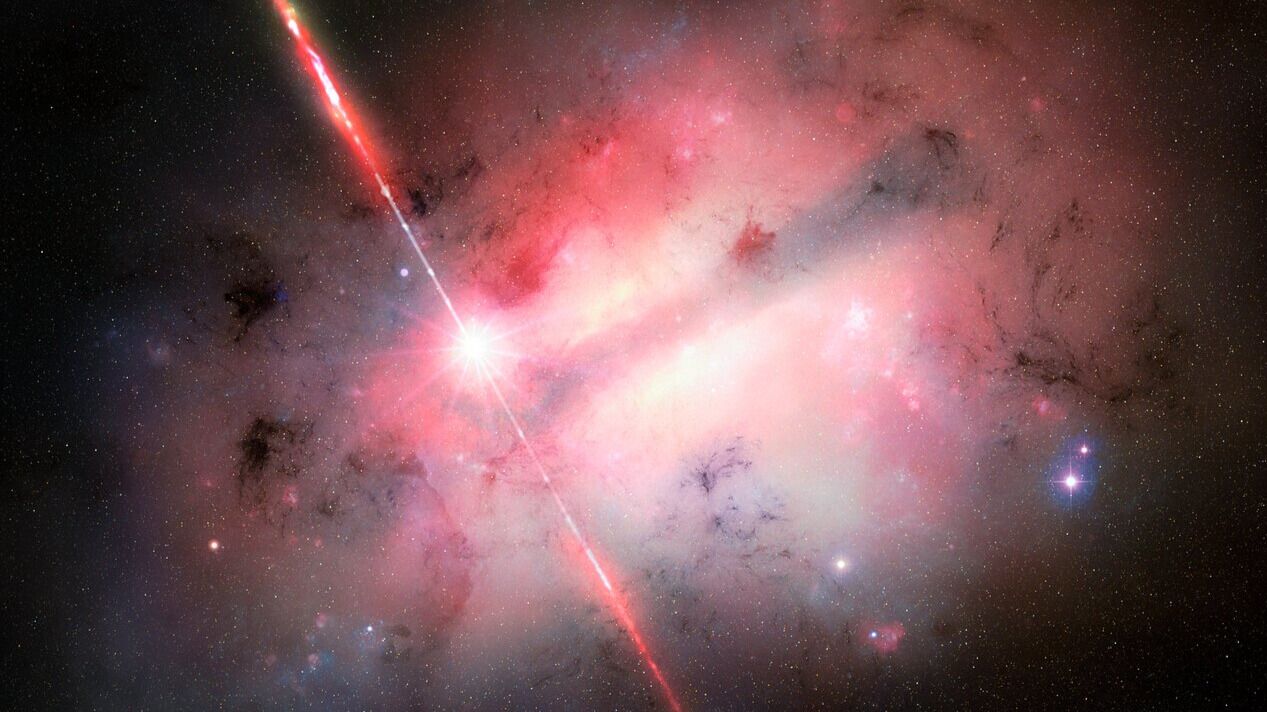
Scientists observed GRB 250702B, the longest gamma-ray burst ever recorded, lasting over seven hours and originating from a dusty galaxy 8 billion light-years away, challenging existing models of such explosions and possibly caused by a massive star's death, a black hole merger, or a helium star-black hole interaction.
Scientists observed the longest gamma-ray burst ever recorded, GRB 250702B, which lasted over seven hours and originated from a dusty galaxy 8 billion light-years away, challenging existing models of such explosions and possibly caused by the death of a massive star, a black hole merger, or a related event.
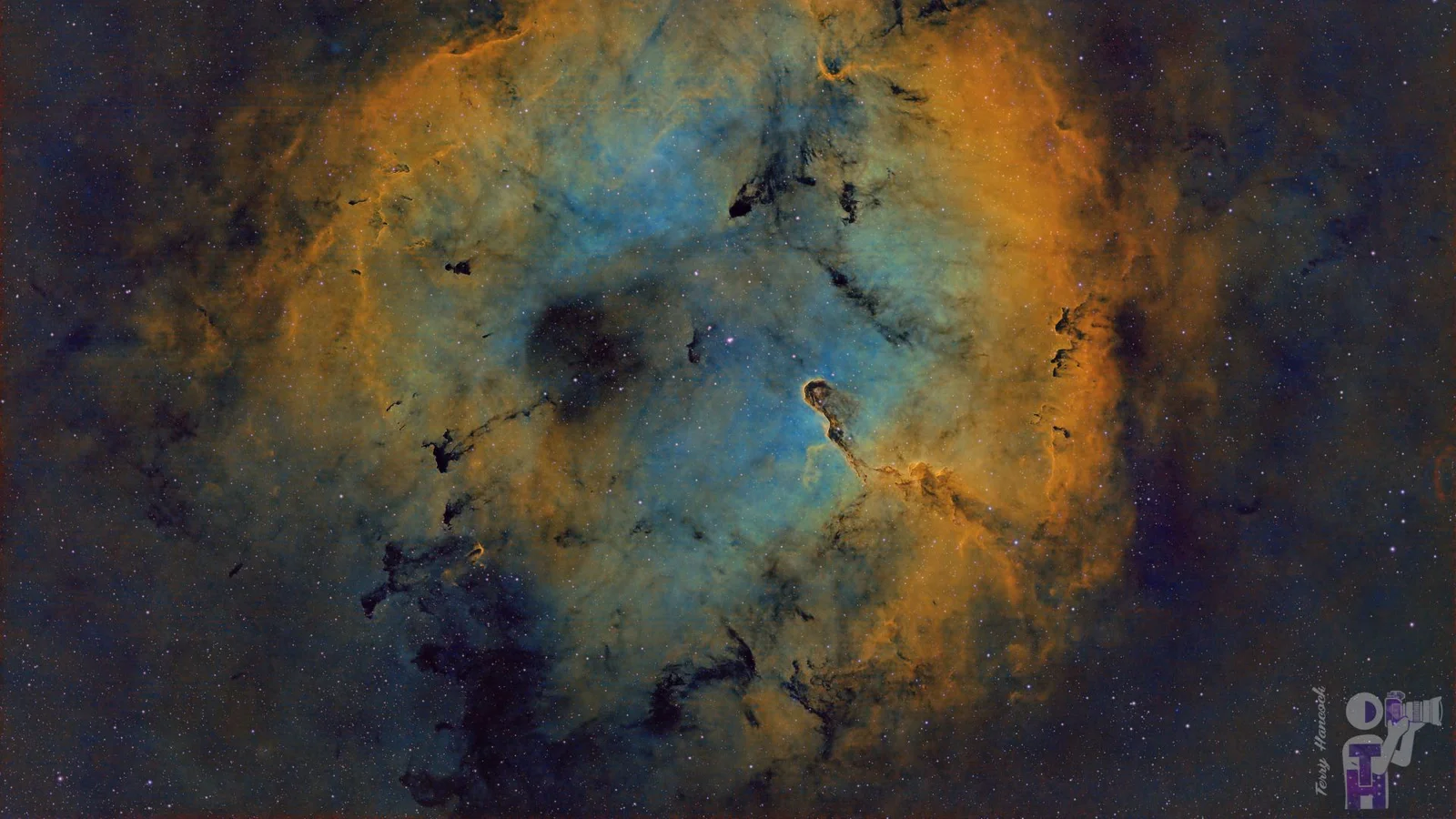
Astrophotographer Terry Hancock captured a detailed image of the Elephant Trunk Nebula in the star-forming region IC 1396, located 2,400 light-years away, using a specialized camera and long exposure techniques, revealing intricate structures of this cosmic cloud.
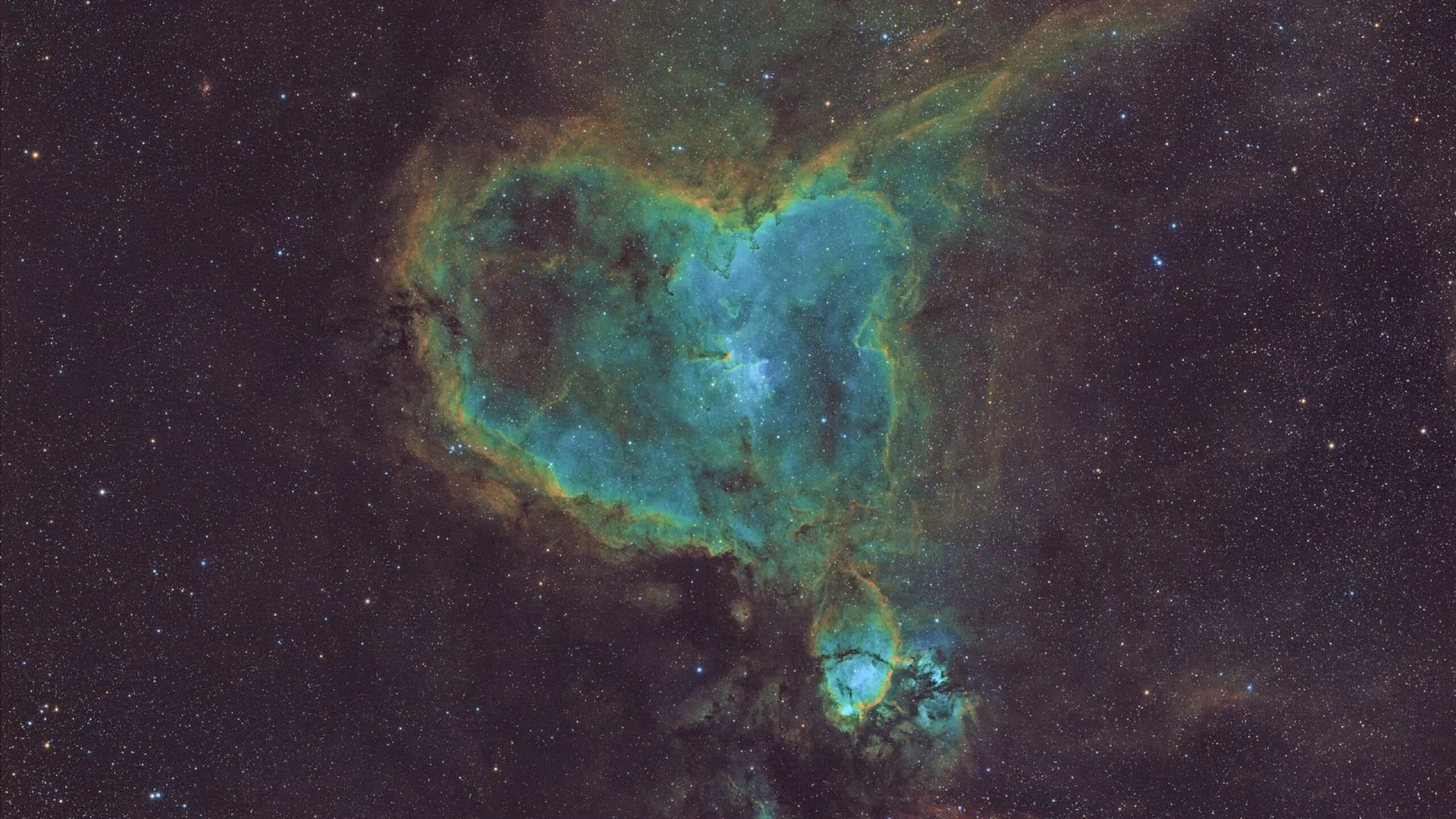
Astrophotographer Ronald Brecher captured a stunning, colorful image of the Heart Nebula (IC 1805) in the constellation Cassiopeia, using a telescope and filters over 40 hours, revealing a vibrant star-forming region 6,000 light-years away in the Milky Way.
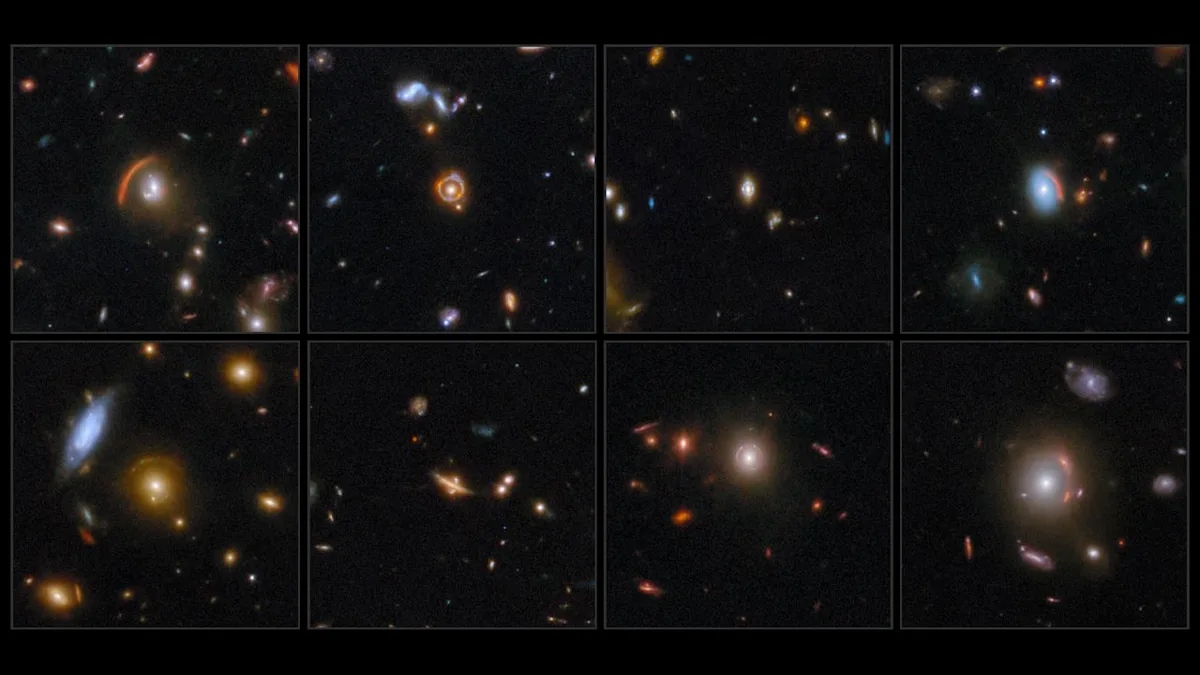
NASA's James Webb Space Telescope has captured stunning images of gravitational lensing, where massive galaxies bend light from more distant galaxies, acting as natural cosmic magnifiers. These images, part of the COSMOS-Web program, reveal detailed views of galaxy formation and provide new insights into the universe's history, surpassing previous observations by the Hubble Space Telescope.
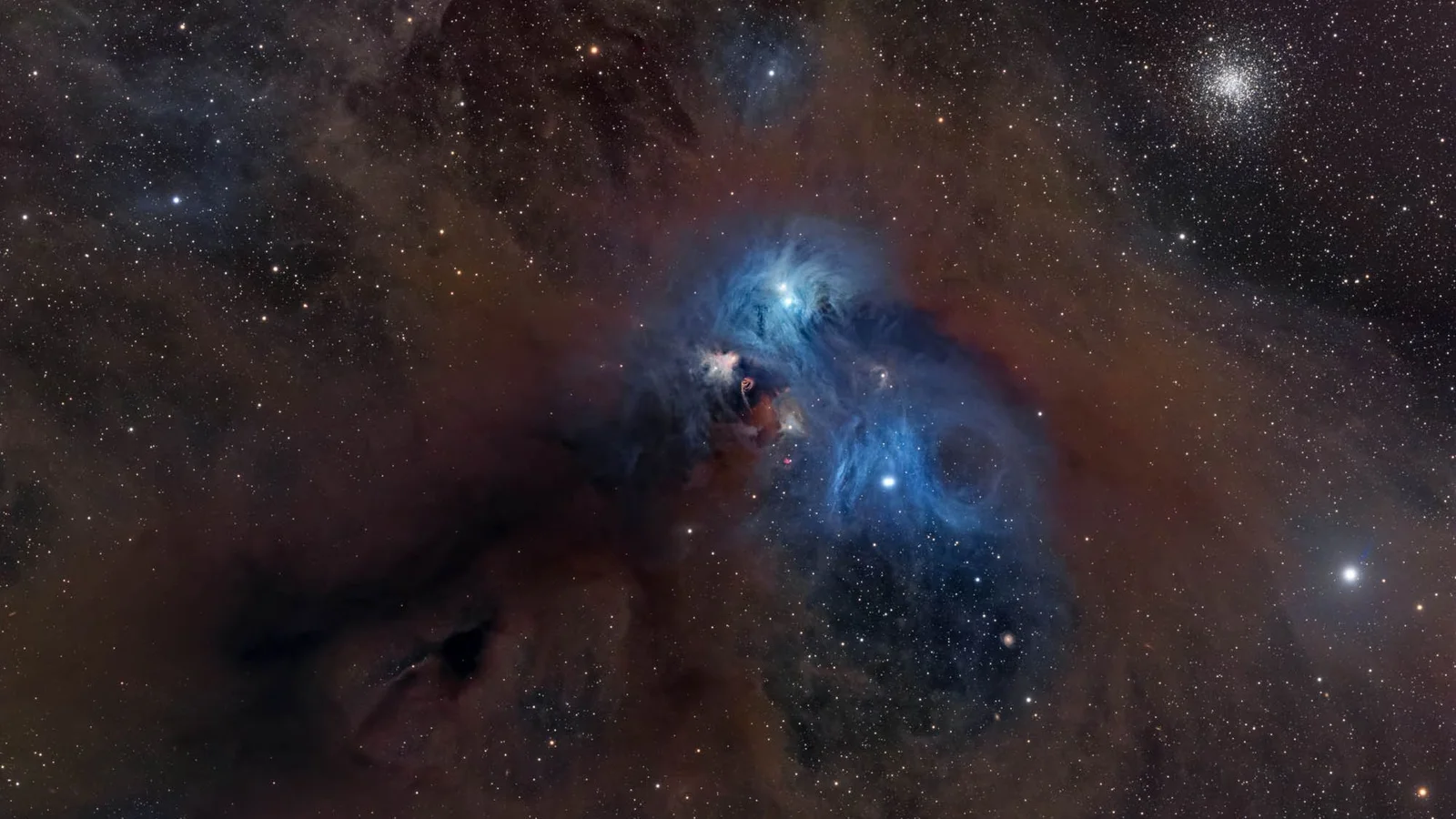
Astrophotographer Greg Meyer captured a stunning image of the Raging Baboon Nebula, a colorful cosmic cloud resembling a baboon's face, located 500 light-years away in the constellation Corona Australis, using advanced telescopes and cameras over 13 nights.
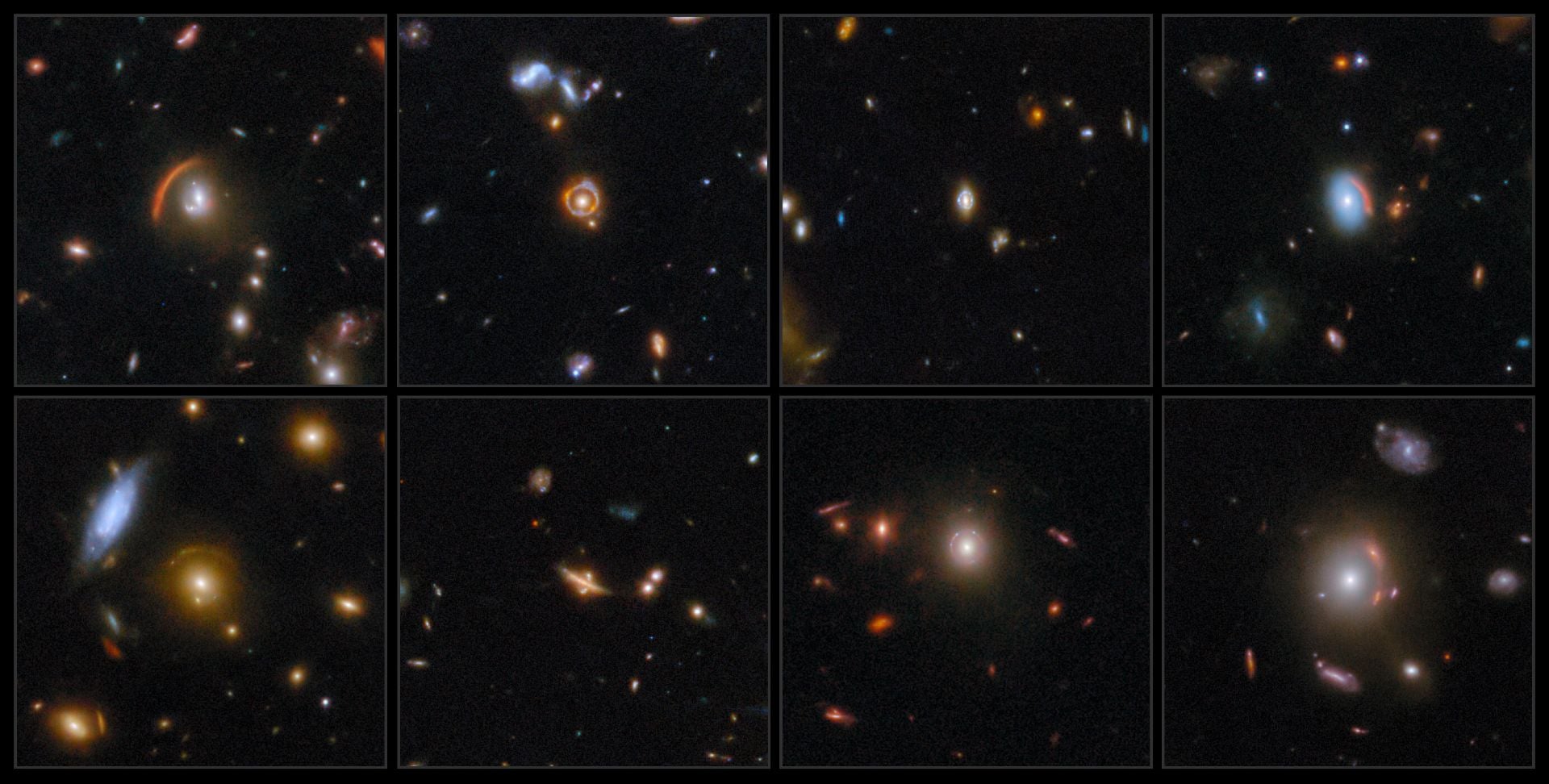
The James Webb Space Telescope has captured eight stunning Einstein rings caused by gravitational lensing, providing new insights into distant galaxies, dark matter, and the early universe, demonstrating Einstein's predictions and advancing our understanding of cosmology.
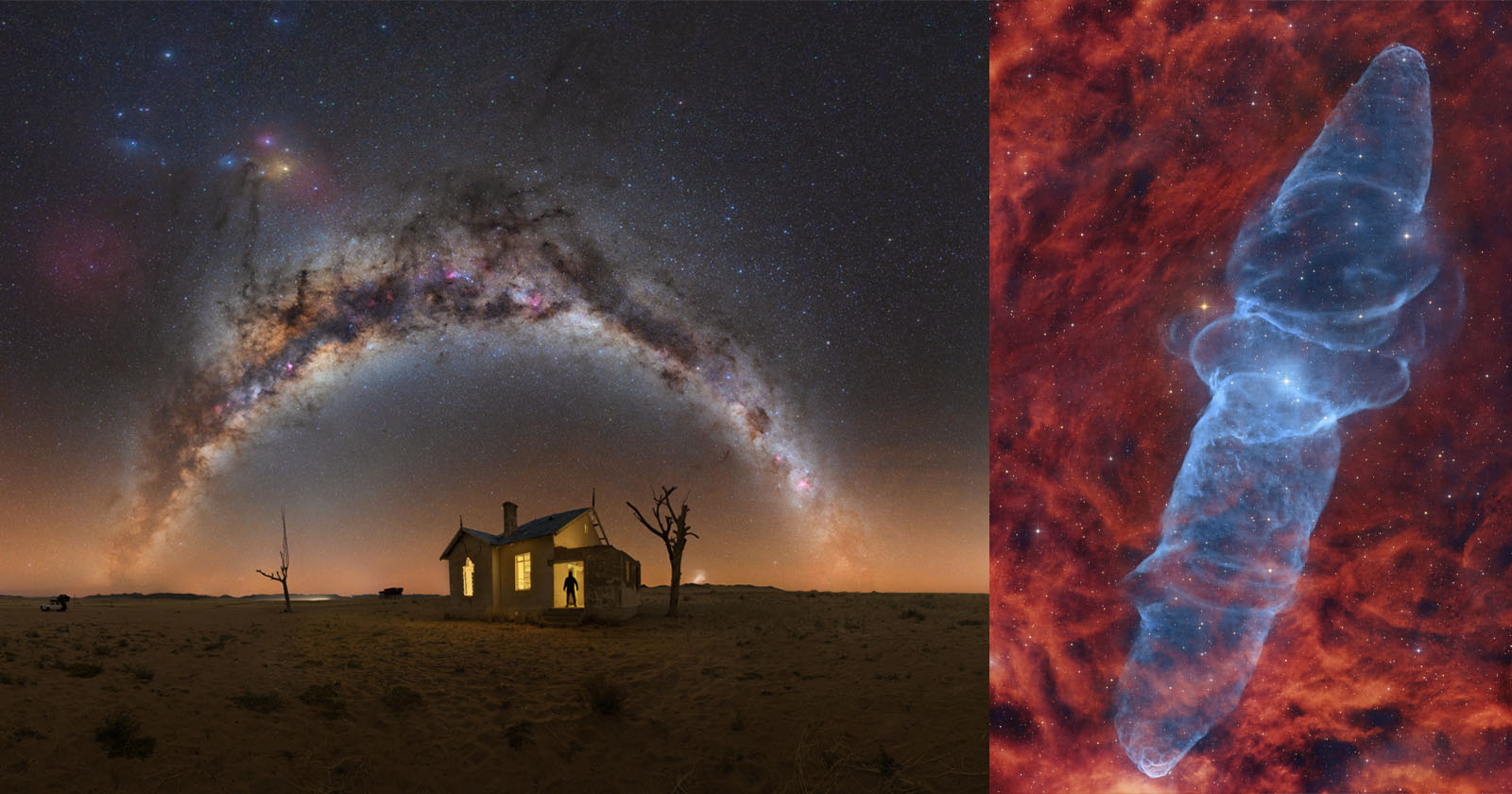
The 2025 Astrophotography Prize announced its winners from a global competition with 545 entries, highlighting stunning images of deep space, the solar system, and astrophysical landscapes, with Ani Shastry named Photographer of the Year for her Nebula shot, and other winners recognized for their technical excellence and creative impact.
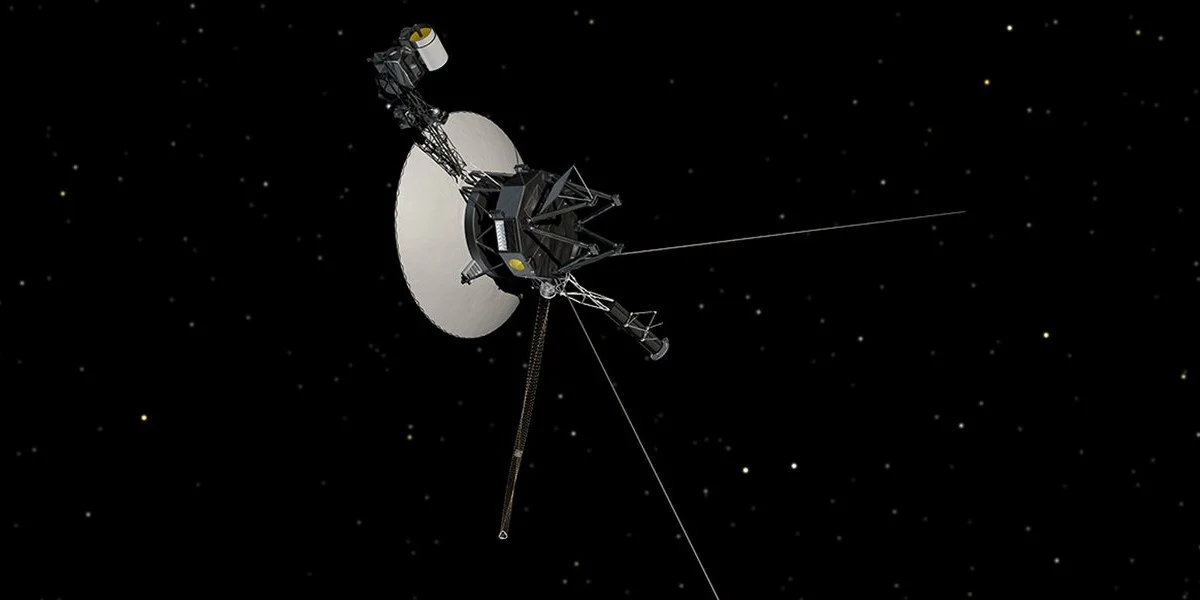
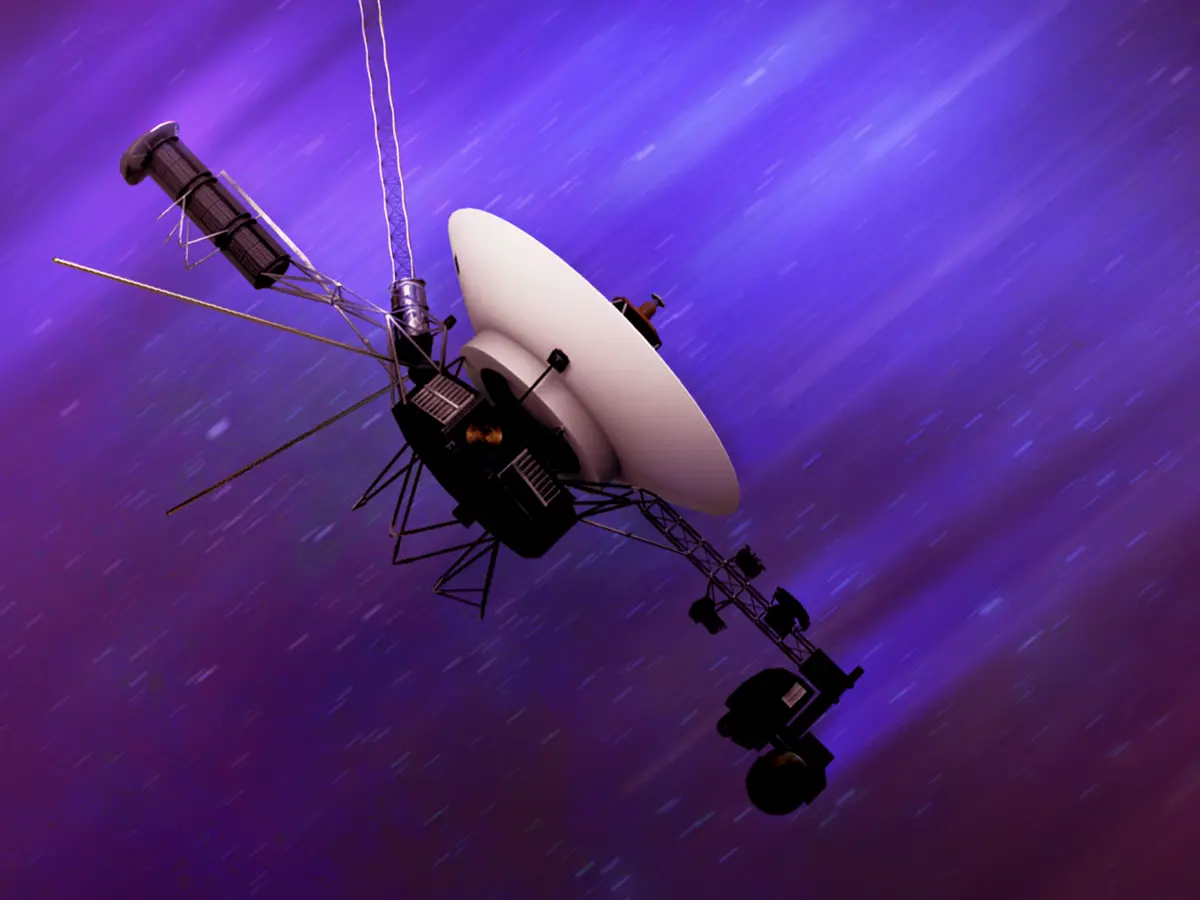
Voyager 1, launched nearly 50 years ago in 1977, continues to send data from deep space despite aging and reduced instrument functionality, with engineers working to extend its mission into the 2030s, making each communication a valuable bonus.
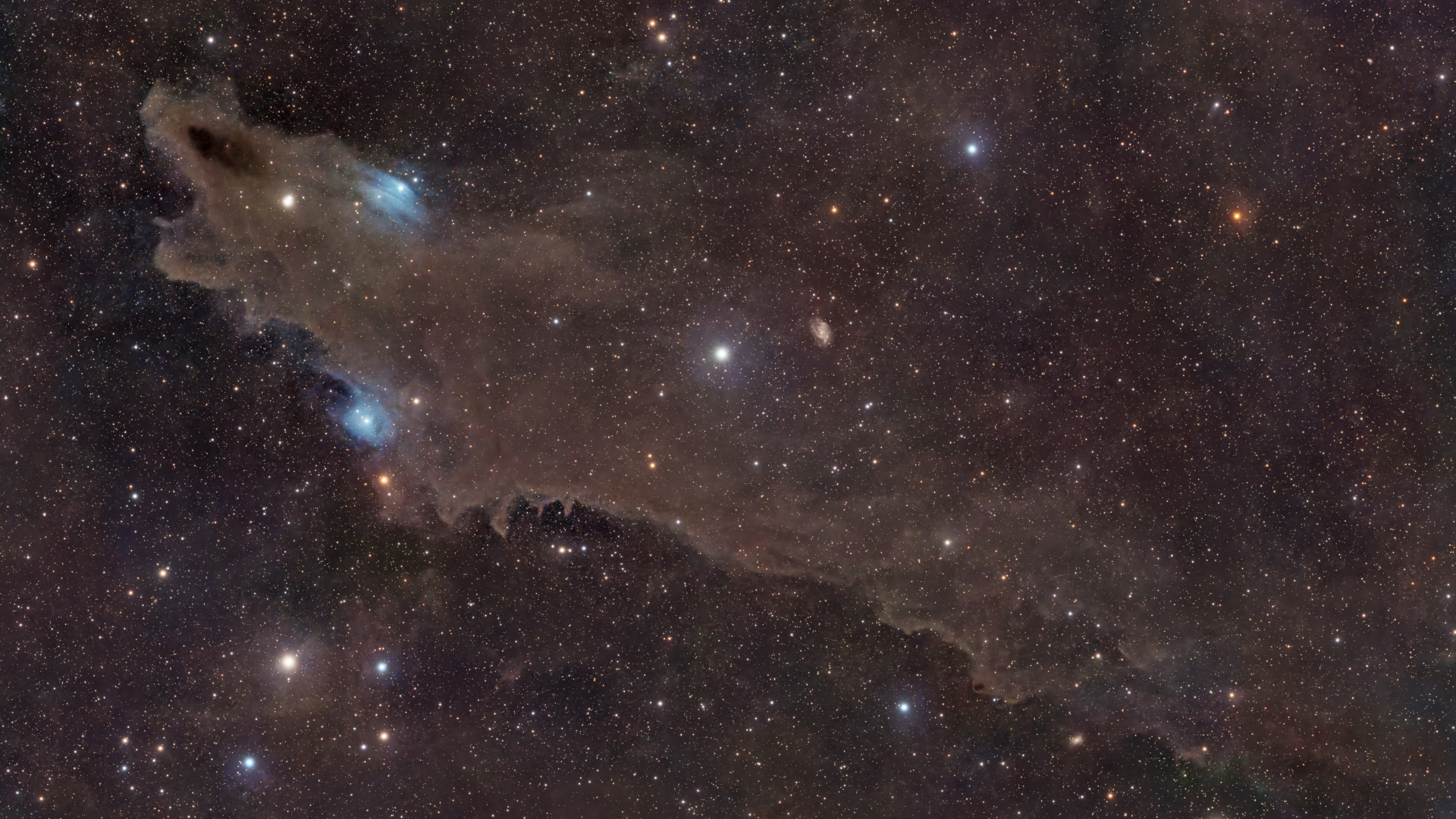
Astrophotographer Ronald Brecher captured a stunning image of a cosmic shark-shaped nebula in the constellation Cepheus, formed by interstellar dust and gas, with notable features including a bright star and reflection nebulas, using advanced equipment and postprocessing techniques.
NASA's Voyager 1, launched in 1977, has been exploring beyond our solar system for over 40 years, surviving a high-temperature 'firewall' region with temperatures around 50,000°C thanks to its robust design and reliable power sources, providing valuable data about interstellar space.
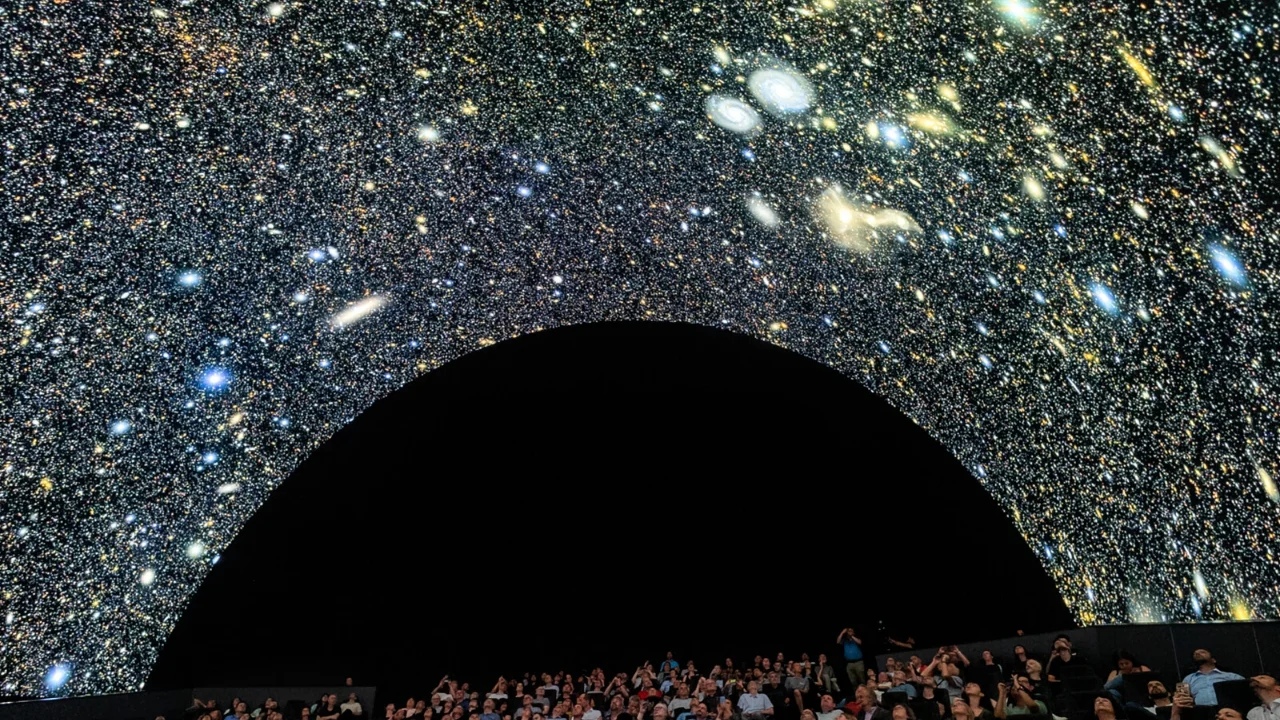
The Prague Planetarium showcased the first images from the Vera Rubin Observatory, which features the world's largest digital camera and aims to map billions of celestial objects over 10 years to study dark matter, captivating audiences worldwide with its detailed cosmic views.
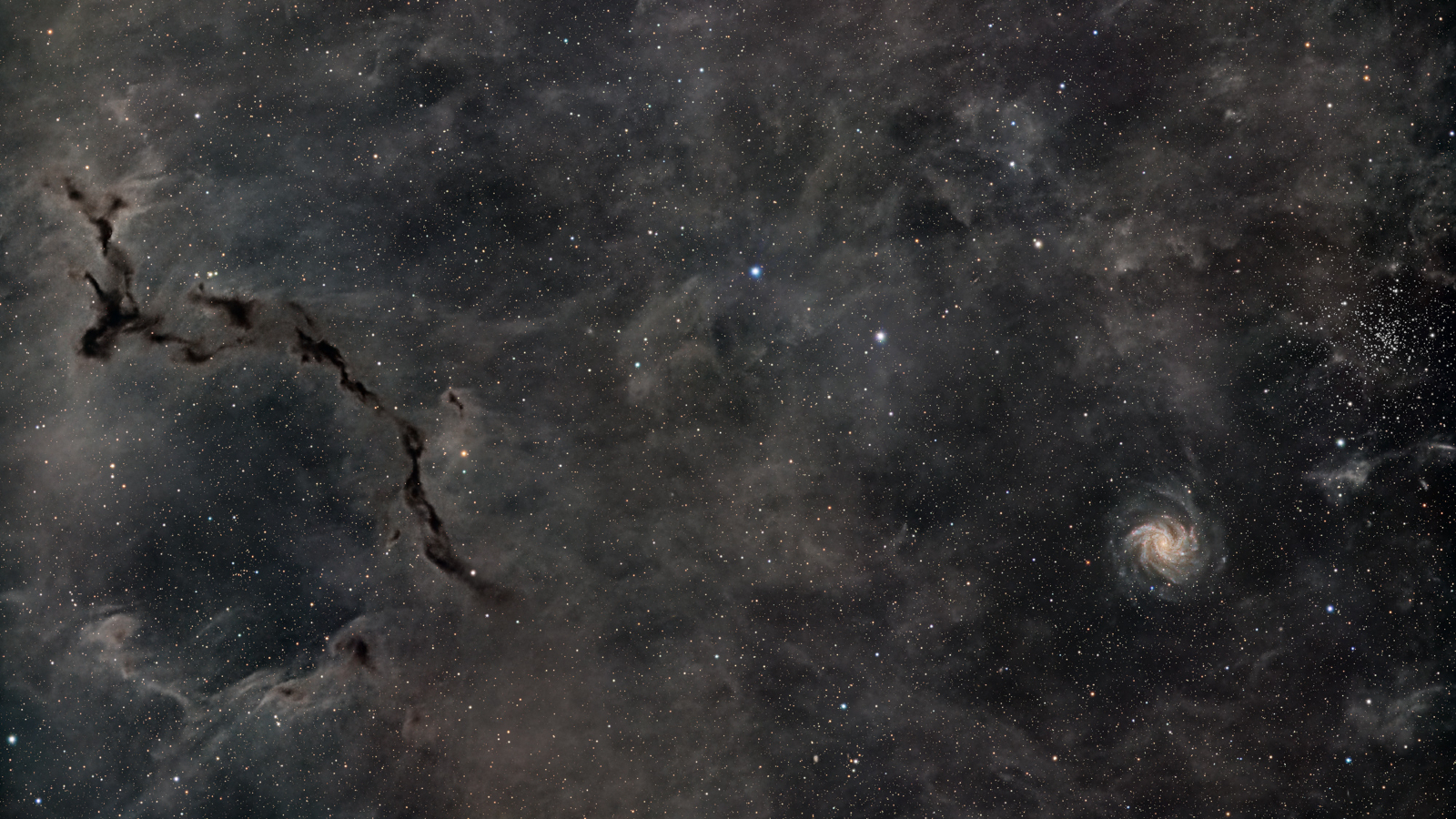
Astrophotographer Greg Meyer captured a stunning image featuring the Fireworks Galaxy, the Seahorse Nebula, and the Ghost Bush star cluster in a single shot, showcasing a breathtaking deep-space vista from Arizona, despite the objects being millions of light-years apart.
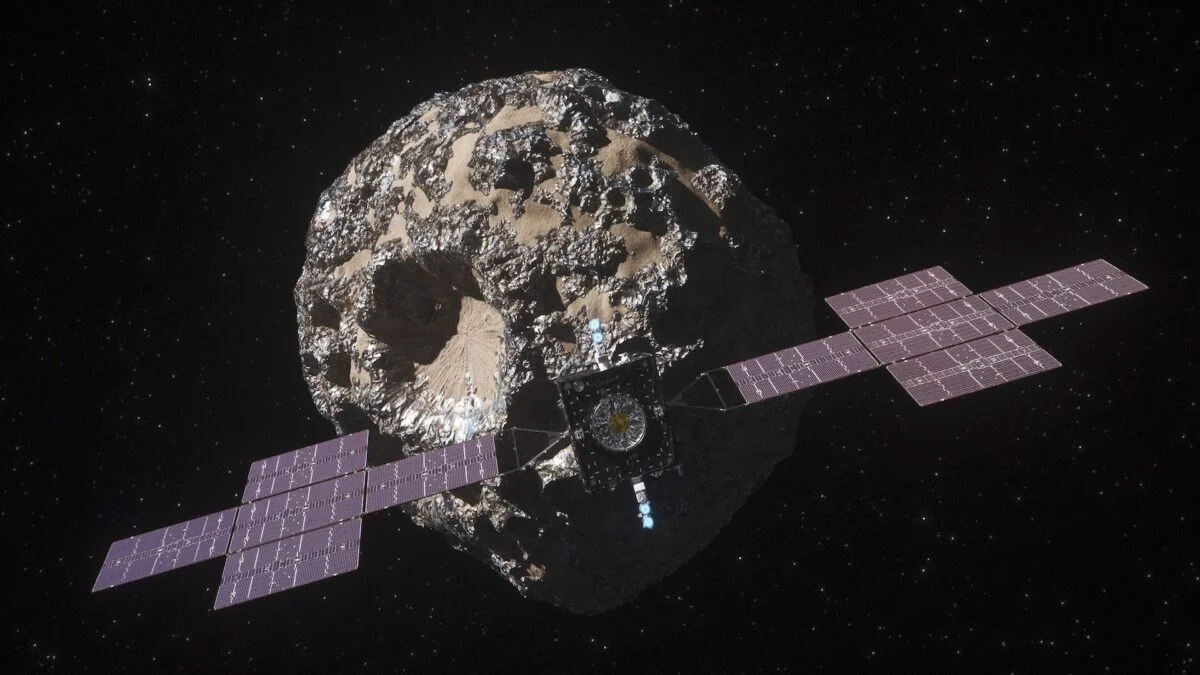
Scientists at ESA successfully used a laser to communicate with a spacecraft 165 million miles away, marking a significant step toward developing a Solar System Internet with faster data transmission capabilities for future space missions.