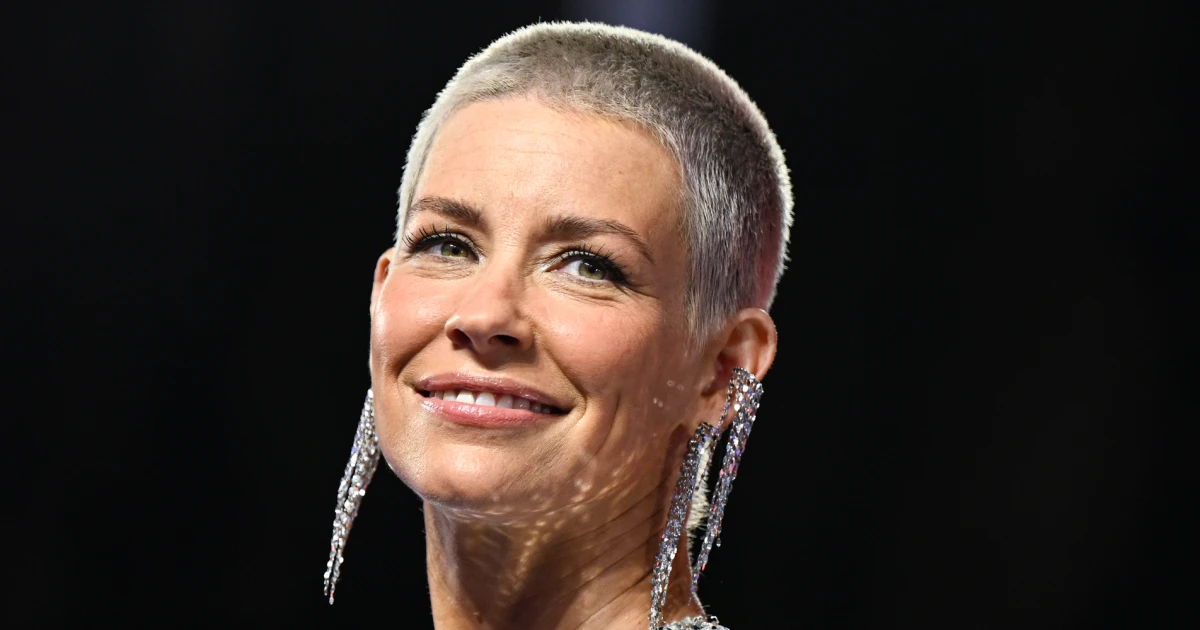
Evangeline Lilly revealed she suffered a traumatic brain injury after falling at the beach in Hawaii, which has led to decreased brain function, and she is now working with doctors to address the issue, viewing the incident as a necessary reset in her life.
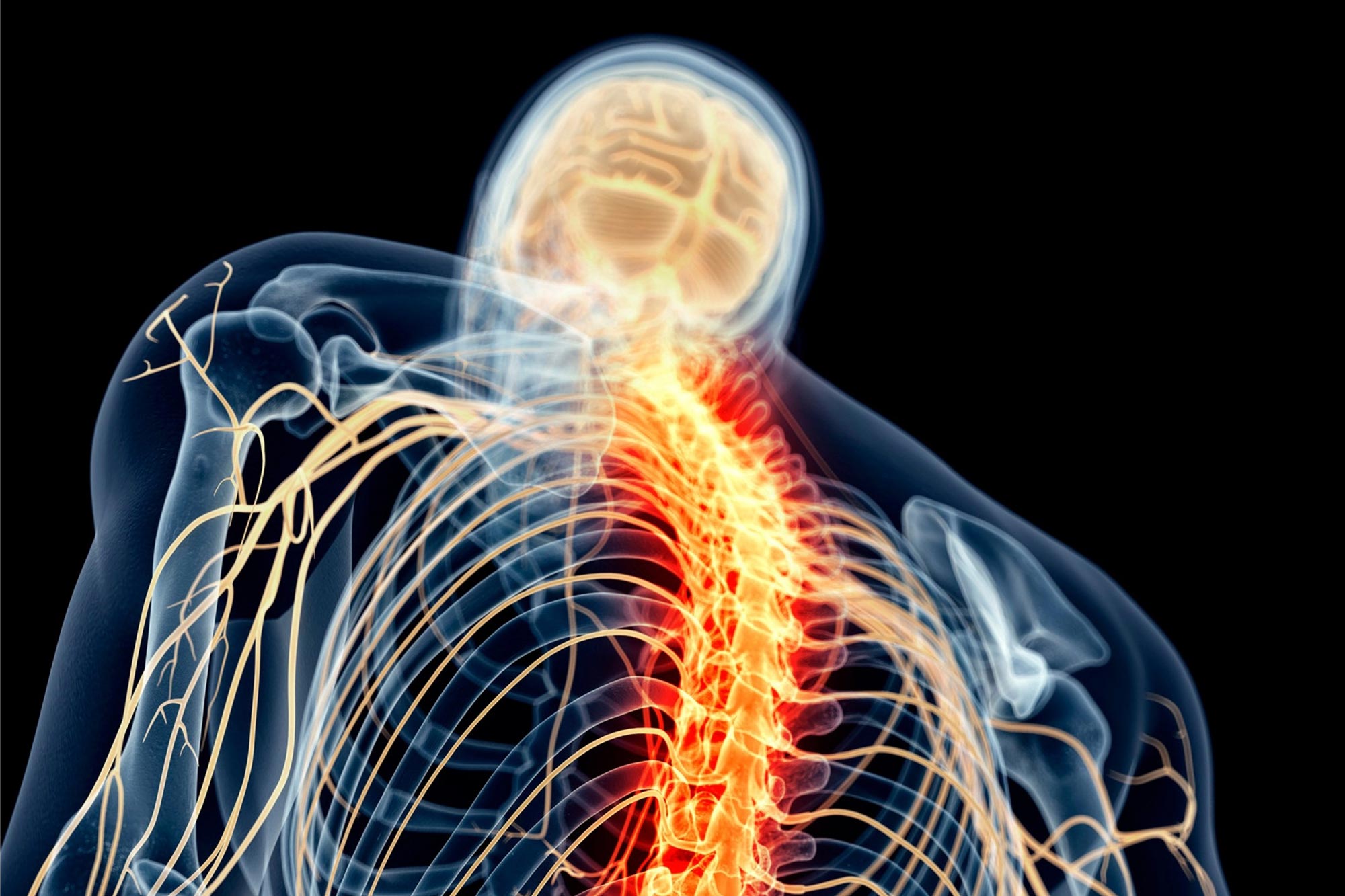
Scientists at Cedars-Sinai discovered a new role for astrocytes, called lesion-remote astrocytes (LRAs), which communicate with immune cells to clear debris and promote repair in spinal cord injuries, potentially leading to new treatments for neurological diseases.
Ace Frehley, the guitarist of Kiss, died at age 73 due to injuries from a fall that caused a skull fracture, subdural hematoma, and stroke. His memorial was held privately in Yonkers, with the original Kiss members paying their respects. Frehley's family expressed their heartbreak and celebrated his life and achievements.
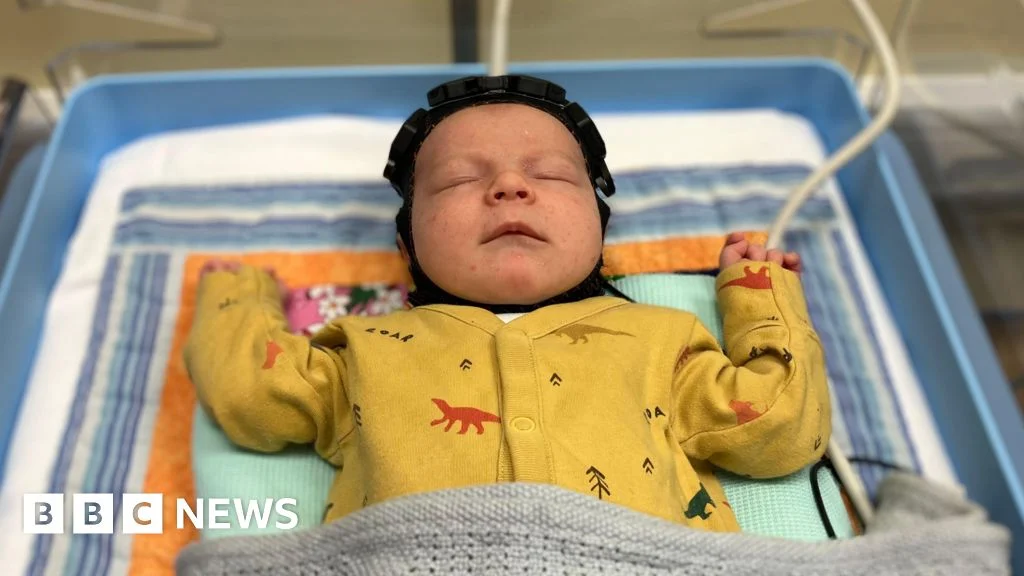
Researchers in Cambridge have developed a groundbreaking 'swimming cap' that uses light and ultrasound to monitor brain activity in newborns, potentially enabling earlier diagnosis and treatment of conditions like cerebral palsy and epilepsy. The portable device offers a less invasive, more frequent alternative to traditional scans, and could be available in UK hospitals within a decade, improving outcomes for at-risk infants.
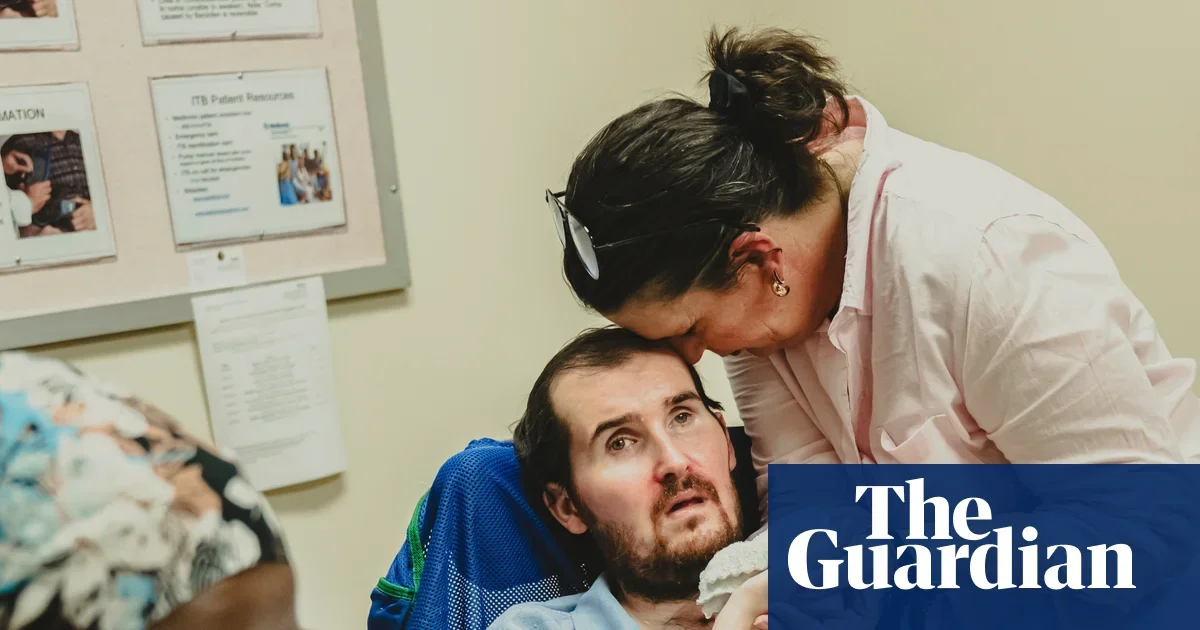
The article highlights the often overlooked aftermath of the opioid crisis, focusing on survivors who live with severe, life-altering injuries from overdoses, such as brain damage and long-term disabilities, emphasizing the need for better understanding and support for these hidden victims.
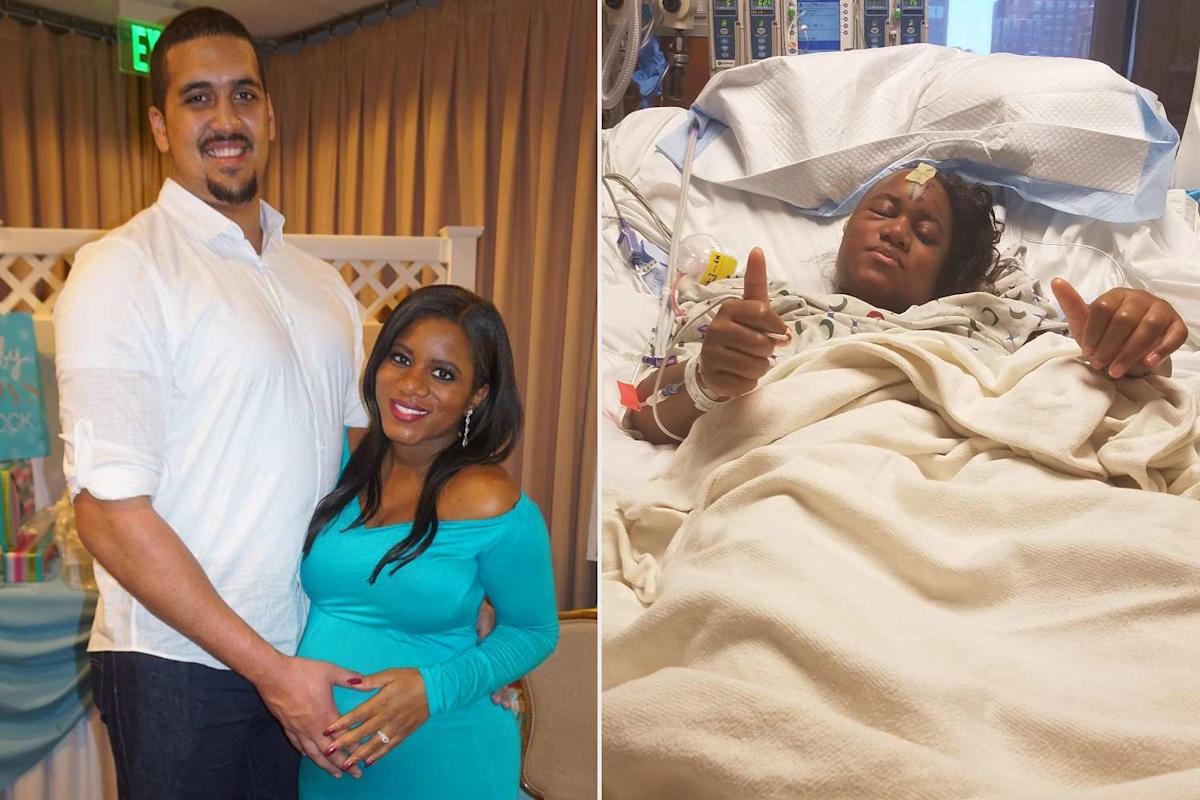
A young mother nearly lost her life due to a stroke caused by undiagnosed preeclampsia, highlighting the importance of recognizing maternal health issues; her journey of recovery and advocacy raises awareness about stroke and maternal health among young women.
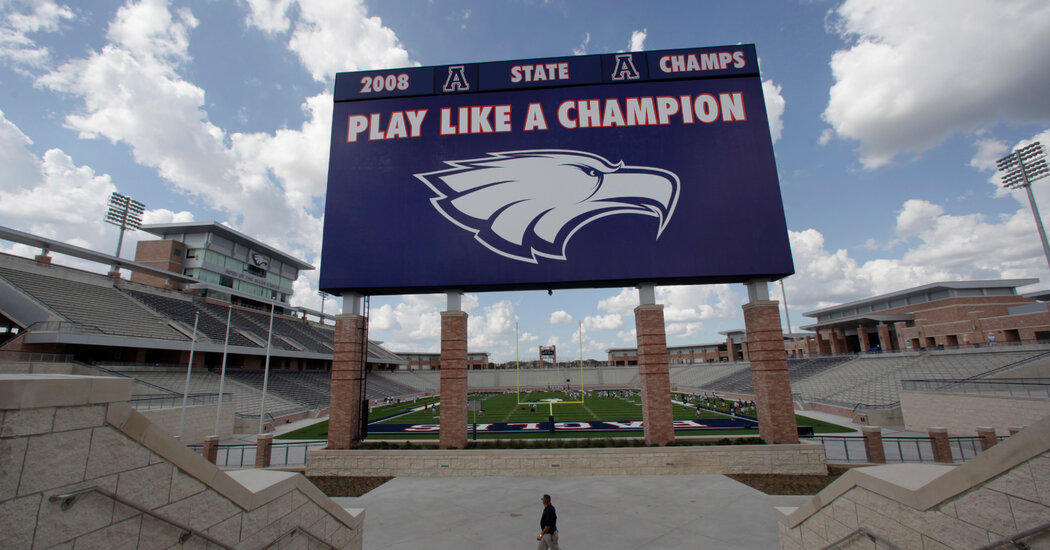
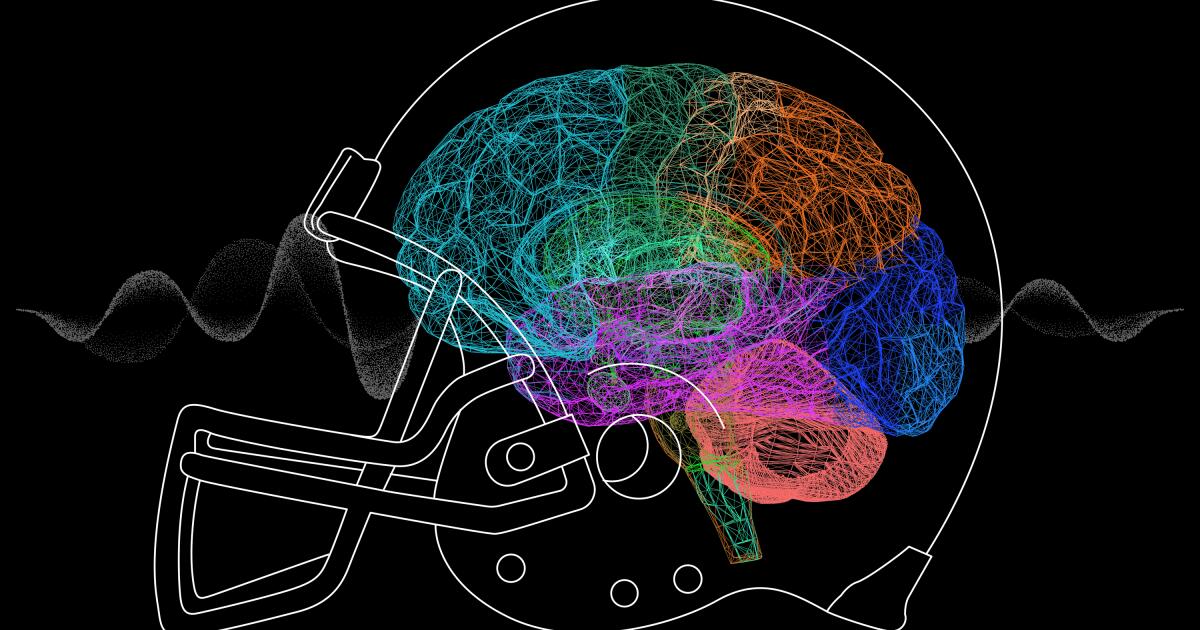
The article discusses the growing concerns over C.T.E., a brain disease linked to contact sports like football, especially among youth players, highlighting parental fears, recent research findings, and efforts to improve safety measures in the sport.
A man who killed four people in a Manhattan office building and suspected he had CTE was confirmed posthumously to have the degenerative brain disease, which is linked to repeated head trauma and often associated with football players, though he never played in the NFL. The shooter, Shane Tamura, blamed his mental health issues on football-related brain injuries and targeted NFL headquarters, resulting in four deaths. The case highlights ongoing concerns about the long-term effects of head trauma in athletes and others exposed to repeated brain injuries.
Billy Vigar, a 21-year-old former Arsenal academy player, died after suffering a severe brain injury during a match for Chichester City FC, leading to tributes and a moment of silence in the league.
Billy Vigar, a former Arsenal player, died at 21 after suffering a severe brain injury during a match in the Isthmian League, leading to a suspension of the game and tributes from the football community.
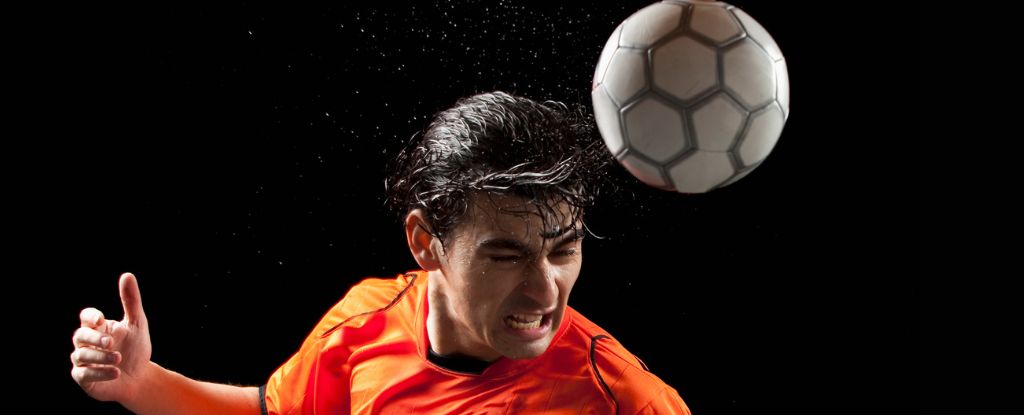
A large study has found that repetitive heading in soccer can cause microscopic brain changes and impair cognitive functions, even in amateur players without reported concussions, highlighting potential long-term health risks associated with the sport.
A small but growing number of athletes and veterans are turning to ibogaine, a psychedelic derived from a West African shrub, for potential treatment of traumatic brain injury, PTSD, and addiction. While promising results from studies and personal testimonies suggest significant benefits, experts caution that more research and clinical trials are needed due to safety concerns and legal restrictions. The treatment is currently unregulated in the U.S., but interest and funding for further research are increasing.
Lydia Kaiser, a girl injured in the August mass shooting at Annunciation Catholic Church in Minneapolis, has been released from Children's Minnesota hospital after undergoing multiple brain surgeries and showing remarkable recovery progress. The incident resulted in two fatalities and multiple injuries, with only two children still hospitalized as of the latest update.
Researchers used AI to detect hidden signs of consciousness in comatose patients by analyzing subtle facial movements, potentially allowing earlier and more accurate diagnosis of covert consciousness, which could improve treatment for brain injury patients.
Scientists have discovered that the brain protein cypin strengthens neuron connections by promoting proper protein tagging at synapses, slowing protein breakdown, and increasing synaptic proteins, which could lead to new treatments for brain injuries and neurodegenerative diseases like Alzheimer's and Parkinson's.