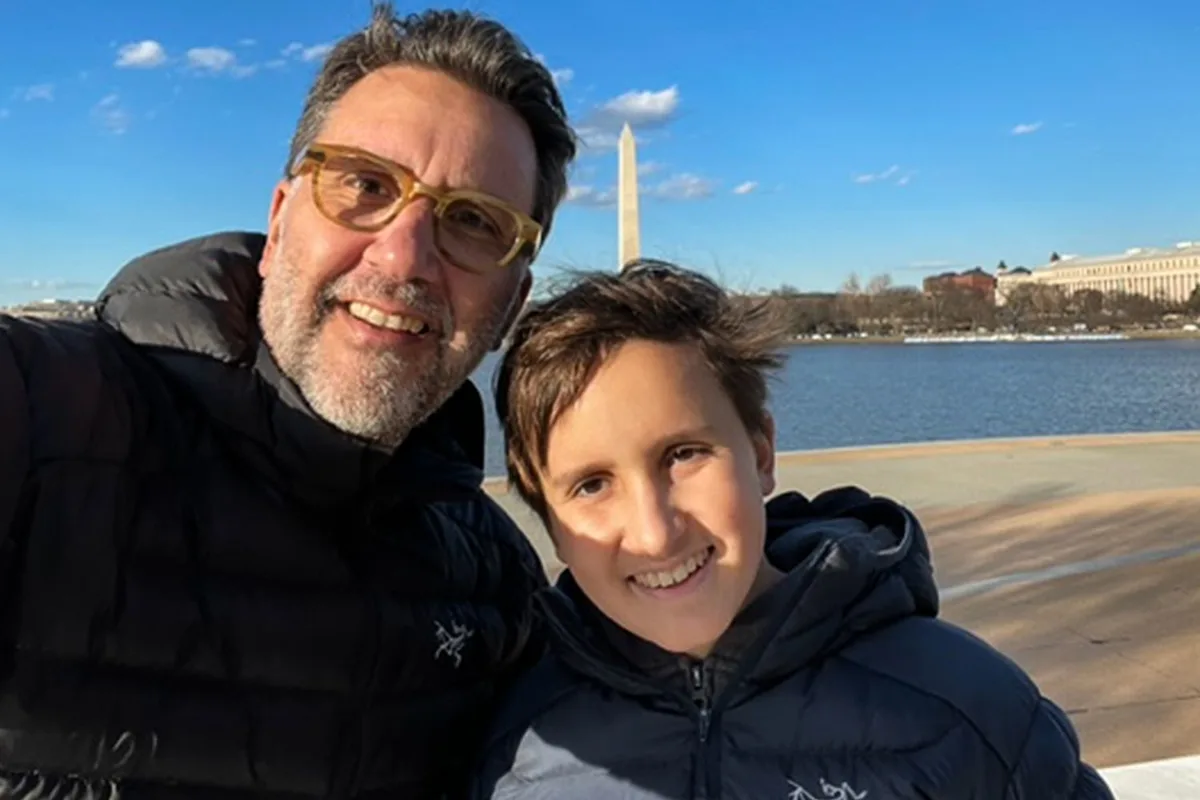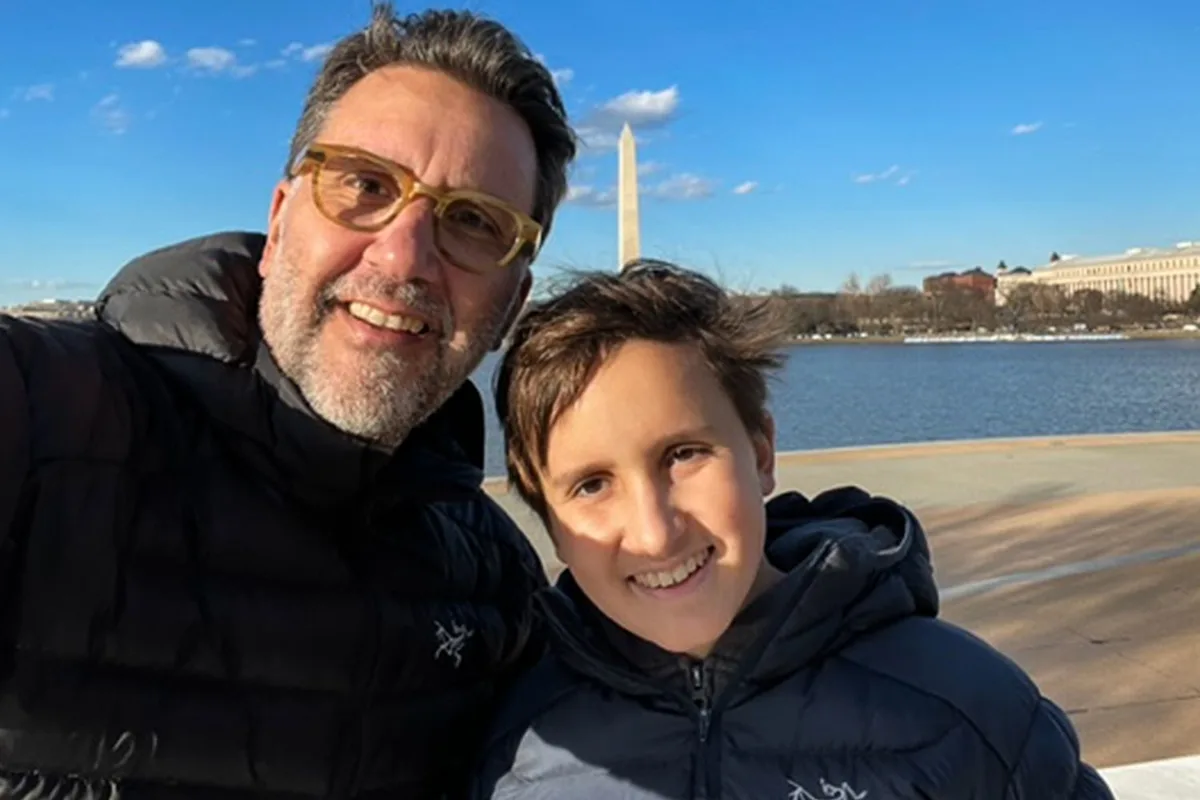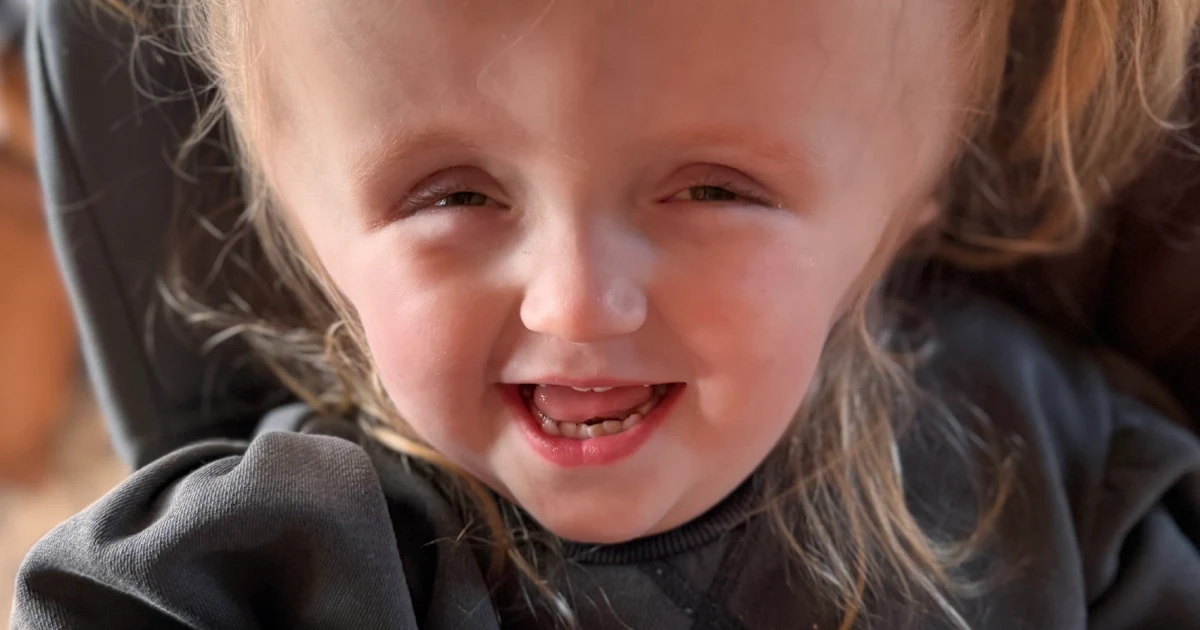
Fernando Goldsztein, whose son Frederico was diagnosed with medulloblastoma, has dedicated his life to finding a cure for this rare childhood brain tumor by founding the Medulloblastoma Initiative, which has raised $13 million and is working on new clinical trials to improve treatment options for affected children worldwide.
Fernando Goldsztein, whose son Frederico was diagnosed with medulloblastoma, a rare and aggressive childhood brain tumor, has dedicated his life to finding a cure by founding the Medulloblastoma Initiative, which has raised $13 million and is conducting clinical trials to develop new treatments, aiming to save not only his son but thousands of other children affected by this disease.
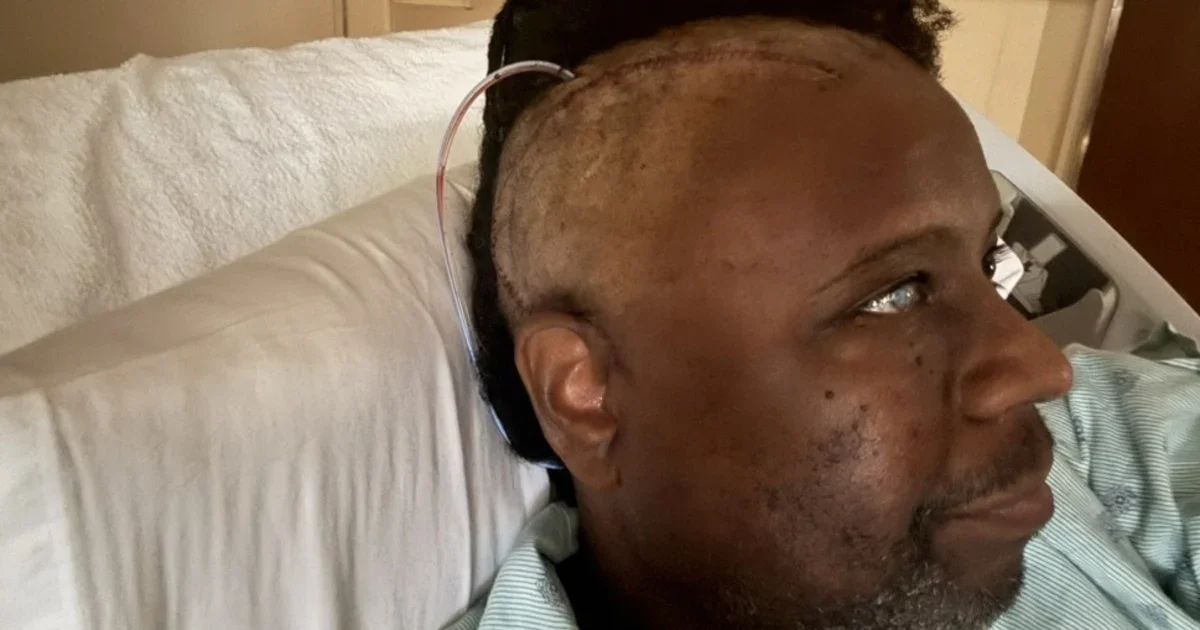
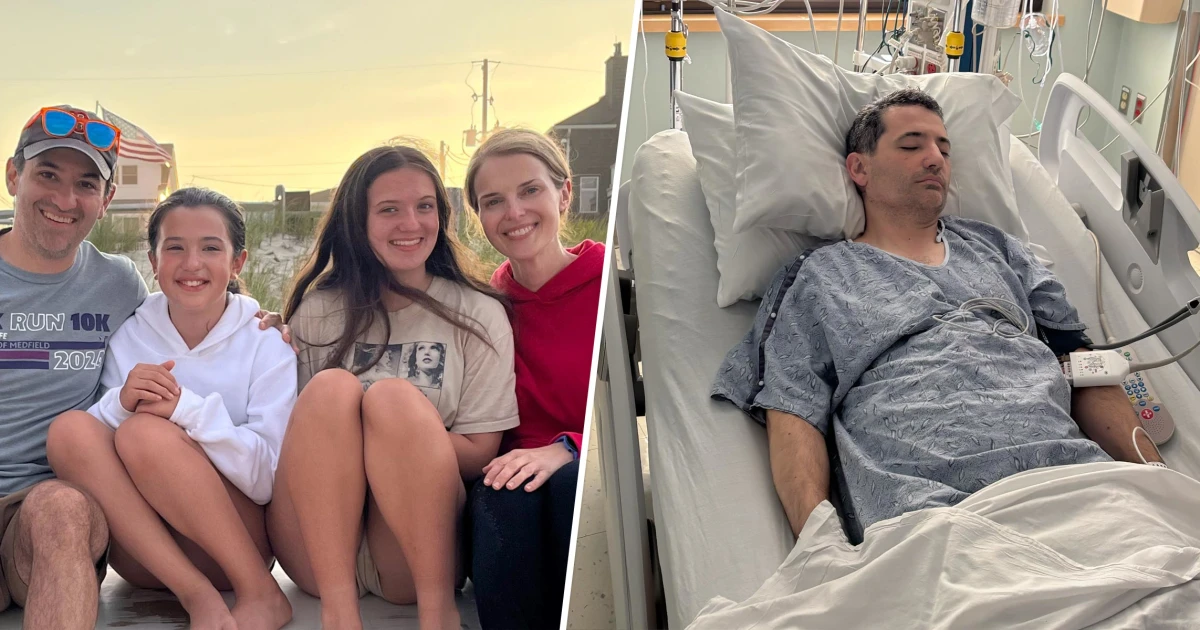
Stephen Greene, a healthy 44-year-old, experienced subtle symptoms like ear clogging and hearing loss, which led to the discovery of a rare, benign brain tumor called vestibular schwannoma. After diagnosis and a lengthy surgery, he faced a challenging recovery but is now gradually returning to normal life, highlighting the importance of paying attention to early symptoms and seeking medical advice.
A man with an incurable brain tumor has donated his tears to a pioneering study exploring tear fluid as a non-invasive method for early brain cancer detection, potentially leading to faster diagnoses and improved outcomes.
A 6-year-old girl in Miami was diagnosed with a fast-growing brain tumor called medulloblastoma after her crossed eyes prompted medical attention. She underwent successful surgery, followed by extensive chemotherapy and radiation, and is now in remission, highlighting the importance of timely diagnosis and treatment in pediatric cancers.
Former NBA player and league ambassador Jason Collins is undergoing treatment for a brain tumor, with his family requesting privacy and support during this challenging time.
Jason Collins, the NBA's first openly gay player and current league ambassador, is undergoing treatment for a brain tumor, with his family requesting privacy and support during this challenging time.
Tanner McIntosh underwent Lancaster General Health's first awake craniotomy to remove a brain tumor near his motor cortex, allowing surgeons to operate while he was conscious to preserve vital functions. The procedure was successful, and he is now undergoing additional treatments, including radiation and chemotherapy, with a positive outlook on recovery.
A woman from Brighton was alerted by her Apple Watch to an unusual heart rate, leading to the discovery of a benign brain tumor, highlighting the device's role in early health detection.
A baby girl diagnosed with a rare and aggressive infant-type hemispheric glioma was given a second opinion at St. Jude's, leading to successful treatment and her current status as a thriving 3-year-old, defying initial grim prognosis.
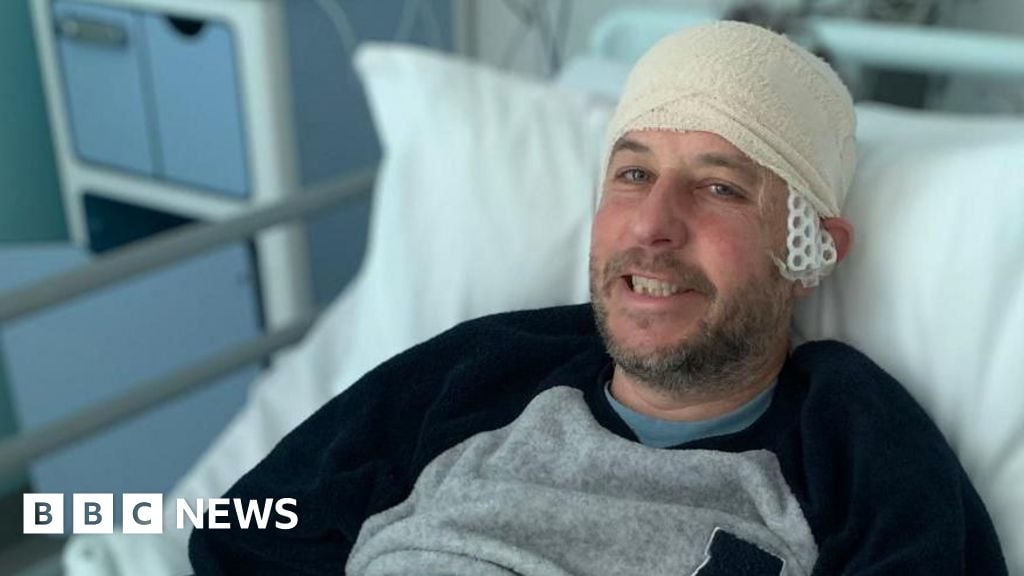
A British father of two was diagnosed with a glioma brain tumor after experiencing strange symptoms like smelling bleach and having seizures, which he initially attributed to household cleaning. His diagnosis led to surgery, radiotherapy, and chemotherapy, and he has since been working on his recovery and celebrating milestones like his 40th birthday.
A healthy 57-year-old man experienced only random sweet caramel smells, which was later diagnosed as a sign of inoperable stage 4 glioblastoma, highlighting how subtle symptoms like phantom odors can indicate serious health issues.
A healthy 57-year-old man was diagnosed with inoperable stage 4 glioblastoma after experiencing only a rare symptom: random sweet caramel smells, a condition known as phantosmia, highlighting how serious illnesses can sometimes present with subtle signs.
Charlie Broadhurst from West Hanney was diagnosed with a grade II astrocytoma brain tumor that had grown undetected for over a decade, despite earlier scans suggesting sinus issues. After a seizure in 2022, he underwent surgery, radiotherapy, and chemotherapy, and now has regular scans to monitor his condition. His story highlights the importance of brain tumor research and awareness.
A study suggests that long-term use of the contraceptive pill desogestrel may slightly increase the risk of developing non-cancerous brain tumors called meningiomas, especially after more than five years of continuous use. The risk is small, and the tumors often regress after stopping the medication. No increased risk was found with levonorgestrel, another progestogen. Women should discuss contraceptive options with their healthcare providers, considering these findings.