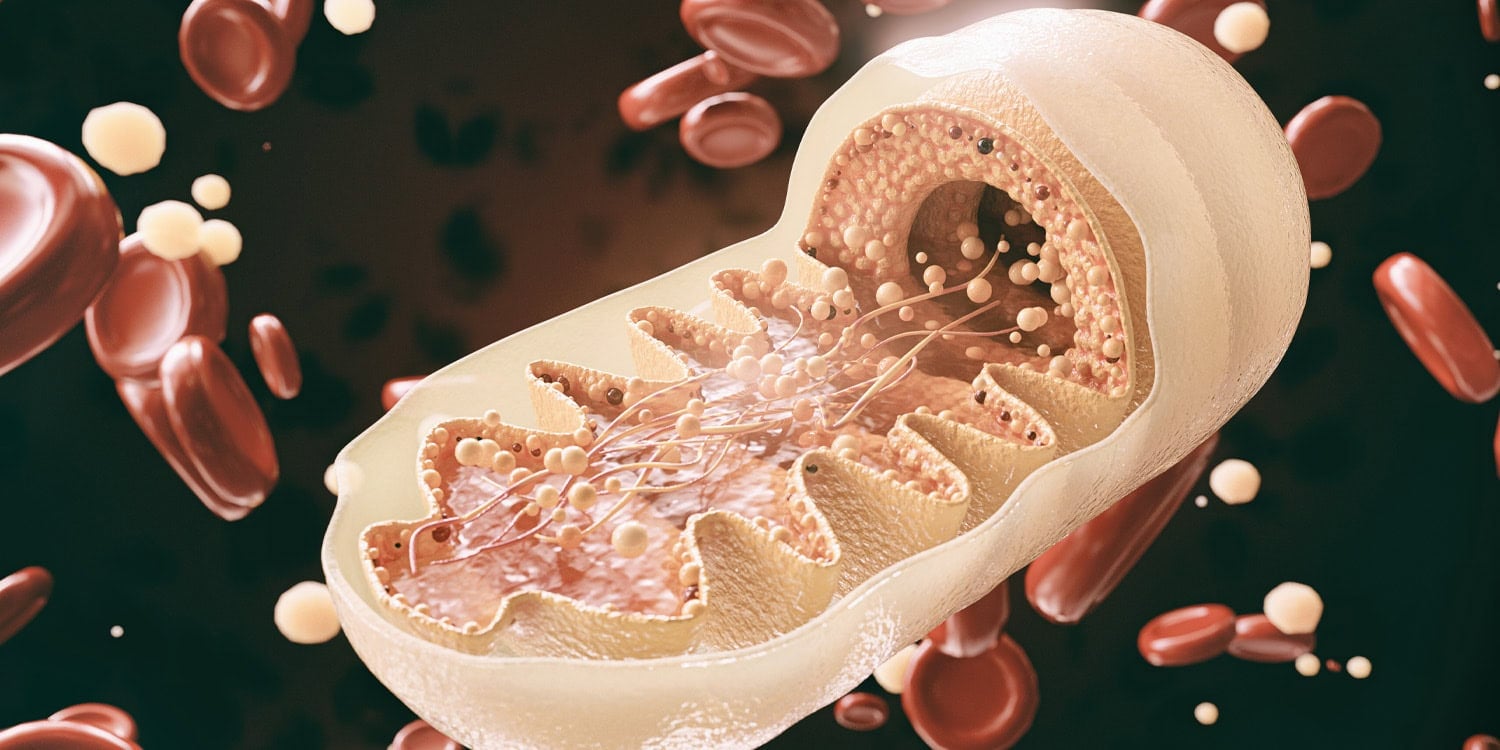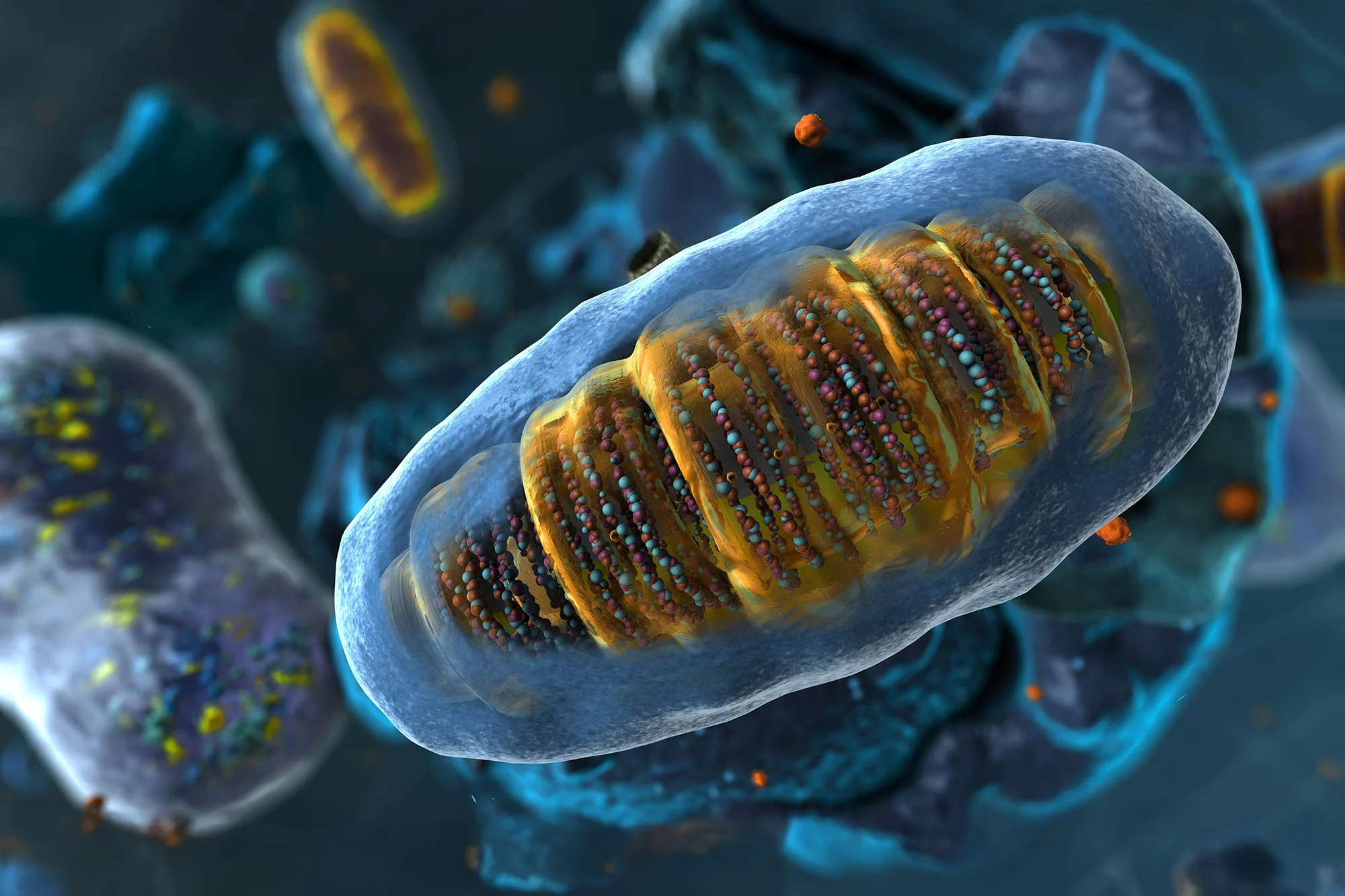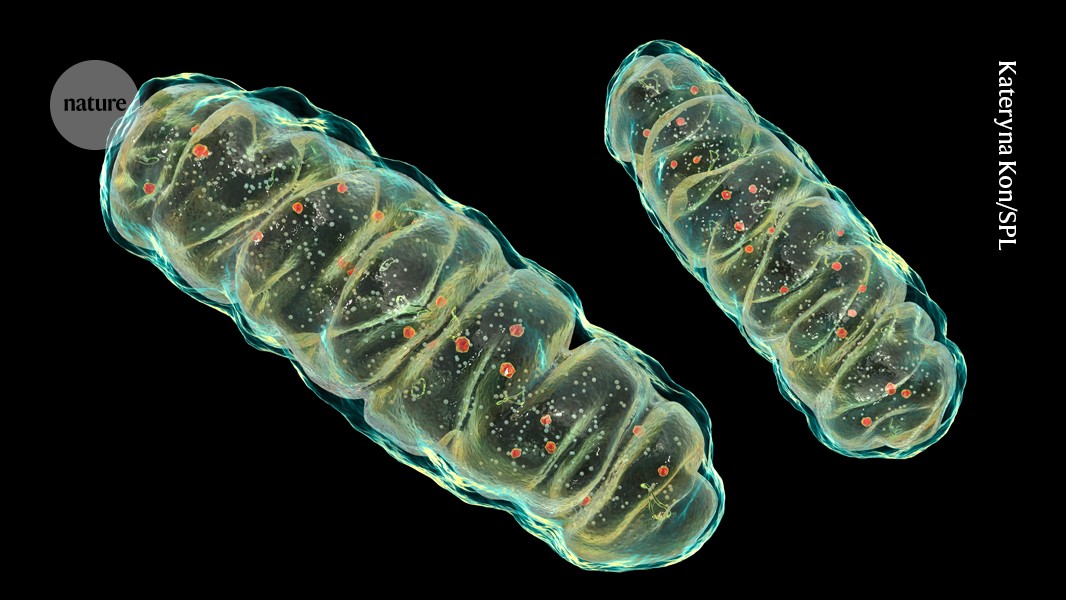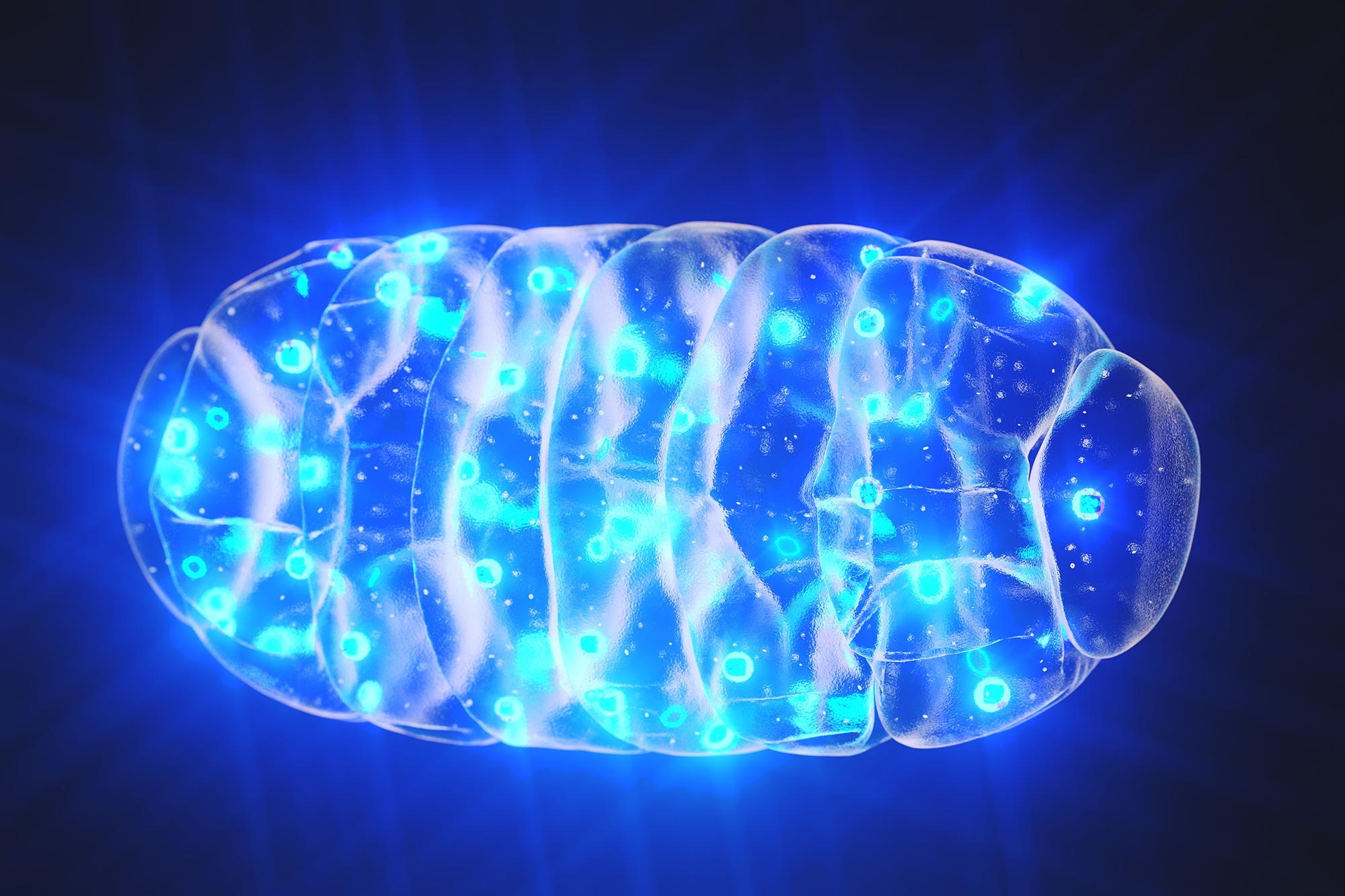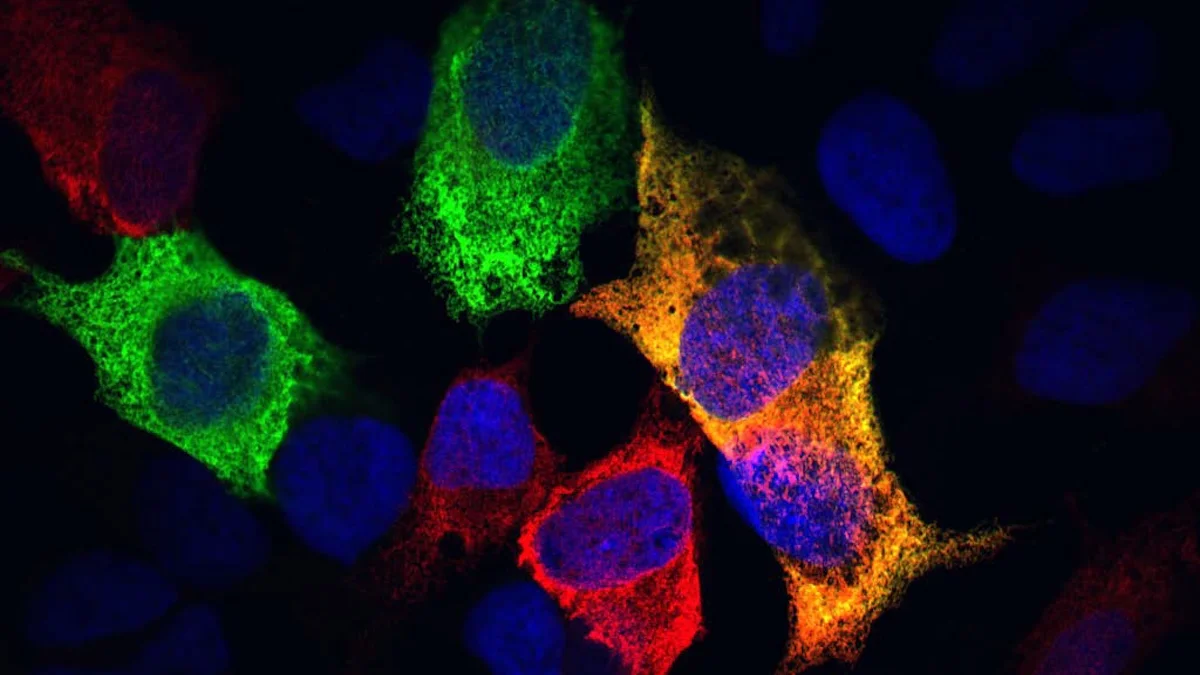
A scientific review suggests that mitochondria, the energy-producing structures in cells, play a key role in translating psychological stress and loneliness into physical health outcomes, with chronic stress impairing mitochondrial function and contributing to diseases like depression and cardiovascular issues. The review highlights the importance of mitochondrial health in resilience and potential interventions such as exercise to improve cellular and mental well-being.
Scientists discovered that the amino acid leucine enhances cellular energy by protecting mitochondrial proteins from degradation, thereby improving mitochondrial efficiency and energy production, with implications for health and disease treatments.
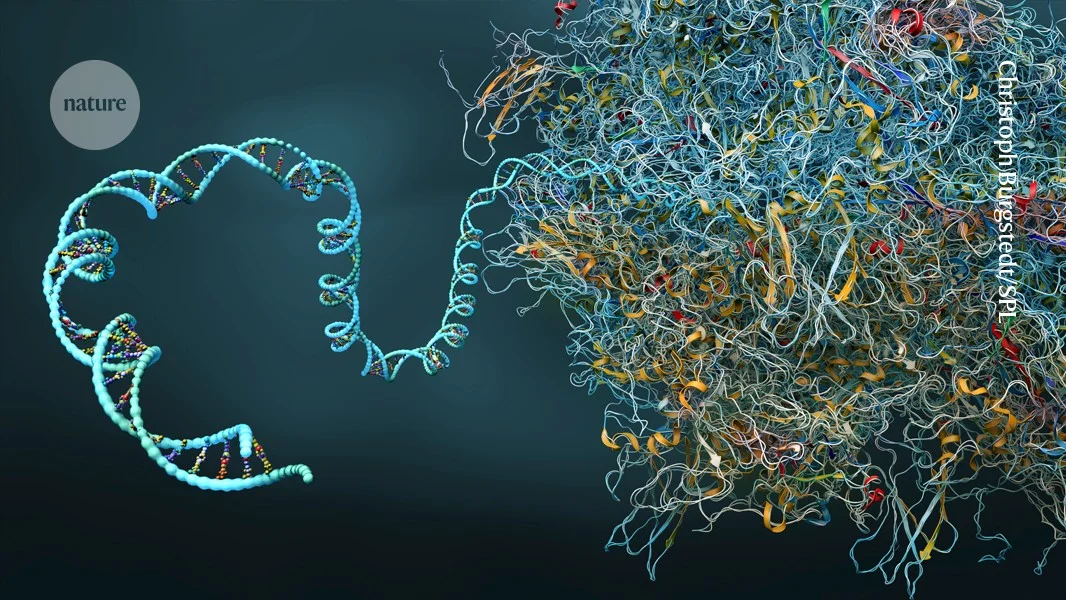
Chemists at UMass Amherst have developed iConRNA, a publicly available tool that offers an unprecedented view of RNA behavior inside cells, aiding in understanding cellular functions and disease mechanisms related to phase separation of biomolecules.
A study in mice reveals that mitochondria expel damaged or abnormal DNA into the cell environment, which triggers inflammation associated with aging. This process is linked to nucleotide imbalances in mitochondrial DNA, especially in aging cells, and may contribute to inflammageing, offering insights into age-related inflammation mechanisms.
Caltech researchers have discovered that nearly 20% of mitochondrial proteins are imported during their synthesis, guided by folding patterns and structural signals, overturning the traditional model that proteins are imported only after translation is complete.
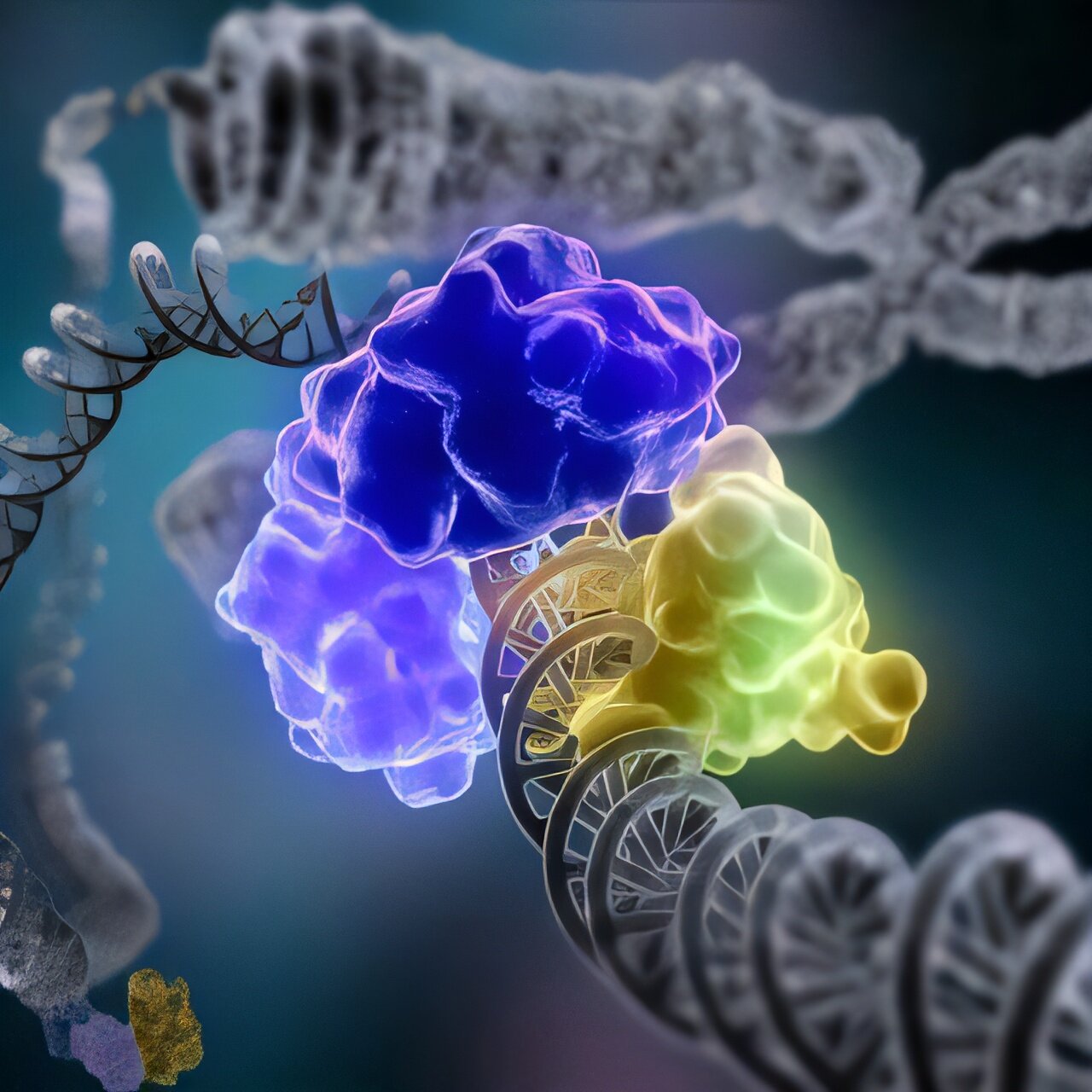
Cells have a secondary DNA repair mechanism that transports difficult-to-repair damaged DNA to the nuclear periphery, especially in repetitive regions, which could be targeted for cancer therapies by exploiting repair vulnerabilities.
Researchers at UT Southwestern developed a genetic method to remove mitochondria from cells, revealing that cells can survive temporarily without them and uncovering insights into mitochondrial roles in development, gene regulation, and evolution, with potential implications for treating mitochondrial disorders.
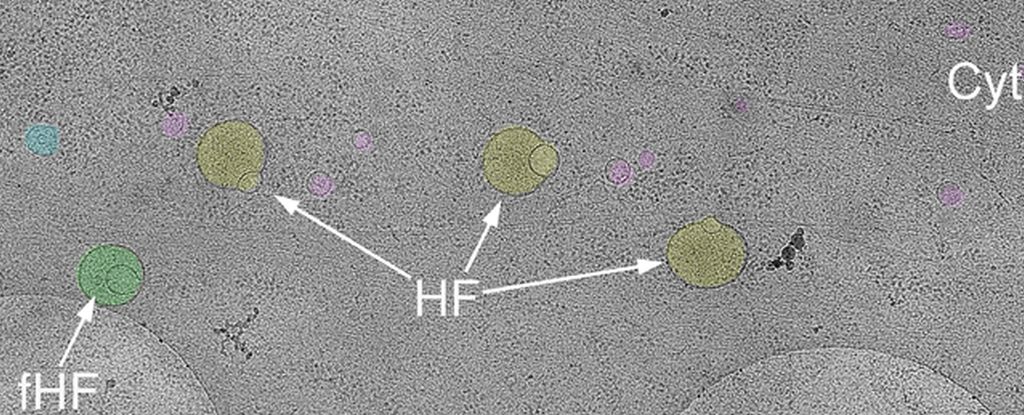
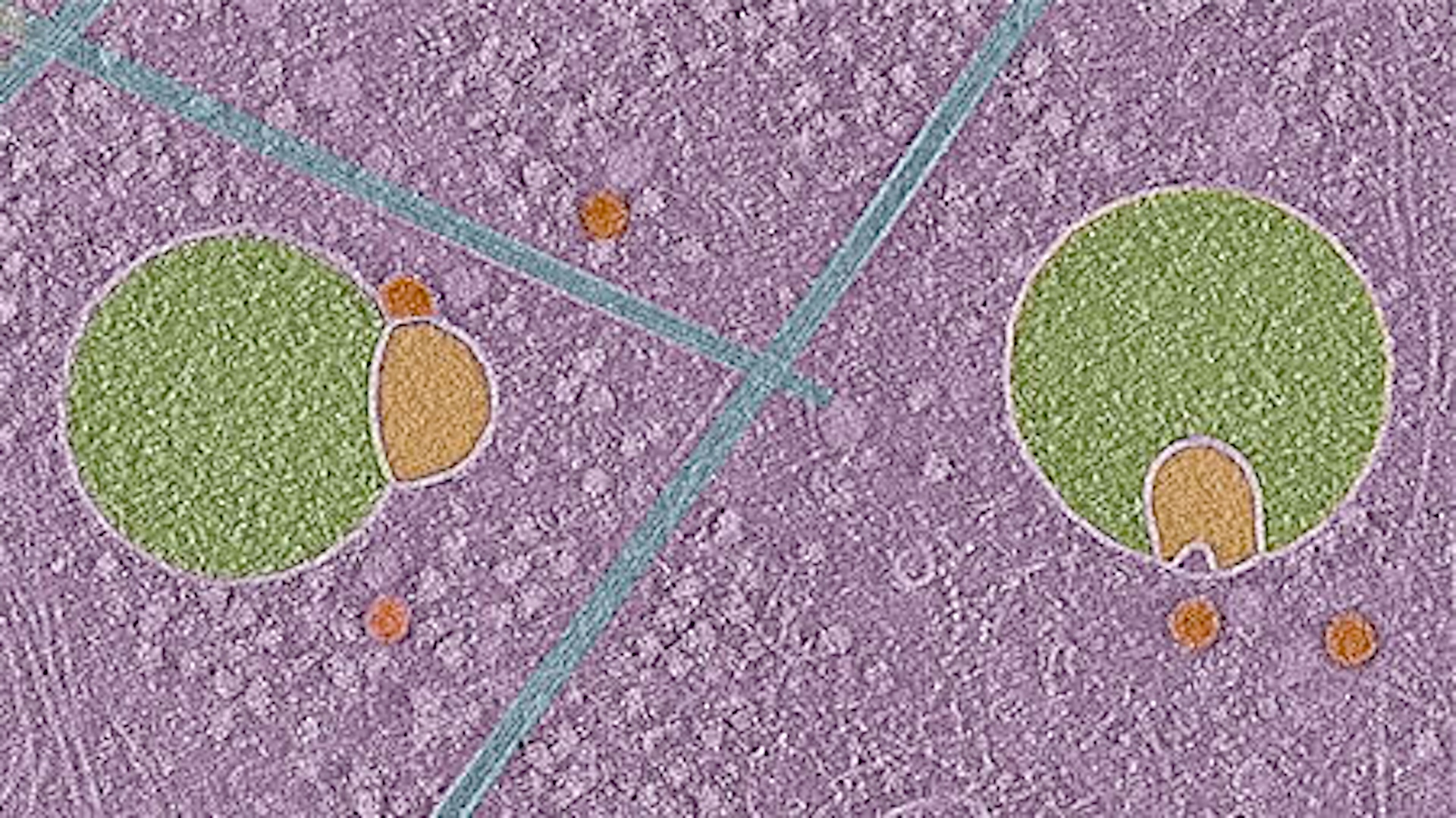
Scientists have discovered a new cellular structure called the hemifusome, which plays a key role in sorting and recycling cell contents, potentially impacting our understanding of diseases and cellular health, using advanced imaging techniques like cryoET.
Scientists have discovered a new organelle called the hemifusome inside human cells, which plays a key role in cellular recycling and cargo management. This finding could provide new insights into genetic disorders like Hermansky-Pudlak syndrome and lead to novel treatments. The discovery was made using advanced cryo-electron tomography and opens new avenues for understanding cell health and disease.
Scientists have discovered a new, temporary organelle called the hemifusome inside human cells, which plays a crucial role in sorting and recycling cellular cargo. Using advanced cryo-electron tomography, researchers observed that hemifusomes are common across various cell types and may represent a new pathway for vesicle formation, independent of traditional endocytic mechanisms. This discovery could have significant implications for understanding and treating diseases related to cellular waste management, such as Hermansky-Pudlak syndrome.
Scientists have discovered a new organelle in human cells called the hemifusome, which appears to be involved in protein sorting and recycling, observed using advanced cryo-electron tomography imaging. This tiny structure, resembling a snowman, could provide new insights into cellular processes and diseases like Alzheimer's.
Scientists have discovered that mechanical signals from physical activity are transmitted into cells via the endoplasmic reticulum, regulating energy production and tissue health, with implications for injury prevention and treatments for neurodegenerative diseases.
Scientists have discovered a new organelle called the hemifusome inside human cells, which plays a crucial role in cellular sorting, recycling, and debris disposal, potentially impacting understanding and treatment of genetic diseases like Hermansky-Pudlak syndrome.
Scientists have discovered Sukunaarchaeum mirabile, a tiny organism within plankton that blurs the line between living cells and viruses, possessing a stripped-down genome and relying heavily on its host for biological functions, challenging traditional definitions of life.
Scientists have identified SLC35B1 as the main transporter of ATP into the endoplasmic reticulum, providing structural insights that could lead to targeted therapies for diseases related to ER stress, such as diabetes and cancer.