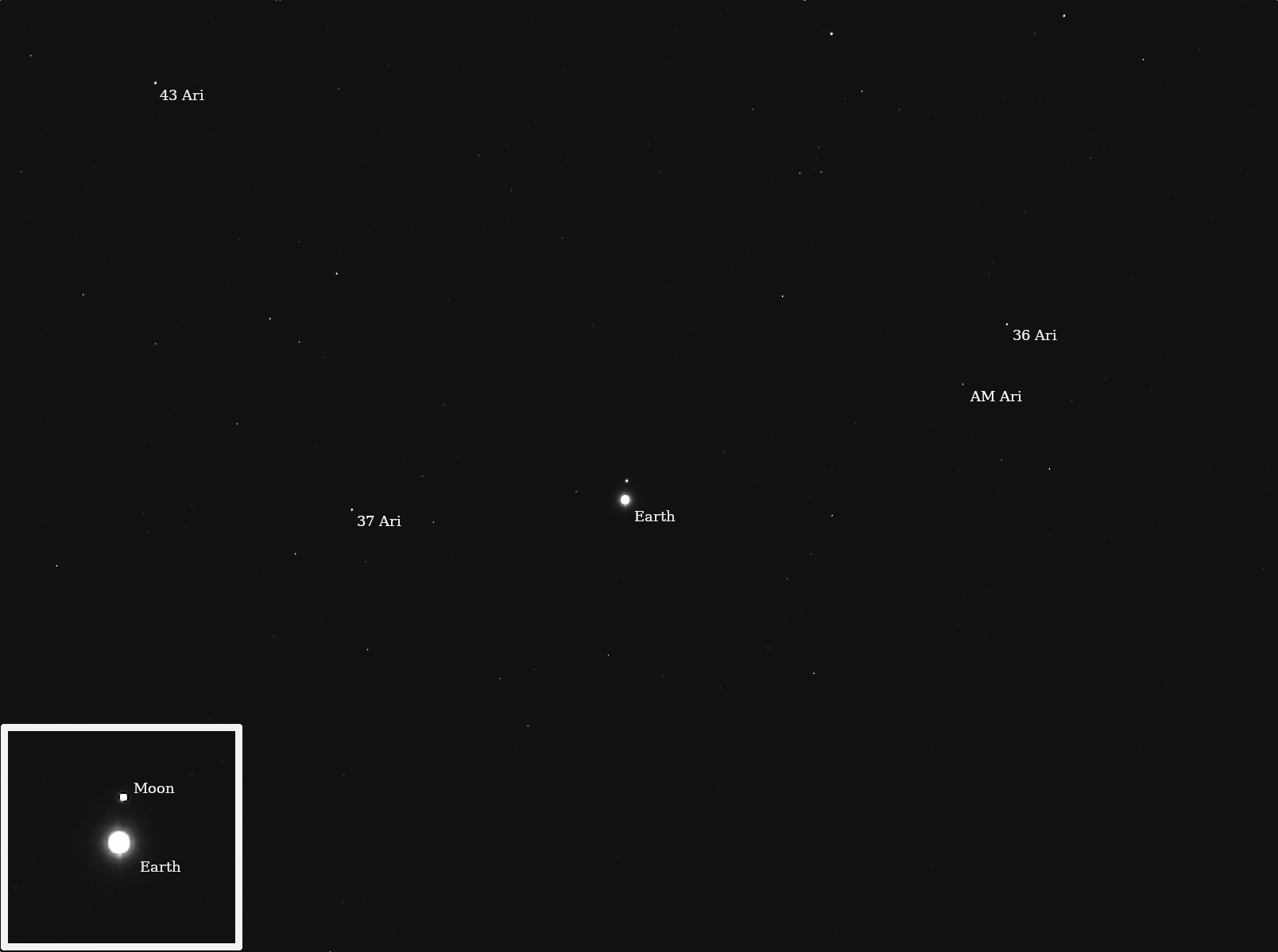
NASA's Psyche spacecraft captured images of Earth and the Moon from 180 million miles away during instrument checkouts, as it prepares for its 2029 arrival at the asteroid Psyche, with calibration and testing of its imaging instruments ongoing to ensure mission success.
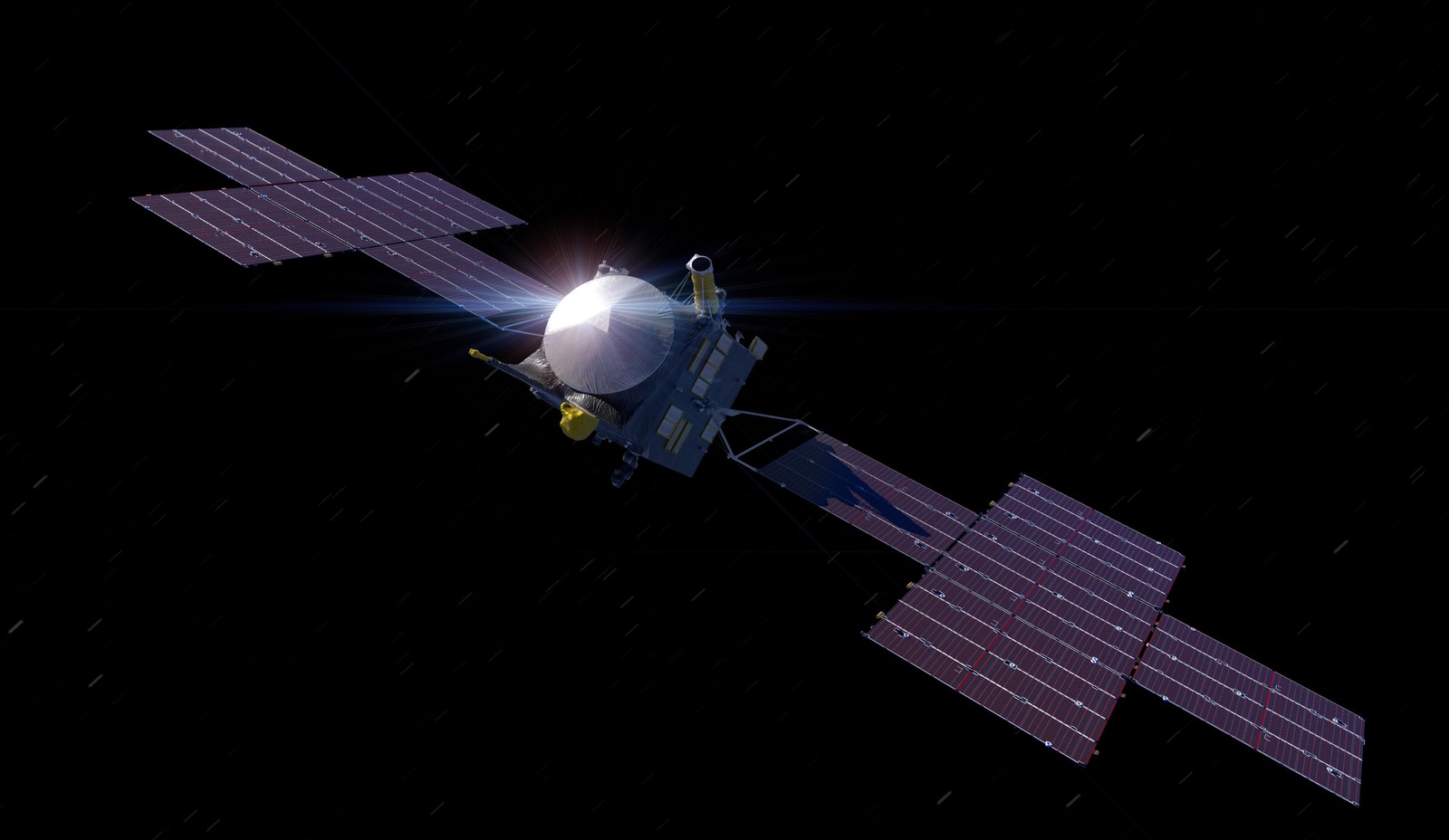
NASA's Psyche spacecraft experienced a propulsion glitch due to a valve issue, but engineers switched to a backup fuel line to stay on course for its 2029 asteroid rendezvous, with the mission still scheduled to explore a unique metallic asteroid in the main belt.
NASA's Psyche spacecraft has switched to a backup propellant line after a valve malfunction caused a pressure drop in its xenon thrusters. The agency plans to restart the thrusters by mid-June, ensuring the mission's continuation to study the metallic asteroid Psyche in 2029, despite previous development delays and cost increases.
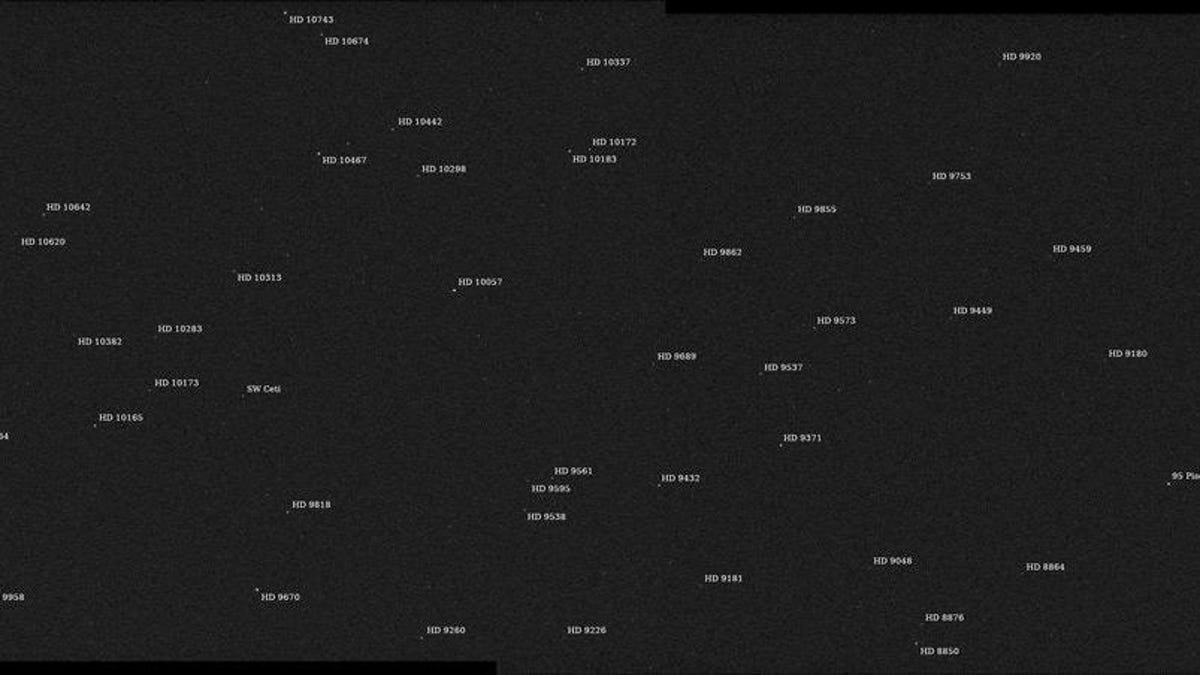
NASA's Psyche spacecraft, on its way to the asteroid Psyche, has captured and beamed back its first images, revealing a field of stars in the constellation Pisces. The spacecraft's twin cameras took a total of 68 images, which were stitched together to create a mosaic. The images will help determine the composition of the metal-rich asteroid and create 3D maps to understand its geology. Psyche is expected to enter the asteroid's orbit in July 2029.
NASA's Psyche spacecraft, currently millions of miles from Earth, has successfully activated its scientific instruments and captured its first images using twin cameras. The spacecraft, which set a record with its electric thrusters, is on its way to the asteroid Psyche in the main asteroid belt between Mars and Jupiter. The mission team has also observed unexpected solar eruptions using the magnetometer instrument, which will provide crucial data about the asteroid's formation. Additionally, the spacecraft has achieved first light with its deep space optical communications experiment and powered on the gamma-ray detecting component of its third science instrument.
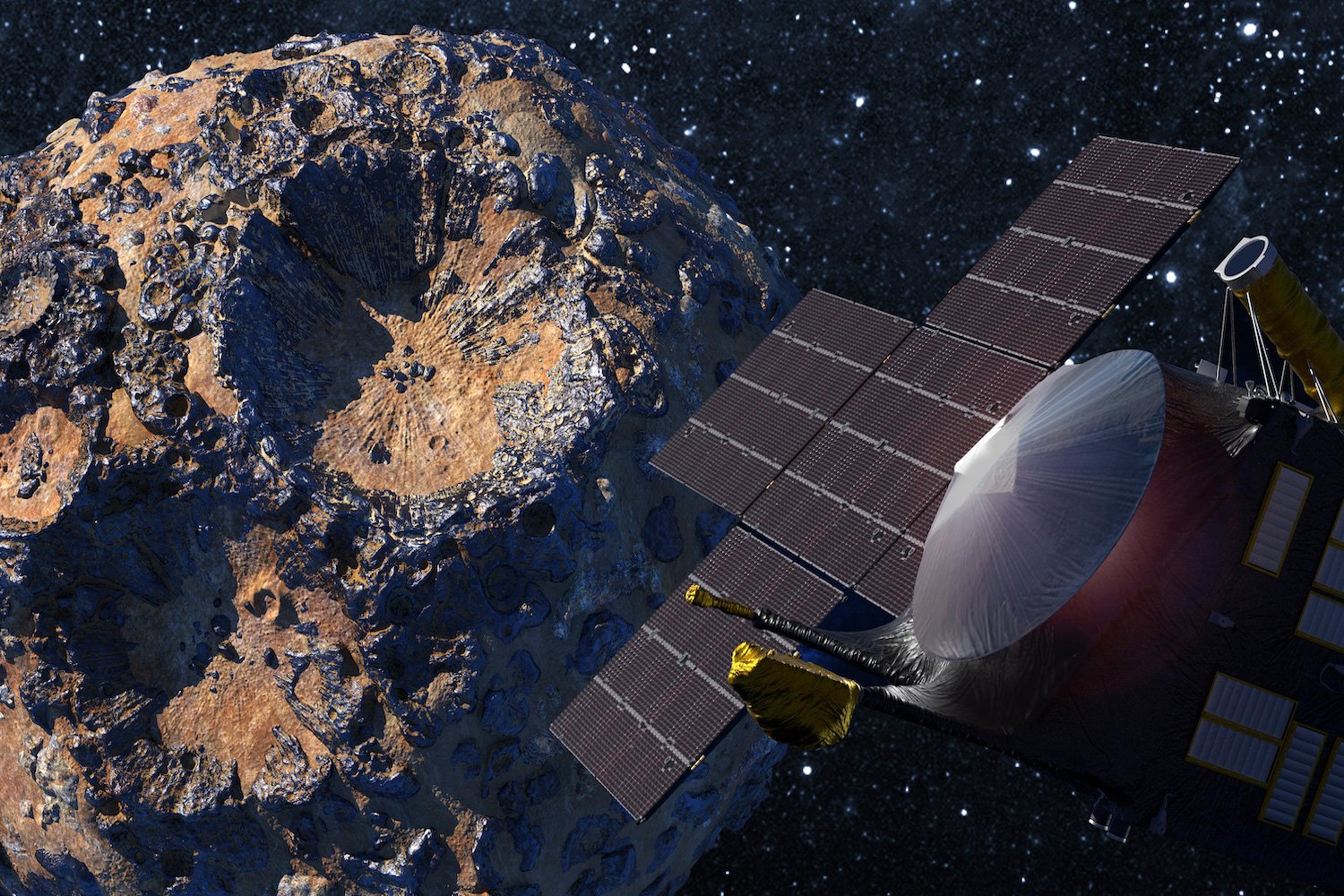
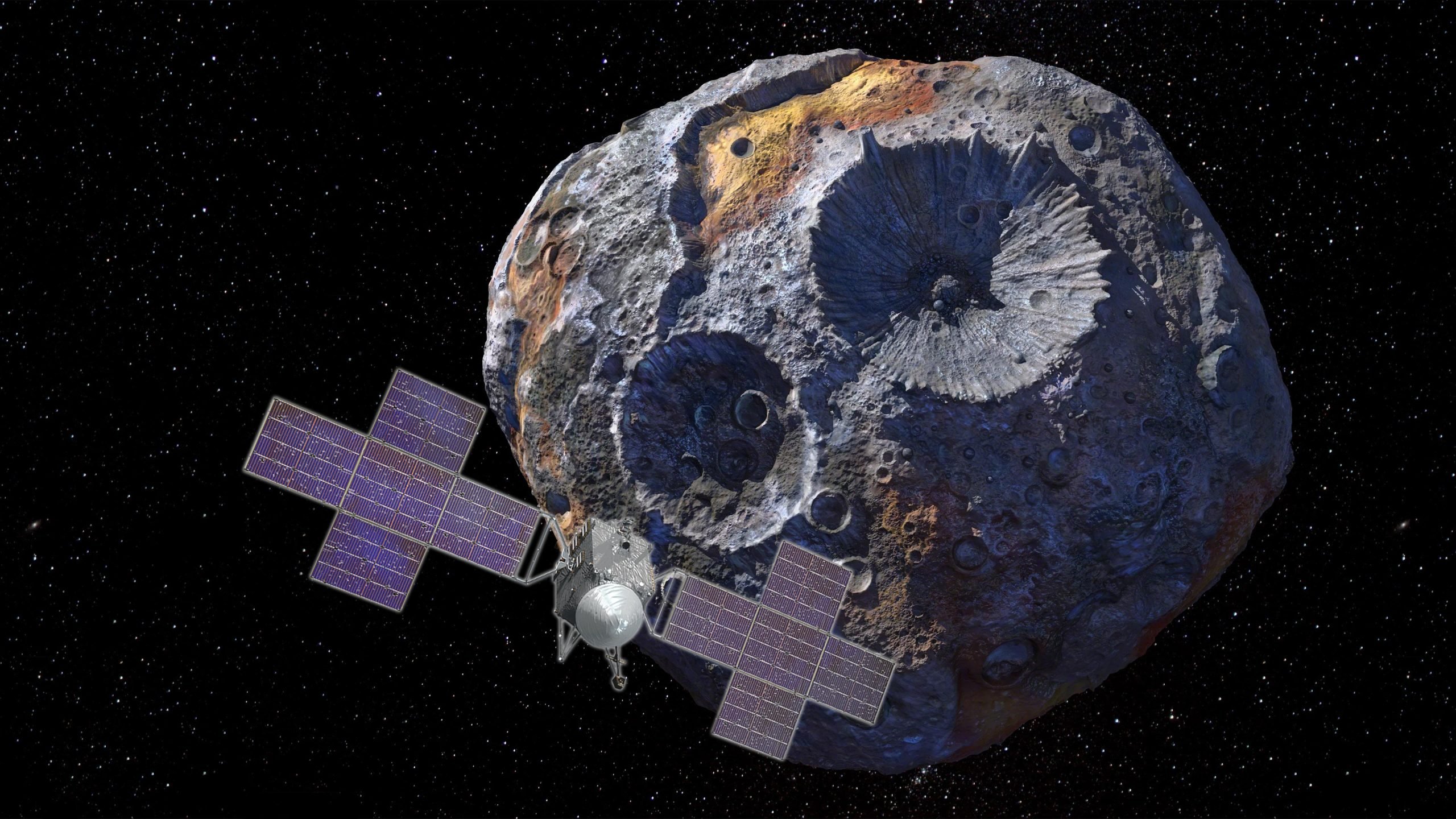
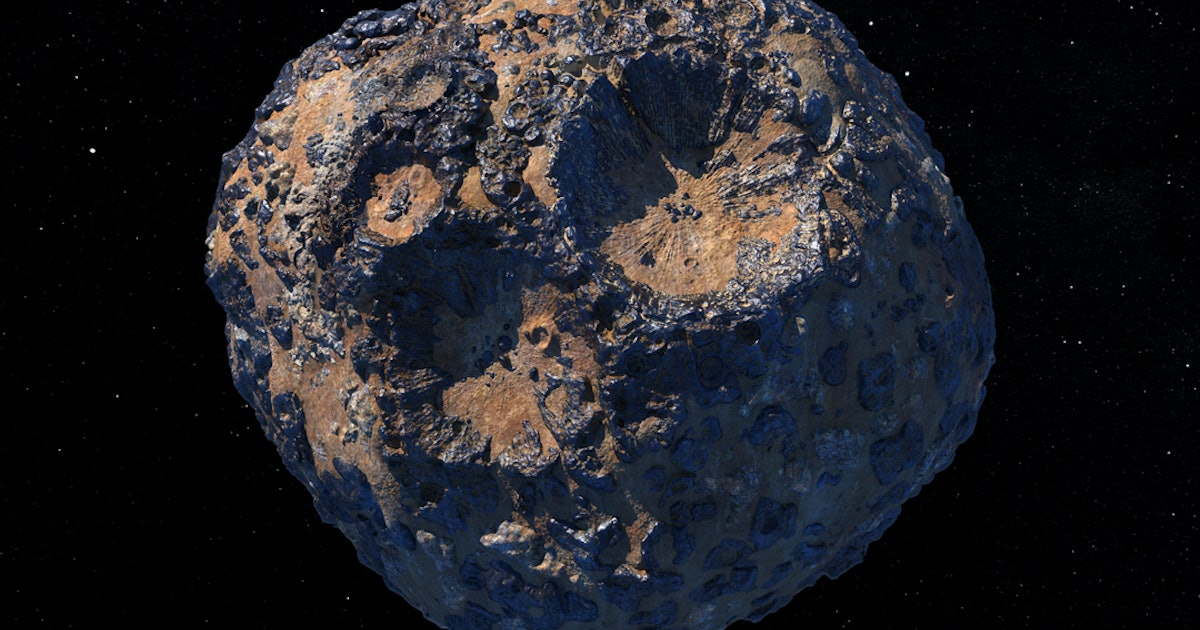
NASA's Psyche mission is set to launch on October 5th, aiming to explore the asteroid Psyche, which is located in the asteroid belt between Mars and Jupiter. This unique asteroid is believed to be dense and potentially metal-rich, unlike most asteroids that are primarily composed of rock. Scientists speculate that Psyche may have formed from an explosive collision between planetesimals or in a metal-rich pocket of the Solar System. The mission will use four different orbits to map and study the asteroid, providing insights into the early formation of our Solar System.