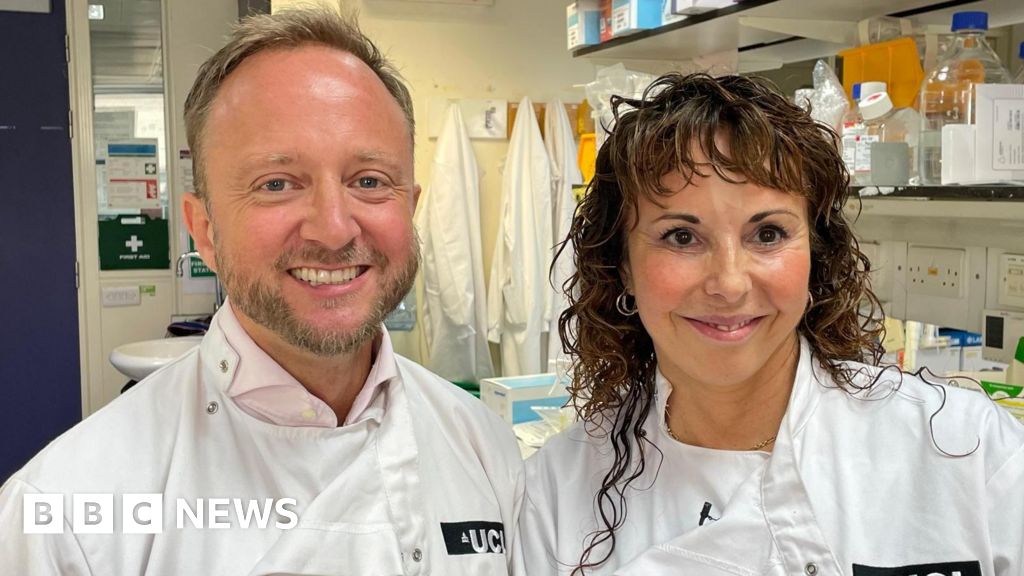
The article explores cutting-edge Alzheimer's research, including brain surgery to collect tissue, laboratory studies on toxic proteins, and promising drug developments, suggesting that curing Alzheimer's may be achievable in the future.
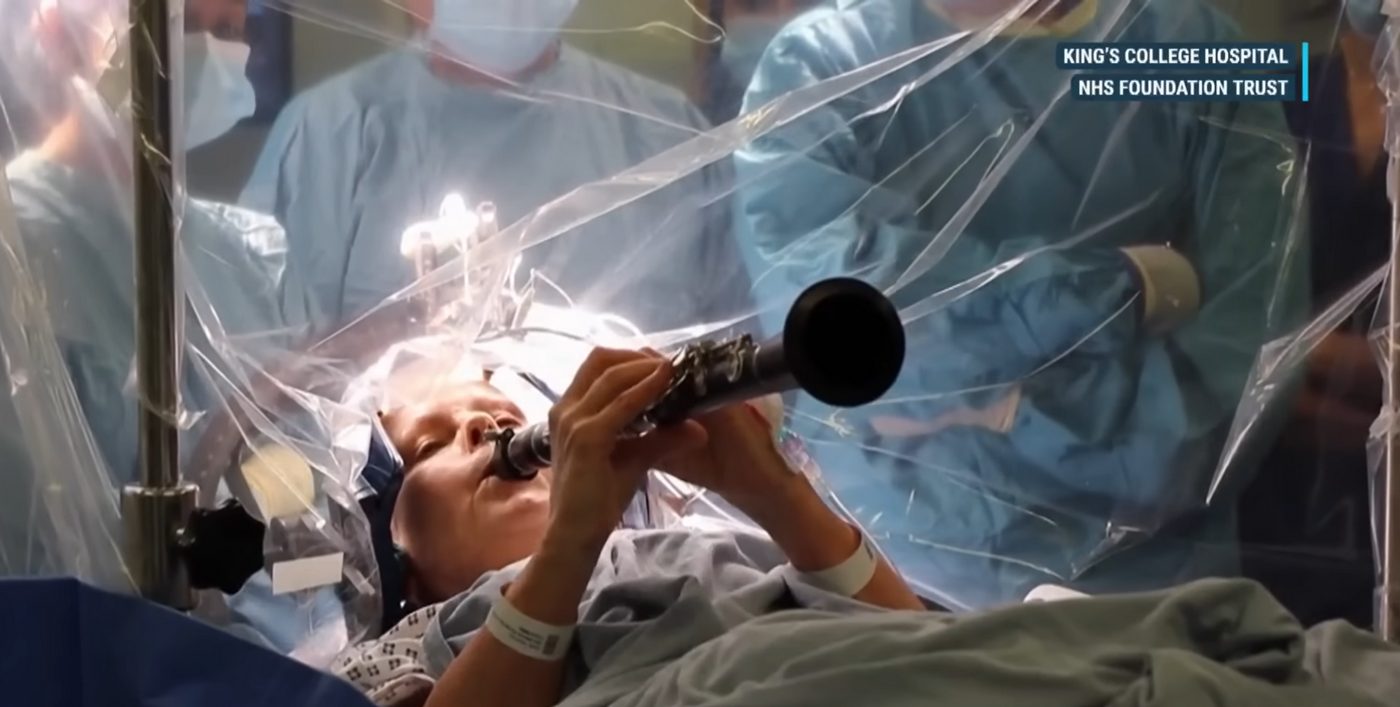
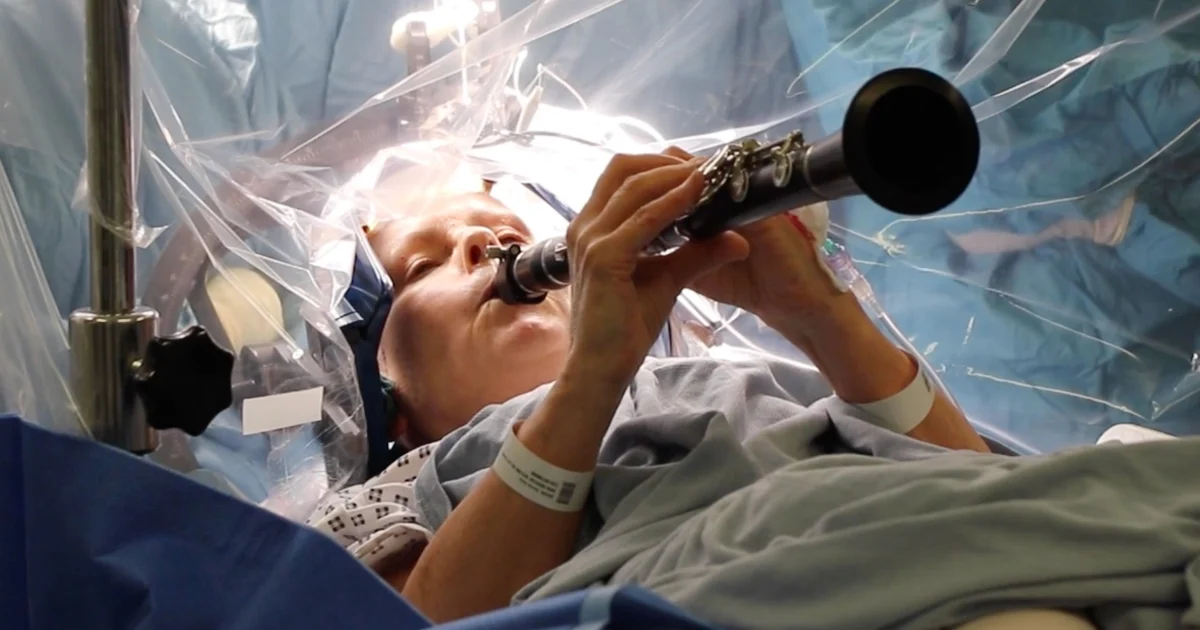
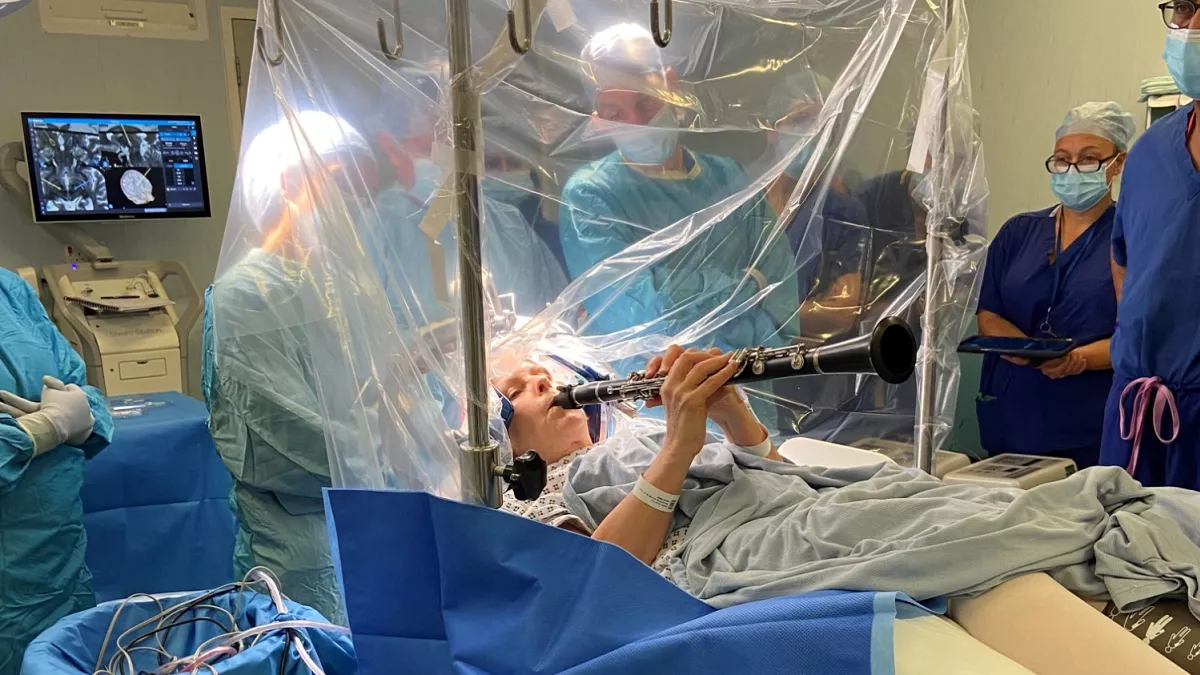
A 65-year-old woman with Parkinson's in England played her clarinet during brain surgery under local anesthesia, demonstrating improved motor control after deep-brain stimulation, and expressed delight with her progress.
A Parkinson's patient played clarinet during brain surgery to test the effectiveness of Deep Brain Stimulation, which immediately improved her hand movements and her ability to play, demonstrating real-time benefits of the treatment.
A 65-year-old woman with Parkinson's in England experienced immediate symptom relief during brain surgery when she played the clarinet, demonstrating the effectiveness of deep brain stimulation in alleviating movement symptoms associated with the disease.
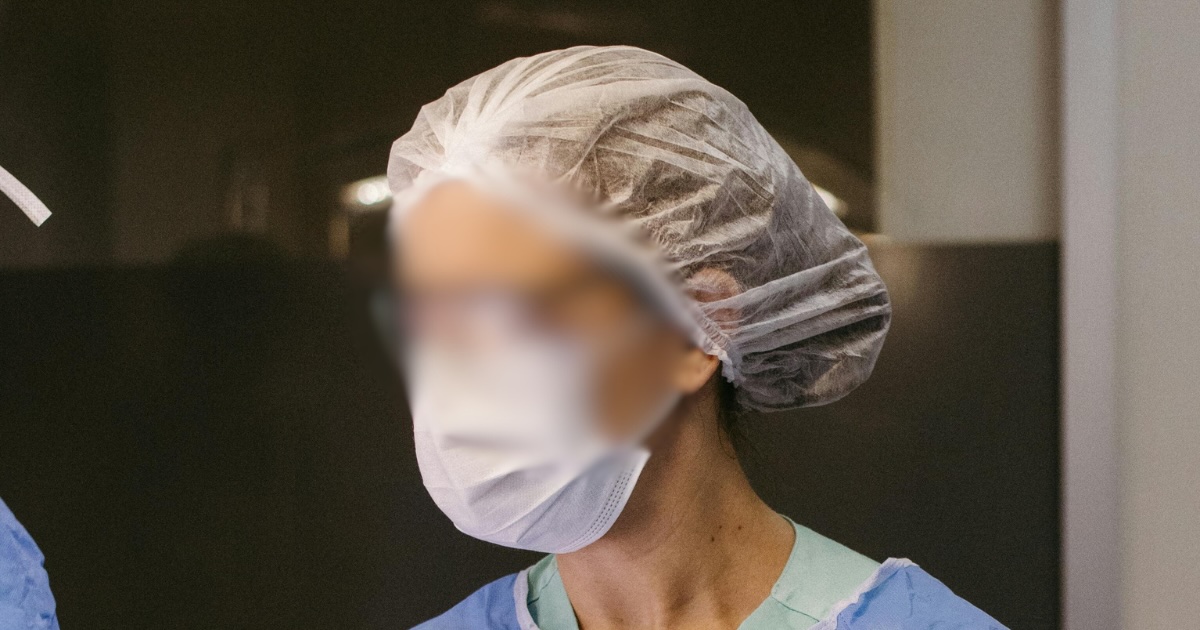
A brain surgeon in Austria is on trial after allegedly allowing her 12-year-old daughter to drill a hole in a patient's skull during surgery, an act she denies, claiming her daughter only held the drill under supervision. The incident has sparked outrage and concerns over medical ethics, with the case ongoing and the hospital staff involved fired.
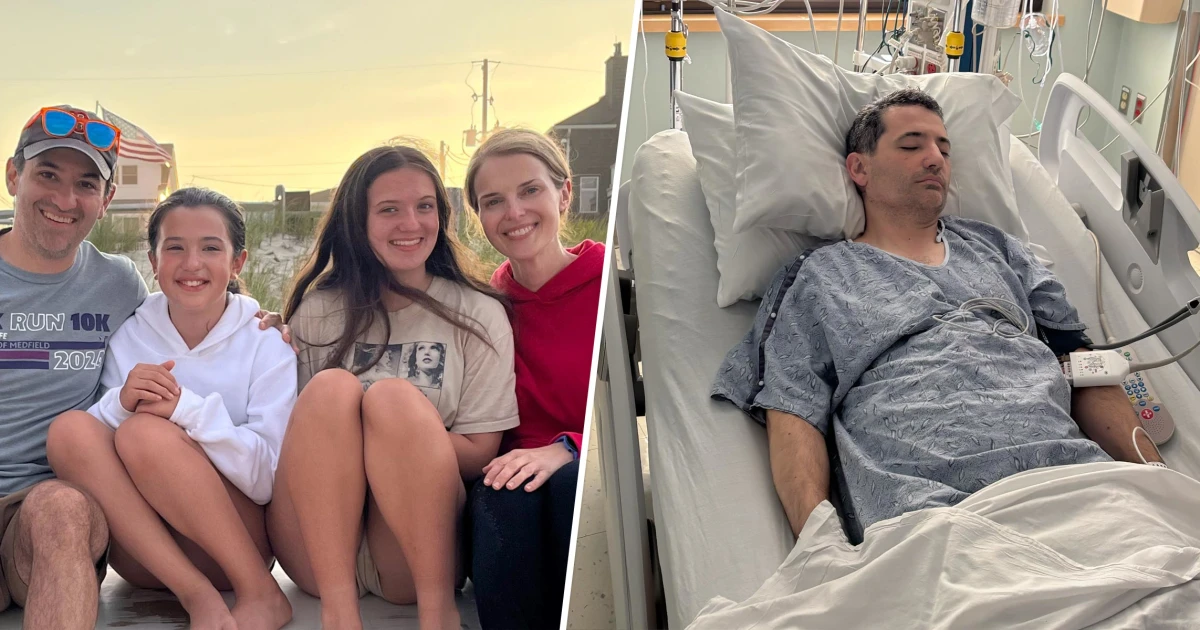
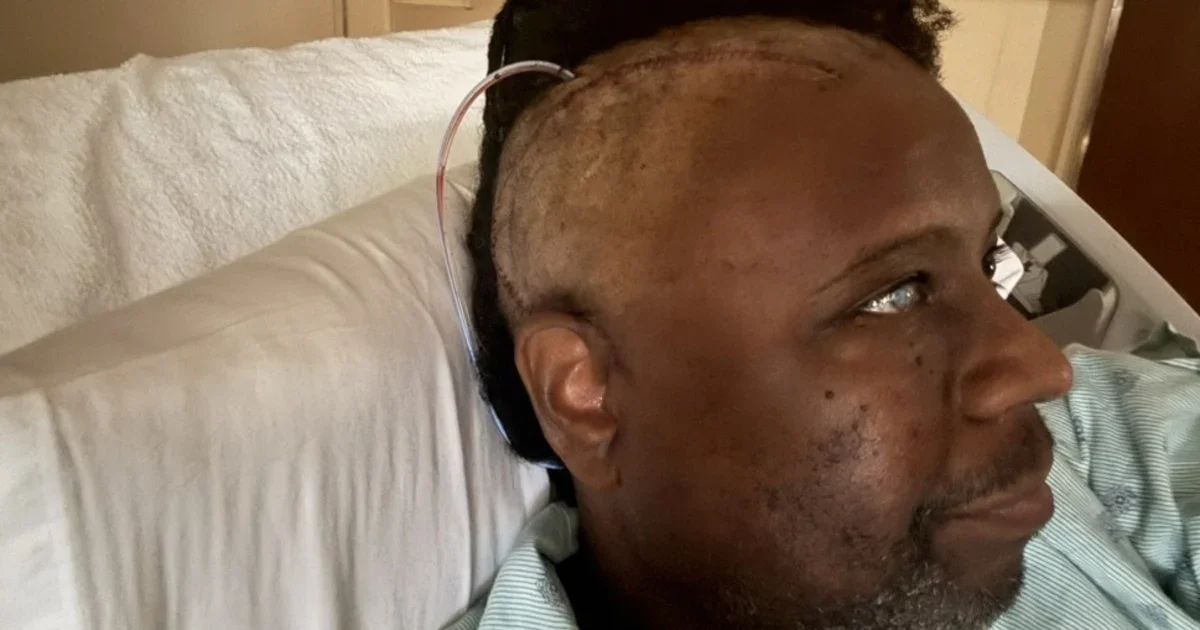
Stephen Greene, a healthy 44-year-old, experienced subtle symptoms like ear clogging and hearing loss, which led to the discovery of a rare, benign brain tumor called vestibular schwannoma. After diagnosis and a lengthy surgery, he faced a challenging recovery but is now gradually returning to normal life, highlighting the importance of paying attention to early symptoms and seeking medical advice.
A groundbreaking gene therapy has successfully slowed Huntington's disease progression by 75% in a clinical trial, offering hope for a treatment that could extend and improve patients' lives, though it involves complex surgery and high costs.
Logan Coleridge, a high school football player with a history of concussions, suffered severe headaches and neurological symptoms that were eventually diagnosed as an arteriovenous malformation (AVM) in his brain. After surgery to remove the AVM, he has recovered well and is returning to normal activities, highlighting the importance of early diagnosis and treatment for similar conditions.
Brazilian President Lula is currently in the ICU following an emergency brain surgery. The procedure was necessary to address a health issue, and his condition is being closely monitored by medical professionals.
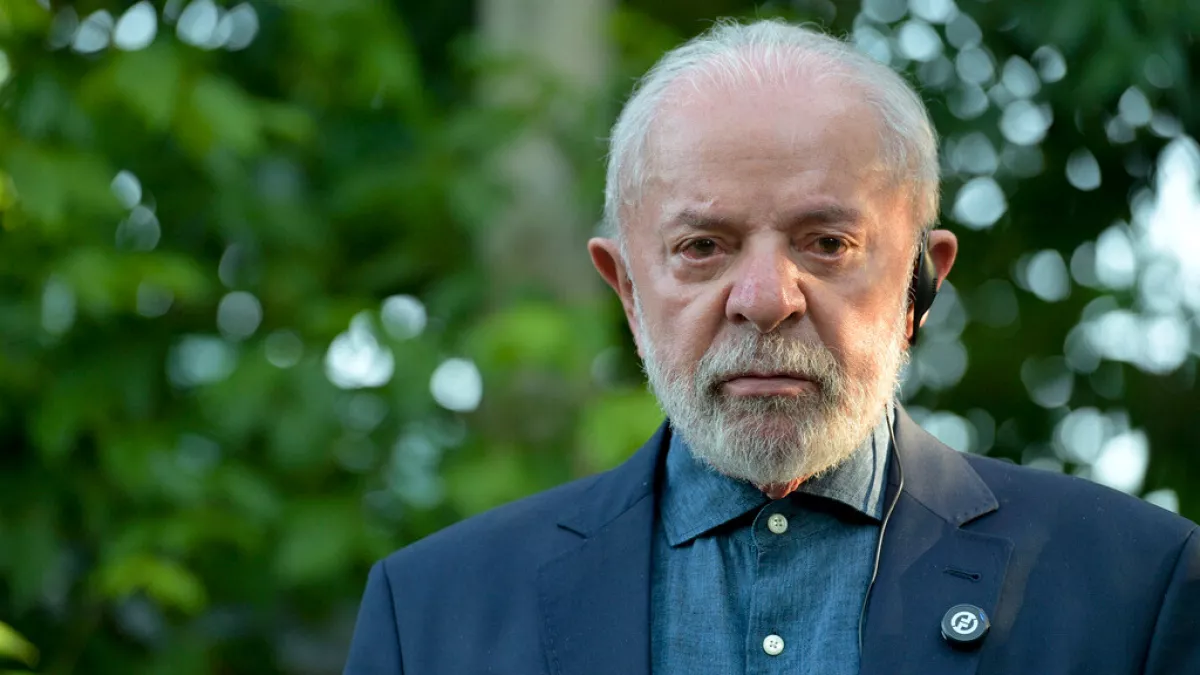
Brazilian President Luiz Inácio Lula da Silva is in stable condition in intensive care after undergoing surgery in Sao Paulo to drain a brain bleed, linked to a fall at home in October. The 79-year-old leader, who has faced previous health issues including a hip operation and throat cancer, was transferred to Sirio Libanes hospital after an MRI in Brasília detected an intracranial haemorrhage. Lula had previously canceled a trip to a BRICS summit due to the fall, participating via videoconference instead.
Brazilian President Luiz Inácio Lula da Silva is recovering in intensive care after undergoing emergency brain surgery to remove a haematoma caused by a fall in October. The 79-year-old leader is stable and expected to return to Brasília soon, though his health raises questions about his potential re-election in 2026. Vice-president Geraldo Alckmin is temporarily assuming some of Lula's duties. Lula's presidency faces challenges, including economic concerns and a recent alleged assassination plot.
Brazilian President Luiz Inácio Lula da Silva, 79, underwent emergency surgery to address an intracranial hemorrhage. The procedure was successful, and he is currently recovering in the ICU at Sirio Libanes hospital in Sao Paulo. The hemorrhage is believed to be linked to a previous fall earlier this year, which had forced him to cancel a trip to the BRICS summit. A news conference is expected to provide further details on his condition.
Brazilian President Luiz Inacio Lula da Silva is in intensive care following a successful emergency brain surgery in Sao Paulo. The procedure, a craniotomy, was completed without complications, and Lula is reportedly in good health. The hospital plans to hold a press conference to provide further updates.
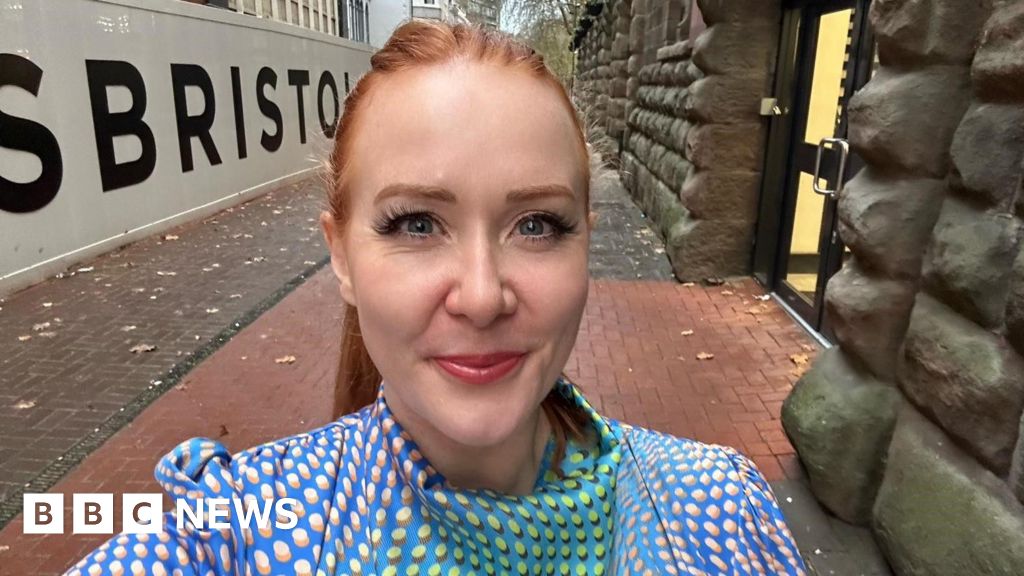
Anna Hill, who suffered from severe migraines for nine years, reports significant improvement after undergoing controversial brain surgery to remove a benign pineal cyst. Despite skepticism from many neurosurgeons who consider the procedure risky and potentially driven by the placebo effect, a recent NHS clinical trial found that 90% of patients experienced lasting benefits. The surgery, performed by a small number of specialists, remains contentious due to its risks and the debate over its efficacy.
Epilepsy patients in Israel are finding new hope through brain surgery, which can remove the epileptic focus causing seizures. Despite the high success rate and low complication risk, many patients remain unaware or hesitant about the procedure. The surgery, which involves removing the part of the brain responsible for seizures, has helped patients like Avi, Shelly, and Alona lead seizure-free lives. With advancements in technology, such as 3D navigation systems and exoscopes, the surgery has become safer and more effective, offering a potential end to the debilitating effects of epilepsy.