Tag

Research Collaboration

All articles tagged with #research collaboration

technology1 year ago

"Magnetic Whirls: Unlocking the Potential for Next-Generation Computing and Data Transfer"

Researchers have made a significant advancement in magnonics, a field that explores the use of magnons, or ripples in magnetic fields, for computing technologies. By causing two distinct types of magnons to interact nonlinearly using terahertz laser technology, the study marks a crucial step towards faster and more stable computing devices. This research collaboration, involving institutions such as UCLA, MIT, and the University of Texas at Austin, aims to push the boundaries of nonequilibrium physics and nonlinear control in magnonics, potentially revolutionizing the future of computing.

health1 year ago

"Revolutionizing Neurodegenerative Disease Treatment with Targeted 'Undruggable' Protein Approach"

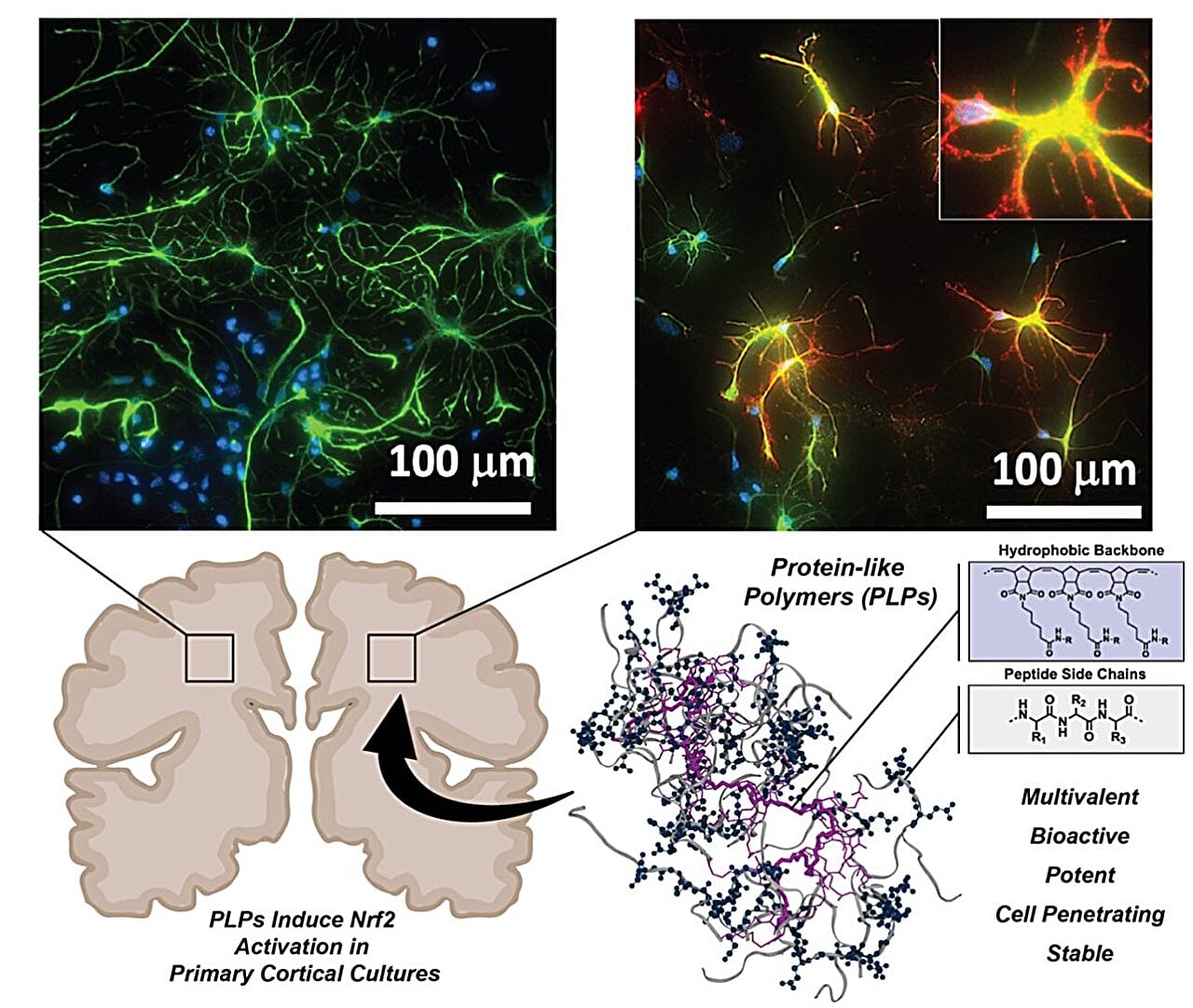
Researchers from Northwestern University and the University of Wisconsin-Madison have developed a pioneering approach to combat neurodegenerative diseases such as Alzheimer's, Parkinson's, and ALS by targeting the body's antioxidant response. Using protein-like polymers (PLPs) to disrupt the Keap1/Nrf2 protein-protein interaction, the study introduces a promising therapeutic strategy to enhance cellular protection against oxidative stress implicated in these conditions. The innovative PLP technology offers a versatile and effective method for targeting transcription factors and disordered proteins, potentially revolutionizing the development of therapeutics for neurodegenerative diseases.

genetics-research1 year ago

"Genetic Insights from the Born in Guangzhou Cohort Study on East Asian Pregnancy Outcomes"

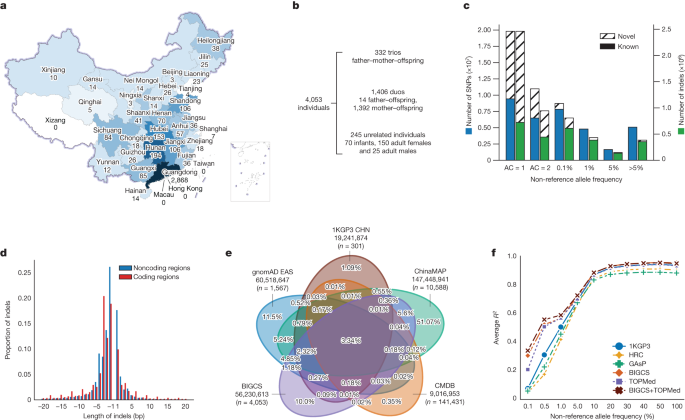
The Born in Guangzhou Cohort Study (BIGCS) has released raw sequencing data approved by The Ministry of Science and Technology of China, enabling generational genetic discoveries. The study's code and software tools are available on Github, and various publicly available software and databases were used for the research. The study references previous genetic studies and cohorts, emphasizing the importance of prospective cohort studies in understanding human genetic variation and disease.

science-and-technology2 years ago

Revolutionizing Microscopy: Engineers Pave the Way for Cutting-Edge Imaging Techniques

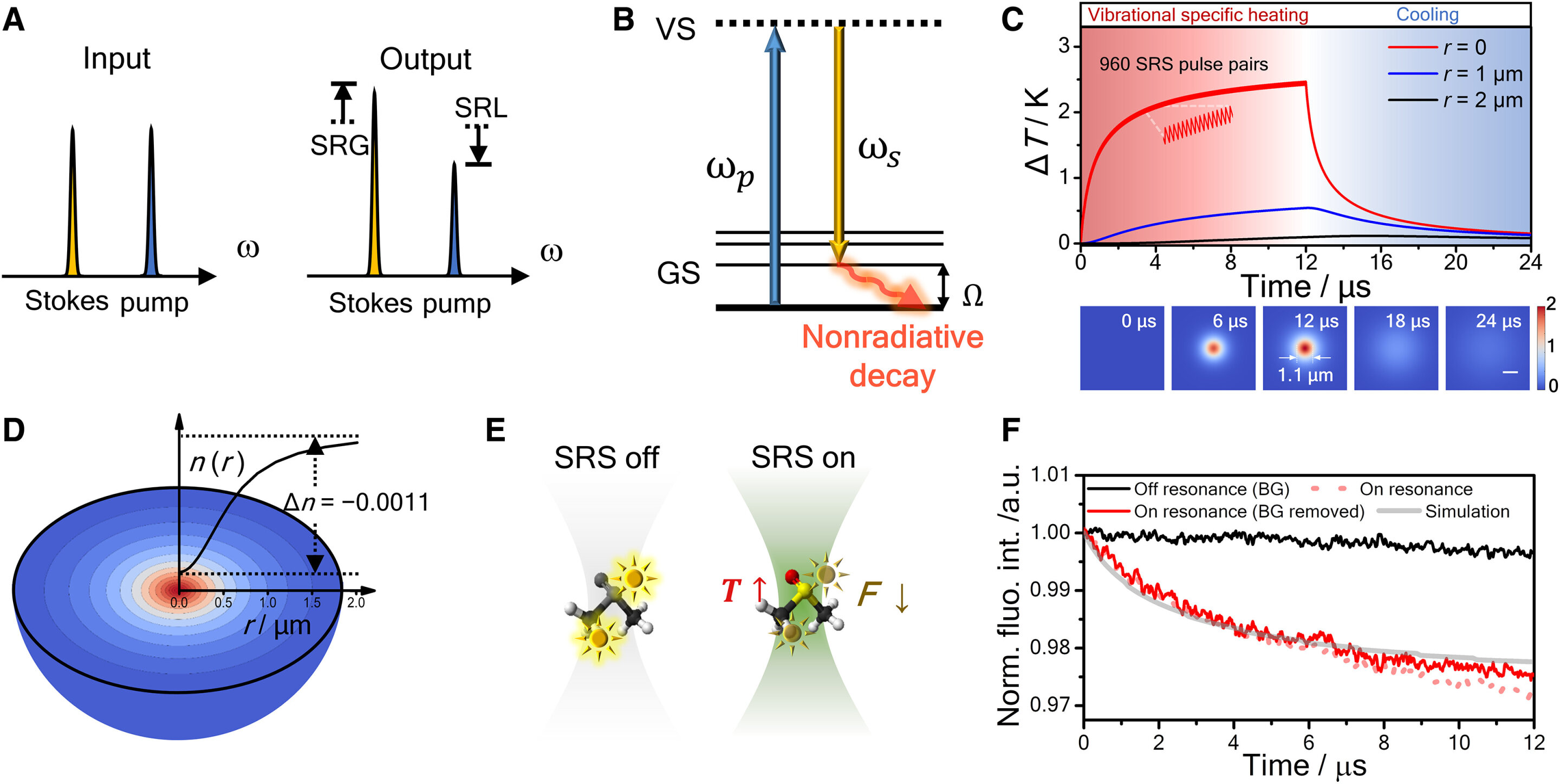
Researchers at Boston University have published two papers in Nature Communications and Science Advances, introducing advanced microscopy techniques that improve the detection limit of vibrational imaging. The techniques, called vibrational photothermal microscopy (VIP microscopy) and stimulated Raman photothermal (SRP) microscopy, allow for the visualization of target molecules at low concentrations without the need for dyes. The findings have significant implications for the field of microscopy and may influence future scientific applications. The researchers have filed provisional patents for both technologies and are collaborating with other experts in the field.

science-and-technology2 years ago

"Nanoscale Marvels: Harnessing Carbon-Based Quantum Technology"

Researchers at Empa, in collaboration with international teams, have successfully contacted individual graphene nanoribbons using carbon nanotube electrodes. Graphene nanoribbons, which have unique electrical, magnetic, and optical properties, hold great potential for quantum technology applications. The researchers overcame the challenge of accessing and contacting the extremely narrow nanoribbons by using carbon nanotubes of similar size. The success of this experiment opens up possibilities for studying fundamental quantum effects and developing applications in quantum switching, sensing, and energy conversion. Further research aims to manipulate different quantum states on a single nanoribbon and explore the use of nanoribbons as highly efficient energy converters.

science-and-technology2 years ago

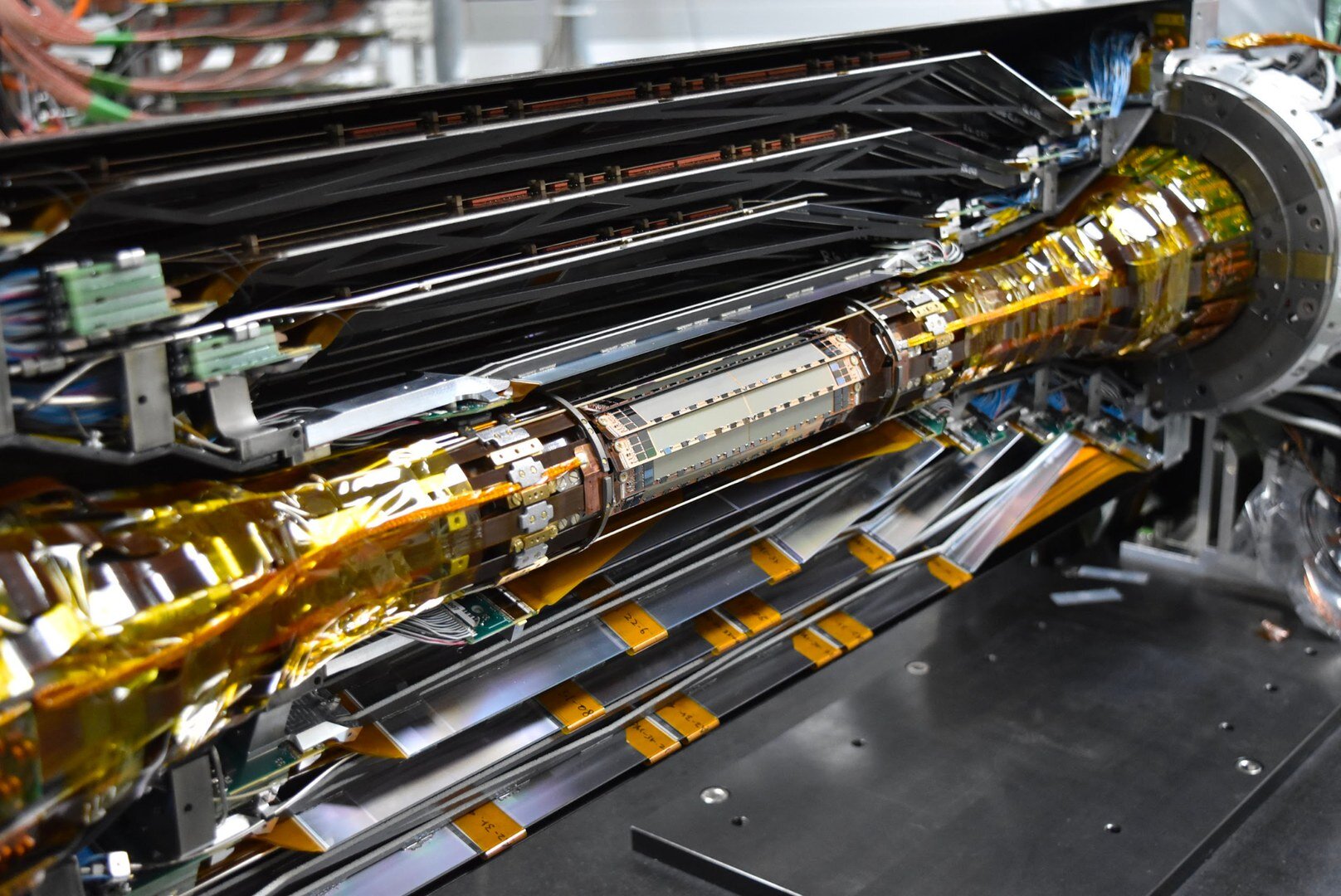
Breakthrough Achievement: Thinnest Pixel Detector Sets Unprecedented World Record

The Belle II cooperation project has achieved a major milestone by successfully installing the thinnest-ever pixel detector, the size of a soda can, at the SuperKEKB accelerator in Japan. Developed to detect signals from particle decays, the detector aims to shed light on the matter-antimatter asymmetry observed in the universe. The installation marks the end of a long journey for the detector, which traveled from Germany to Japan. The pixel detector's DEPFET sensor technology can also be used for other purposes such as X-ray satellite missions, the search for sterile neutrinos or dark matter, and medical imaging.

ai-research2 years ago

Advancements in AI Language Models for Global Collaboration and Numerical Reasoning.

The Allen Institute for AI (AI2) has announced the development of an open language model called AI2 OLMo (Open Language Model), with a scale of 70 billion parameters, comparable to other large language models. AI2 is partnering with leading technology companies, including AMD and CSC, to develop OLMo. The project aims to provide the research community with access to all aspects of model creation, fostering collaboration and advancing the science of language models. AI2 plans to make all elements of the project openly available, including data, code, training curves, evaluation benchmarks, and ethical considerations surrounding the model’s development.