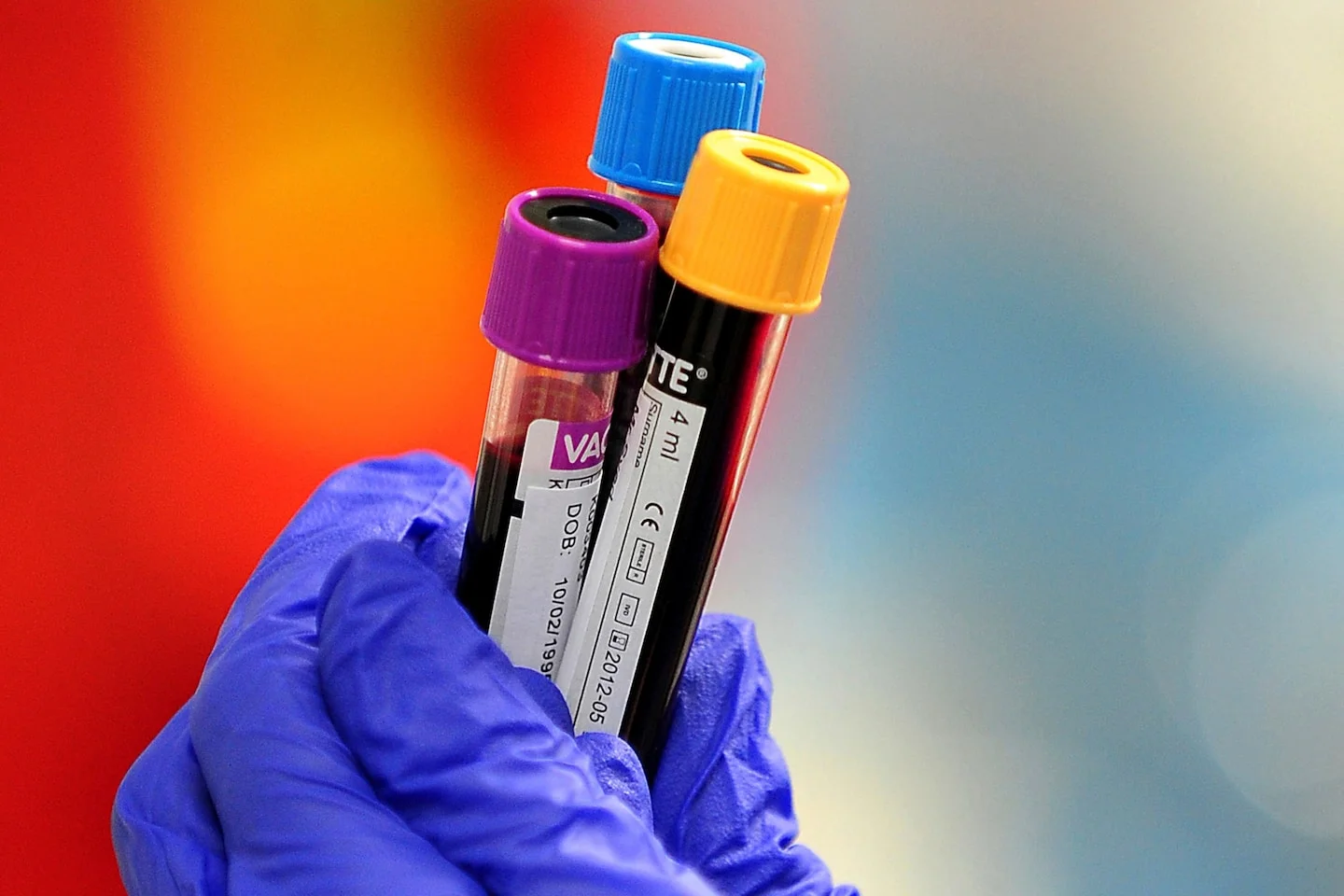
Advances in Blood Tests for Early Cancer Detection
A recent study suggests that new blood tests may be able to detect trace amounts of cancer genetic material years before clinical diagnosis, potentially enabling earlier intervention.

All articles tagged with #genetic material
A recent study suggests that new blood tests may be able to detect trace amounts of cancer genetic material years before clinical diagnosis, potentially enabling earlier intervention.

Over 90 biologists and A.I. specialists, including Nobel laureate Frances Arnold, have signed an agreement to ensure that A.I.-aided research in protein design moves forward without posing serious harm, particularly in the creation of bioweapons. They argue that the benefits of current A.I. technologies for protein design far outweigh the potential for harm, emphasizing the potential for new vaccines and medicines. The agreement aims to regulate the use of equipment needed to manufacture new genetic material, rather than suppress the development or distribution of A.I. technologies.
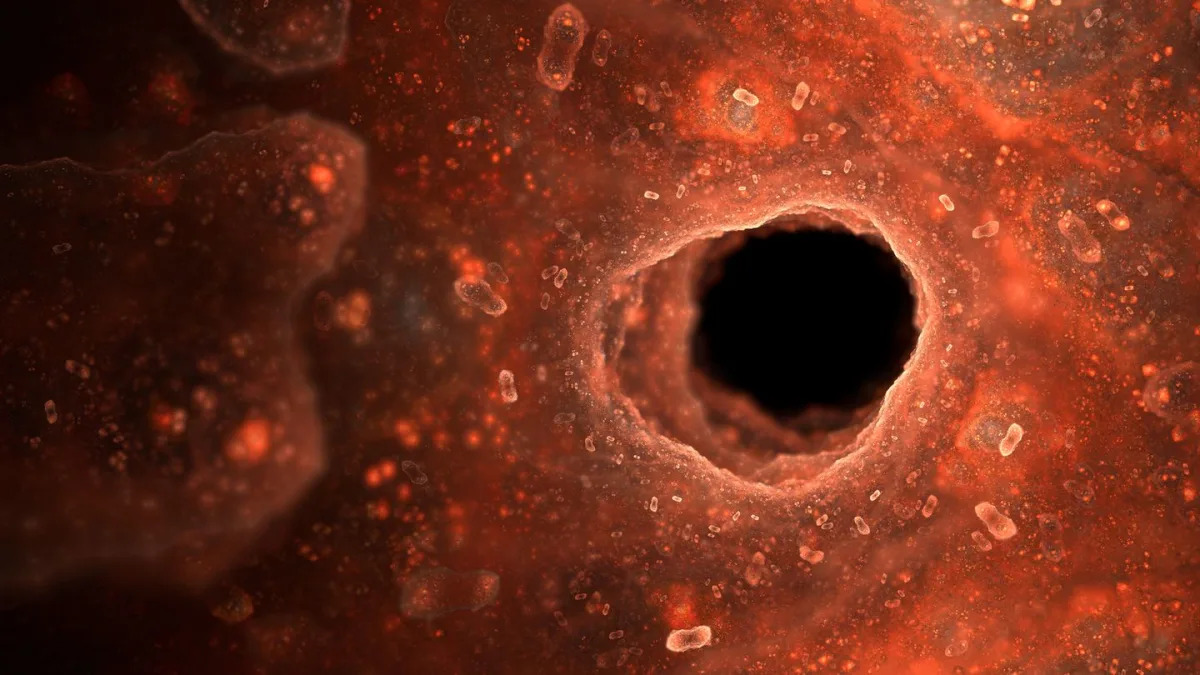
Stanford University researchers have discovered tiny virus-like 'lifeforms' called obelisks inside human mouths and guts, smaller than viruses and capable of transferring information to cells. These rod-shaped entities, resembling viroids, have been found in various demographics worldwide and are now the subject of research to determine their function and impact on human health.
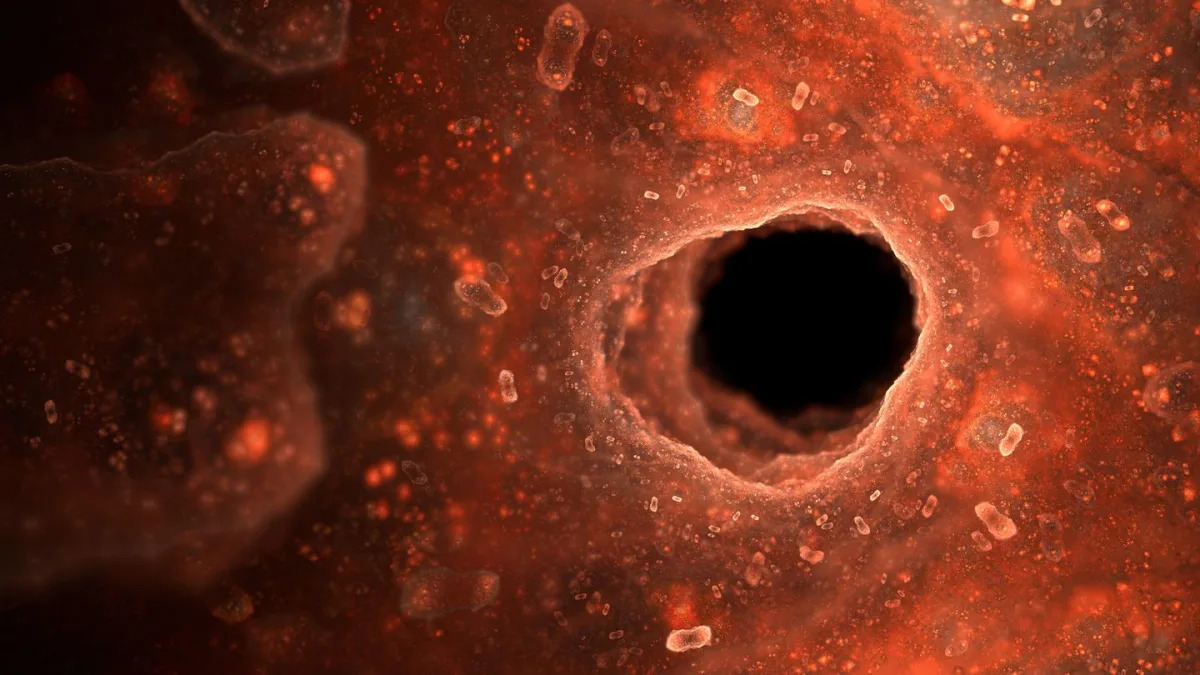
Stanford University researchers have discovered tiny virus-like 'lifeforms' called obelisks inside human mouths and guts, smaller than viruses but capable of transferring information to cells. These rod-shaped entities, found in nearly 30,000 distinct types, are neither standard life nor viroids, and their purpose remains unknown. Scientists are now investigating their relationship with host cells, bacteria, and fungi to determine their impact on human health.

Researchers have discovered a link between a 500-million-year-old viral infection and the early stages of embryo development, shedding new light on the role of endogenous retroviruses in regulating pluripotency factors. The study, conducted on mouse embryos, identified a retroviral protein called MERVL-gag that influences the transition from totipotent to pluripotent cells, a crucial step in embryo specialization. This finding has implications for artificial embryo creation, regenerative medicine, and understanding fertility issues, highlighting the important functions of ancient retroviruses that have co-evolved with complex organisms over millions of years.
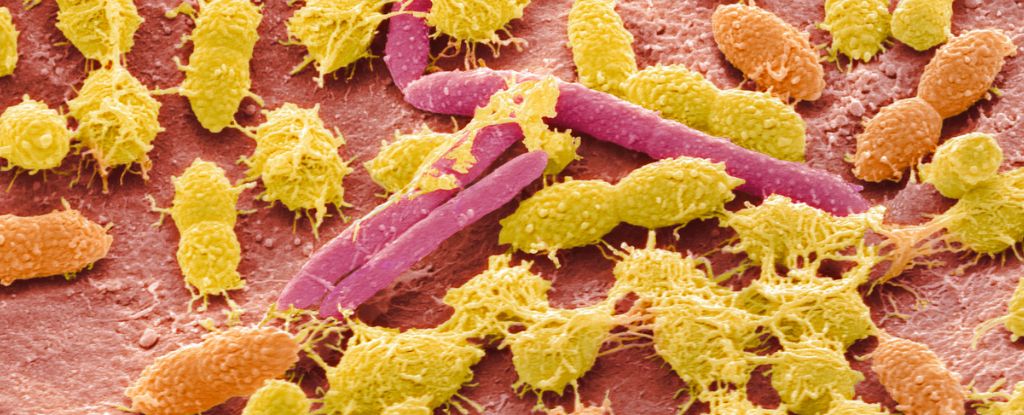
Researchers have discovered a new class of genetic material, named Obelisks, in the human microbiome that may not be viruses at all but an entirely new group of entities. These mysterious bits of genetic material have no detectable sequences or structural similarities known to any other biological agents. The Obelisks' genetic sequences are around 1,000 characters in size and have been found in about 10 percent of human microbiomes. They appear to include codes for a new class of protein called Oblins, which may be involved in the entity's replication process. The researchers suspect they may be more closely related to RNA plasmids than viruses.
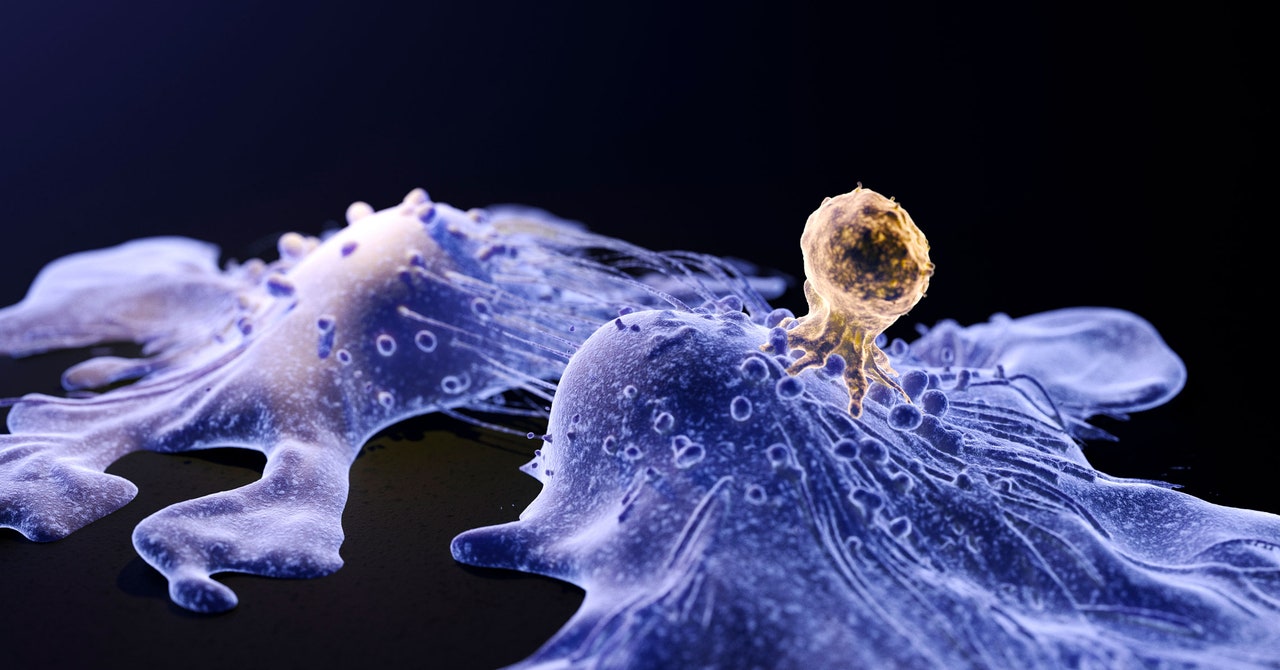
The US Food and Drug Administration (FDA) is investigating the potential risk of a cutting-edge cancer treatment, CAR-T cell therapy, causing secondary malignancies. The therapy uses harmless viruses to deliver new genetic material into cells, but there is a theoretical risk that these viruses could activate cancer genes. The FDA has suggested lifelong monitoring for patients receiving CAR-T cell therapies and stated that the benefits of these treatments still outweigh the potential risks. Pharmaceutical companies such as Novartis, Bristol Myers Squibb, and Johnson & Johnson, which manufacture approved CAR-T cell therapies, have not found evidence linking their products to secondary malignancies. However, experts acknowledge the need for more information and caution that the occurrence of such cases is likely to be rare.
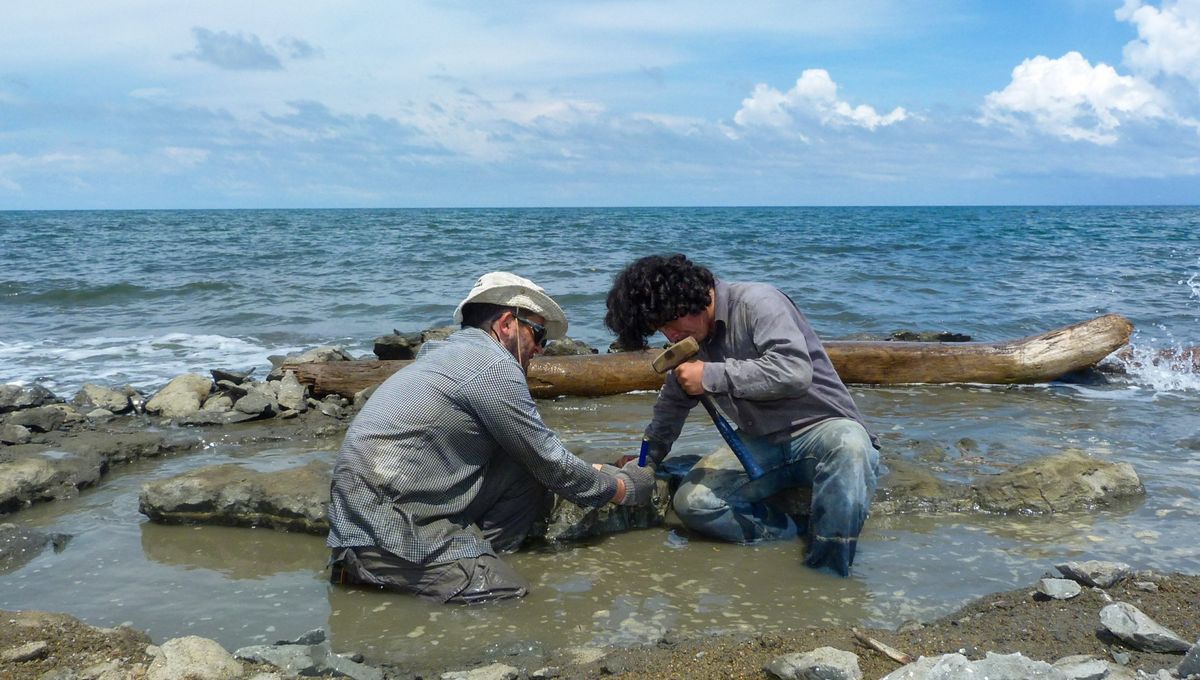
Traces of ancient DNA have potentially been found within a 6-million-year-old turtle shell fossil discovered in Panama. The fossil belongs to an extinct species of turtle, and the presence of genetic material within the preserved bone cells suggests that DNA may be able to last much longer than previously thought. While further testing is needed to confirm the presence of DNA, this finding challenges traditional paradigms of biomolecular preservation and could provide valuable insights into the history and evolution of sea turtles.
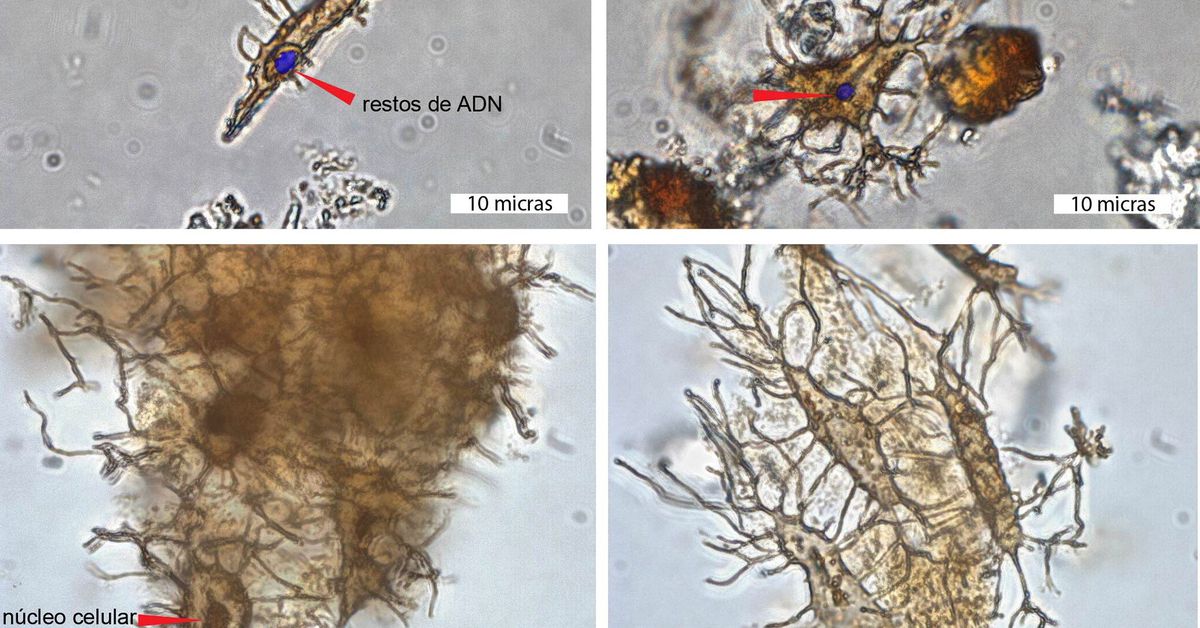
Remnants of DNA have been discovered in a 6 million-year-old fossil of a sea turtle closely related to today's Kemp's ridley and olive ridley turtles, marking a rare find of genetic material in ancient vertebrate fossils. The fossil, excavated in Panama, contained well-preserved bone cells called osteocytes, some of which still had preserved cell nuclei containing traces of DNA. This discovery provides insights into the evolutionary history of the Lepidochelys genus and opens up possibilities for future studies on ancient DNA sequencing.
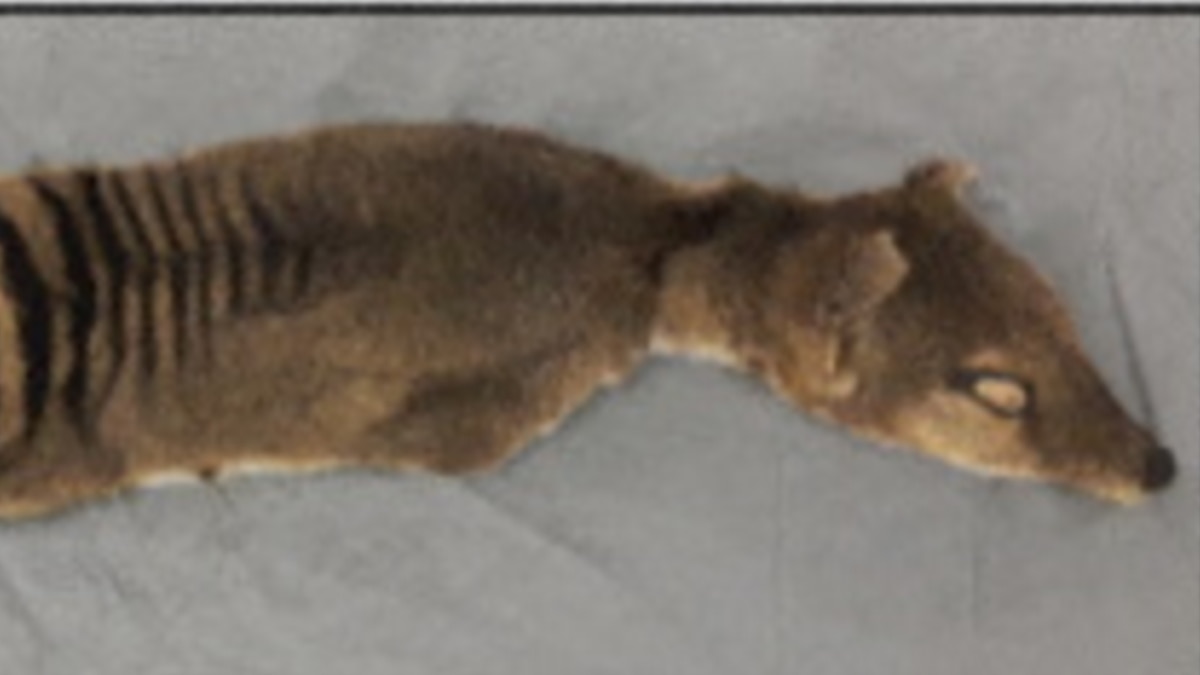
Scientists have successfully recovered genetic material, specifically ribonucleic acid (RNA), from the remains of an extinct Tasmanian tiger. This breakthrough discovery provides valuable insights into the biology and genetic activity of these creatures before their extinction. The recovered RNA came from skin and muscle samples stored since 1891 in a museum in Stockholm, Sweden. This is the first time RNA has been recovered from an extinct animal, and it could aid in understanding the gene complements and active genes of extinct species. While there are challenges in using genetic processes to recreate extinct animals, further research on the biology of these extinct animals is advocated.
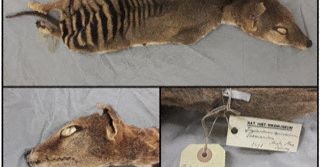
Scientists have successfully recovered RNA, a genetic material similar to DNA, from the desiccated skin and muscle of an extinct Tasmanian tiger specimen stored since 1891. This marks the first time that RNA has been recovered from an extinct species, opening up possibilities for studying the biology and gene complements of extinct animals. The ability to extract and analyze old RNA could also aid in understanding past pandemics and potentially contribute to efforts to recreate extinct species. The Tasmanian tiger, once an apex predator in Australia, became extinct due to human activities.

China has sent over 100 types of plant material, including seeds and genetic materials, to its Tiangong space station as part of space breeding experiments. The materials come from 53 institutions and include crops, microorganisms, and various plant species. Space breeding involves exposing seeds to cosmic radiation and microgravity to induce genetic mutations that could enhance crop yields and resistance to drought and diseases. This is a continuation of China's long-standing space breeding program, and similar experiments are also being conducted on the International Space Station.

Researchers have found a link between Neanderthal genetic material and Dupuytren’s disease, also known as Viking’s disease, a hand condition that can cause some of a person’s fingers to become permanently bent at an angle. Neanderthals living 40,000 to 50,000 years ago suffered from some form of this condition and passed this vulnerability on to humans living alongside them in Northern Europe. The name “Viking disease” comes from its predominance among descendants of the ancient Viking warriors who once ruled Scandinavia. Studies have shown that about two percent of the human genome is comprised of DNA sourced from distant Neanderthal ancestors, impacting human health and development.
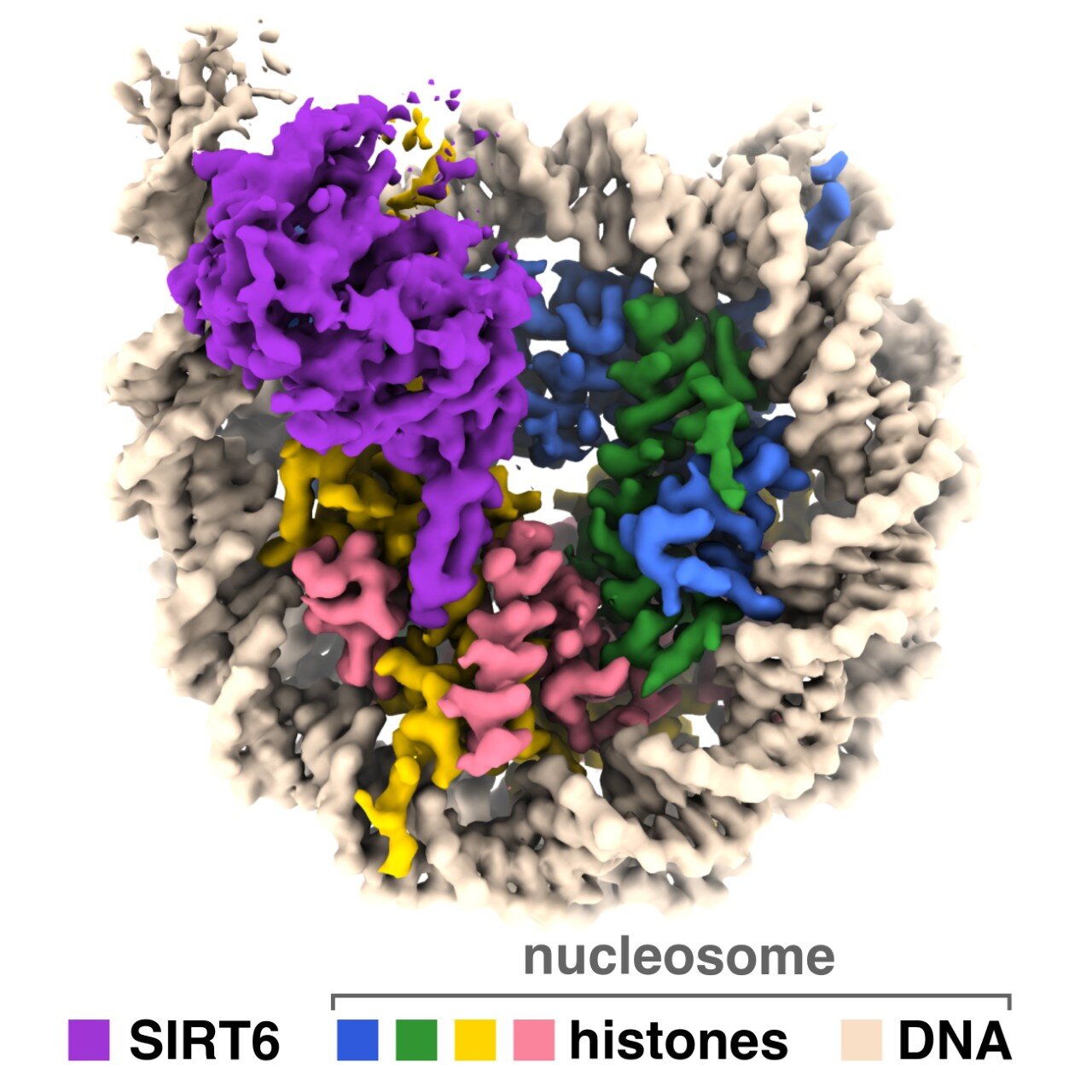
New research provides insight into how the SIRT6 sirtuin enzyme, which regulates aging and other metabolic processes, accesses genetic material to modulate gene expression within the cell. The enzyme navigates the nucleosome complex to access both DNA and histone proteins, clarifying how it functions in humans and other animals. The researchers identified how SIRT6 positions itself on the nucleosome in order to remove an acetyl group from the K9 position on the histone called H3.

A report released by international experts has described a swab taken from a cart at the Wuhan market in January 2020 that was positive for the coronavirus and contained genetic material from raccoon dogs. The report strengthens the case that illegally traded wild animals ignited the coronavirus pandemic. The database that held the raw data was removed by Chinese researchers after the international team discovered it, and the nonprofit organization that runs the database, called GISAID, has come under scrutiny for its role in controlling access to the data.