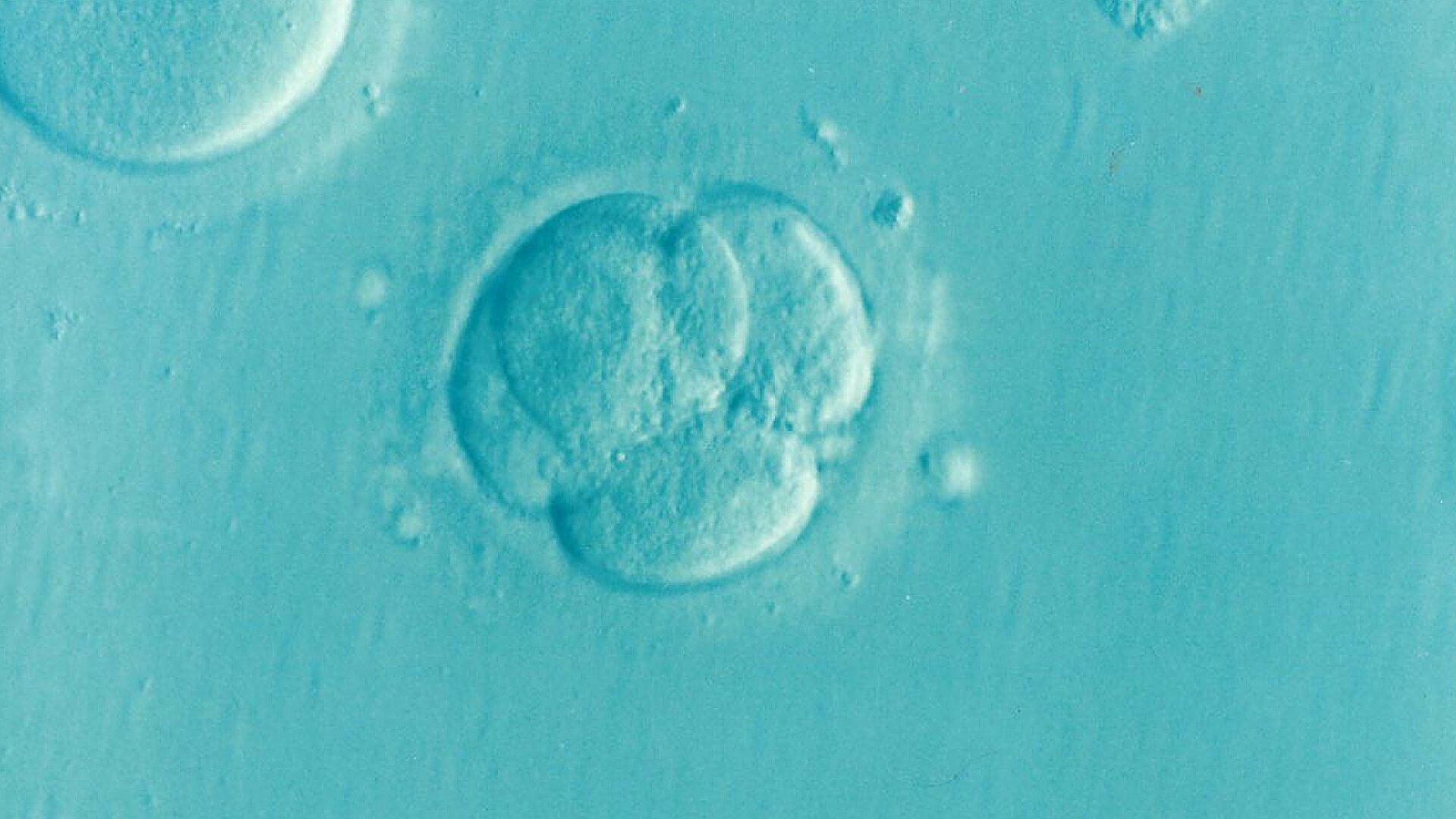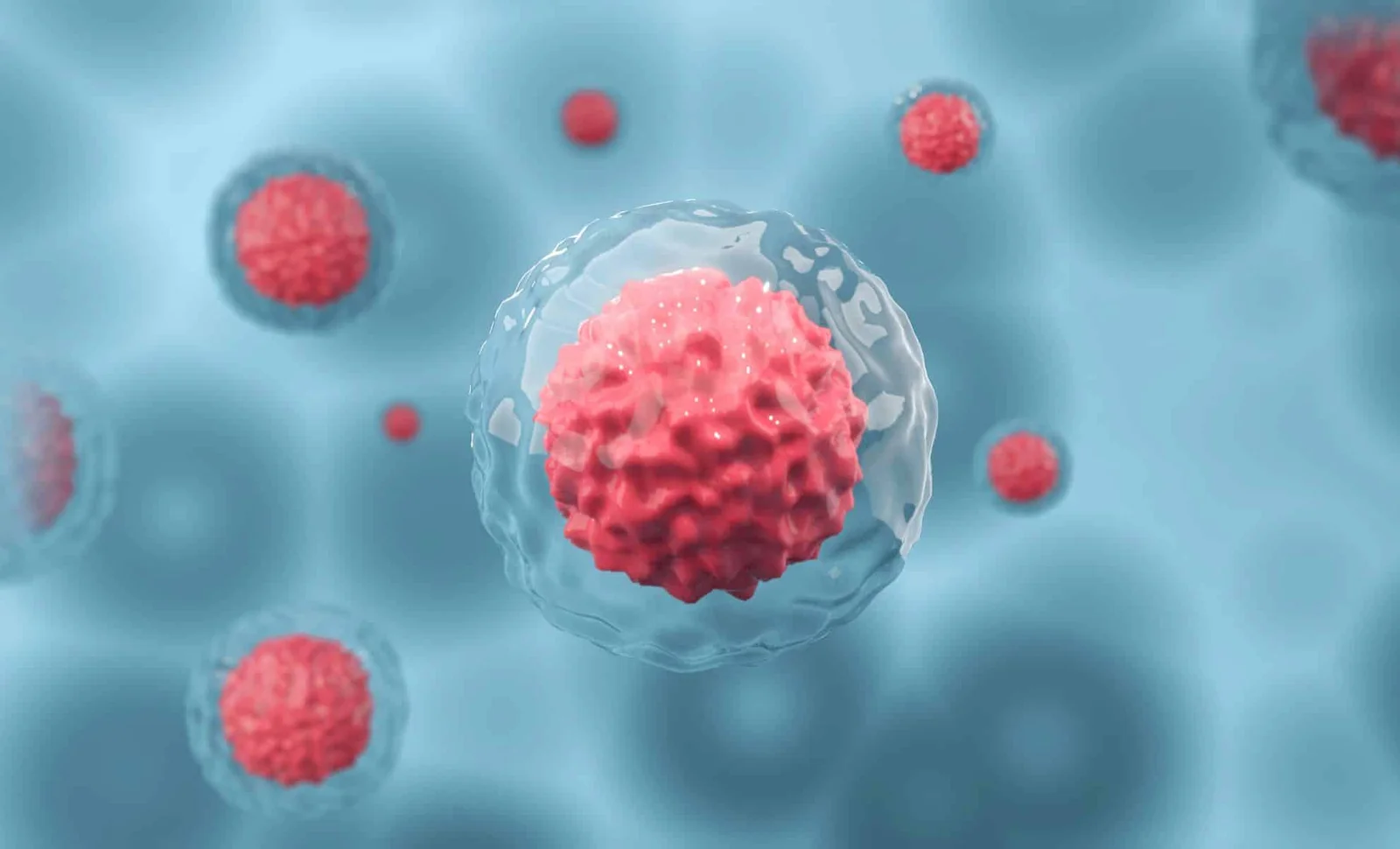
Scientists have discovered a molecular 'pause button' in cells, involving the regulation of the MAP kinase pathway by the protein Capicua and brake genes, which allows embryonic stem cells to enter a reversible dormant state while maintaining their ability to develop into any cell type. This mechanism, observed in various stress conditions, could have implications for understanding diseases like cancer and the general principles of cell survival under stress.

Researchers have discovered a link between a 500-million-year-old viral infection and the early stages of embryo development, shedding new light on the role of endogenous retroviruses in regulating pluripotency factors. The study, conducted on mouse embryos, identified a retroviral protein called MERVL-gag that influences the transition from totipotent to pluripotent cells, a crucial step in embryo specialization. This finding has implications for artificial embryo creation, regenerative medicine, and understanding fertility issues, highlighting the important functions of ancient retroviruses that have co-evolved with complex organisms over millions of years.
Researchers from the CNIO have discovered that a virus that infected animals hundreds of millions of years ago plays a crucial role in the development of embryos. The viral genetic material integrated into the genome of the first multi-cellular beings is still present in our DNA today and is essential for the transition from totipotency to pluripotency in embryos. This finding has implications for regenerative medicine and artificial embryo creation, as it opens up new possibilities for generating stable cell lines in the totipotency phases. The study sheds light on the symbiotic co-evolution of endogenous retroviruses with host cells to ensure the smooth progression of early embryonic development.