A new study has identified an enzyme called SCoR2 that acts as a 'fat switch' in the body, controlling fat and cholesterol production. Blocking this enzyme in animal studies reduced weight gain, lowered bad cholesterol, and protected the liver, suggesting potential for new treatments for obesity, high cholesterol, and liver disease. However, human trials are still needed before these findings can lead to new therapies.

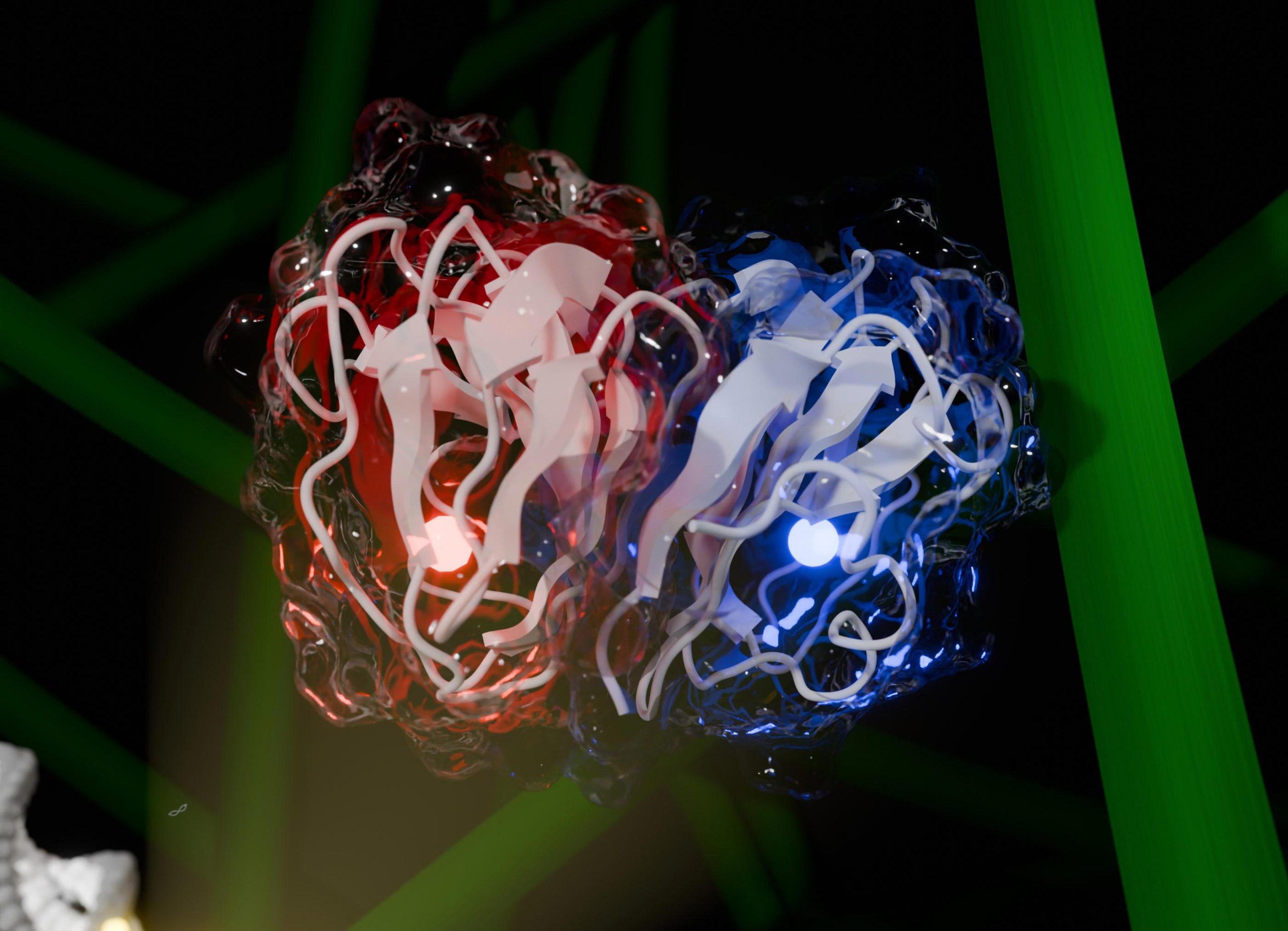
Researchers developed EZSpecificity, a cross-attention graph neural network model, to accurately predict enzyme substrate specificity, outperforming existing models with a 91.7% accuracy in experimental validation, aiding biological and medical research.
A minor genetic change in the ADSL enzyme may have contributed to the cognitive and behavioral advantages of modern humans over Neanderthals, potentially influencing our species' survival and evolution.
Scientists at the University of Texas at Arlington discovered that blocking the enzyme IDO1 can restore macrophages' ability to process cholesterol during inflammation, potentially preventing diseases like heart disease, diabetes, and cancer. Targeting IDO1 and nitric oxide synthase could lead to new treatments for inflammation-related illnesses.
Scientists at CNPEM in Brazil have discovered a natural enzyme called CelOCE that efficiently breaks down cellulose, a major plant biomass component, by a novel mechanism, potentially revolutionizing biofuel production from agricultural waste and advancing sustainable energy solutions.
A study published in Nature Neuroscience has identified the enzyme tyrosine kinase 2 (TYK2) as a potential target for treating Alzheimer's disease. In genetically modified mice with excessive tau protein, blocking TYK2 reduced harmful tau buildup and showed signs of neuronal recovery. This discovery could lead to new drug development, although further research is needed to confirm these findings in humans.
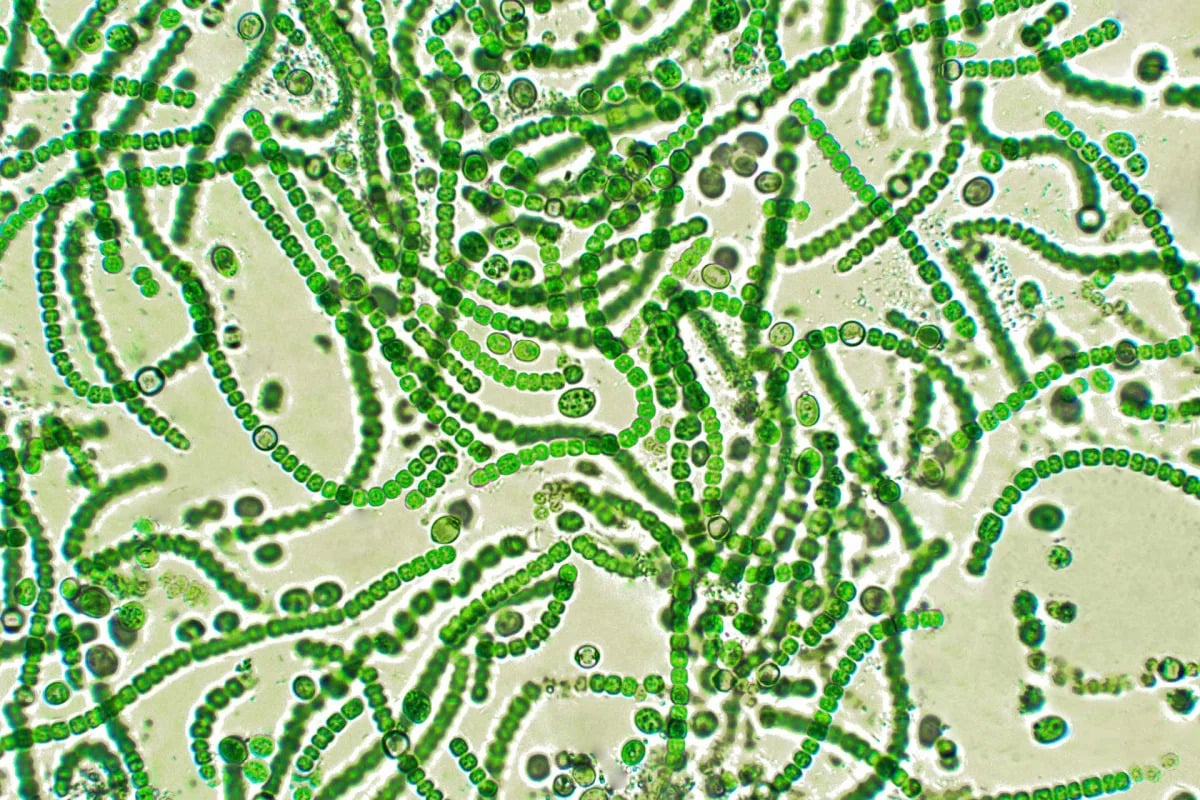
Researchers have discovered a new function of the enzyme carboxysomal carbonic anhydrase (CsoSCA) in cyanobacteria, which allows these algae to absorb more carbon dioxide from the air than previously known. This finding could lead to the development of climate-resilient crops that require less nitrogen fertilizer and water, while also capturing more carbon dioxide, potentially cooling the planet and securing food supplies.
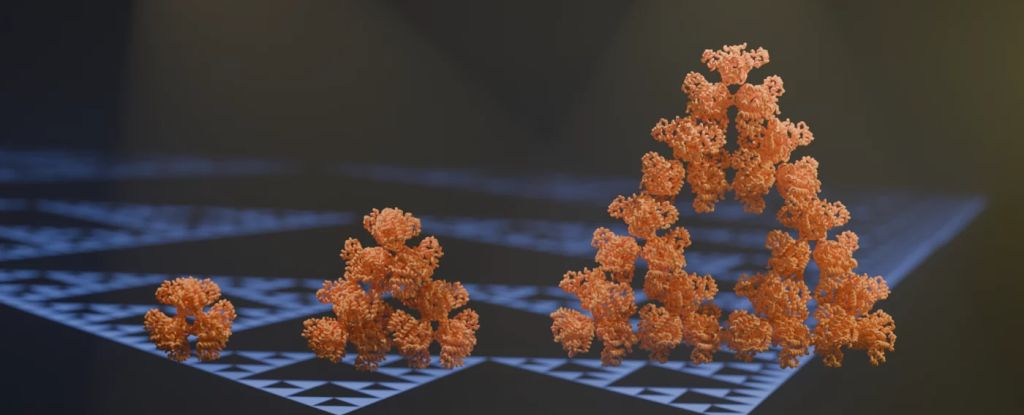
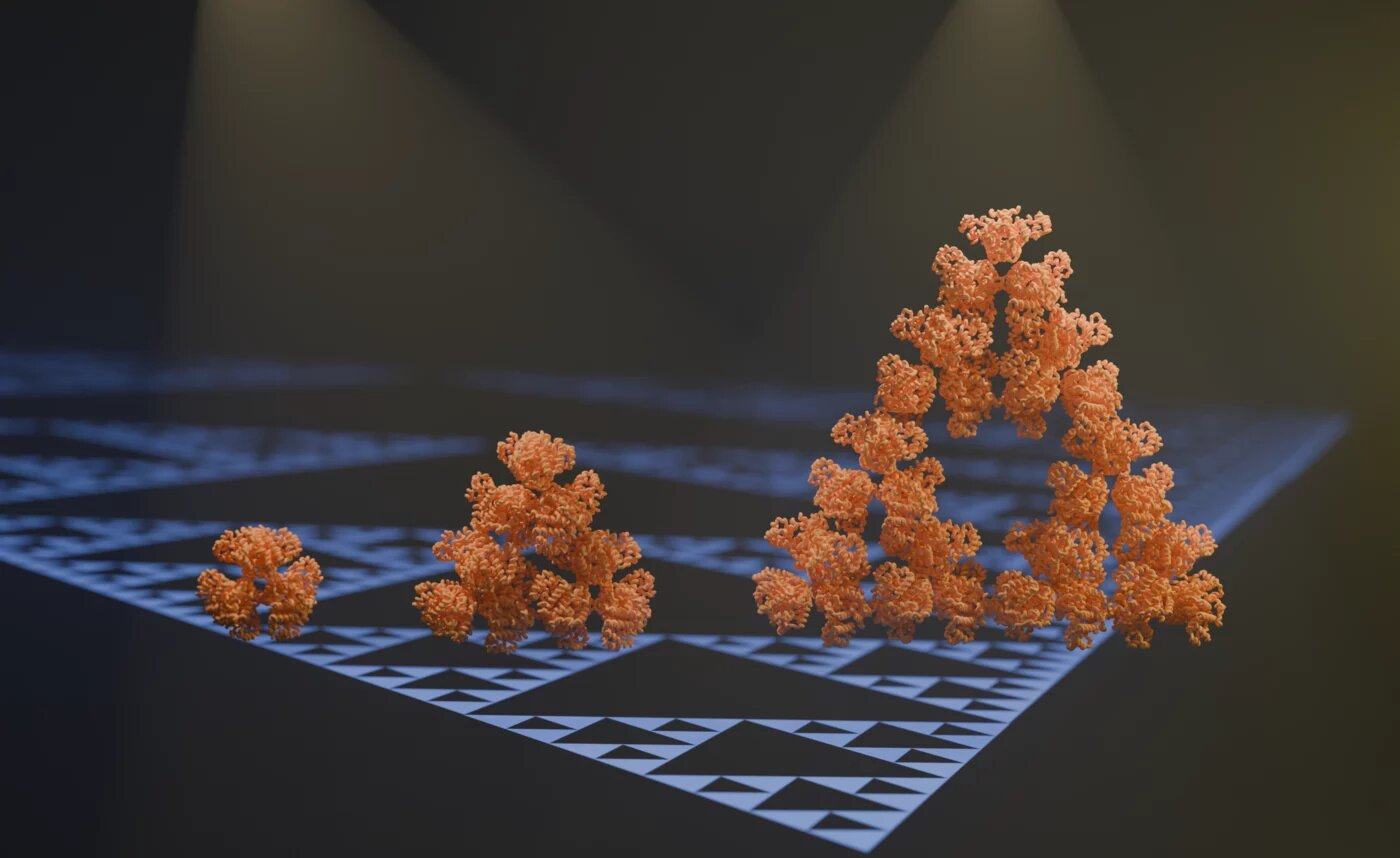
Researchers have discovered a fractal-forming enzyme produced by a cyanobacterium, which assembles into a Sierpiński triangle, a pattern not previously observed in molecules. The structure appears to be a rare accident of evolution, with no discernible biological function. It takes only a few mutations for the molecule to alter its shape, and the fractal pattern has emerged and disappeared in different species of cyanobacteria multiple times in the past. The findings suggest that evolutionary transitions in self-assembly may be more common than previously thought, with many unique assemblies evolving over time but not persisting.
An international team of researchers has discovered the first regular molecular fractal in nature, a microbial enzyme that spontaneously assembles into a pattern known as the Sierpinski triangle. This fractal may represent an evolutionary accident, as genetic manipulation of the bacterium showed no significant impact on its growth. The team also recreated the evolutionary development of the fractal arrangement in the laboratory, suggesting that more surprises and beauty may still lie hidden in undiscovered molecular assemblies of biomolecules.
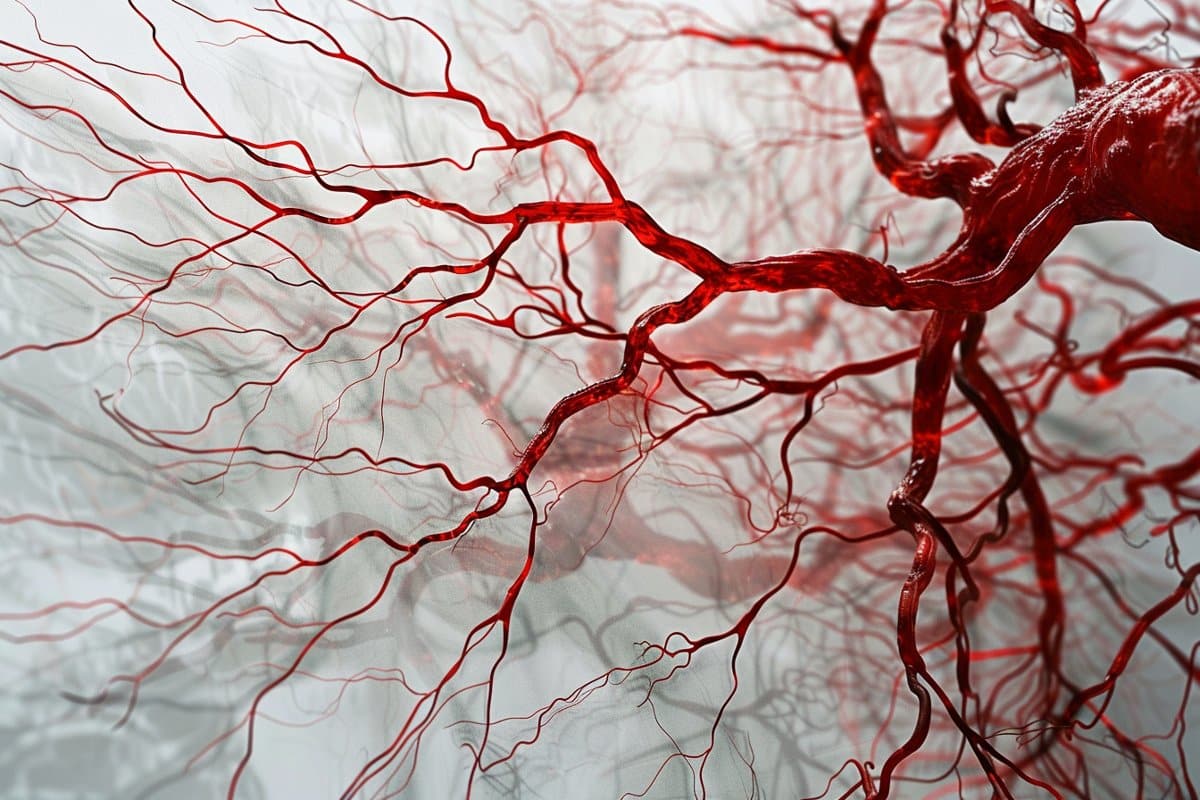
Researchers have discovered that blood vessels in the brain develop under unique rules, involving a specific enzyme crucial for their invasion into the brain and the establishment of the blood-brain barrier. This finding challenges previous beliefs about vascular formation and offers new possibilities for targeted treatments of neurological diseases by manipulating the mechanisms governing cerebral blood vessels. The study sheds light on brain-specific angiogenesis and the role of Wnt7a/b ligands in controlling this process, providing insights into organ-specific angiogenesis mechanisms.
Zya, a startup, is developing an enzyme that can convert sugar into fiber in the gut, aiming to address the low fiber intake in the American diet. The enzyme, called Convero, has shown promise in lab and animal tests, with plans for human trials and potential use in food products. While Zya faces regulatory hurdles, experts see the technology as a potential tool to improve public health by making everyday foods healthier.
Researchers have identified a novel mechanism linking chronic stress to depression, involving the enzyme matrix metalloproteinase-8 (MMP-8) in the blood impacting brain neurons and leading to depression-like behaviors in mice. This discovery opens potential avenues for new depression treatments by targeting MMP-8 and highlights the critical role of the immune system's interaction with the brain in psychiatric disorders, paving the way for clinical studies focused on mind-body integrative care.
Scientists at Case Western Reserve University and University Hospitals in Cleveland have discovered a possible new cause of diabetes, identifying an enzyme called SNO-CoA-assisted nitrosylase (SCAN) that blocks insulin action by attaching nitric oxide to proteins. Increased SCAN activity was found in diabetic patients and mice, while mouse models without the SCAN enzyme were protected from diabetes. Lead researcher Jonathan Stamler suggests that blocking this enzyme could offer a new treatment for diabetes and potentially other diseases caused by excessive nitric oxide on proteins. This discovery opens up fresh pathways for treating diabetes and related conditions.
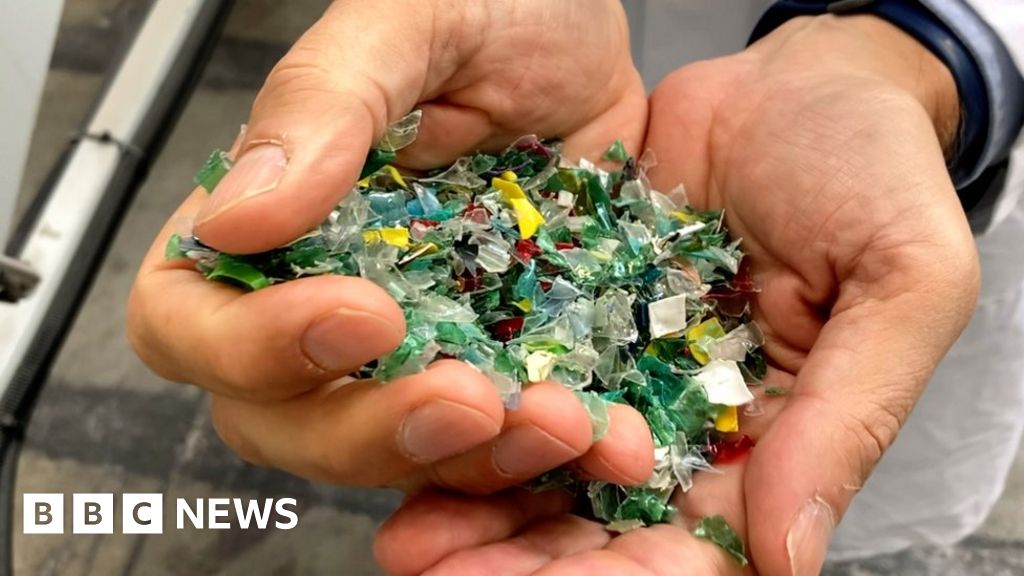
French company Carbios has developed an enzyme, LCCICCG, that can efficiently break down PET plastic into its constituent monomers, allowing for the production of new plastic. The company plans to open a factory in northeast France by 2025 to recycle 50,000 tonnes of PET waste annually. Carbios aims to license its process to other companies and has formed a consortium with major brands like Nestle, L'Oréal, and PepsiCo. While other research teams are also working on PET recycling, Carbios is at the forefront of scaling up the process. However, the cost of the recycled monomers is expected to be about 60% higher than those derived from petrochemicals.
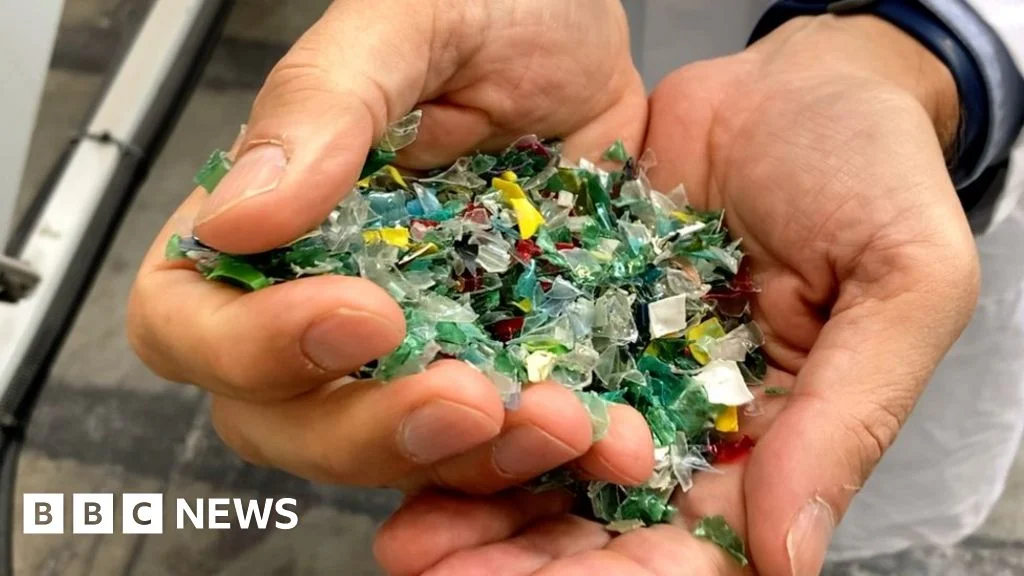
French company Carbios has developed an enzyme, LCCICCG, that can efficiently break down PET plastic into its constituent monomers, allowing for the production of new plastic. The company plans to open a factory in northeast France by 2025 that can recycle 50,000 tonnes of PET waste per year. Carbios aims to license its process to other companies and has formed a consortium with major brands like Nestle, L'Oréal, and PepsiCo. While other research teams are also working on PET recycling, Carbios is at the forefront of scaling up the process. However, the cost of using recycled plastic monomers may be higher than those derived from petrochemicals.