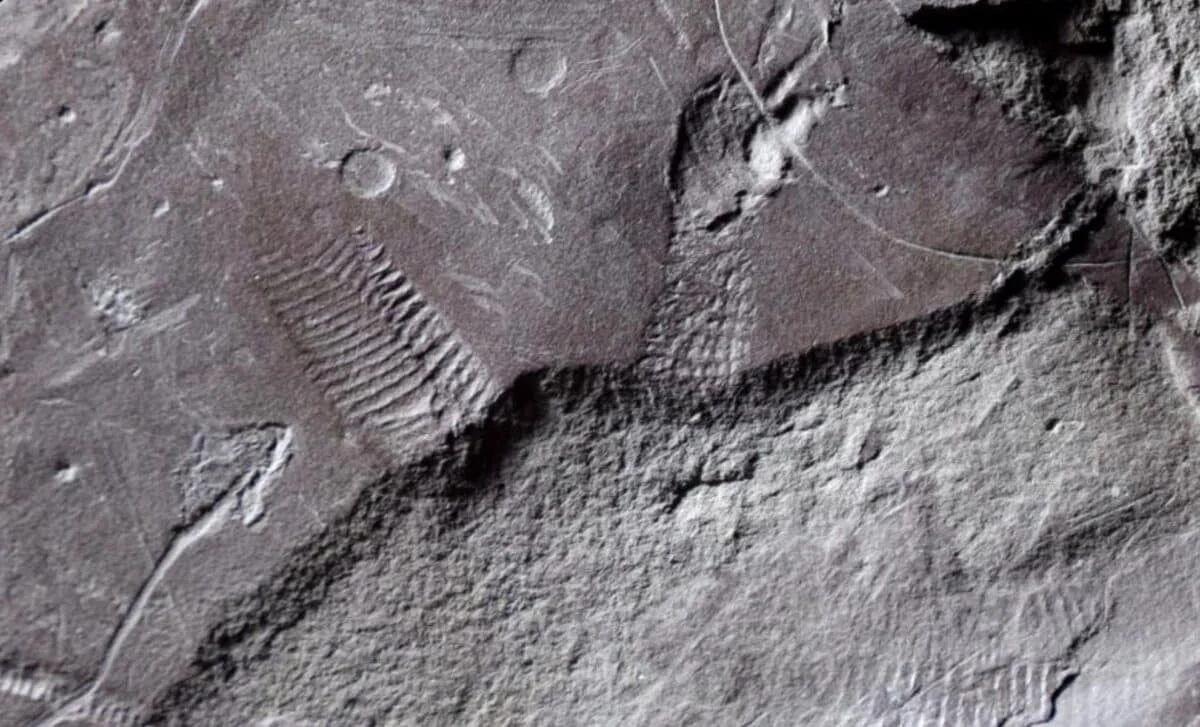
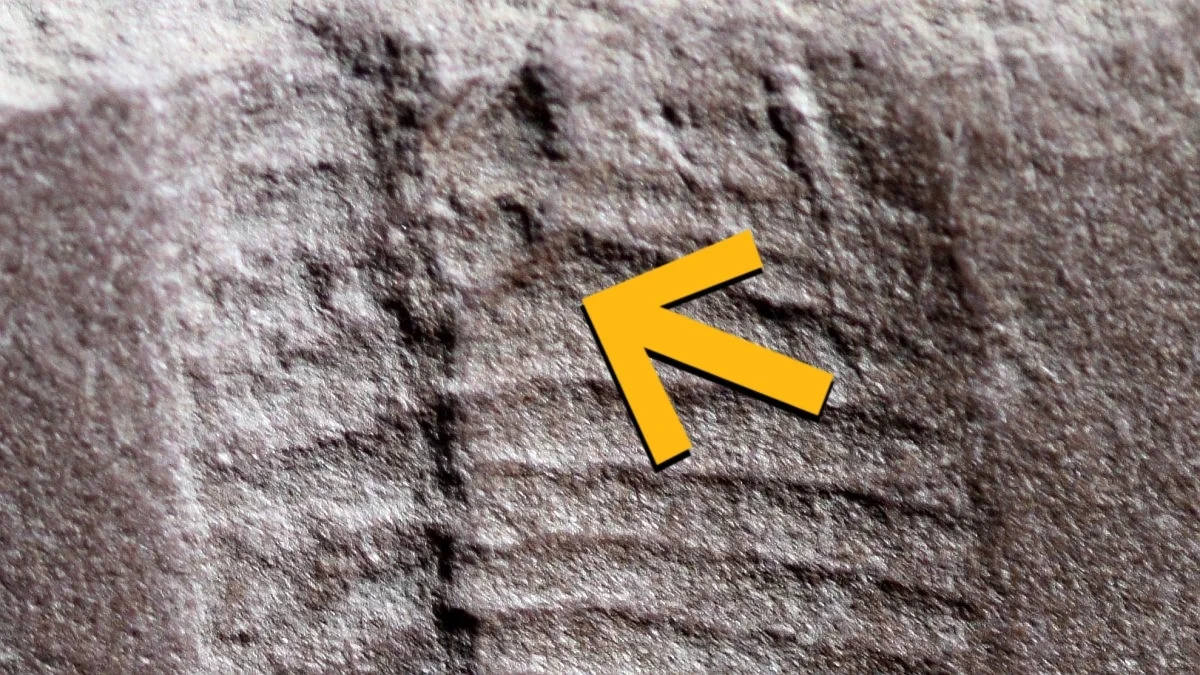
A 290-million-year-old German fossil named Cabarzichnus pulchrus preserves the earliest-known reptile cloaca and skin with keratin scales, offering new clues about early reptile anatomy and evolution.
A 295‑million‑year‑old resting trace from a bolosaurian reptile in Germany preserves belly keratin scales and what appears to be a cloacal vent, making it the oldest known example of a reptile cloaca and offering new insight into early amniote skin evolution.
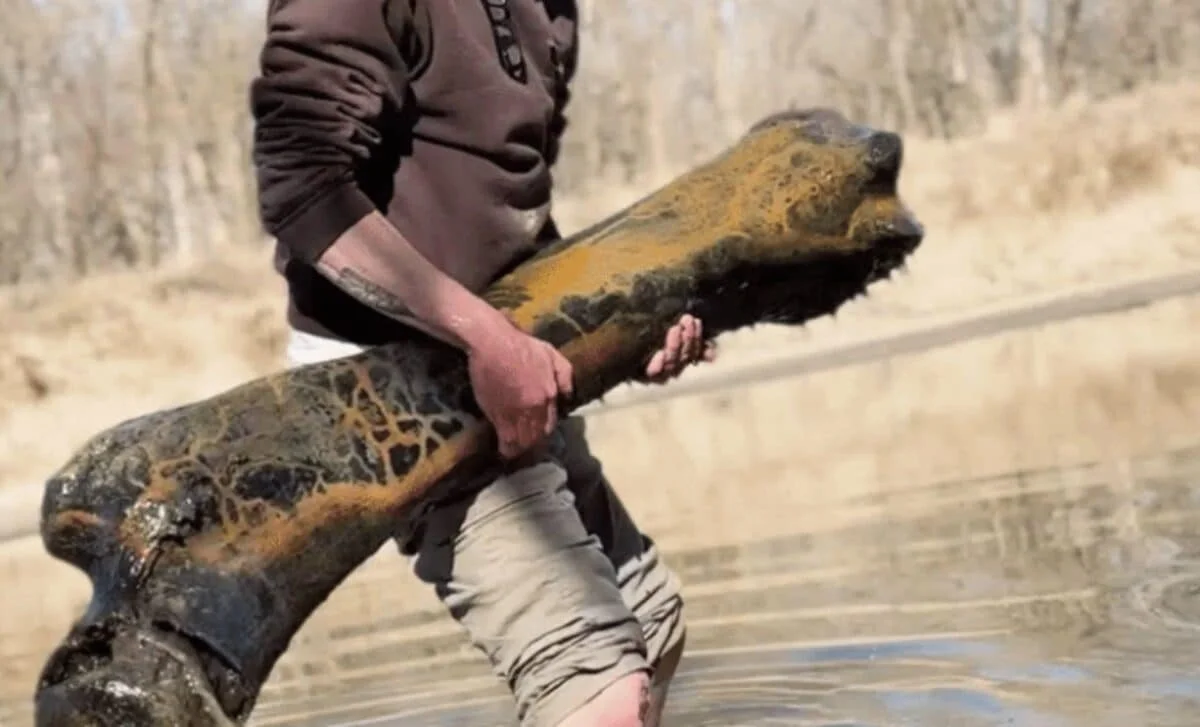
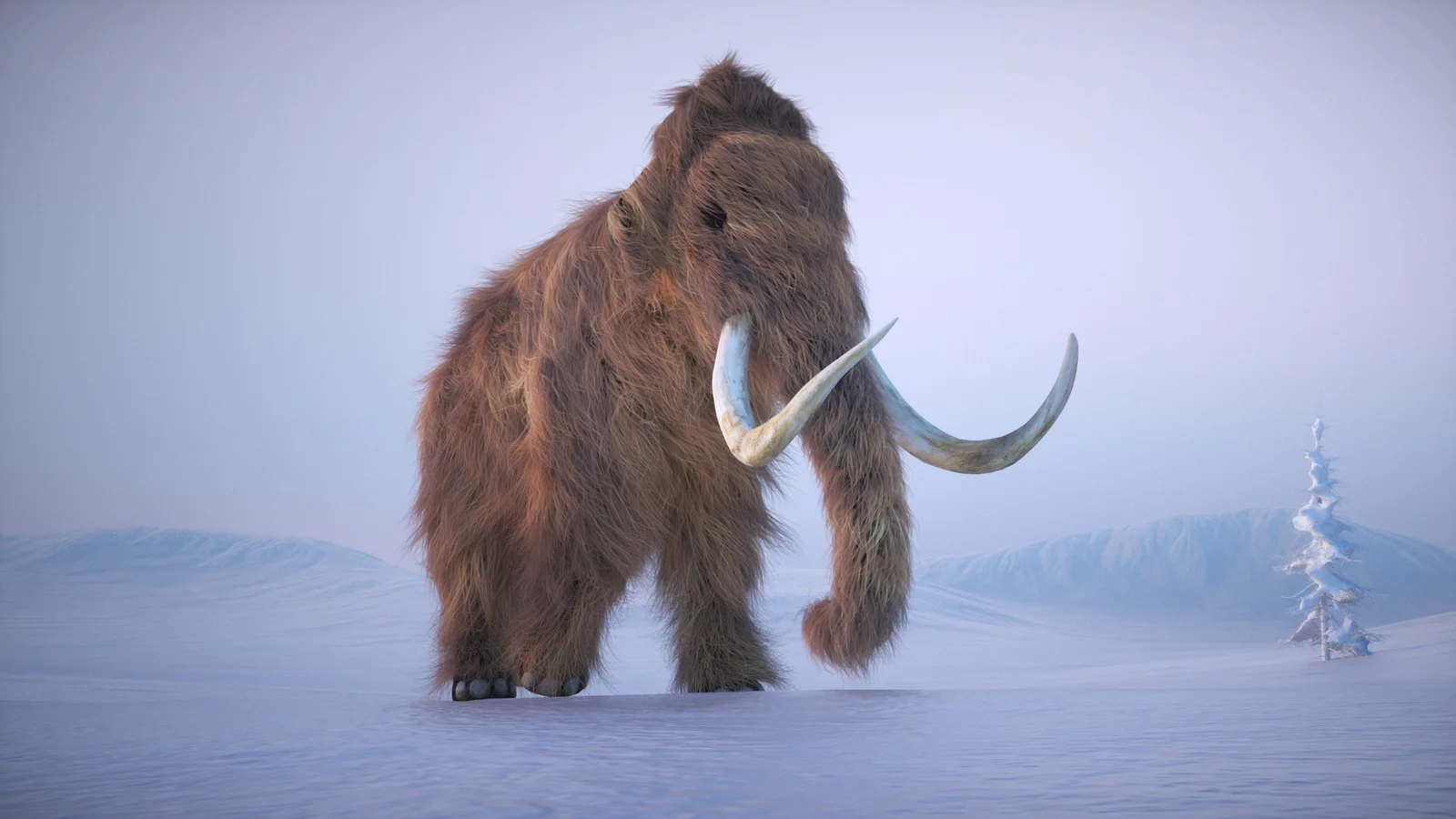
A Missouri fossil hunter pulled an 80-pound femur from a riverbed near Ravenwood, likely from a mammoth or mastodon, with the moment captured on video and fueling public interest in Ice Age megafauna and paleontology.
A fossil hunter waded into a Missouri river near Ravenwood and pulled out a massive, well-preserved femur believed to belong to a mammoth or mastodon, a striking find that has viewers buzzing about prehistoric giants.
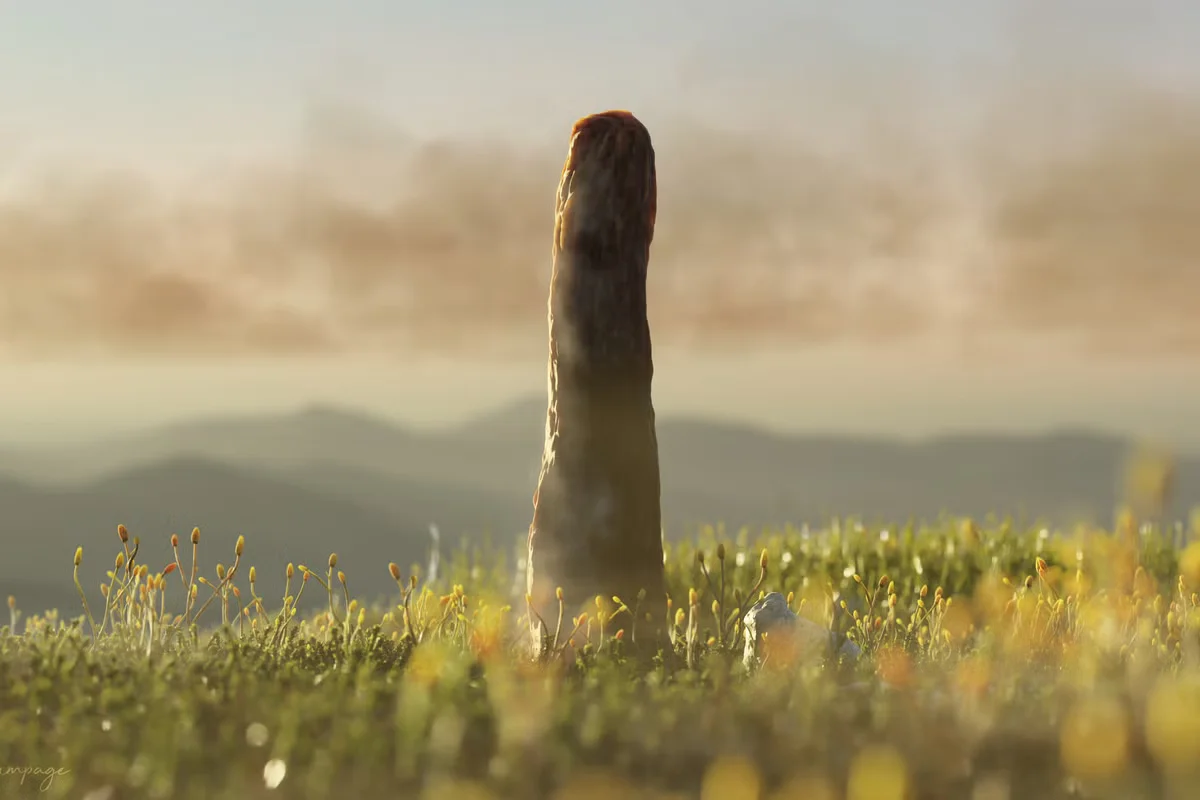
A new study of 400-million-year-old Prototaxites fossils from the Rhynie chert argues the giant organism was not a plant, animal, or known fungus, based on chemical biomarkers and its unusual internal structure. The researchers found biomarkers in Prototaxites that differ from those of fungi preserved in the same rock, and noted branching patterns that don’t match known fungal forms, suggesting it may represent a completely unknown multicellular lineage. The organism could reach up to about nine meters tall and likely did not rely on photosynthesis. While intriguing, scientists caution that only a subset of Prototaxites species was studied and follow-up work is planned to better understand how it lived and how it was anchored to the ground.
Scientists studying the 410-million-year-old Prototaxites fossil from Aberdeenshire say it belonged to a completely extinct lineage of life, offering new insight into ancient ecosystems and the organisms that once dominated early forests; the discovery, linked to the National Museums Scotland and published in Science Advances, illuminates a long-lost form of life no longer found on Earth.
An amateur fossil hunter near Covington, Kentucky, unearthed a nearly seven-foot-long fossil dating to about 450 million years ago, nicknamed 'Godzillus.' The discovery in the Kope Formation near Cincinnati is unlike any known local specimen, puzzling scientists who have found trilobites on its underside. Researchers from the University of Cincinnati and Indiana University–Purdue University Fort Wayne are studying its biology, surroundings, and burial to determine what it was and how it formed.
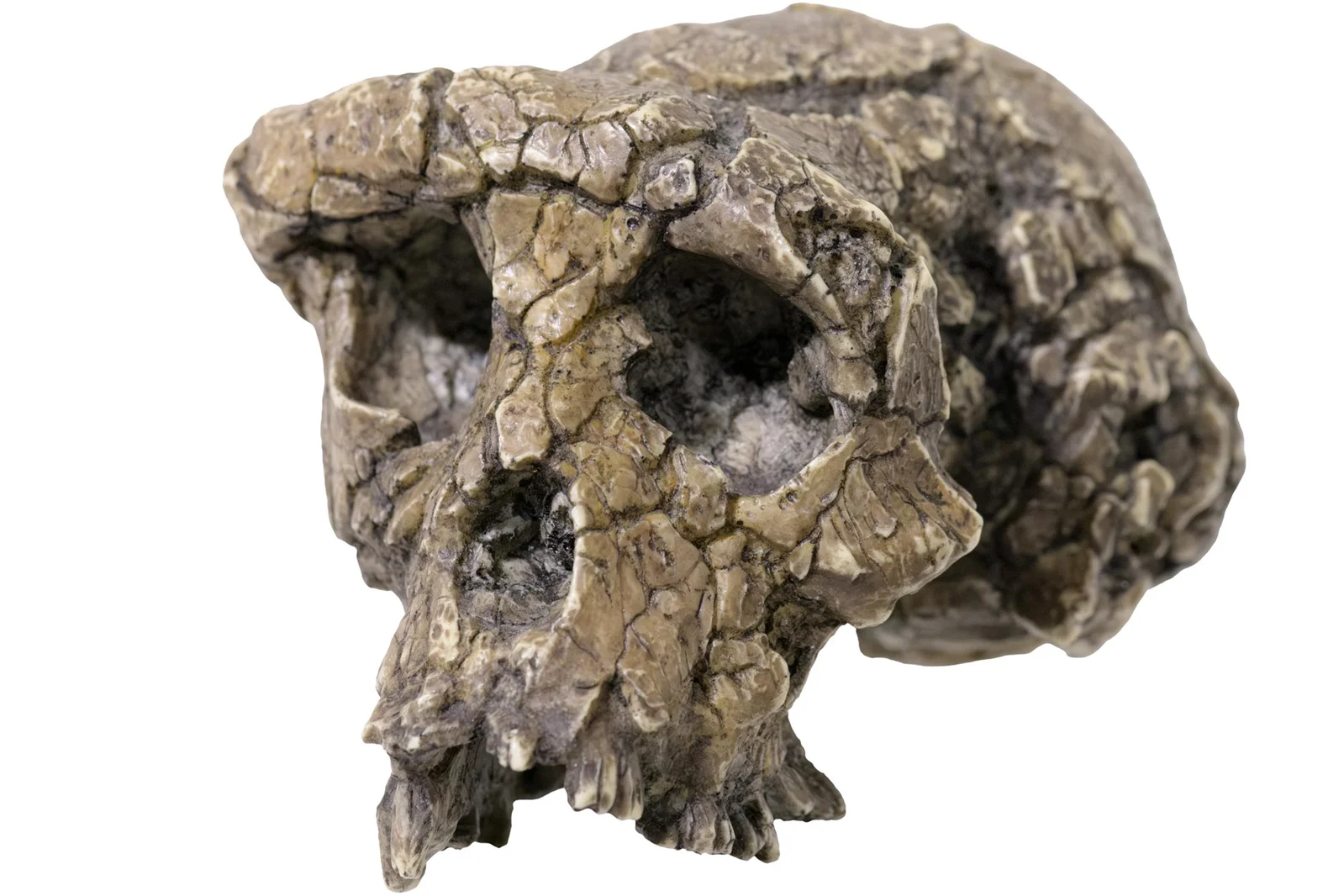
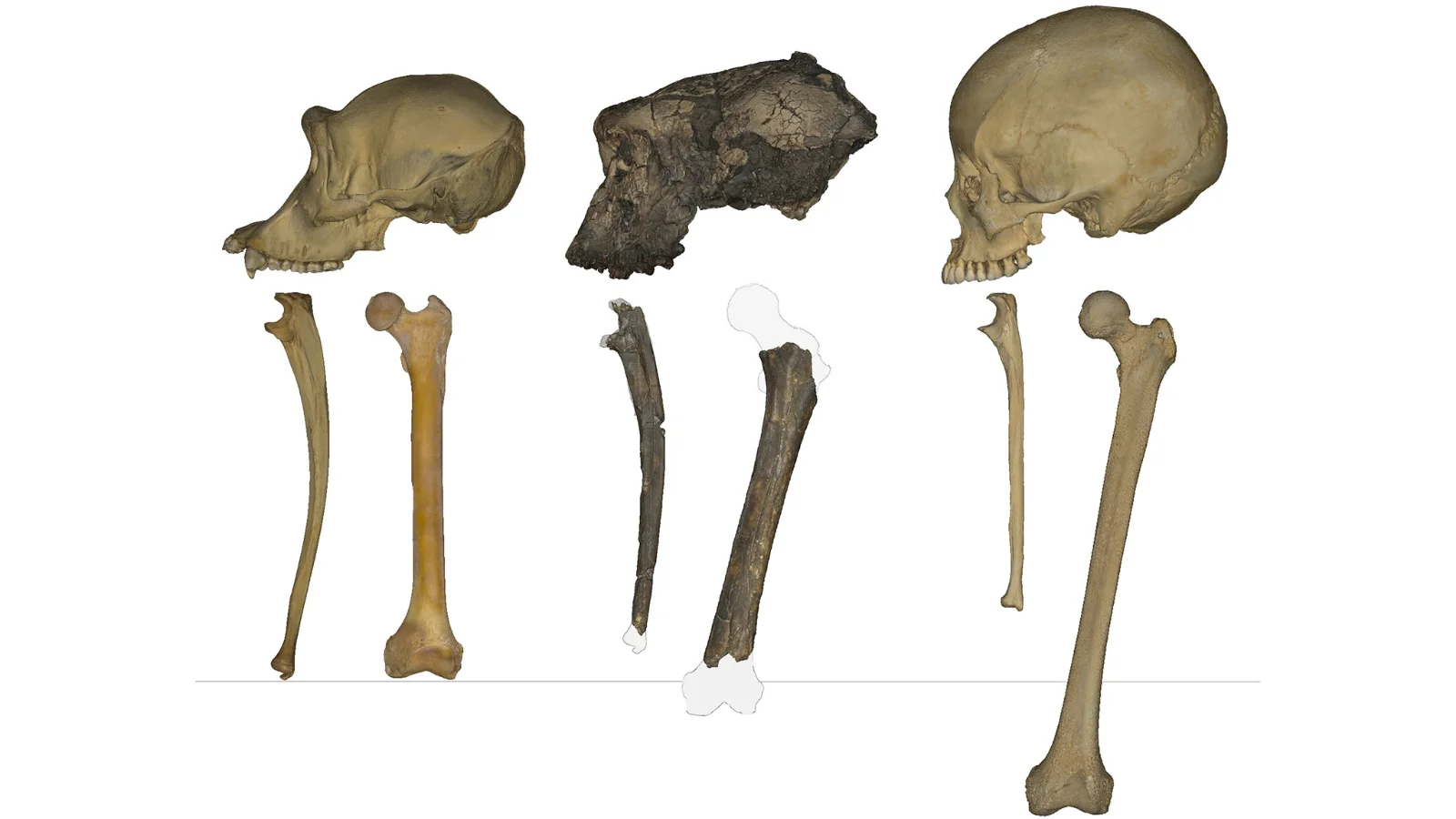
A 7-million-year-old fossil of Sahelanthropus tchadensis provides strong evidence that early human ancestors could walk upright, suggesting that bipedalism evolved much earlier than previously thought. The discovery was made through detailed analysis of skeletal features, including a femoral tubercle and limb proportions, indicating that this species was adapted for upright walking despite its small brain and tree-dwelling habits.
A 7 million-year-old fossil of Sahelanthropus tchadensis shows evidence of walking upright, suggesting it may be an early human ancestor, based on a newly identified femoral bump and other human-like features.
A significant fossil discovery of a Tenontosaurus in West Texas has expanded the known range of this herbivorous dinosaur during the Early Cretaceous, providing new insights into dinosaur distribution, ecosystems, and environmental adaptation in North America.
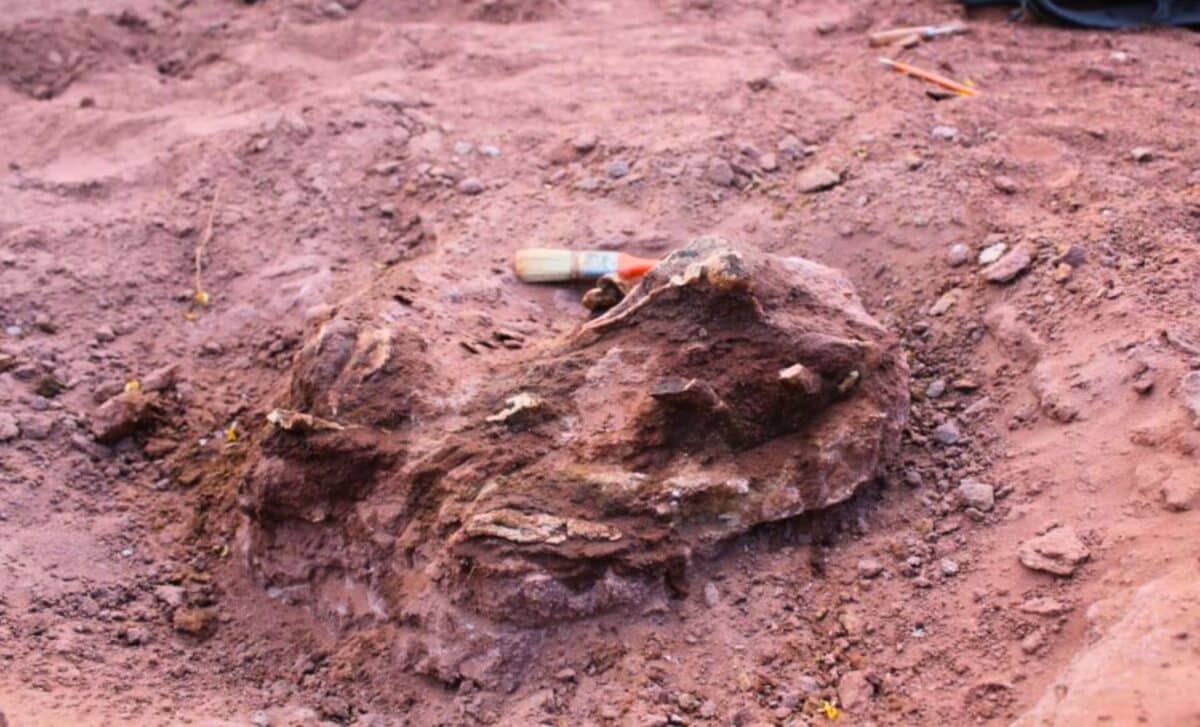
A rare fossil discovery in West Texas has extended the known range of the herbivorous dinosaur Tenontosaurus, dating back about 115 million years, and filling a significant gap in the early Cretaceous dinosaur record in North America, highlighting the importance of careful fieldwork and geological mapping.
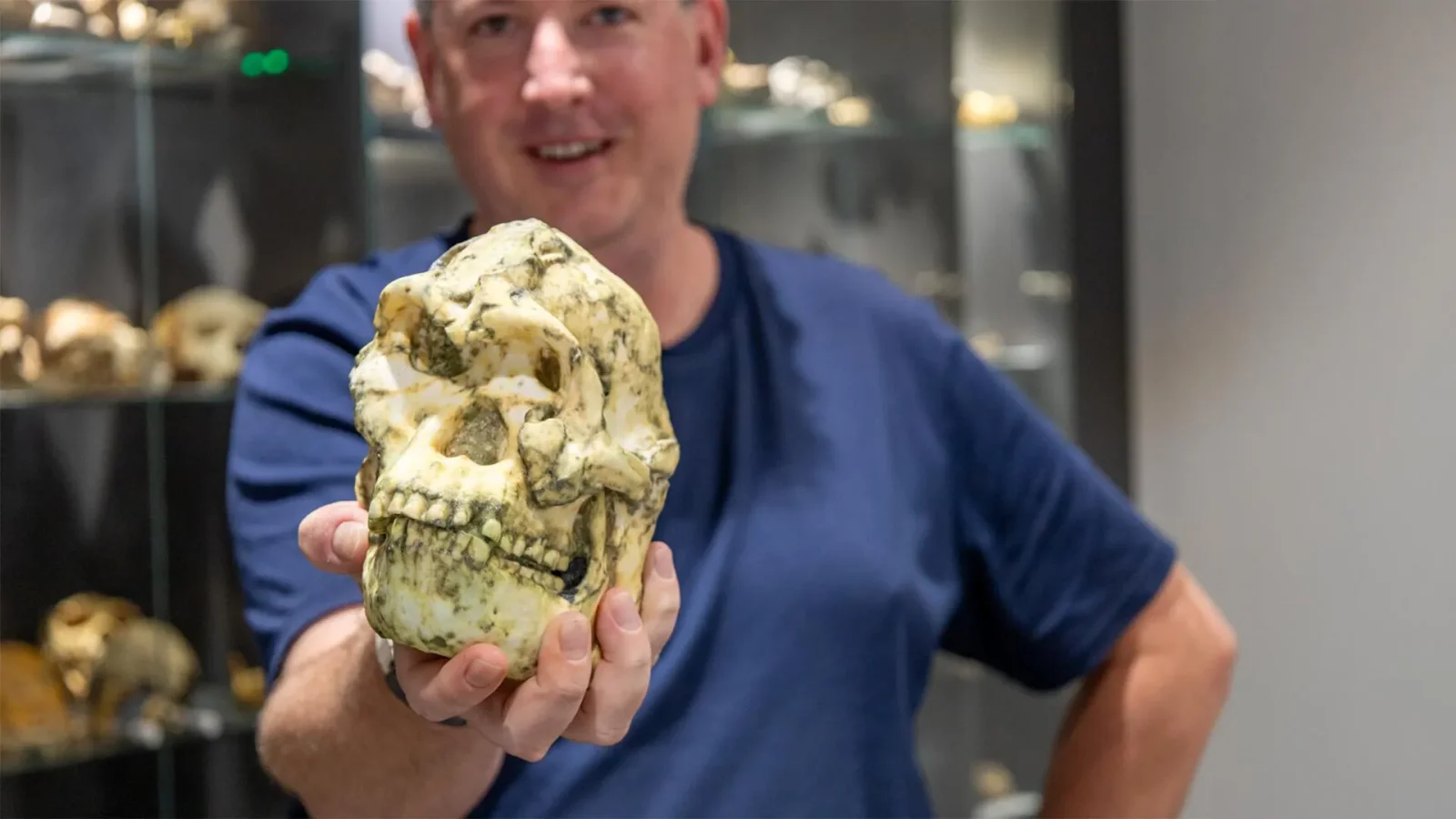
A nearly complete early human fossil known as Little Foot, found in South Africa, is now believed by researchers to possibly represent a new, previously unrecognized species, challenging previous classifications and offering new insights into human evolution.
Scientists discovered 99-million-year-old amber fossils of an ant and fly infected by parasitic fungi, providing evidence that such fungi, similar to modern zombie-ant fungi, existed during the Cretaceous period and played a significant role in prehistoric ecosystems.
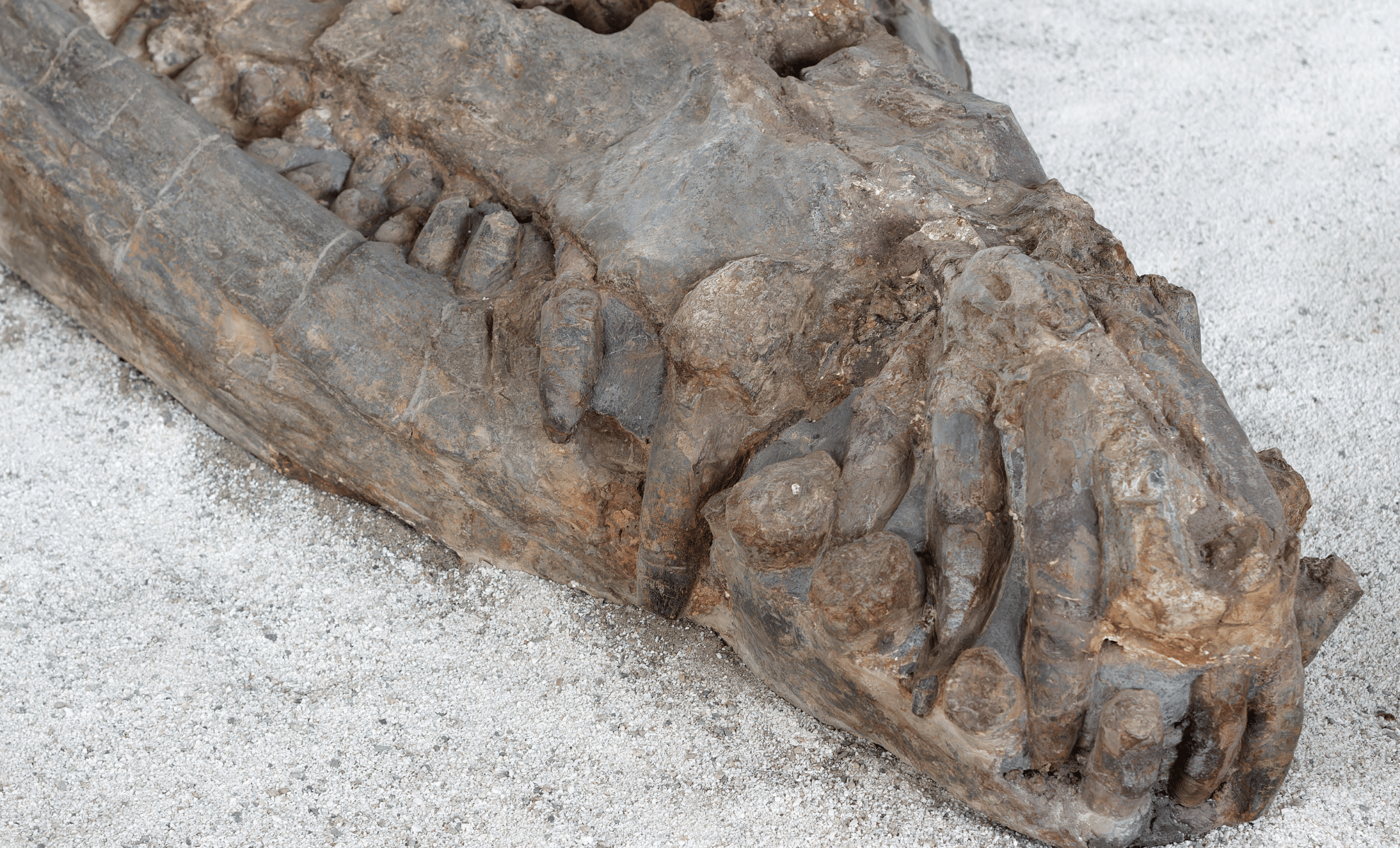
A newly discovered 80-million-year-old predatory dinosaur in Argentina, named Llukalkan aliocranianus, features an unusual short, horned skull with cavities that likely enhanced its hearing, suggesting it was a highly capable predator with unique evolutionary traits. The well-preserved fossil was found during a broader excavation and offers insights into the diversity of late-Cretaceous South American ecosystems.
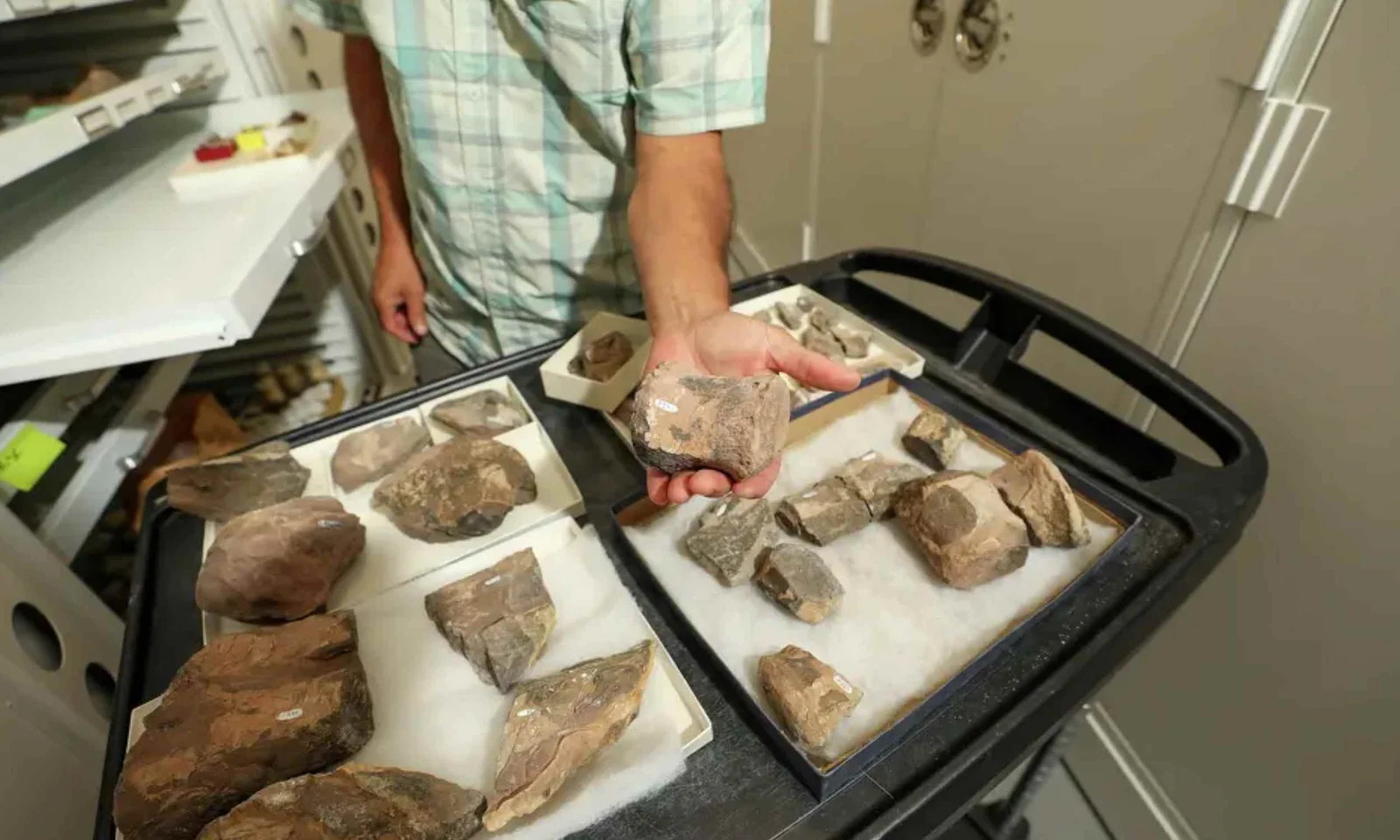
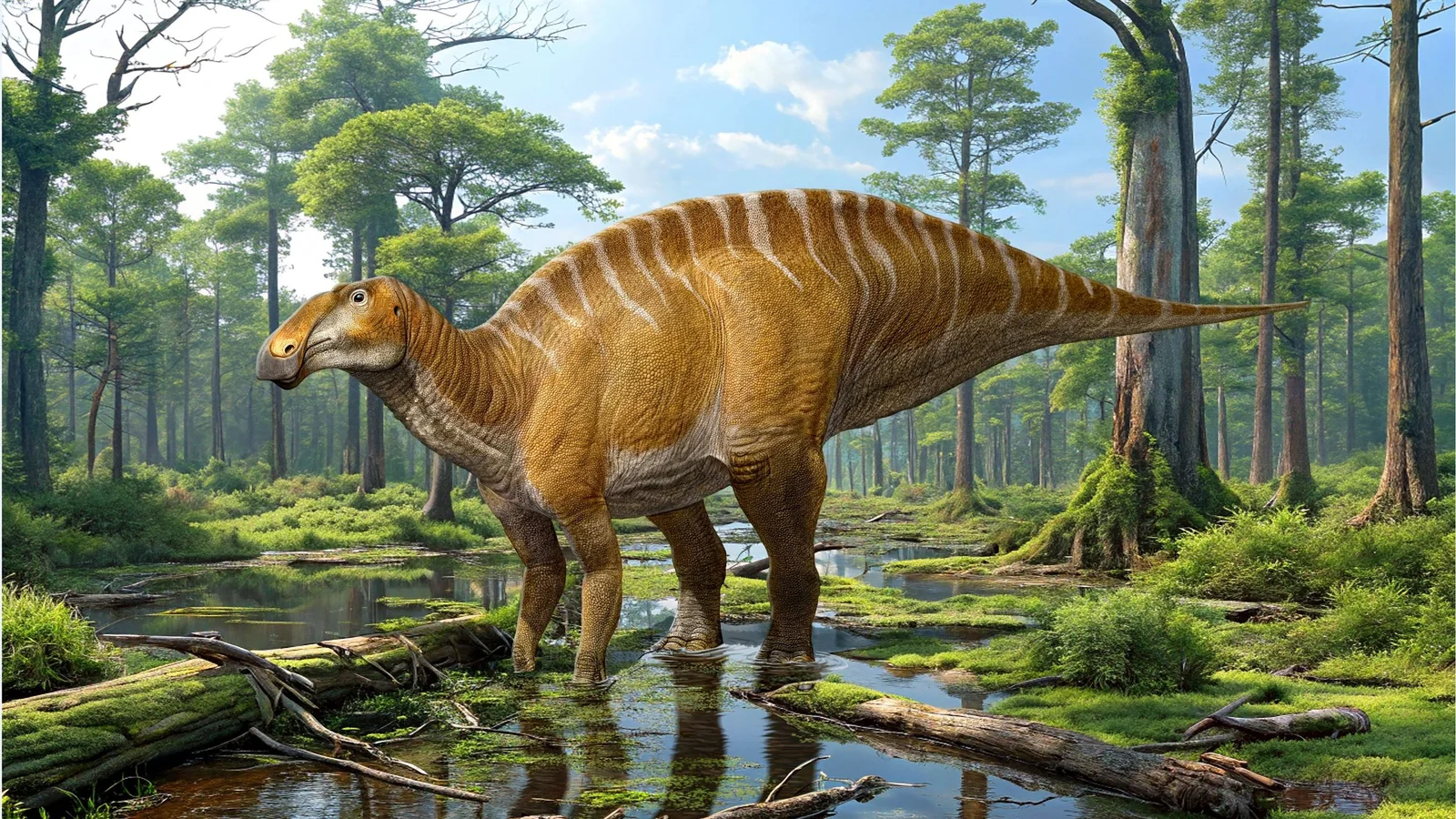
Scientists reexamined 1916 fossils from New Mexico and identified a new species of giant duck-billed dinosaur, Ahshislesaurus wimani, which lived about 75 million years ago and could reach 40 feet in length, revealing greater diversity among hadrosaurids during the late Cretaceous period.