Tag

Human Microbiome

All articles tagged with #human microbiome

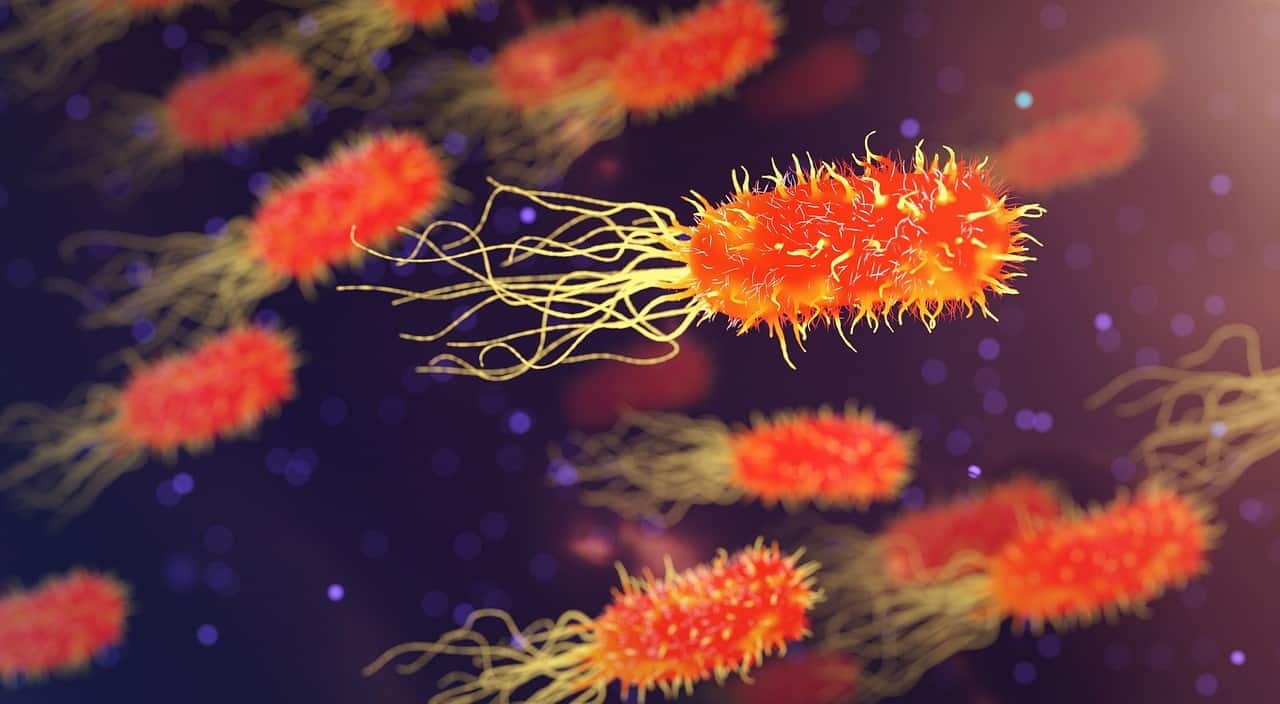
Scientists Discover 'Insane' New Life Forms in Human Body

Originally Published 2 months ago — by Earth.com

Featured image for Scientists Discover 'Insane' New Life Forms in Human Body
Source: Earth.com

Scientists have discovered a new class of circular RNAs called 'obelisks' in the human microbiome, especially in the mouth, which may represent a previously unrecognized layer of biological complexity and could influence bacterial behavior, though their exact role remains to be studied.
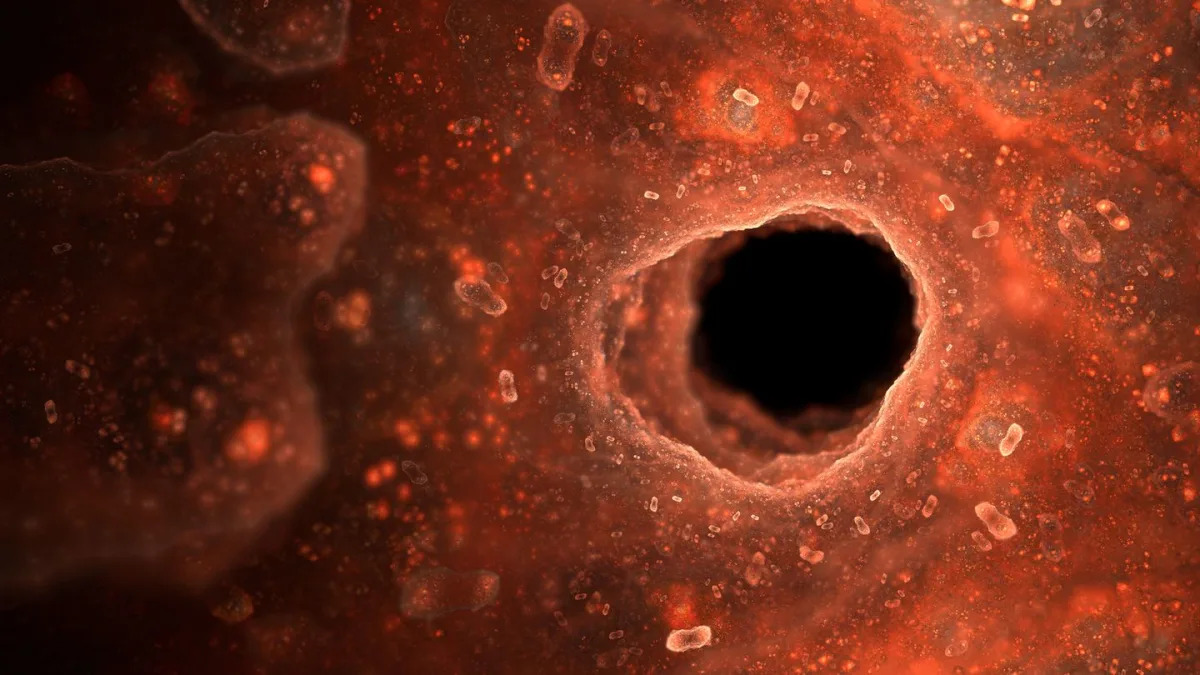
"Discovery: Human Body Harbors New Obelisk 'Lifeform'"

Originally Published 1 year ago — by Yahoo Life

Featured image for "Discovery: Human Body Harbors New Obelisk 'Lifeform'"
Source: Yahoo Life

Stanford University researchers have discovered tiny virus-like 'lifeforms' called obelisks inside human mouths and guts, smaller than viruses and capable of transferring information to cells. These rod-shaped entities, resembling viroids, have been found in various demographics worldwide and are now the subject of research to determine their function and impact on human health.

"Discovery: Human Body Harbors New Obelisk 'Lifeform'"

Originally Published 1 year ago — by Yahoo Life

Featured image for "Discovery: Human Body Harbors New Obelisk 'Lifeform'"
Source: Yahoo Life

Stanford University researchers have discovered tiny virus-like 'lifeforms' called obelisks inside human mouths and guts, smaller than viruses but capable of transferring information to cells. These rod-shaped entities, found in nearly 30,000 distinct types, are neither standard life nor viroids, and their purpose remains unknown. Scientists are now investigating their relationship with host cells, bacteria, and fungi to determine their impact on human health.

"Unveiling the Enigmatic Microbial Entities Inside the Human Gut"

Originally Published 1 year ago — by Giant Freakin Robot

Featured image for "Unveiling the Enigmatic Microbial Entities Inside the Human Gut"
Source: Giant Freakin Robot

Researchers have discovered a new class of virus-like lifeforms, called Obelisks, living inside the human body, particularly in saliva and the gut. These microscopic structures have no known structural similarities to any other biological agents and are prevalent in the human microbiome. They exist within bacteria and contain genetic codes for a new class of protein called Oblins, but their impact on humans remains unknown. This discovery may provide insights into how simple genetic molecules are linked to more complex ones.

"Uncovering Bizarre Virus-Like Entities in the Human Gut Microbes"

Originally Published 1 year ago — by Engadget

Scientists have discovered virus-like structures called "obelisks" in the human gut and mouth, which replicate like viruses but are much smaller and simpler, falling into the "viroid" class. These obelisks are found in roughly seven percent of human gut bacteria and 50 percent of mouth bacteria, and may influence gene activity within the human microbiome. While their exact function is still unknown, further study could shed light on their role in the human body and their relationship to viruses and viroids.

"Virus-Like 'Obelisks' Discovered in Human Gut Microbes"

Originally Published 1 year ago — by Livescience.com

Featured image for "Virus-Like 'Obelisks' Discovered in Human Gut Microbes"
Source: Livescience.com

Scientists have discovered a new class of virus-like entities called "Obelisks" in the human gut and mouth, which are a type of viroid that likely infects bacteria. These viroids, named for their predicted thin rod-like shape, were found in nearly 7% of human gut gene-activity summaries and in about 53% of mouth gene-activity summaries. While the specific impact on human health is still unknown, the discovery may shed light on the influence of viroids on the human microbiome and contribute to the ongoing debate about the evolution of viruses and viroids.

"Discovery of Enigmatic 'Obelisks' in Human Gut and Mouth Raises Questions"

Originally Published 1 year ago — by Yahoo Life

Featured image for "Discovery of Enigmatic 'Obelisks' in Human Gut and Mouth Raises Questions"
Source: Yahoo Life

Scientists have discovered a new class of virus-like entities called "Obelisks" in the human gut and mouth, which are tiny loops of RNA that may influence gene activity within the human microbiome. These viroids, found in nearly 7% of human fecal samples and 53% of mouth samples, were identified in a preprint study and are predicted to infect bacteria. While their impact on human health is still unknown, this discovery may shed light on the evolution of viruses and viroids.

Insights from Comparative Genome Study of Humans and Great Apes on Gut Microbiome Development

Originally Published 2 years ago — by Phys.org

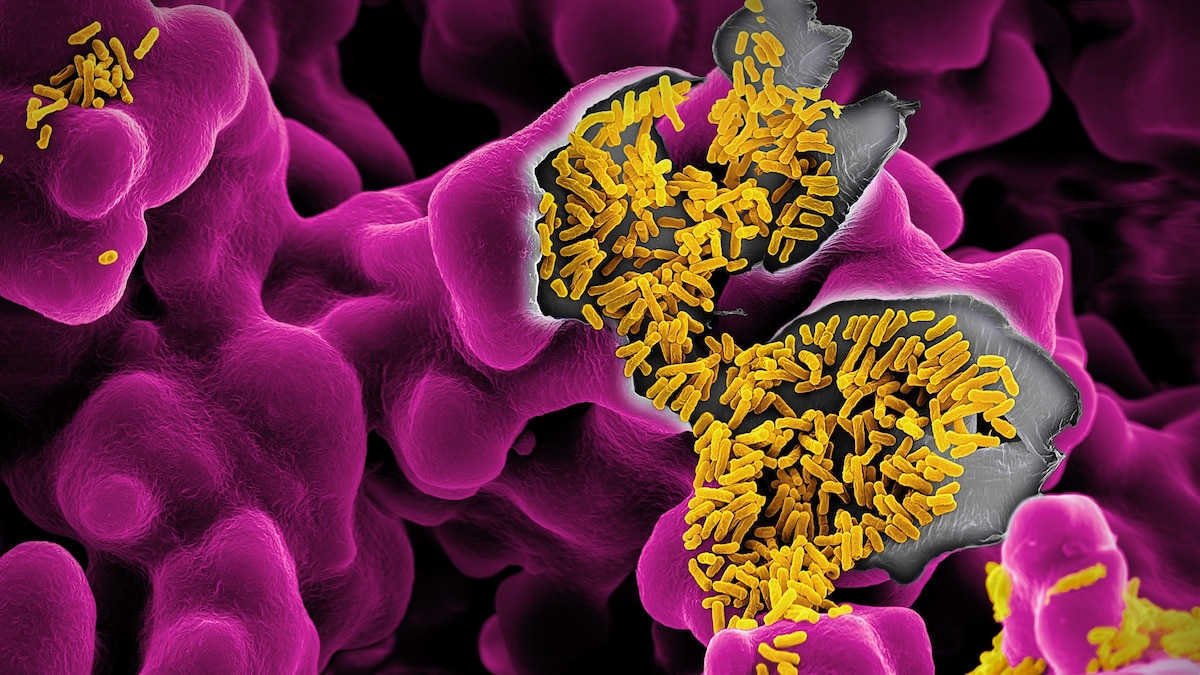
Featured image for Insights from Comparative Genome Study of Humans and Great Apes on Gut Microbiome Development
Source: Phys.org

A comparative genome study of humans and great apes has provided insight into the development of the gut microbiome, revealing that the microbial colonization of a living organism is highly host-specific and follows the evolution of the host. The study, conducted by scientists from the Collaborative Research Center 1182, compared microbiome data from various great apes with those of humans with rural and urban lifestyles, finding that the species diversity of the human microbiome is reduced in comparison with apes. The research also identified the loss of evolutionarily conserved bacterial groups in humans with urban lifestyles, shedding light on possible functional adaptations of the human microbiome and their implications for disease development.