Scientists have successfully engineered cancer-fighting T-cells inside patients' bodies for the first time, potentially making CAR T-cell therapy faster, cheaper, and more accessible for treating multiple myeloma, with promising early results and manageable side effects.
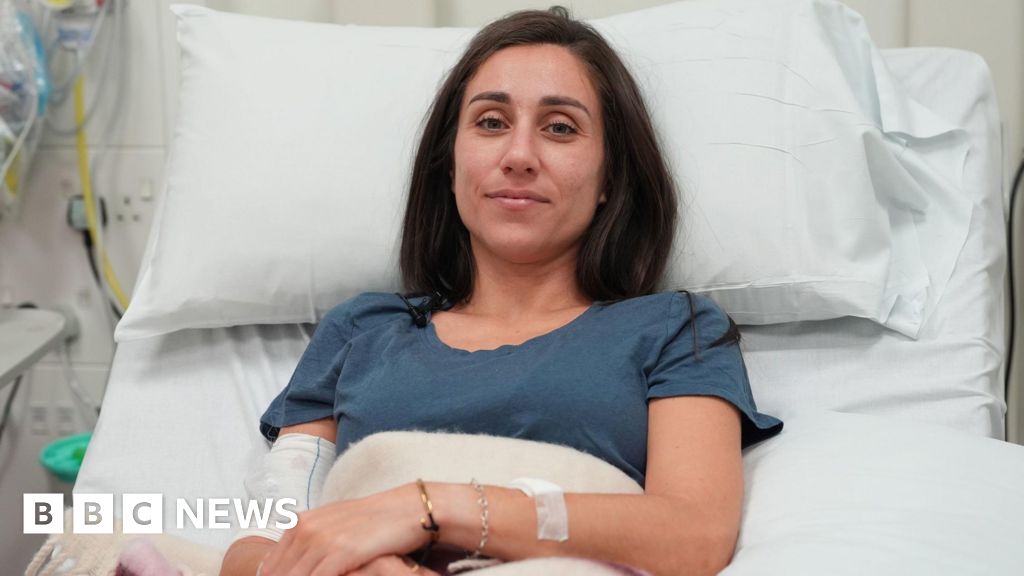
A Hertfordshire mother and biology teacher, Emily Henders, has become the first UK patient to receive a pioneering CAR T cell therapy in a clinical trial aimed at treating multiple sclerosis, a disease that causes immune system attacks on nerves. The experimental treatment, which depletes B cells to reset the immune system, offers hope for slowing or halting disease progression and could be a gamechanger if successful.
A new FDA-approved treatment called Carvykti, a CAR T-cell therapy developed by Legend Biotech in New Jersey, offers a potential 'functional cure' for multiple myeloma, significantly extending remission periods and improving quality of life for patients like Carmen Phaneuf, who has managed to stay in remission for nearly three years after treatment.
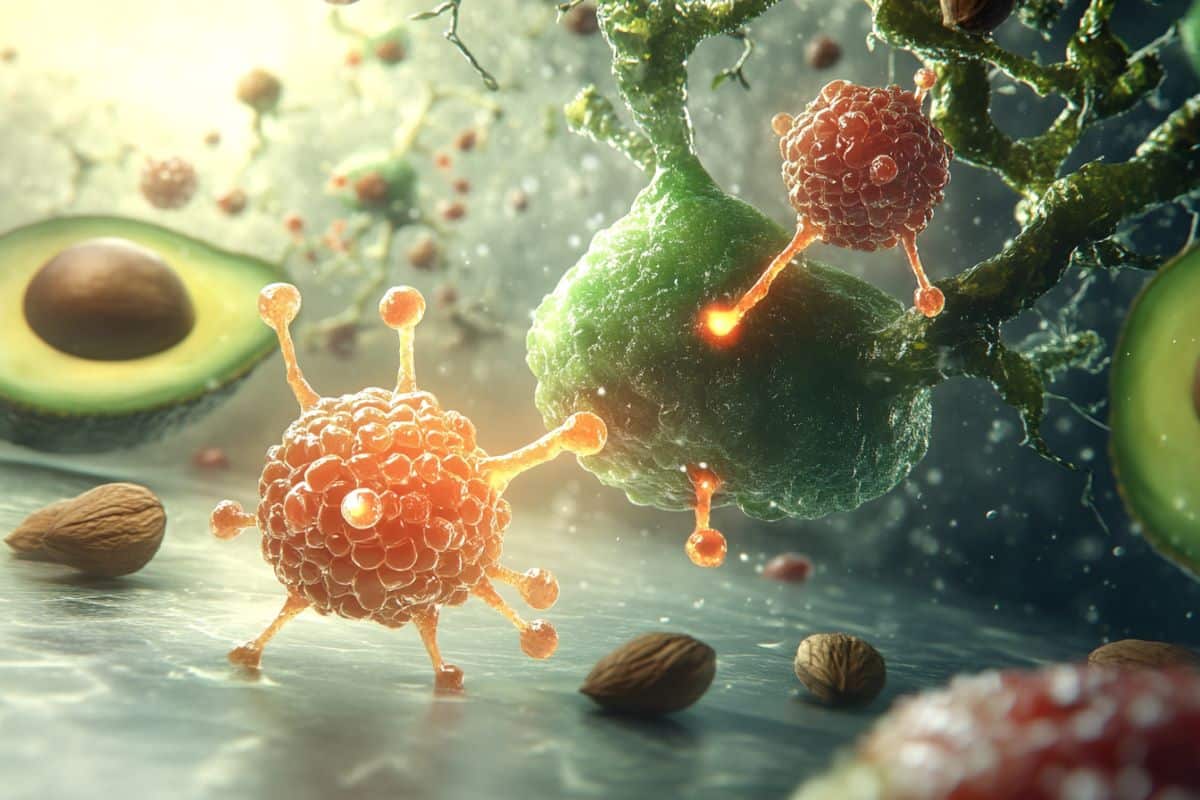
A study from the University of Pennsylvania suggests that a ketogenic diet enhances the effectiveness of CAR T cell therapy in treating lymphoma by utilizing beta-hydroxybutyrate (BHB) as a preferred energy source over glucose. This approach led to improved tumor control and survival in mice, with translational studies indicating similar benefits in human samples. A Phase I clinical trial is underway to test BHB supplementation in lymphoma patients, potentially offering a low-toxicity, cost-effective strategy to boost cancer immunotherapy outcomes.
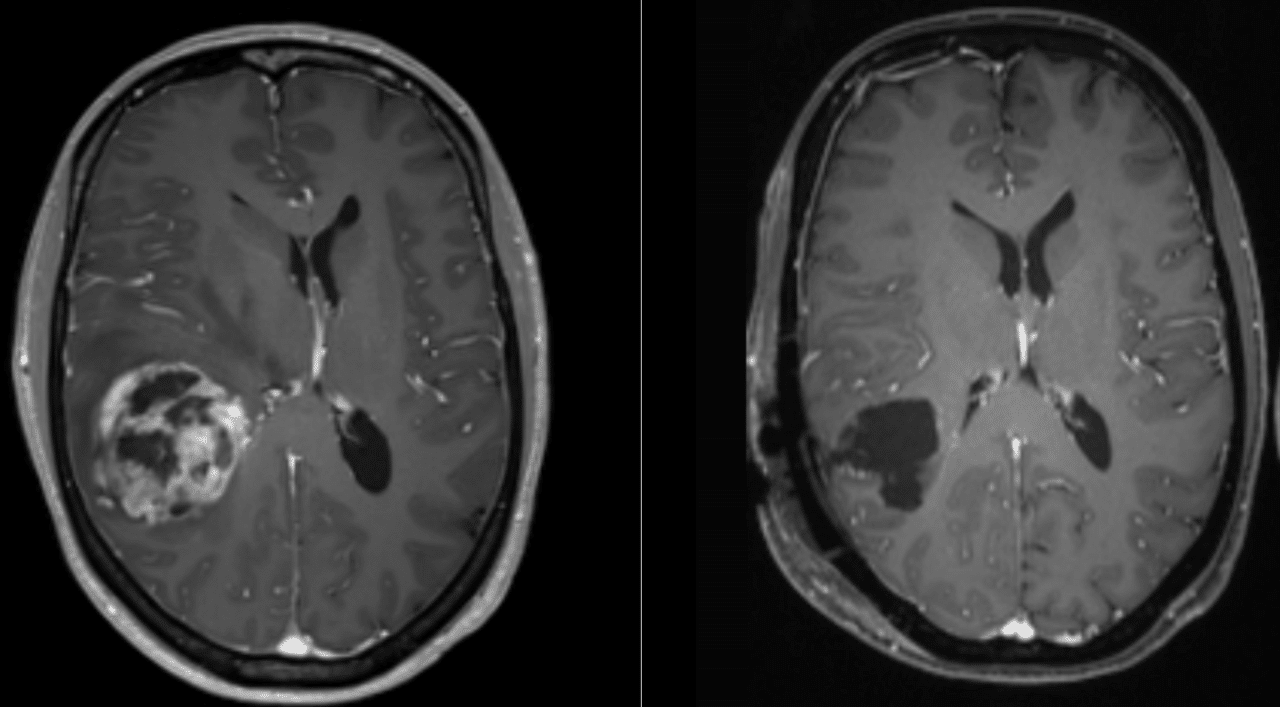
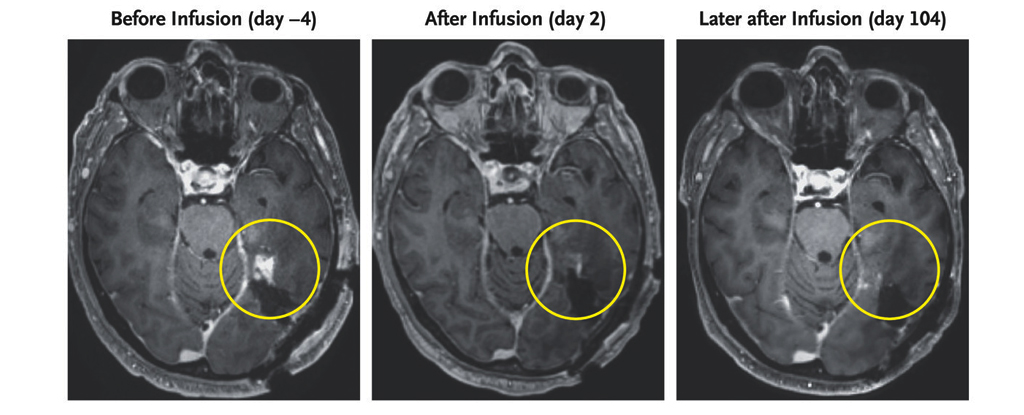
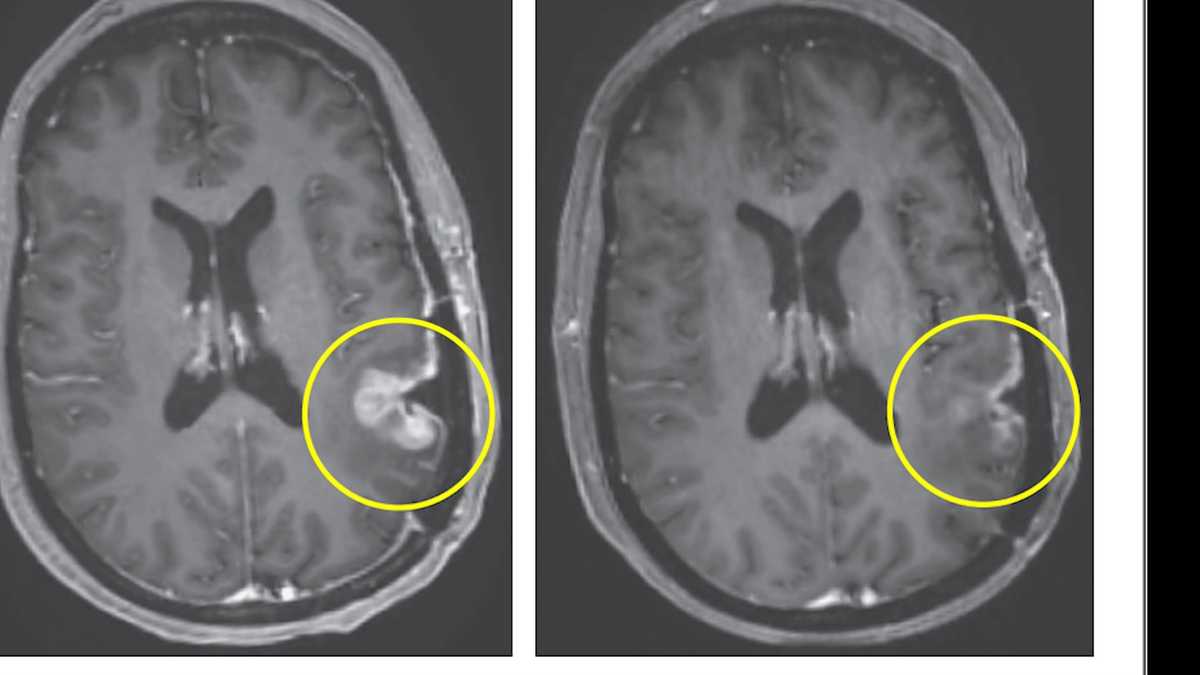
A new CAR T-cell therapy shows promise in treating glioblastoma, a deadly brain cancer, by using the patient's immune system to target cancer cells. In a small trial, one patient experienced significant tumor shrinkage without recurrence, while two others saw initial improvements but later relapsed. Despite mixed results, the therapy offers hope for a cancer with limited treatment options, prompting further research.
A new treatment for lupus, using CAR T-cell therapy, is being hailed as groundbreaking, potentially eliminating the need for lifelong medication. This therapy, which genetically modifies a patient's cells to fight the autoimmune disease, has shown promising results in Germany, with patients achieving remission. In the UK, three patients have received the treatment, including a 32-year-old woman who reported improved energy and reduced symptoms. The therapy, previously used for cancer, could revolutionize lupus treatment and possibly lead to a cure, though it involves risks such as increased infection susceptibility.
A new immunotherapeutic approach using CAR T-cell therapy has shown promising results in treating glioblastoma, a deadly form of brain cancer. In a small clinical trial, one patient experienced a significant reduction in tumor size within days of receiving the treatment, while others saw mixed outcomes. The therapy targets a mutated protein prevalent in glioblastomas, and researchers are optimistic about its potential as a treatment, although long-term effectiveness is still unknown. Further study and clinical trials are needed to determine the therapy's efficacy in treating this incurable disease.
Early clinical trials have shown promise for a new immune cell-based treatment, CAR T-cell therapy, in shrinking tumors in patients with recurrent glioblastoma, a highly aggressive form of brain cancer. The therapy involves genetically modifying patients' immune cells to better recognize and attack tumors. While the treatment was found to be safe and reduced tumor size in all nine patients, the effects were not necessarily long-lasting. More data is needed to evaluate the longer-term effects and broader relevance of these new treatments, but researchers are optimistic about the potential of CAR T-cell therapy to make a difference in solid tumors, especially in the brain.
A clinical trial for CAR-T cell therapy in patients with glioblastoma, a deadly form of brain cancer, has shown promising results, with some patients experiencing significant tumor regression just days after treatment. The therapy, which uses a patient's own immune cells to target the tumor, resulted in near-complete tumor regression in one patient after five days. The researchers emphasize the need for further research to refine this treatment, but are optimistic about its potential to change the outlook for this challenging disease.
A new form of CAR-T cell therapy, called CAR-TEAM, has shown promising results in shrinking aggressive glioblastoma brain tumors in a small clinical trial at Mass General Cancer Center. Three patients experienced significant tumor shrinkage after a single infusion, with one patient's tumor remaining nearly undetectable during the follow-up period. While two patients saw tumor regrowth within six months, researchers are hopeful about the early signs of efficacy and plan to enhance the treatment's durability by combining it with chemotherapy.
A phase 1 clinical trial at the Mass General Cancer Center has shown promising early results in treating glioblastoma, a lethal brain cancer, with a novel CAR-T cell therapy. The treatment, which involves specially engineered T-cells injected directly into the fluid around the brain, has demonstrated dramatic and rapid tumor reduction in early trials. While more research is needed, the initial findings provide hope for improved treatment options for this aggressive form of cancer.
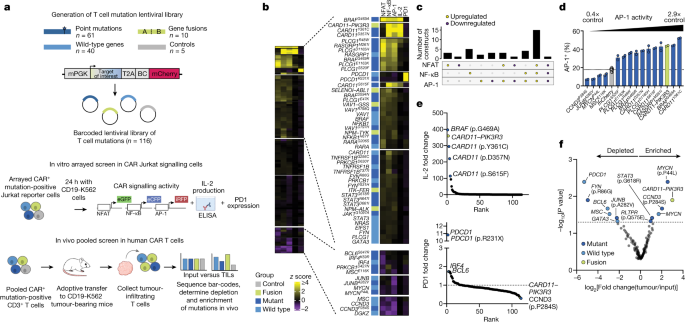
Researchers have discovered naturally occurring T cell mutations that can enhance engineered T cell therapies for cancer treatment. The study, published in Nature, highlights the potential of leveraging these mutations to improve the efficacy of CAR T cell therapy. The findings provide insights into the genomic landscape of T cell lymphomas and the mechanisms underlying T cell signaling and differentiation. This research contributes to the ongoing efforts to advance cancer immunotherapy and develop more effective treatments for patients with refractory cancer.
Researchers have discovered that T cells can be genetically reprogrammed to combat aging by targeting senescent cells, which contribute to age-related diseases. Using CAR T cell therapy, they demonstrated its potential to slow down and reverse aging in mice, leading to improved metabolism and physical activity. The therapy's long-lasting effects make it advantageous for chronic conditions, and ongoing research aims to determine if it can extend lifespan. T cells play a crucial role in the immune system and have shown promise in medical research, particularly in cancer therapy.
The FDA has found evidence suggesting that CAR T cell therapy, a groundbreaking cancer treatment, may increase the risk of secondary cancers and has instructed makers to include a warning about this risk in their labeling. Despite this, the FDA maintains that the benefits of CAR T therapy outweigh the potential risks. CAR T therapy, a form of immunotherapy, has shown remarkable response rates in treating specific blood cancers but is also known to have serious side effects, including the development of secondary cancers. While the exact possibility of this risk remains unclear, the FDA's investigation is ongoing, and the therapy continues to be used as a last-resort treatment for patients with high-risk cancers.
CRISPR Therapeutics is making changes to its allogeneic CAR-T cell therapy pipeline by cutting two programs, CTX110 and CTX130, and prioritizing next-generation candidates with potential for improved clinical profiles. The company is also expanding into a new indication, autoimmune disease, while awaiting an FDA decision on its CRISPR-edited therapy exa-cel. Patients treated with CTX110 and CTX130 will be transitioned to long-term follow-up programs.