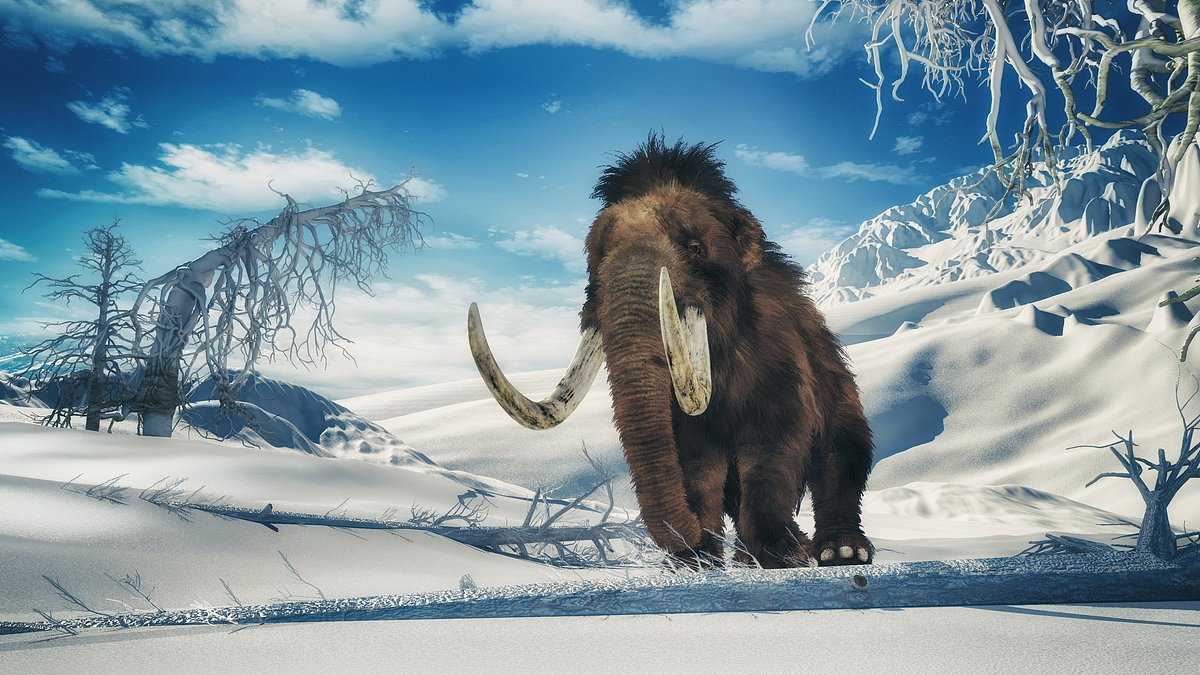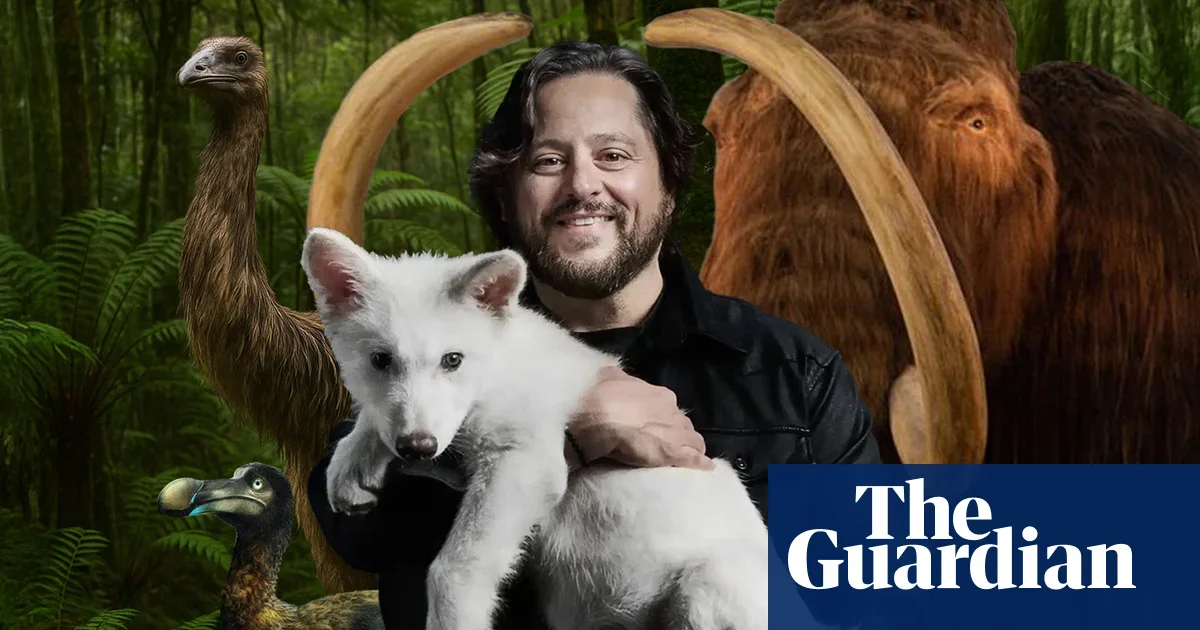
Colossal Biosciences, led by Ben Lamm, claims to have made progress in de-extincting species like the dire wolf and woolly mammoth through genetic engineering, but scientists remain skeptical, arguing that these are not true resurrected species but genetically edited animals that do not fully replicate the original extinct species. Critics warn that overhyping such claims can undermine scientific trust and emphasize that traditional conservation efforts remain essential.
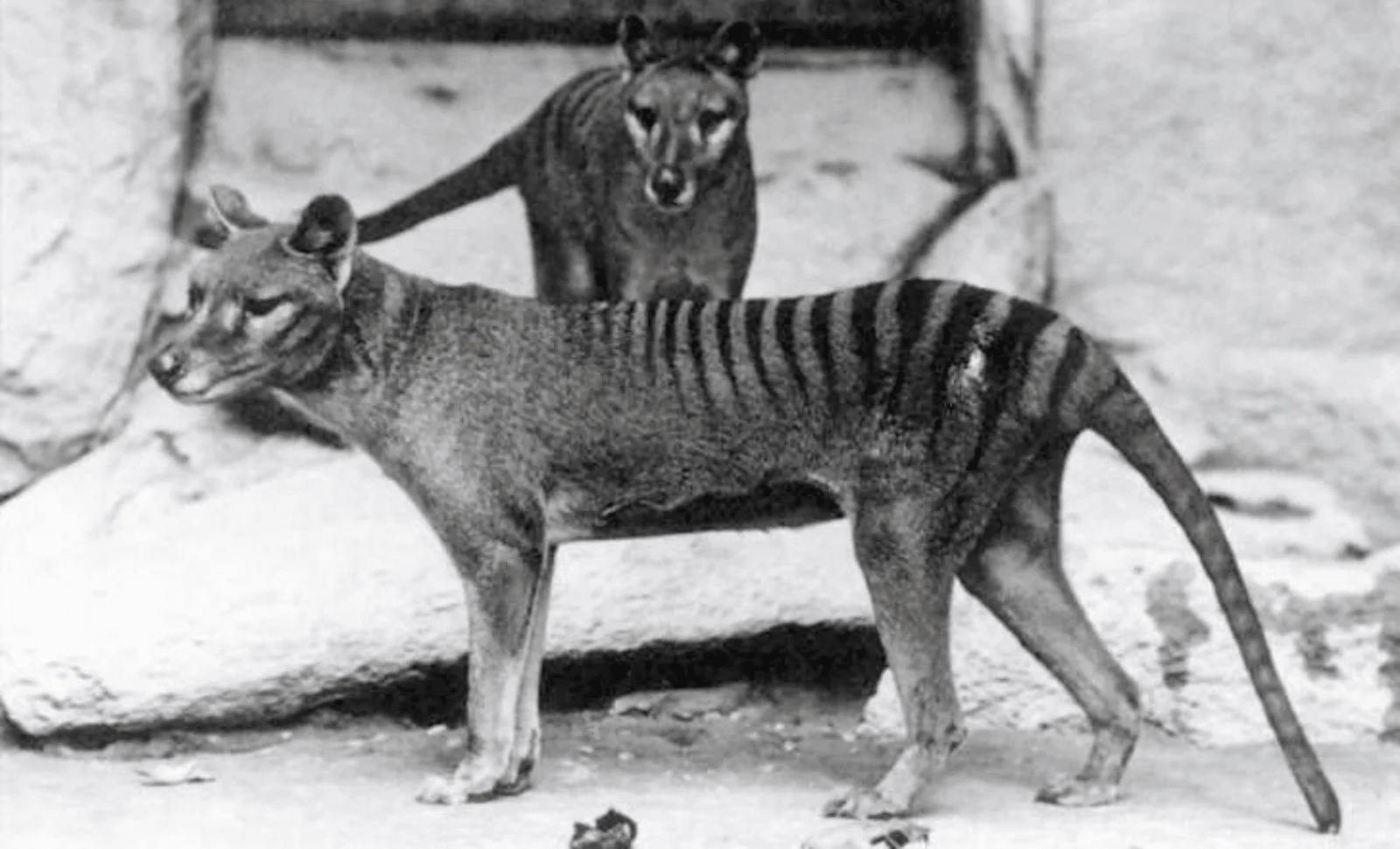
Scientists have successfully extracted and sequenced RNA from a 130-year-old preserved Tasmanian tiger, marking the first time ancient RNA has been recovered from an extinct mammal. This breakthrough provides new insights into the species' gene activity, tissue function, and potential viral interactions, opening new avenues for studying ancient biology and evolution.
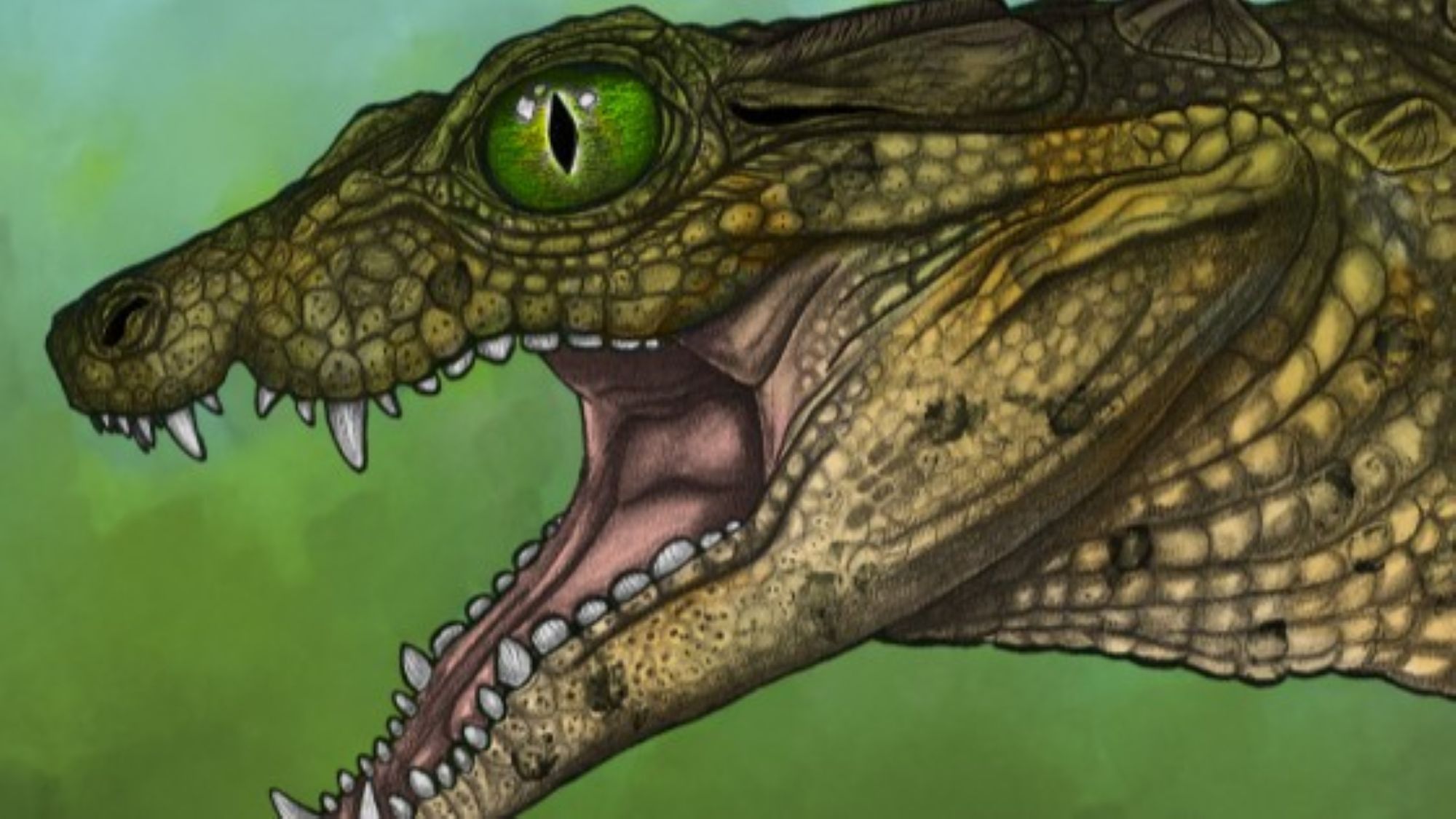
Scientists discovered a 95-million-year-old tiny skull of a previously unknown crocodile-like creature named Elton in Montana, revealing a new extinct family of small crocodyliforms with unique teeth and behaviors, providing insights into ancient ecosystems and convergent evolution.
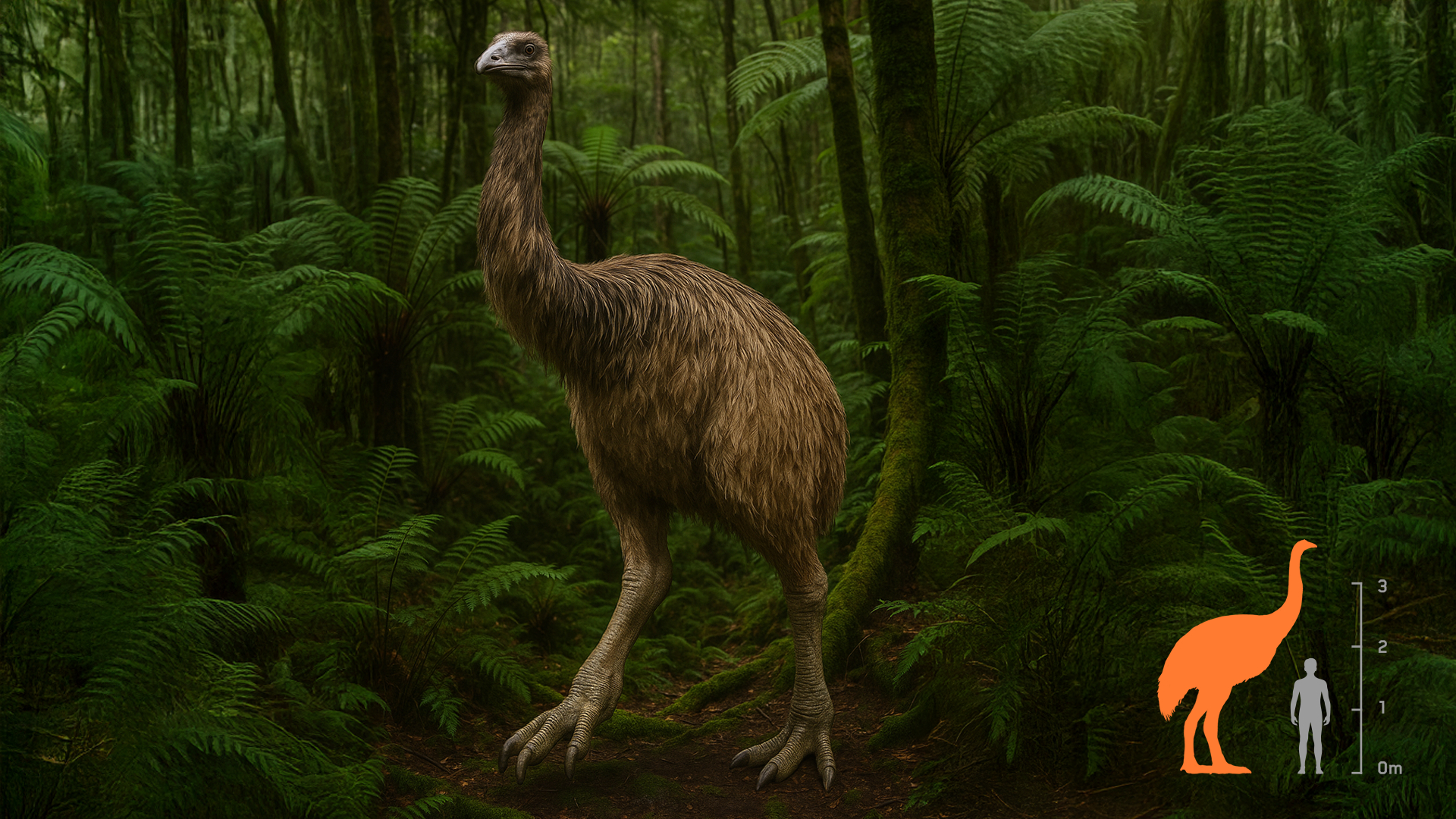
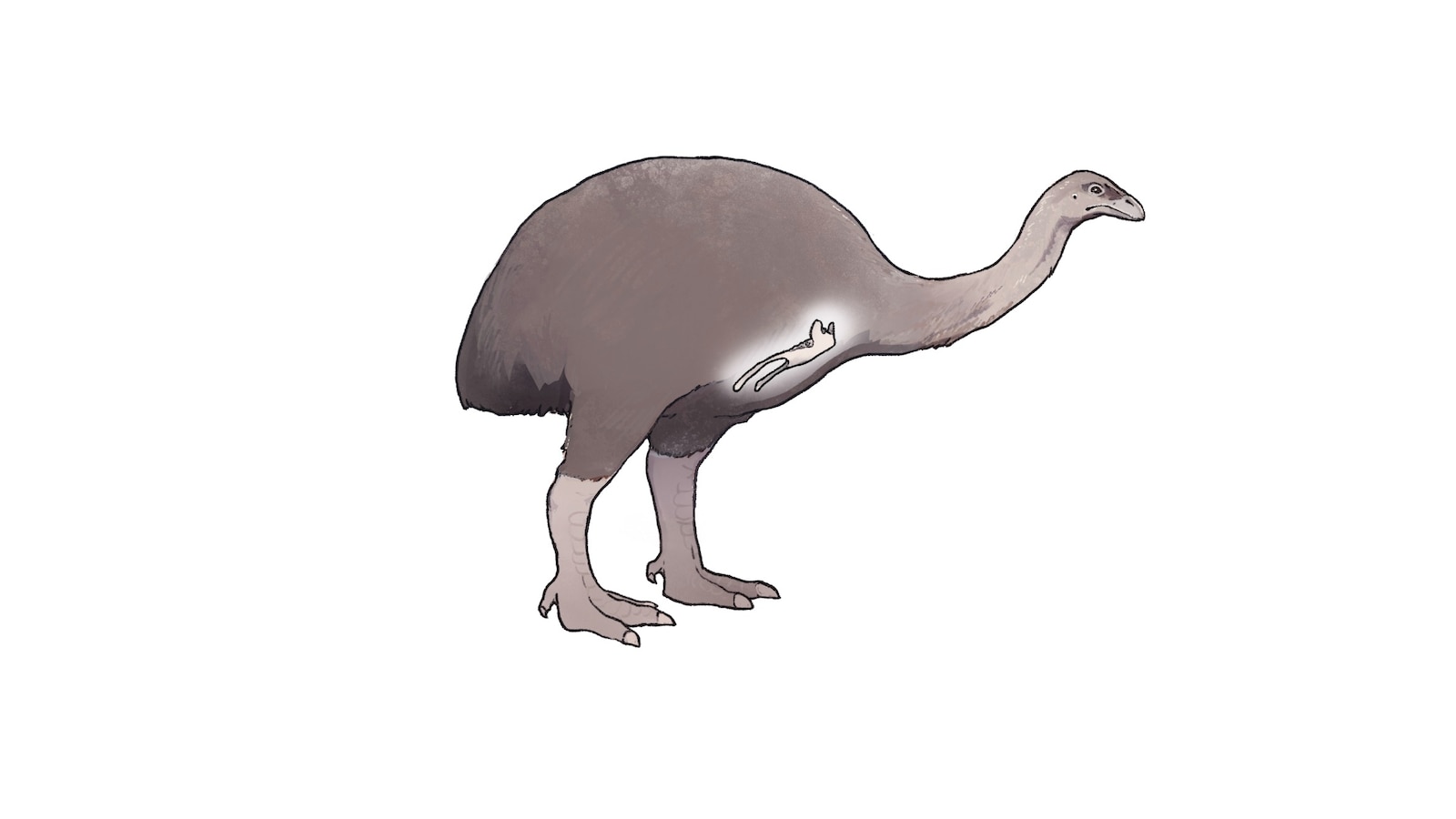
Colossal Biosciences plans to de-extinct the giant moa, a large flightless bird from New Zealand, using genetic engineering and surrogate birds, but experts highlight the significant scientific and evolutionary challenges involved, making this process more complex than previous de-extinction efforts like the dire wolves.
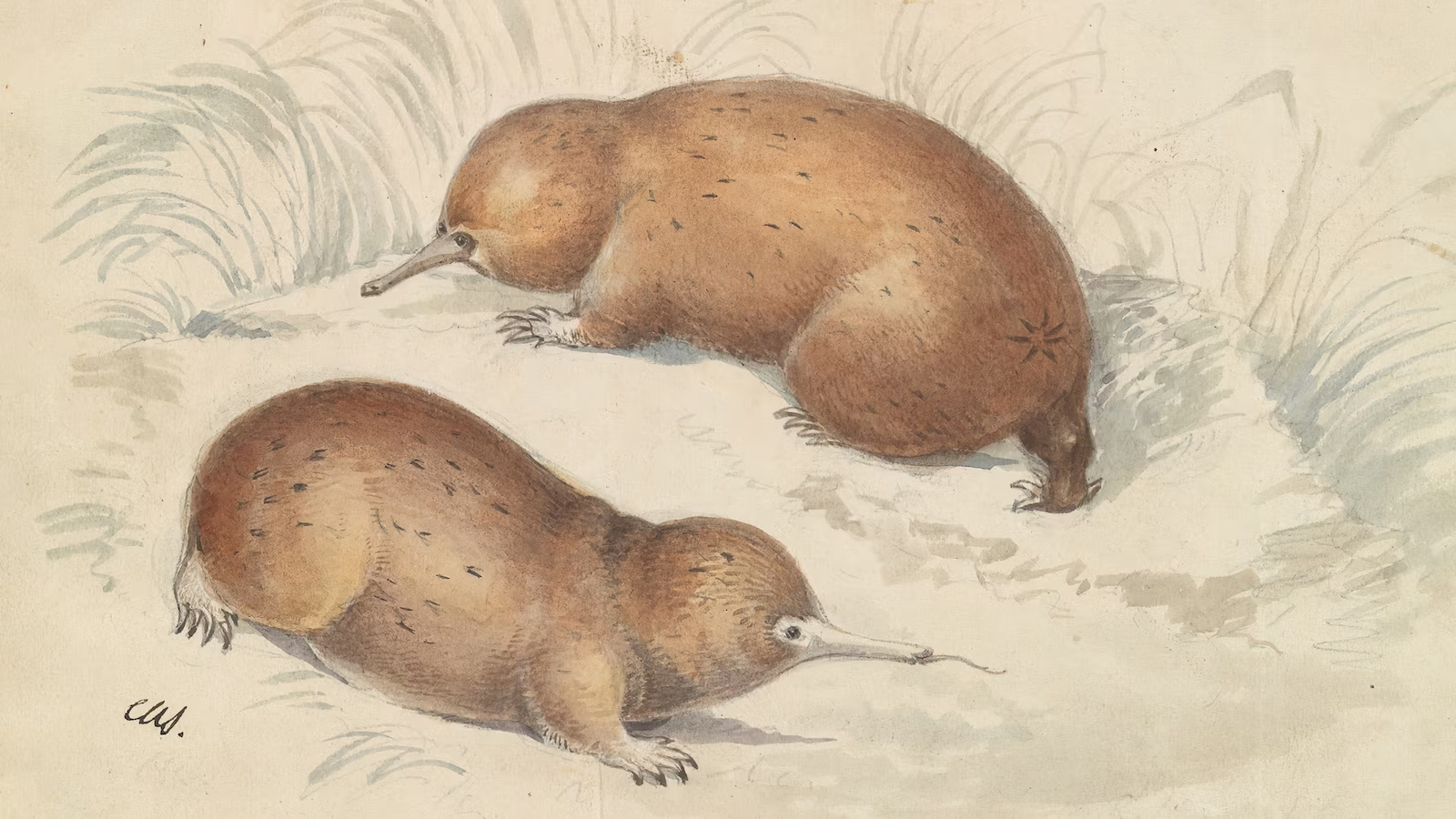
Scientists confirmed the existence of the long-beaked echidna, a 200-million-year-old egg-laying mammal thought to be extinct, through a combination of modern technology, indigenous knowledge, and camera trapping in Indonesia's Cyclops Mountains, reviving hope for other lost species.
Scientists from Oxford University rediscovered and captured footage of the 200-million-year-old species Attenborough's long-beaked echidna in Indonesia, proving it is not extinct as previously thought, and highlighting the importance of biodiversity preservation.
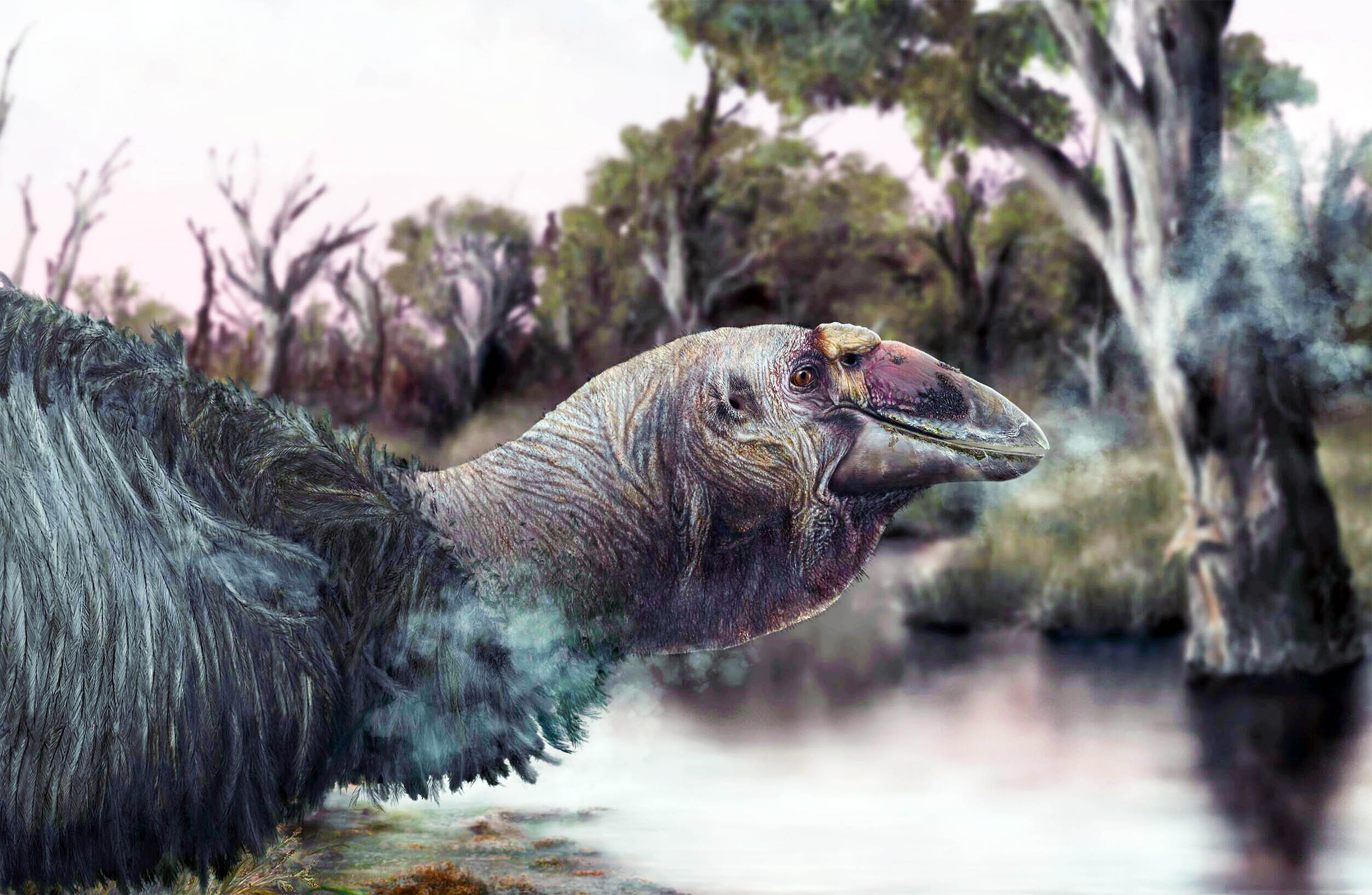
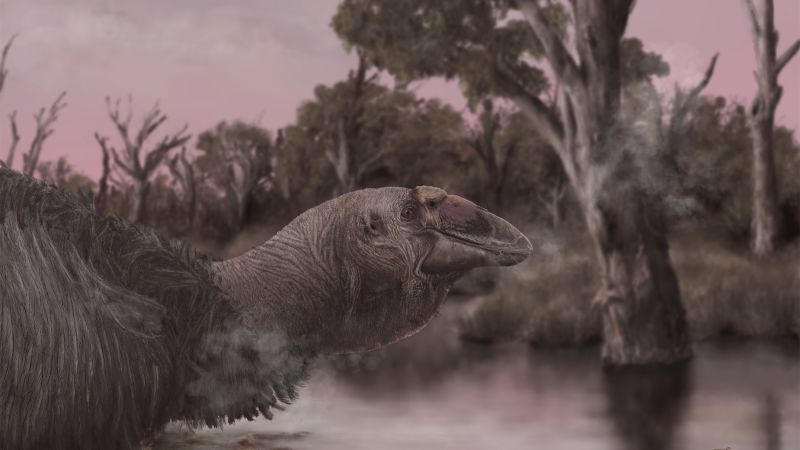
Archaeologists have discovered a nearly complete skull of the extinct giant bird Genyornis newtoni in Australia, revealing it was a large, goose-like waterfowl with powerful bite mechanics, challenging previous assumptions about its classification and ecology, and providing insights into its extinction around 45,000 years ago due to climate change, habitat loss, and human hunting.
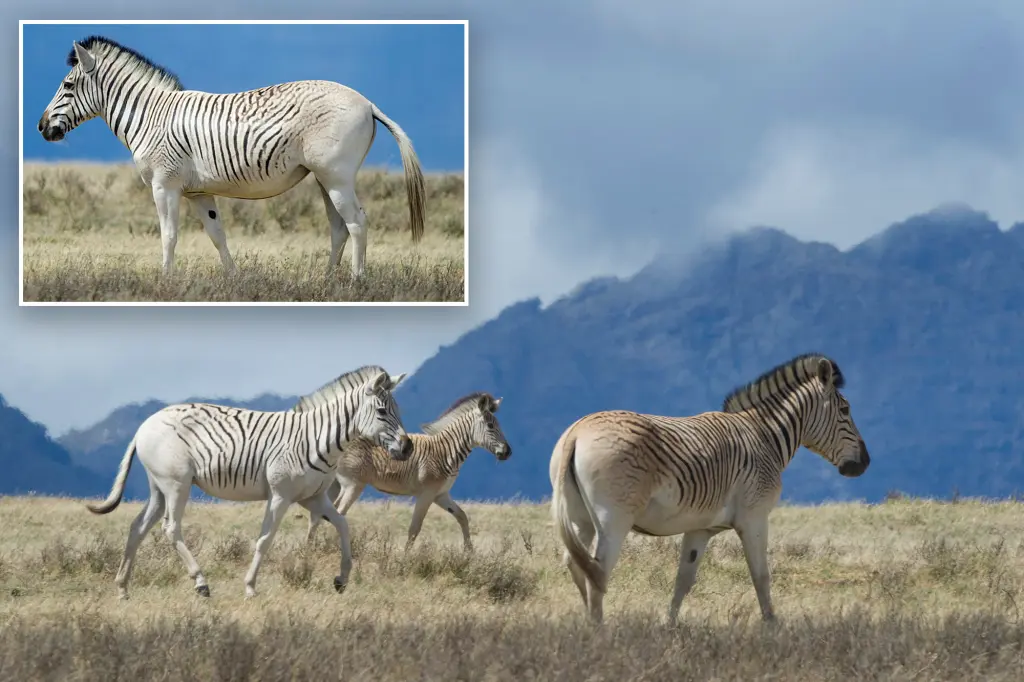
Scientists involved in the Quagga Project claim to have resurrected the extinct quagga, a zebra relative, through selective breeding rather than cloning. This effort has sparked debate among experts, with some viewing it as a superficial attempt akin to 'Jurassic Park,' while others see it as a hopeful symbol for conservation. The project, which began in 1987, aims to recreate the quagga by breeding zebras with similar genetic traits. Despite criticisms, the project could offer insights into restoring endangered species.
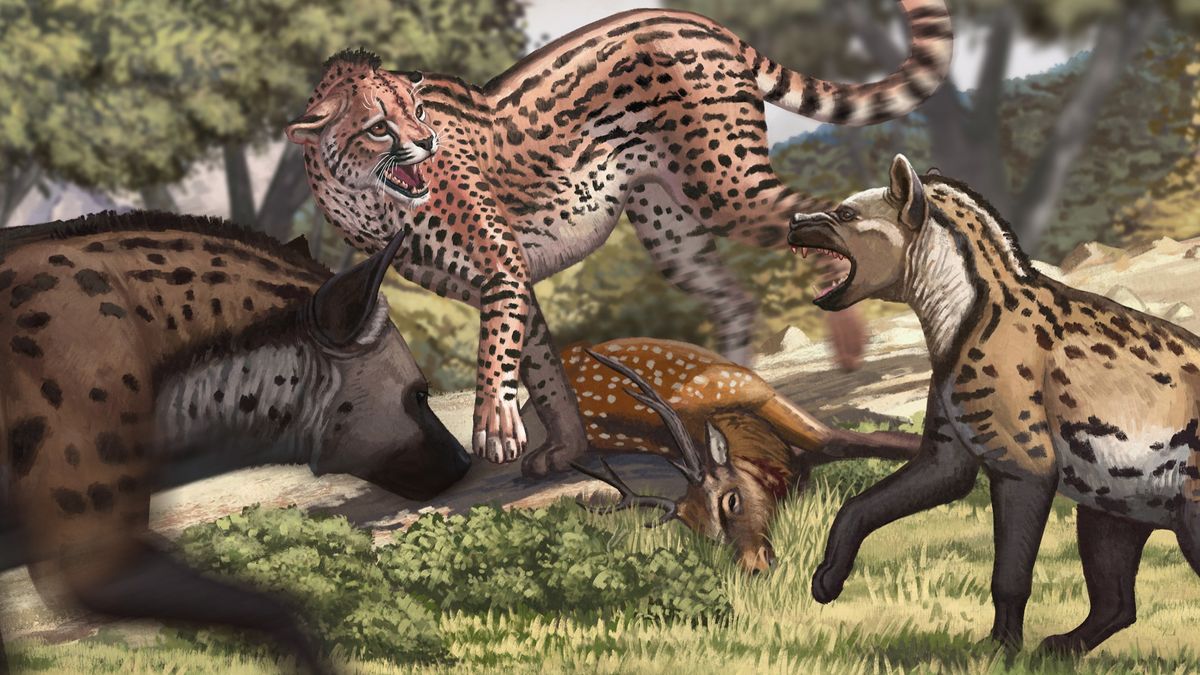
Scientists have identified the world's largest-ever cheetah species, Acinonyx pleistocaenicus, which roamed Eurasia from 1.3 million to 500,000 years ago. Weighing up to 420 pounds, it was as large as modern tigers and lions. The discovery was based on fossil analysis from China, revealing significant similarities to modern cheetahs. The species likely went extinct due to climate changes during the Mid-Pleistocene Transition.
Scientists have discovered a complete skull of the extinct thunder bird species Genyornis newtoni in Australia, resolving a century-old mystery about the bird's appearance and habits. The skull, which resembles that of a strange goose, provides new insights into the bird's diet and evolutionary connections to modern waterfowl. This discovery sheds light on the biology and ecology of these massive, flightless birds that roamed Australia 50,000 years ago.
Scientists have discovered a complete skull of the extinct thunder bird species Genyornis newtoni in Australia, resolving a century-old mystery about its appearance and habits. The skull, found in Lake Callabonna, reveals that G. newtoni had a goose-like beak and likely fed on soft fruits and freshwater plants. This discovery provides new insights into the bird's biology and its relation to modern waterfowl, enhancing our understanding of the dromornithid group.
Researchers have discovered the most complete skull of the extinct giant flightless bird Genyornis newtoni in Australia, providing new insights into its appearance and ecological role. The 45,000- to 50,000-year-old fossil, found in Lake Callabonnam, reveals the bird's massive cranium, large jaws, and unique casque. This discovery helps piece together the evolutionary puzzle of this "giant goose" and its adaptations to aquatic habitats, which may have contributed to its extinction.
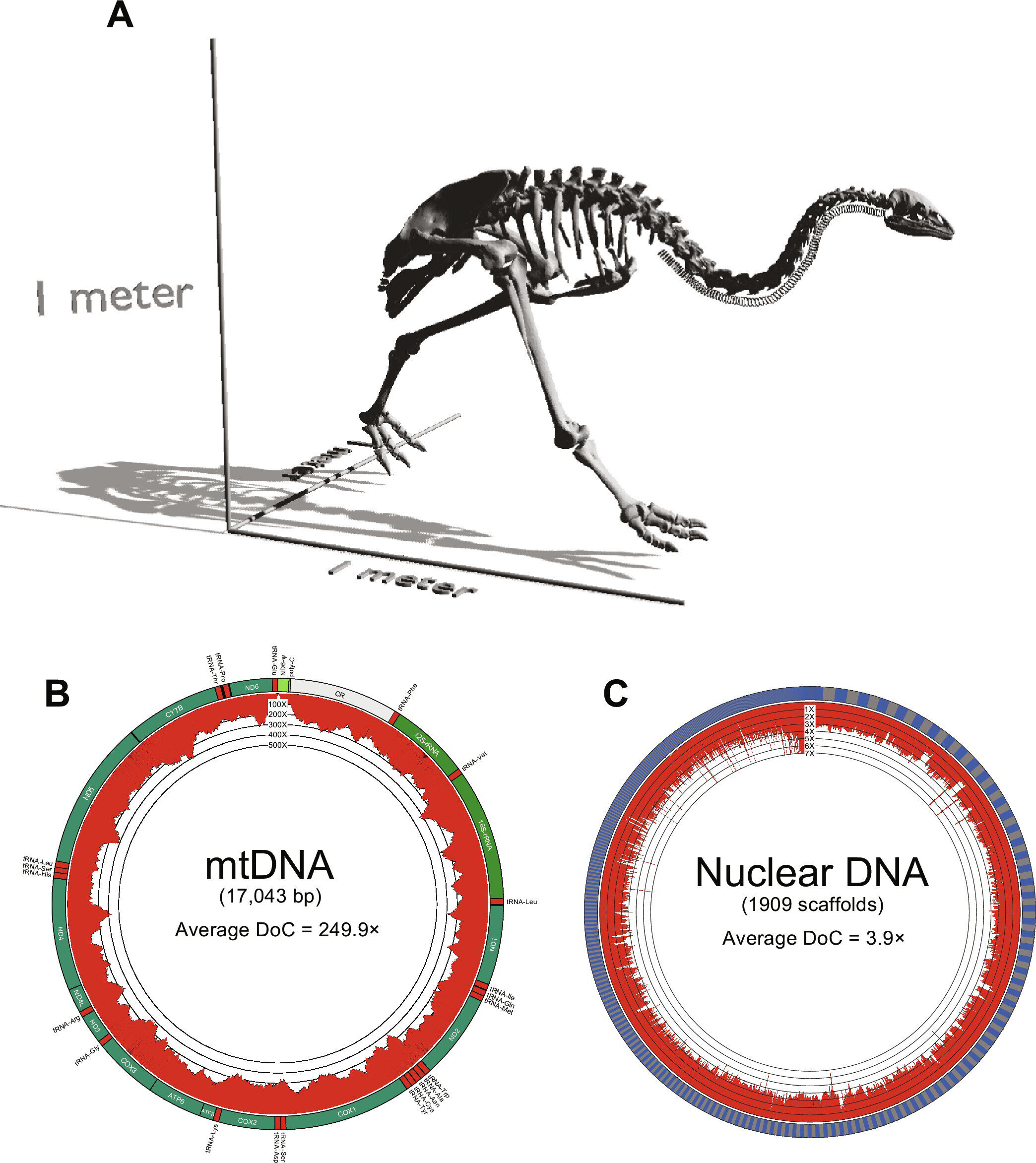
Researchers from Harvard University and other institutions have successfully reconstructed the genome of the extinct little bush moa, a flightless bird that once inhabited New Zealand. By sequencing DNA from a fossilized bone, they uncovered insights into the bird's vision, diet, and evolutionary history, providing valuable data for avian evolution studies.
Scientists have reconstructed the DNA of the extinct little bush moa, a flightless bird from New Zealand, revealing new details about the species and opening the possibility of de-extinction. The research, which involved sequencing ancient DNA from fossil bones, provided insights into the bird's population size, sensory capabilities, and sexual dimorphism. This breakthrough could pave the way for reviving other extinct species, though it must be approached with ethical and ecological considerations.
Scientists are aiming to bring back extinct animals never before known in the natural world by extracting DNA from fossils, with plans to revive species like mammoths and Tasmanian Tigers within the next decade. The research, led by Colossal Bisciences in Texas and supported by Harvard geneticist George Church, aims to accelerate the discovery of ancient unknown species and potentially save threatened species from extinction by learning from past examples of animals adapting to changing climates.