The article discusses the science behind living a longer, healthier life, highlighting studies of super-agers like María Branyas Morera and Emma Mazzenga. It emphasizes that genetics and lifestyle factors such as regular exercise, a balanced diet including yogurt, social connections, vitamin D, walking, moderate coffee intake, and avoiding unnecessary supplements and alcohol are key to extending healthspan. The article also debunks myths about supplements and red wine, advocating for consistent physical activity and social engagement as the most effective strategies for aging well.
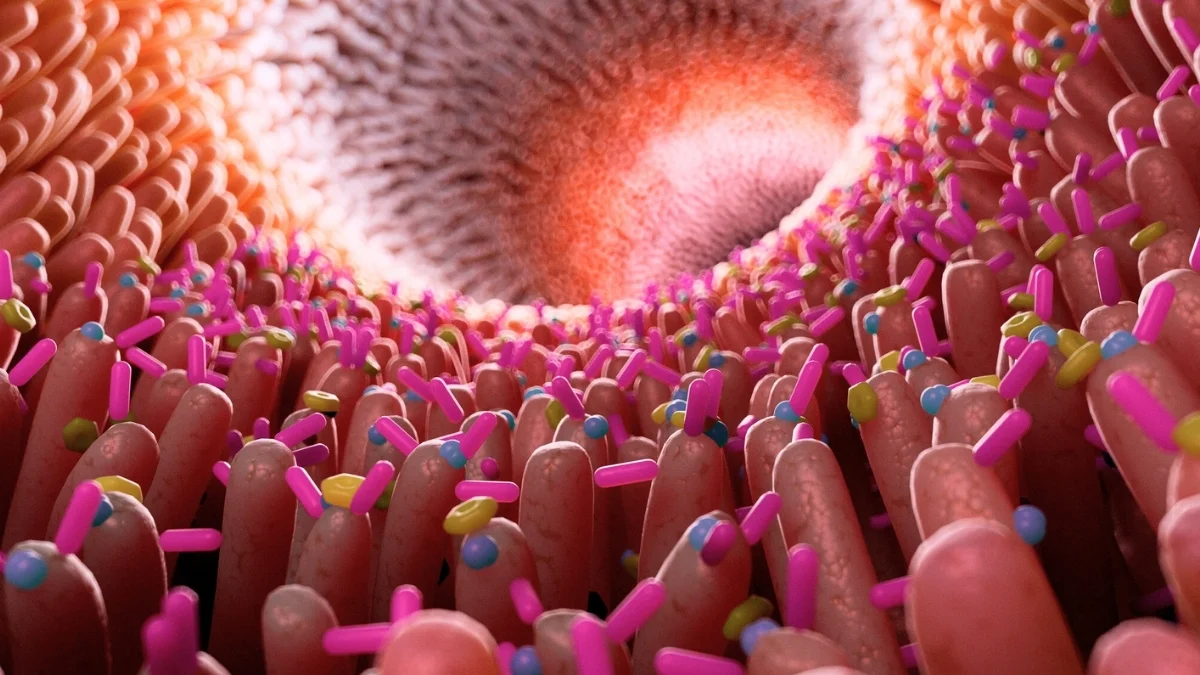
A study has identified 168 common chemicals, including pesticides and industrial compounds, that harm beneficial gut bacteria, potentially impacting human health and increasing antibiotic resistance, prompting calls for safer chemical testing and regulation.
The rise in colon cancer among young, healthy individuals may be linked to early-life factors such as microbiome disruptions, infections like colibactin-producing bacteria, diet high in sugar and processed foods, and environmental influences, with research suggesting that mutations and vulnerabilities could originate in infancy, emphasizing the importance of early intervention and lifestyle modifications.
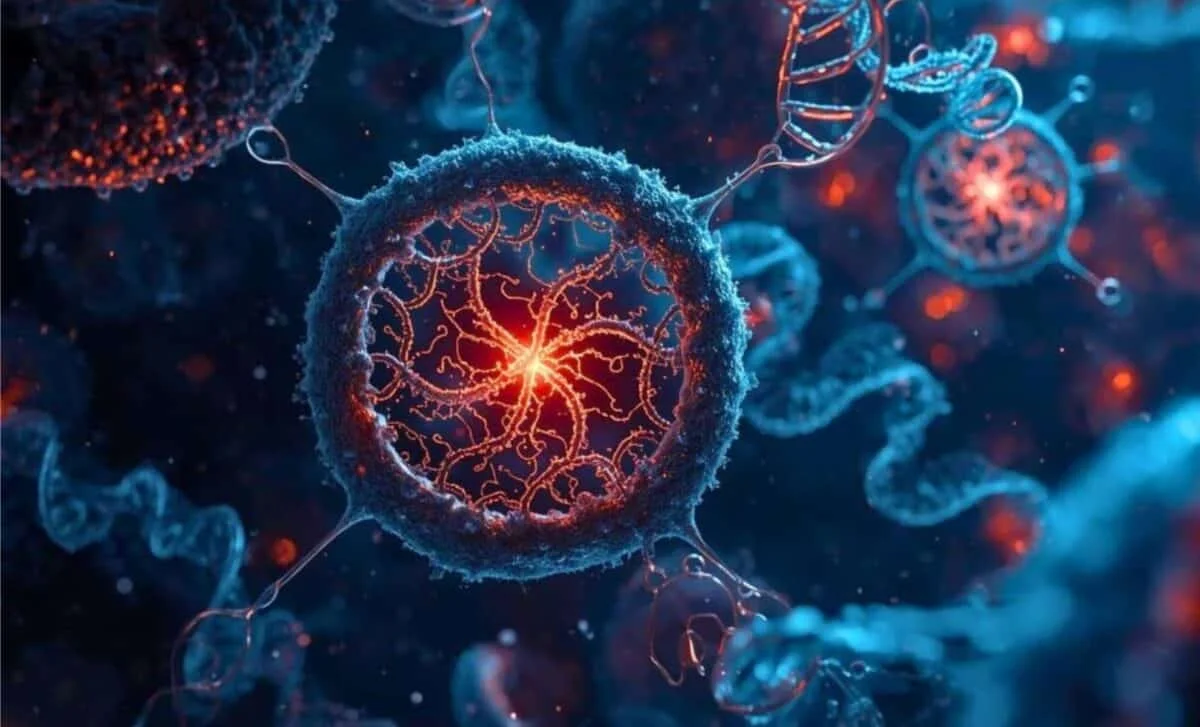
Scientists have discovered a new class of circular, protein-free RNA structures called obelisks in bacteria within the human microbiome, which do not match known viruses or genetic elements, potentially offering insights into early life and microbial ecology.
A compound called TMA produced by gut bacteria may help prevent and manage type 2 diabetes by reducing inflammation and improving insulin response, offering a potential new avenue for treatment and prevention, though more research is needed.
Research indicates that diet significantly influences mood, with whole grains, fatty fish, fermented foods, and polyphenol-rich foods promoting happiness and reducing depression risk, while ultra-processed foods and refined carbs can increase depression risk. Nutritional psychiatry explores these links, emphasizing the importance of a balanced diet, gut health, and lifestyle factors for mental well-being.
An unhealthy gut can manifest through digestive symptoms like bloating, pain, and changes in bowel habits, as well as systemic signs such as fatigue, mood swings, and frequent illnesses, highlighting the importance of maintaining gut health for overall well-being.
Researchers in Leiden have developed EVG7, a potent low-dose antibiotic that effectively targets C. difficile infections while preserving beneficial gut bacteria, reducing relapse risk and potentially limiting resistance, with human trials possible in a few years.
True detoxification of the liver and gut is achieved through lifestyle habits like a balanced diet low in sugars and saturated fats, regular physical activity, microbiome support with fiber and fermented foods, managing metabolic conditions, and considering genomic insights, rather than trendy juice cleanses or extreme detox diets.
Researchers have discovered that disrupting bacterial communication signals in dental plaque using enzymes can promote the growth of beneficial bacteria and potentially prevent gum disease, offering a new approach to maintaining oral health without harming good bacteria.
Unlikely foods like parmesan cheese and cold potatoes are gaining popularity as fitness aids due to their high protein content, microbiome benefits, and sustained energy release, making them good alternatives to traditional workout supplements when consumed in moderation.
New research from the University of Basel shows that gut bacteria resembling myelin can trigger or slow multiple sclerosis progression in mice, highlighting both risks and potential for microbiome-based treatments that train the immune system to tolerate myelin.
A review of human studies suggests kefir can alter gut and oral bacteria, potentially supporting digestive, immune, and metabolic health, but inconsistent results and small trials mean its true health impact remains uncertain.
An unhealthy gut can manifest through symptoms like bloating, fatigue, skin issues, sleep problems, and upset stomach. To improve gut health, focus on eating fiber-rich and fermented foods, monitor medication use, consider strain-specific probiotics, and maintain regular exercise and sleep routines. Since everyone's microbiome is unique, personalized approaches and medical consultation are recommended.
Gut transit time, the duration for food to pass through the gastrointestinal tract, averages around 28 hours in healthy adults with significant individual variability influenced by diet, lifestyle, and hormonal factors. Understanding and optimizing transit time through diet, hydration, and activity can promote gut health, microbial balance, and overall well-being.