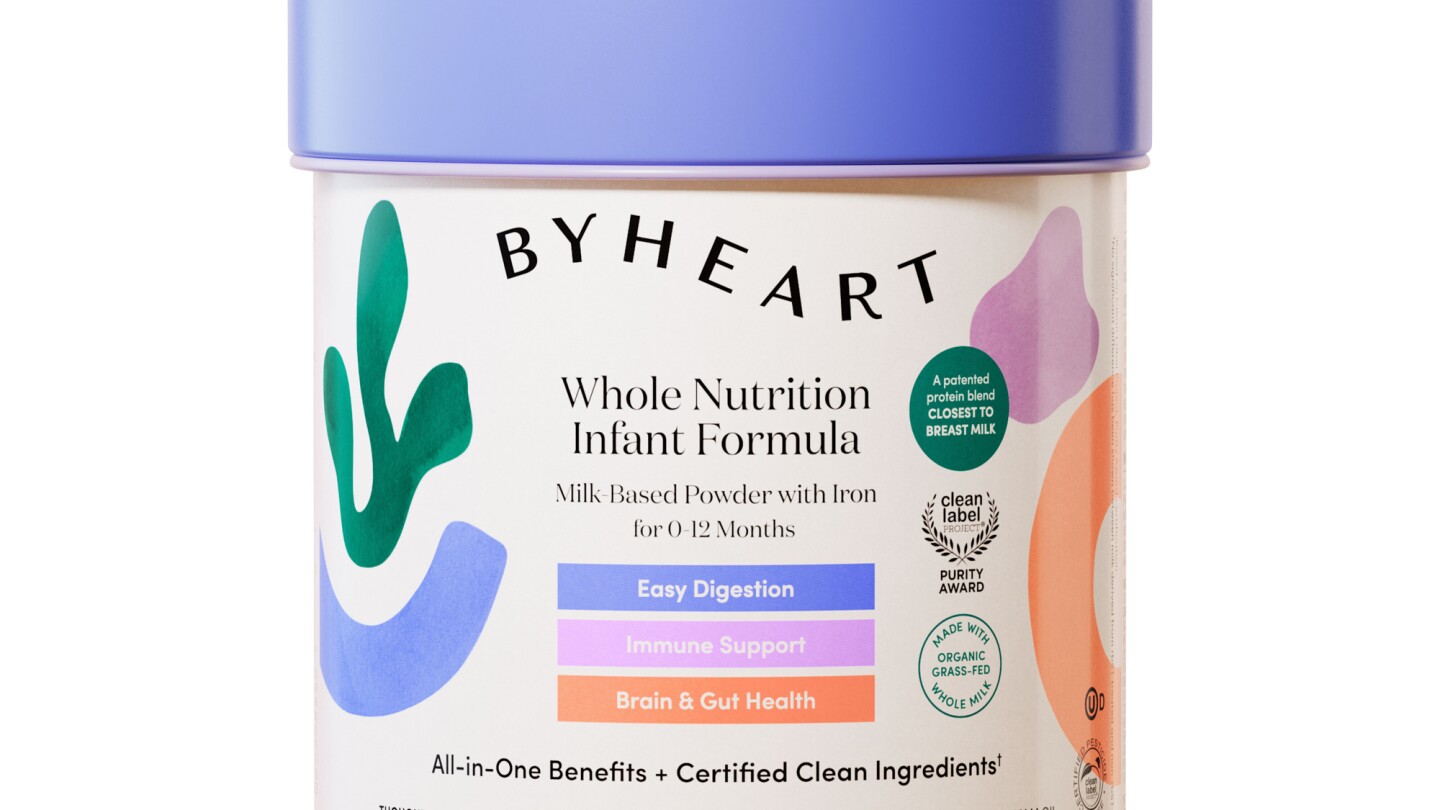
ByHeart has voluntarily recalled all its organic baby formula products nationwide following an outbreak of infant botulism, with at least 15 babies hospitalized across 12 states. The recall was expanded after testing linked the formula to the bacteria producing the toxin, and the FDA is investigating 84 cases in total. Parents are advised to stop using the formula immediately, as the bacteria can cause serious illness in infants.
Sarepta Therapeutics issued a statement clarifying that the recent death of an eight-year-old Duchenne muscular dystrophy patient in Brazil, who received their gene therapy ELEVIDYS, was deemed unrelated to the treatment. The FDA is investigating the case, but Sarepta emphasizes their commitment to patient safety and regulatory transparency, highlighting the safety profile and risks associated with ELEVIDYS, including infusion reactions and liver injury.
Sarepta Therapeutics' stock has plummeted nearly 86% this year following the FDA's investigation into the deaths of two teenagers who received its gene therapy, Elevidys, for Duchenne muscular dystrophy, raising concerns about the therapy's safety and potential regulatory actions.
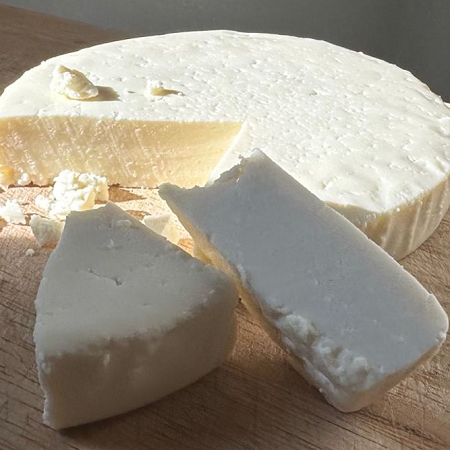
Sargento Foods is impacted by a cheese recall linked to a listeria outbreak from California-based Rizo-López Foods, prompting a limited recall of its foodservice and ingredient products. The ongoing FDA investigation has expanded the recall to include various dairy products, with at least 26 people affected in 11 states and two fatalities. This incident follows a previous listeria outbreak involving a former cheese maker, highlighting the seriousness of listeriosis, a potentially fatal infection caused by contaminated food.
Family Dollar Stores has been ordered to pay a record $41.6 million fine for using a rodent-infested warehouse to distribute goods to over 400 stores across the South. The U.S. Food and Drug Administration found live and dead rodents, feces, urine, and evidence of gnawing and nesting at the distribution center in Arkansas. The company pleaded guilty to causing goods to be "adulterated while being held under insanitary conditions" and must meet corporate reporting guidelines for the next three years. Dollar Tree, which owns Family Dollar Stores, has fully cooperated with the investigation and plans to invest $100 million to improve the distribution center and create 300 jobs.
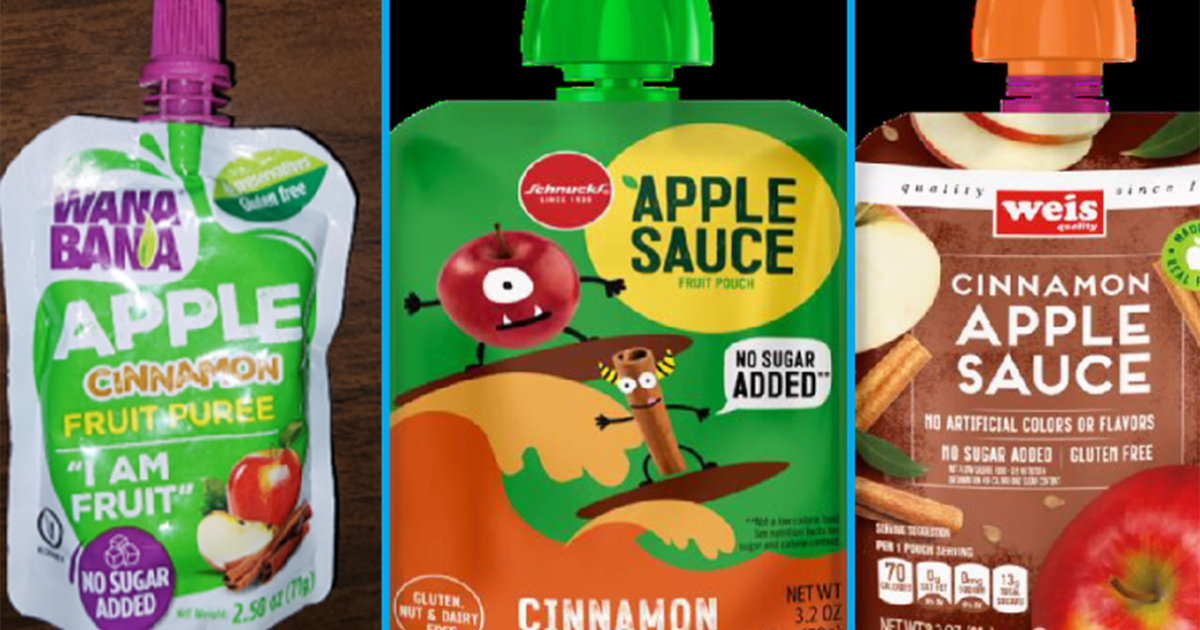
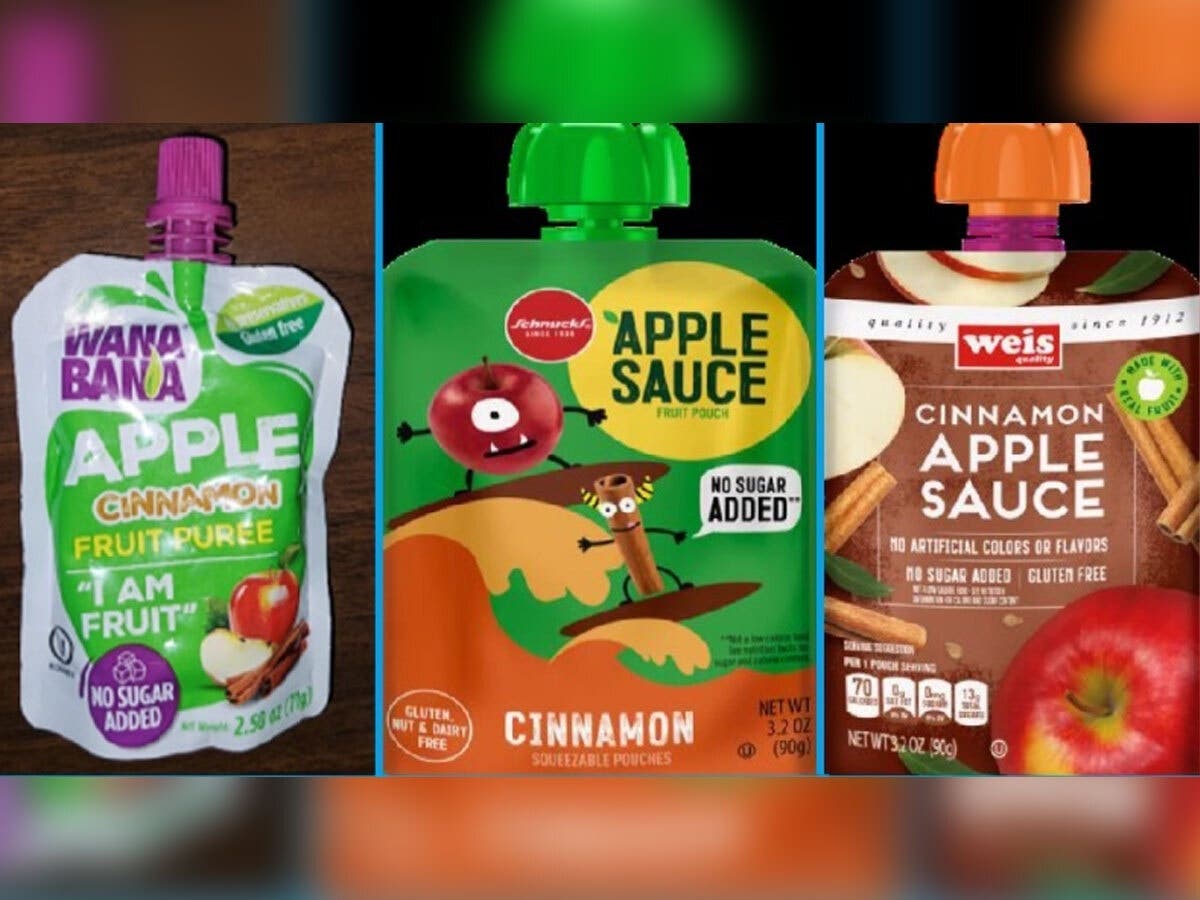
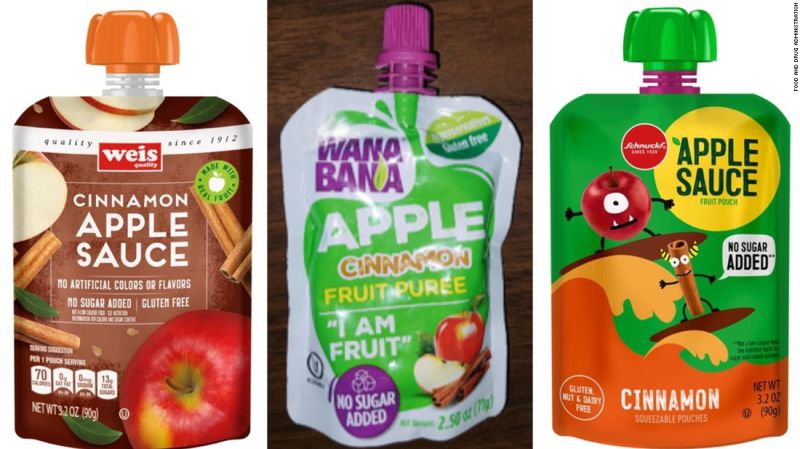
The Centers for Disease Control and Prevention (CDC) is investigating over 200 cases of lead poisoning across 33 states linked to contaminated applesauce pouches. The Food and Drug Administration (FDA) is currently investigating the source of the tainted cinnamon responsible for the contamination. Most of the reported cases involve young children who have been consuming the pouches multiple times a day. The FDA has faced challenges in removing the pouches from store shelves, and there are concerns about economically motivated adulteration. The FDA is working with officials in Ecuador to trace the source of the lead contamination.
Federal health officials are investigating whether cinnamon applesauce pouches linked to high blood lead levels among children in 22 states, including Illinois, were intentionally contaminated. The Food and Drug Administration is focusing its investigation on an Austrofood plant in Ecuador, where the now-recalled applesauce brands were made. The FDA suspects an intentional act in the supply chain and is working to identify the source. Lead poisoning is extremely dangerous, especially for young children, and can cause long-term damage to the brain and nervous system.
The US Food and Drug Administration (FDA) is investigating the link between lead contamination and cinnamon applesauce pouches, as the number of illnesses potentially related to the recalled products continues to rise. The FDA is conducting an on-site investigation at a distribution company in Ecuador that supplies cinnamon suspected of containing elevated levels of lead. So far, there have been at least 65 reports of illnesses, all in children under 6 years old. The Centers for Disease Control and Prevention (CDC) is also tracking cases and has received reports of 125 confirmed, probable, and suspected cases. The FDA has recommended blood testing for those who may have consumed the recalled products, and the manufacturers are working on a reimbursement program for healthcare costs.
The US Food and Drug Administration (FDA) is investigating the potential risk of a cutting-edge cancer treatment, CAR-T cell therapy, causing secondary malignancies. The therapy uses harmless viruses to deliver new genetic material into cells, but there is a theoretical risk that these viruses could activate cancer genes. The FDA has suggested lifelong monitoring for patients receiving CAR-T cell therapies and stated that the benefits of these treatments still outweigh the potential risks. Pharmaceutical companies such as Novartis, Bristol Myers Squibb, and Johnson & Johnson, which manufacture approved CAR-T cell therapies, have not found evidence linking their products to secondary malignancies. However, experts acknowledge the need for more information and caution that the occurrence of such cases is likely to be rare.
Three companies have issued recalls for applesauce pouches marketed for kids due to elevated levels of lead. At least seven illnesses in five states have been linked to tainted puree. The FDA has expanded its investigation, with reports of four children in North Carolina showing high blood lead levels. Lead is toxic and can cause various symptoms, especially in young children. Customers are urged to return the recalled products for a refund.
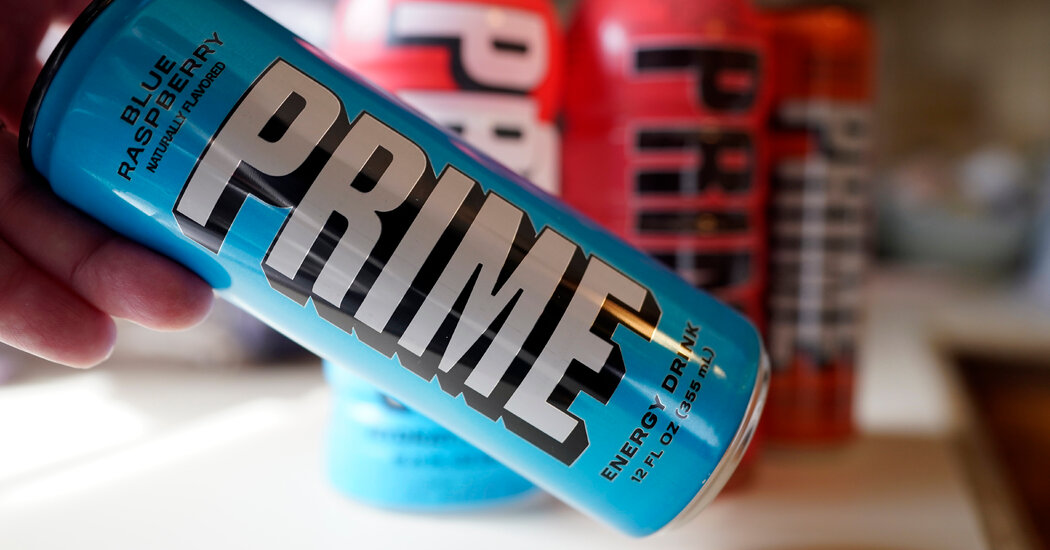
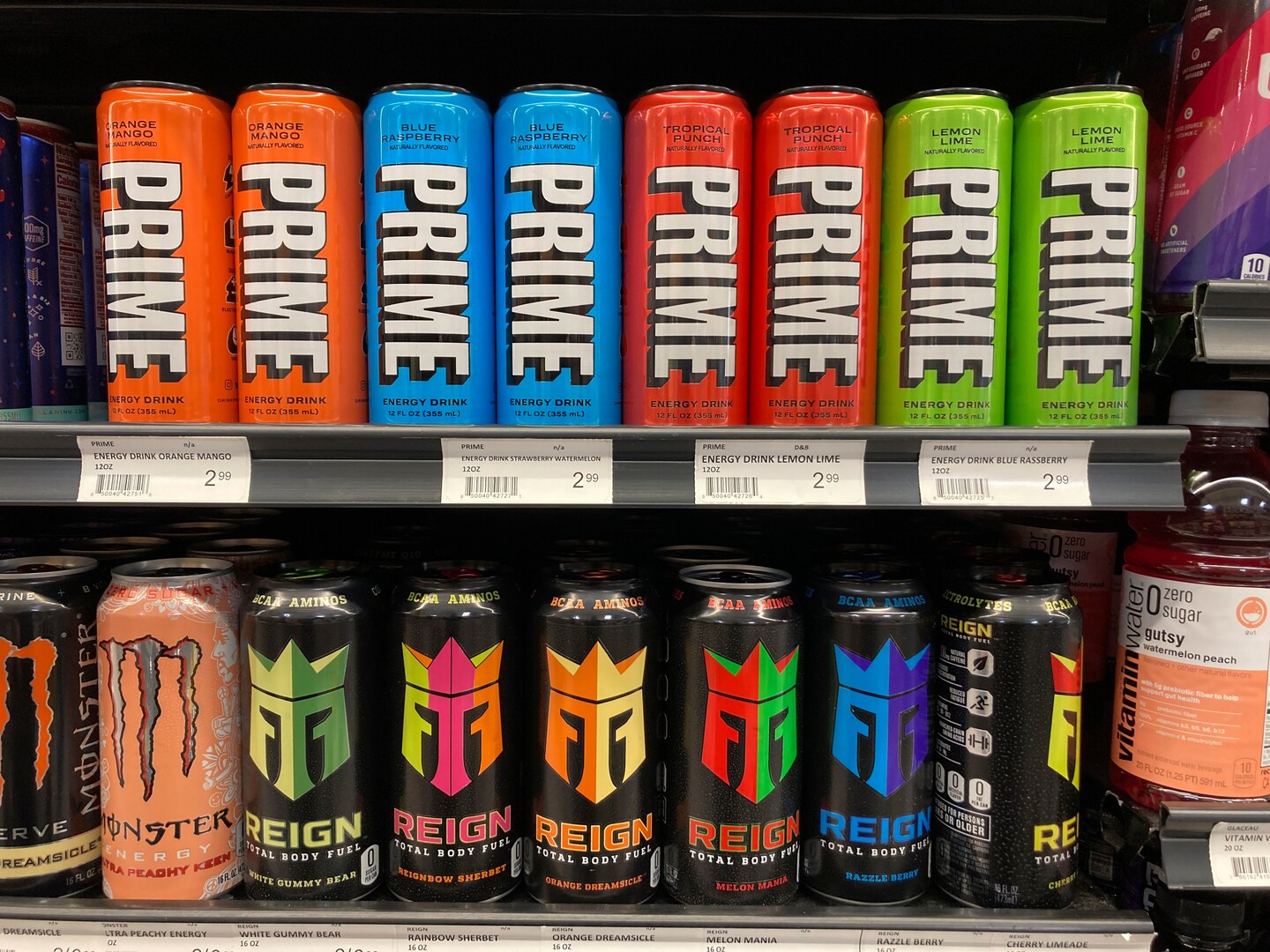
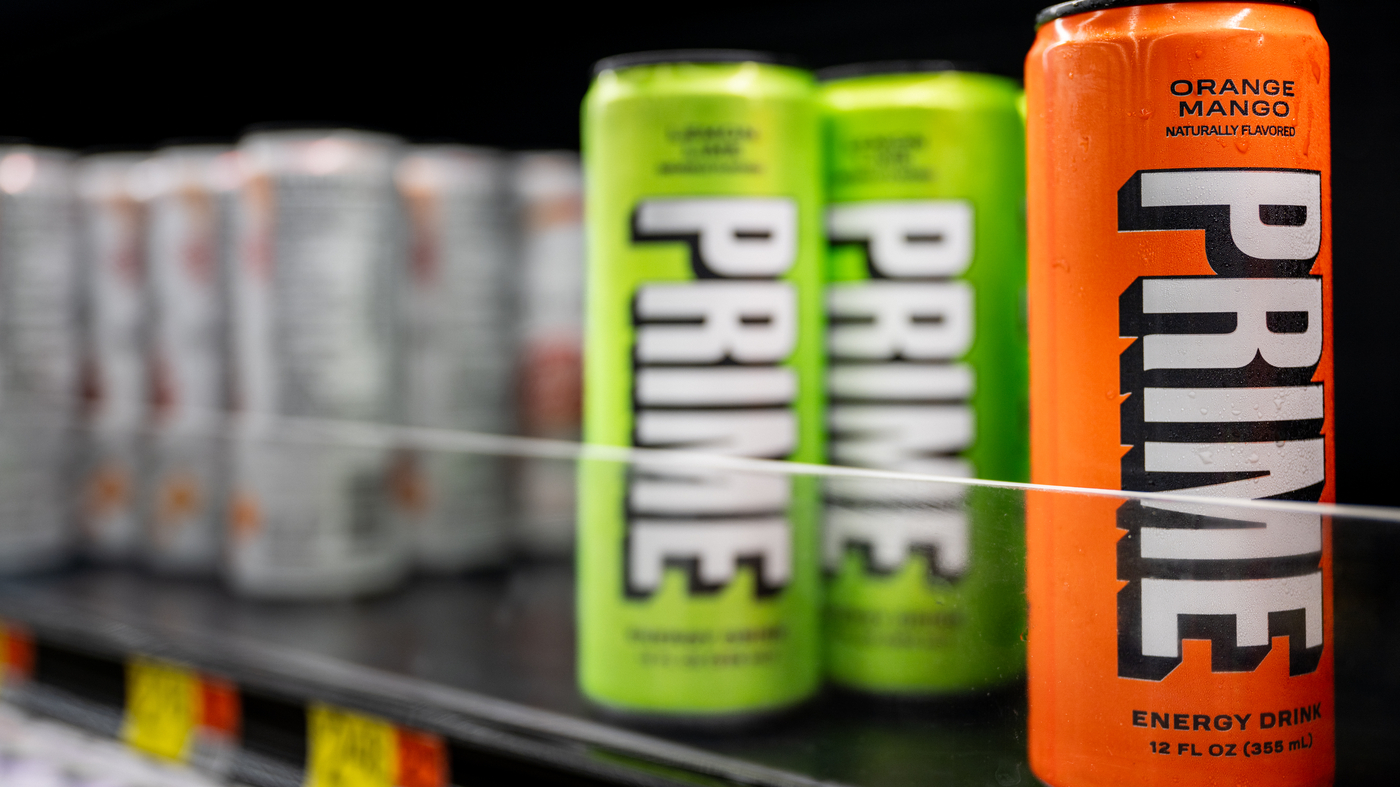
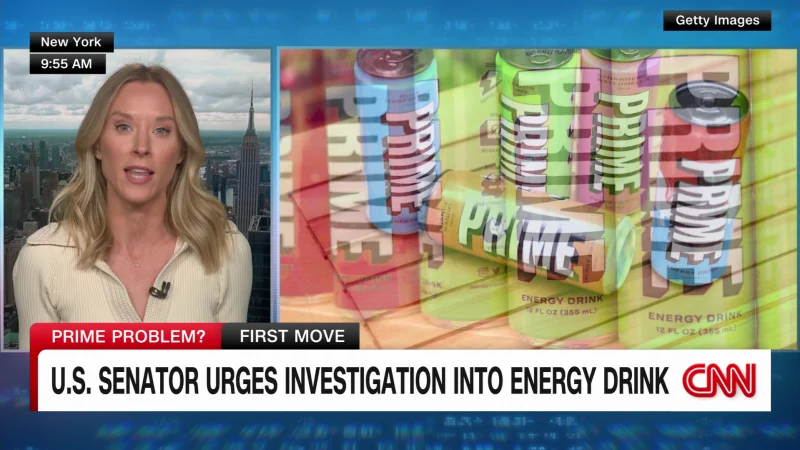
Senator Chuck Schumer has called for an investigation by the FDA into Prime Energy, an energy drink created by YouTube influencers Logan Paul and KSI, due to its high caffeine content. The drink, which has levels equivalent to six cans of Coca-Cola, is facing backlash from physicians and lawmakers who argue that it can be harmful to children. Pediatricians recommend that children under 12 avoid caffeine entirely, and those aged 12 to 18 consume no more than 100 milligrams per day. Prime Energy's advertising campaign appears to target those under 18, leading to concerns about its impact on young consumers.
Prime energy drinks, popularized by YouTube stars Logan Paul and KSI, are facing scrutiny from politicians and experts who are concerned about their safety for young people. Senate Majority Leader Charles E. Schumer is calling on the FDA to investigate the company, citing the lack of warnings and information about the high caffeine content in the drinks. The article provides information on the caffeine content in Prime Energy compared to other drinks and discusses expert opinions on whether kids should be consuming them.
Senate Majority Leader Chuck Schumer has called on the U.S. Food and Drug Administration (FDA) to investigate Prime energy drinks, popularized by YouTubers Logan Paul and KSI, due to concerns over their high caffeine content and potential health risks for children. Prime energy drinks contain 200 mg of caffeine per 12 oz can, more than other energy drink brands, and have been linked to sleep deprivation, anxiety, nausea, and cardiac arrest in some cases. Schumer highlighted the brand's advertising campaign aimed at kids and urged parents to be aware of the risks associated with these drinks.
A U.S. Senator is calling for an investigation by the Food and Drug Administration (FDA) into PRIME Energy drinks due to health concerns. The Senator's request comes amid growing scrutiny over the safety and regulation of energy drinks in the United States.