Tag

Evolutionary History

All articles tagged with #evolutionary history

science3 months ago

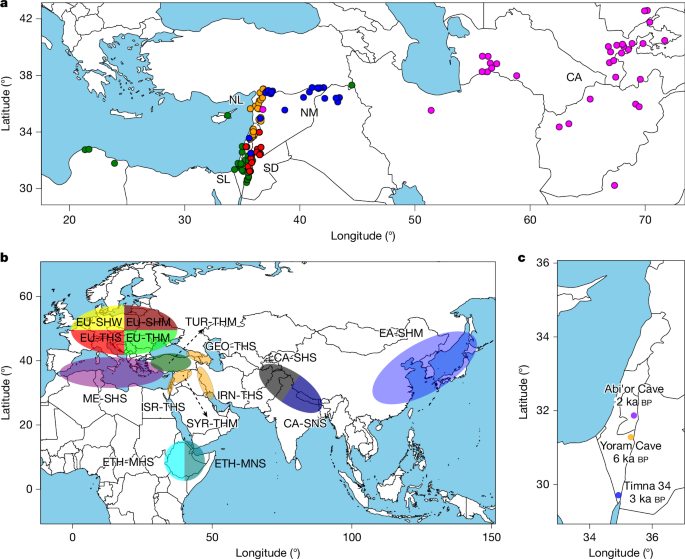
Unraveling Barley's Domestication and Evolutionary History

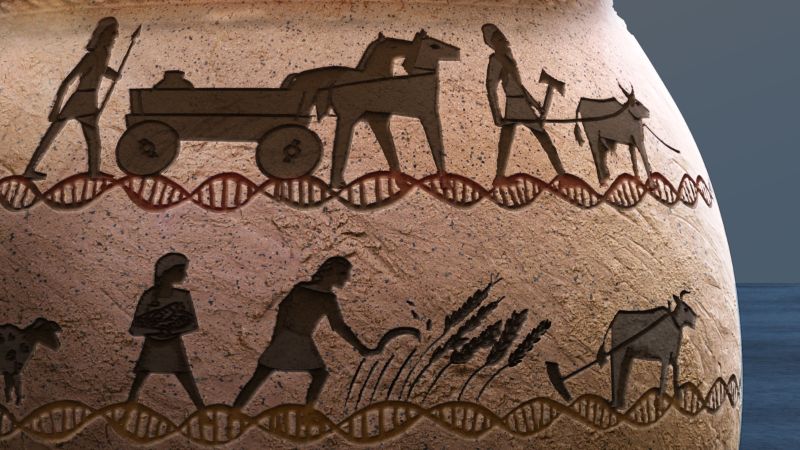
This study uses high-resolution haplotype-based genome sequencing of wild and domesticated barley, including ancient samples, to reveal a complex mosaic ancestry involving multiple wild populations, gene flow, and regional divergence, supporting a protracted, polycentric domestication process that continues to shape modern barley diversity.


science1 year ago

"Father-Daughter Team Unearths Largest Prehistoric Marine Reptile"

An 11-year-old girl and her father discovered a massive jawbone on a beach in Somerset, England, which led to the identification of a new species of ichthyosaur, named Ichthyotitan severnensis. Estimated to be over 82 feet long, this marine reptile may have rivaled the size of a blue whale. The discovery sheds light on the prehistoric giant's role in evolutionary history and the ancient ocean ecosystem. The fossil, dating back 202 million years, is a significant contribution to paleontology and will be displayed at the Bristol Museum and Art Gallery.

science1 year ago

"Unveiling the Diverse Origins of Flower Symmetry in the Sunflower Family"

A new analysis of the sunflower family tree has revealed that flower symmetry evolved multiple times independently, a process known as convergent evolution. The study, led by a Penn State biologist, used low-coverage genome sequences to increase the number of species in the analysis, providing insight into how the sunflower family, which includes asters, daisies, and food crops, evolved. The research team also found that changes in the number of copies and expression patterns of the floral regulatory gene, CYC2, are likely related to the convergent evolution of flower symmetry in sunflowers. This knowledge could help identify useful traits for selectively breeding plants with more desirable characteristics.

science1 year ago

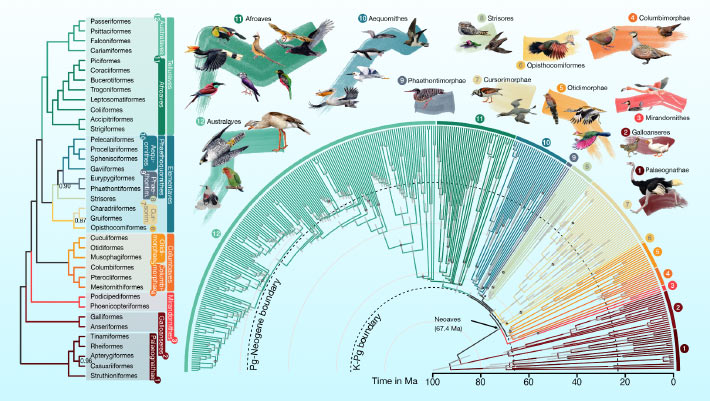
"Revolutionizing Avian Evolution: Unveiling the Most Detailed Bird Family Tree with AI and Computational Tools"

Scientists have created the largest and most detailed bird family tree to date, revealing patterns in avian evolutionary history following the mass extinction event that wiped out the dinosaurs. The updated tree, part of the Bird 10,000 Genomes Project, delineates 93 million years of relationships between 363 bird species and sheds light on adaptive mechanisms driving avian diversification. Advanced computational methods uncovered an unusual region of suppressed recombination in the bird genome, affecting the placement of flamingos and doves in the family tree, raising questions about the relationship between this genomic anomaly and the extinction event.

paleontology1 year ago

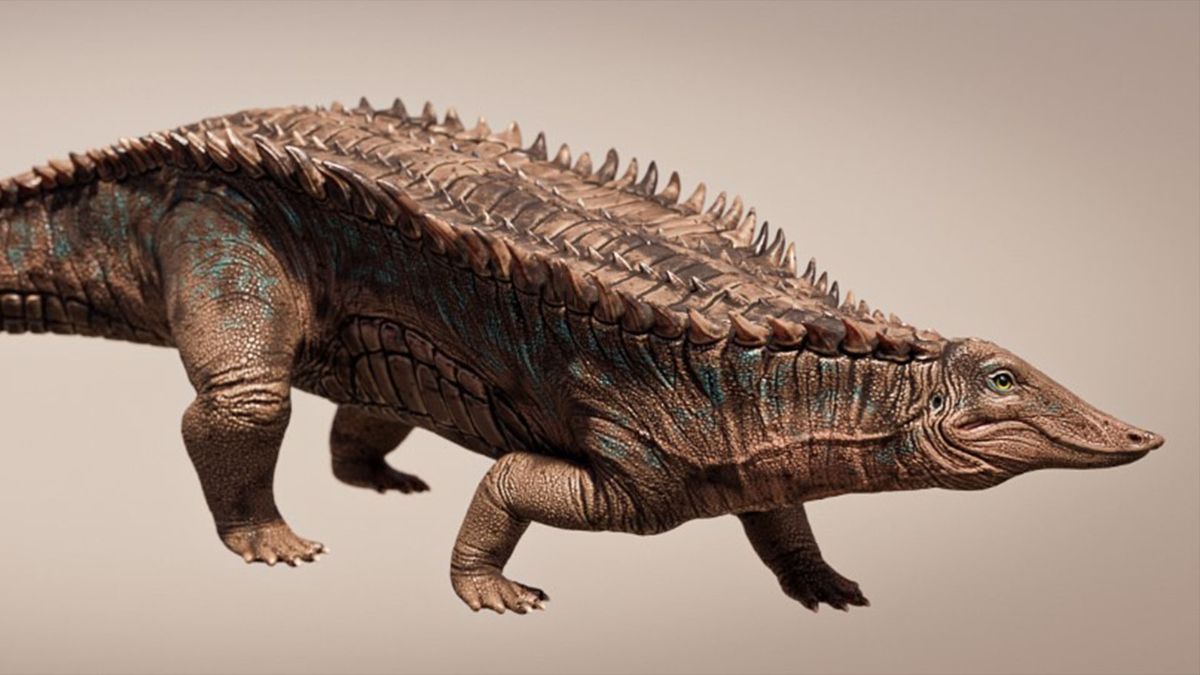
"Texas Unearths 215 Million-Year-Old Crocodile Ancestor, Dubbed Triassic Tank"

A newly discovered species of aetosaur, named Garzapelta muelleri, has been unearthed in Texas, dating back 215 million years. These armored crocodile cousins were stout-limbed beasts covered in bony plates and lived during the late Triassic period. The fossil, discovered in 1989, presents unique features that puzzled researchers in determining its place on the aetosaur family tree, ultimately leading to the conclusion that its spikes likely evolved independently through convergent evolution.

paleontology1 year ago

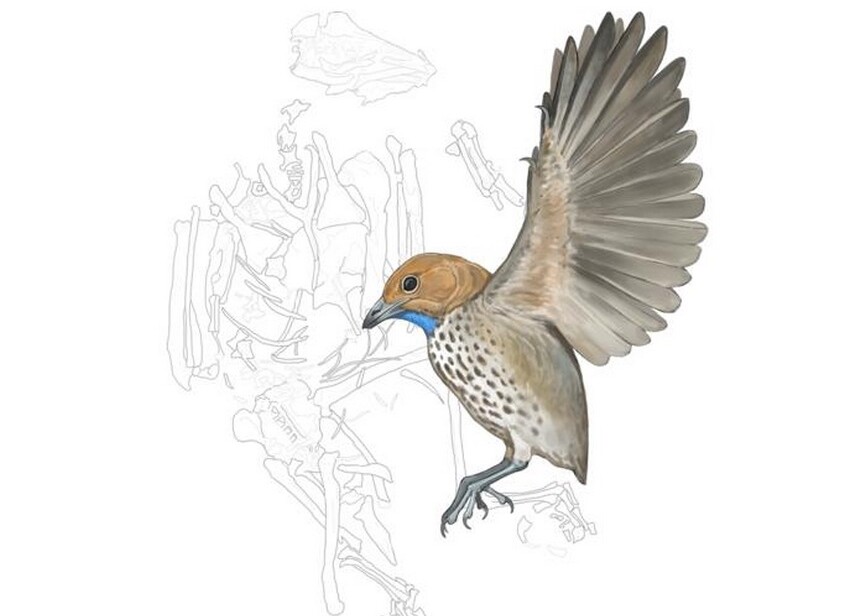
"David Attenborough's Namesake Fossil Rewrites Bird Evolution History"

A newly discovered fossil bird, named Imparavis attenboroughi in honor of Sir David Attenborough, has pushed back the era of toothless birds by 50 million years. This bird, a member of the enantiornithines group, evolved toothlessness much earlier than previously thought, challenging the understanding of bird evolution. The fossil, found in northeastern China, exhibits unique wing bones suggesting powerful flight capabilities and a potentially unique diet. The discovery sheds light on the complex evolutionary history of birds and their diverse adaptations.

archaeology-genetics2 years ago

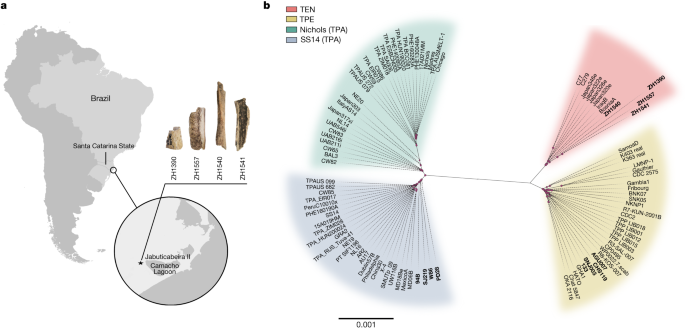
"Uncovering Pre-Columbian Syphilis Origins in Brazil's Ancient Genomes"

A study presents evidence of pre-Columbian treponemal disease in the New World from a nearly 2,000-year-old Brazilian burial site, revealing reconstructed genomes of T. pallidum basal to the modern diversity of the bejel-causing subspecies, T. pallidum endemicum. The findings challenge previous hypotheses and shed light on the evolutionary history and geographical adaptability of treponemal infections, providing valuable insights into the origins and spread of syphilis and other treponematoses.

science2 years ago

"Reevaluating Primate Power Dynamics: Females Assert More Influence Than Previously Thought"

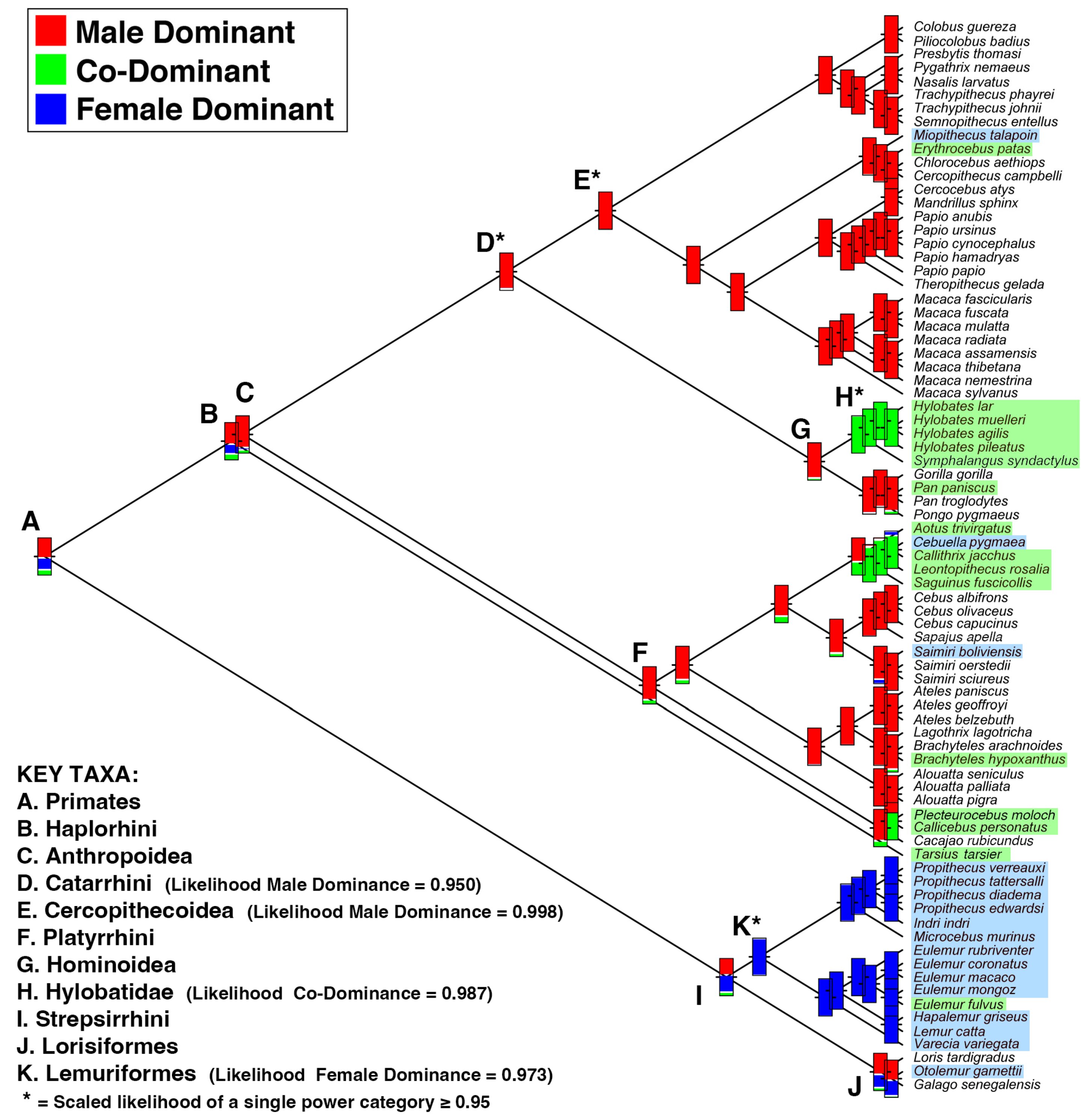
A study challenges the assumption of male dominance in primate societies, finding that female-biased power structures or social equality between the sexes can be found within every major primate group. The research suggests that male-biased power is likely to develop in species where males have larger body sizes and longer canine teeth, while female power may emerge when the supply of available female mating partners is lower than male demand. The study also questions the assumption of ancestral male-biased power in primates, highlighting the presence of female-biased and equal power structures within many primate species.

science2 years ago

Unraveling the Hagfish Genome: Insights into Vertebrate Evolution

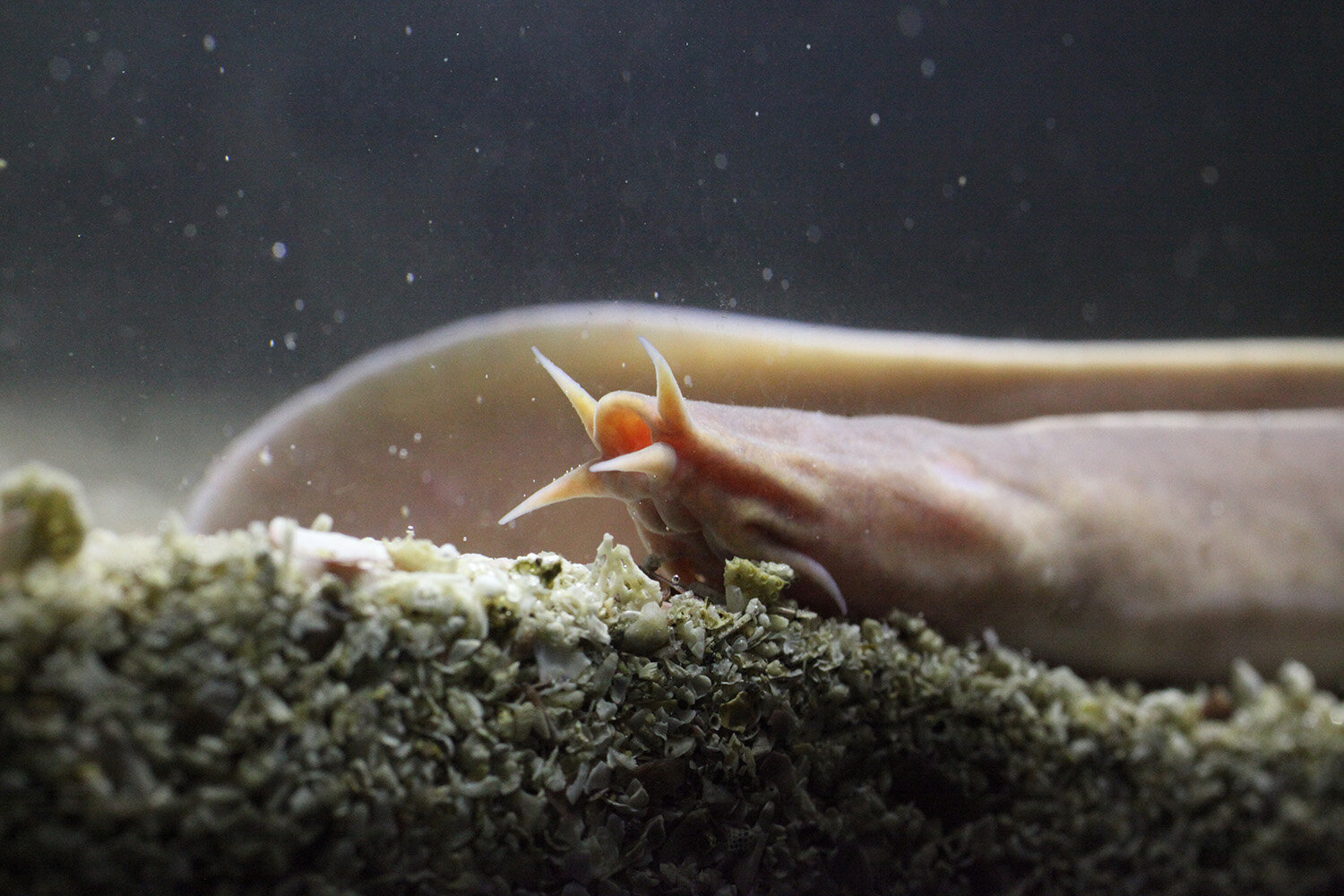
An international scientific team has successfully sequenced the first genome of myxini, also known as hagfish, which is the only large group of vertebrates without a reference genome. This achievement has provided insights into the evolutionary history of genome duplications in vertebrates, shedding light on the origin of unique vertebrate structures such as the complex brain, jaw, and limbs. The study, which took nearly a decade and involved over 40 authors from seven countries, has significant implications for understanding the genomic events that led to the emergence of key vertebrate characteristics.

paleontology2 years ago

"Scientists Uncover Oldest Fossilized Skin, Dating Back 300 Million Years"

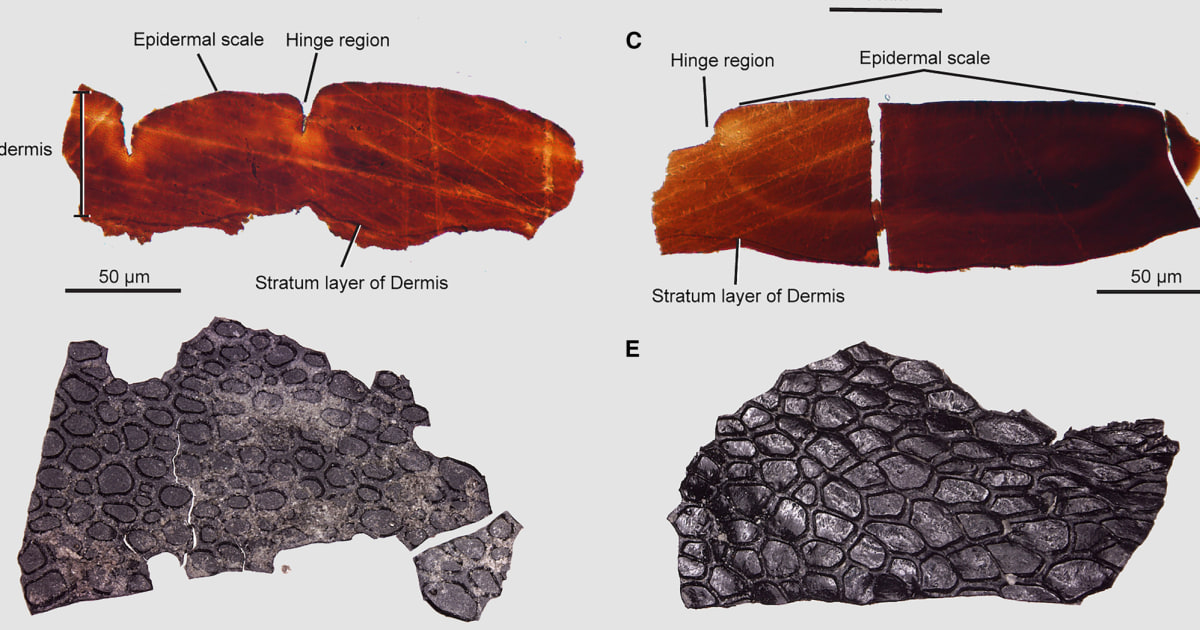
Scientists have discovered the oldest fossilized skin, at least 286 million years old, in an ancient cave in Oklahoma, providing insight into early animal life and potential clues about the split between reptiles and mammals. The 3D skin cast, found at the Richards Spur site, could help unlock evolutionary mysteries and is a rare find from the Paleozoic era, shedding light on the appearance of some of the earliest animals transitioning to life on land.

health-and-science2 years ago

Unraveling the Genetic Origins of Multiple Sclerosis through Ancient DNA

Scientists have created the largest ancient DNA database, revealing that genetic variants which once protected prehistoric populations from pathogens may now increase the risk of diseases like multiple sclerosis and Alzheimer's in Europeans. The research, published in Nature, shows how the genetic roots of diseases and traits have evolved over time as populations migrated and interbred. The findings provide new insights into the genetic origins of multiple sclerosis and Alzheimer's, shedding light on how ancient lifestyles impact modern disease risk.

paleontology2 years ago

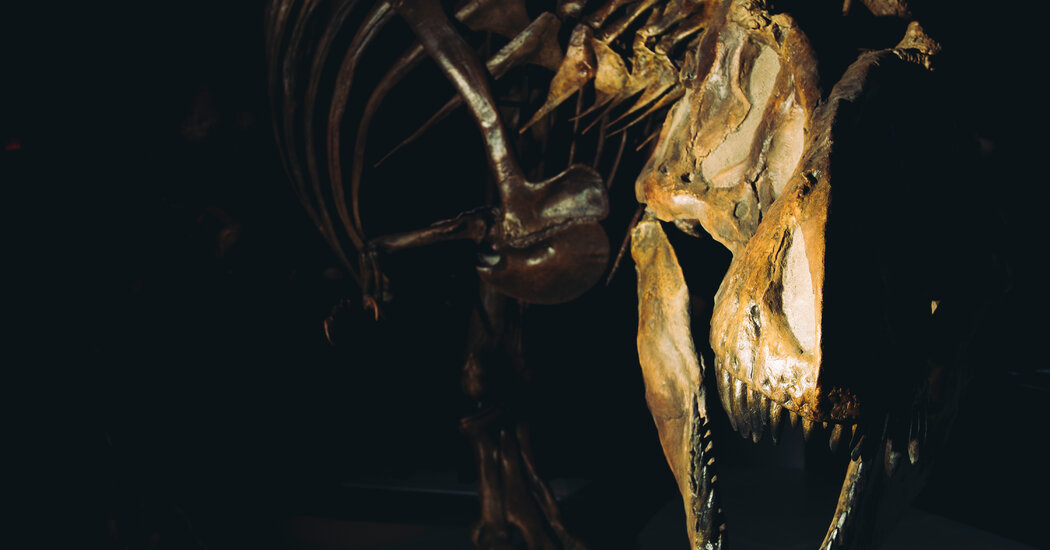
Unveiling the T. Rex's Bone-Crushing Bite

A recent study analyzed bite forces and skull stress in nine species of tyrannosaurs, shedding light on how the T. rex developed its bone-crushing bite. The research revealed that tyrannosaurs gradually increased their biting power over time. Surprisingly, the shape of the snout did not necessarily correlate with skull stress, indicating that earlier, gracile-snouted tyrannosaurs may not have bitten as hard. The study also found that even as juveniles, T. rex had a strong bite force, allowing them to occupy a different ecological niche. The findings highlight the importance of understanding the evolutionary history and development of these apex predators.

science-and-technology2 years ago

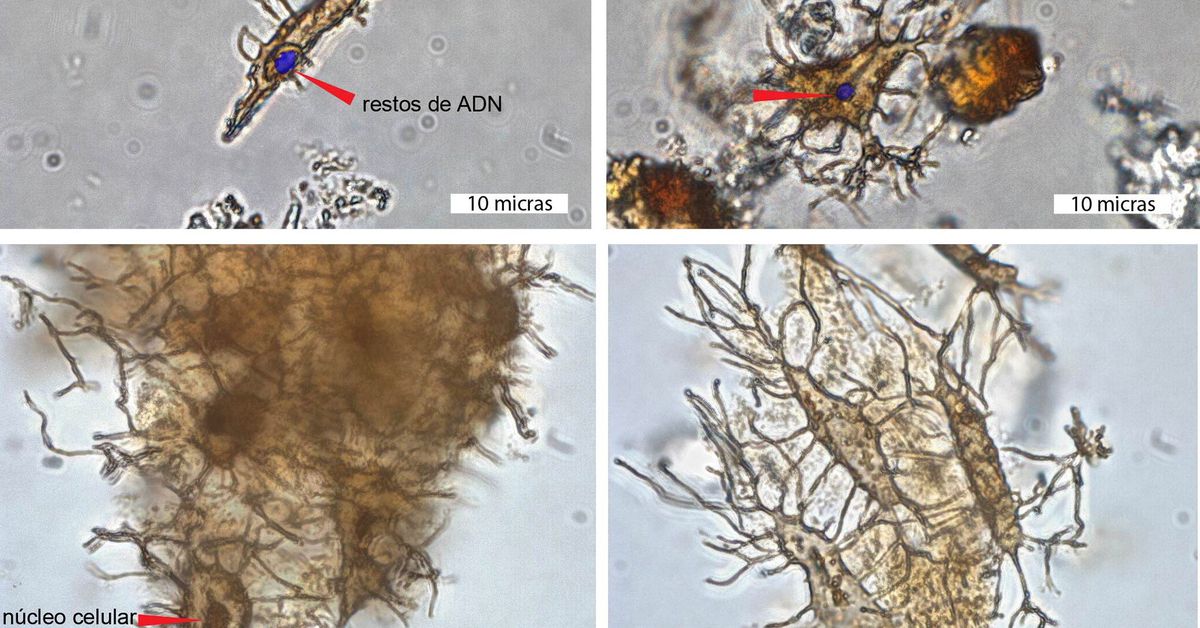
Ancient Turtle Fossil Reveals DNA Remnants

Remnants of DNA have been discovered in a 6 million-year-old fossil of a sea turtle closely related to today's Kemp's ridley and olive ridley turtles, marking a rare find of genetic material in ancient vertebrate fossils. The fossil, excavated in Panama, contained well-preserved bone cells called osteocytes, some of which still had preserved cell nuclei containing traces of DNA. This discovery provides insights into the evolutionary history of the Lepidochelys genus and opens up possibilities for future studies on ancient DNA sequencing.

paleontology2 years ago

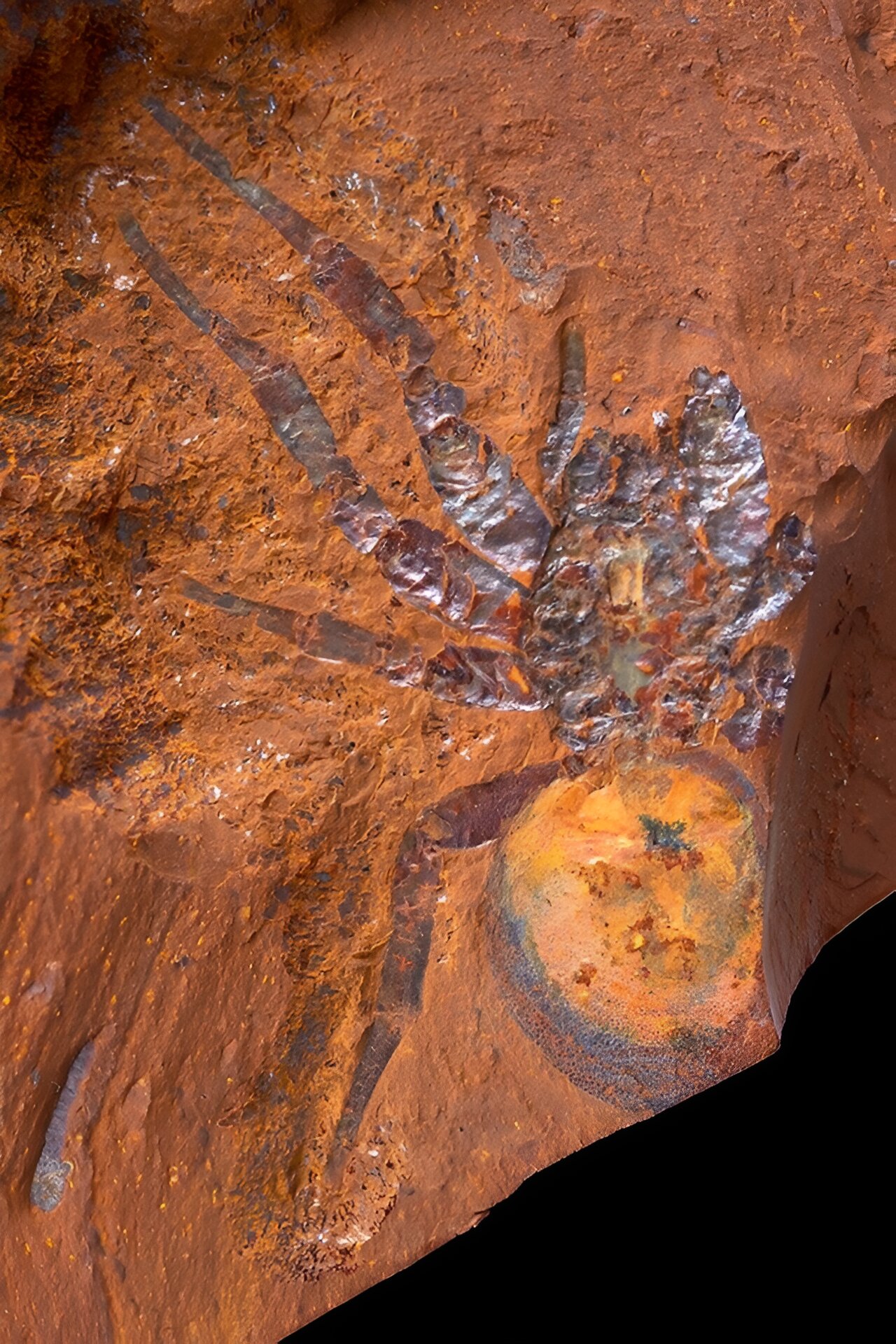
Ancient Australian Spider Fossils Unveil Evolutionary Insights

Australian scientists have discovered and named a new genus of fossil spider, Megamonodontium mccluskyi, which is estimated to be between 11-16 million years old. This is the first spider fossil of the Barychelidae family found in Australia and the largest fossil spider found in the country. The discovery provides valuable insights into the evolutionary history and extinction of spiders in Australia, filling a gap in scientific understanding. The detailed preservation of the fossil allows for the study of minute details, such as the spider's claws and setae.

paleontology2 years ago

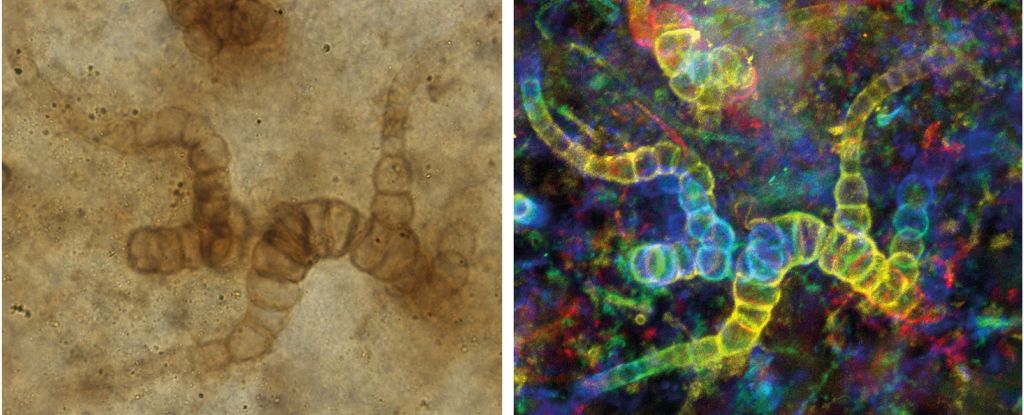
"400-Million-Year-Old Land-Crawling Organism Unearthed"

Fossils discovered in Scotland's Rhynie cherts reveal that an ancient species of cyanobacteria, Langiella scourfieldii, was among the first photosynthesizing bacteria to colonize dry land over 400 million years ago. The 3D reconstructions of the fossils show evidence of branching, indicating that these cyanobacteria thrived in terrestrial environments, including hot springs and wetlands. The findings suggest that cyanobacteria played a crucial role in the early colonization of land by plants and may have competed with them for space. The study highlights the intricate evolutionary history of cyanobacteria and their ability to adapt to various ecological circumstances.