Tag

Extinct Animals

All articles tagged with #extinct animals

Scientists Successfully Retrieve RNA from Extinct Animal

Originally Published 14 days ago — by Earth.com

Featured image for Scientists Successfully Retrieve RNA from Extinct Animal
Source: Earth.com

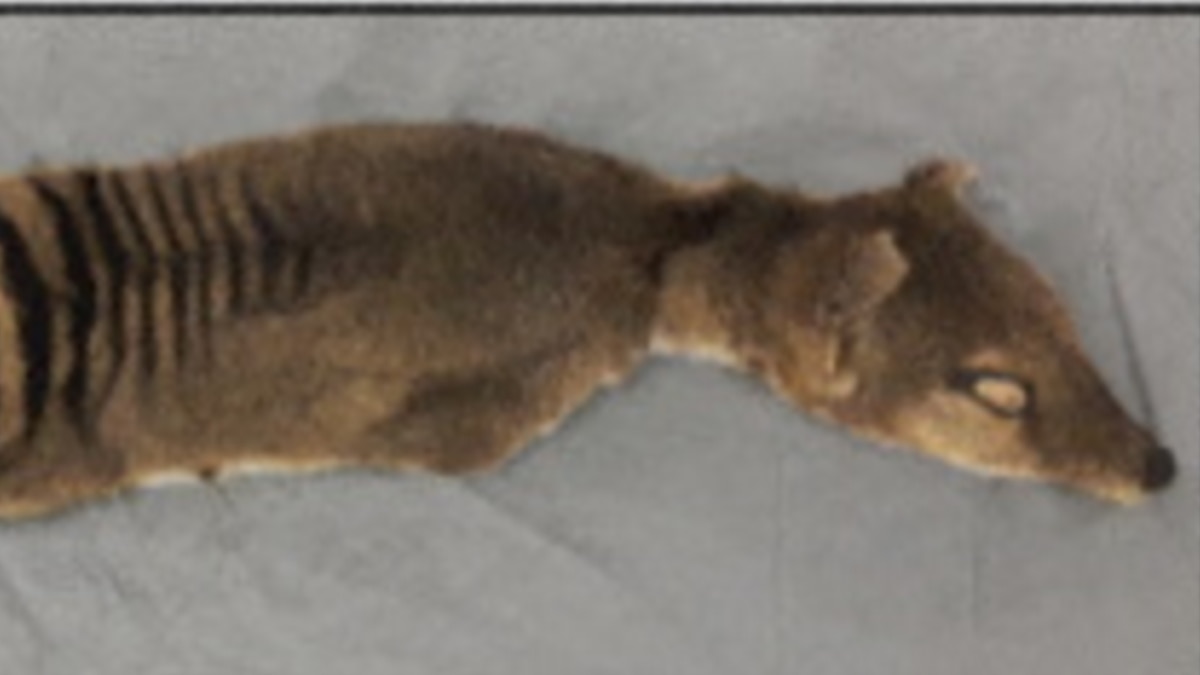
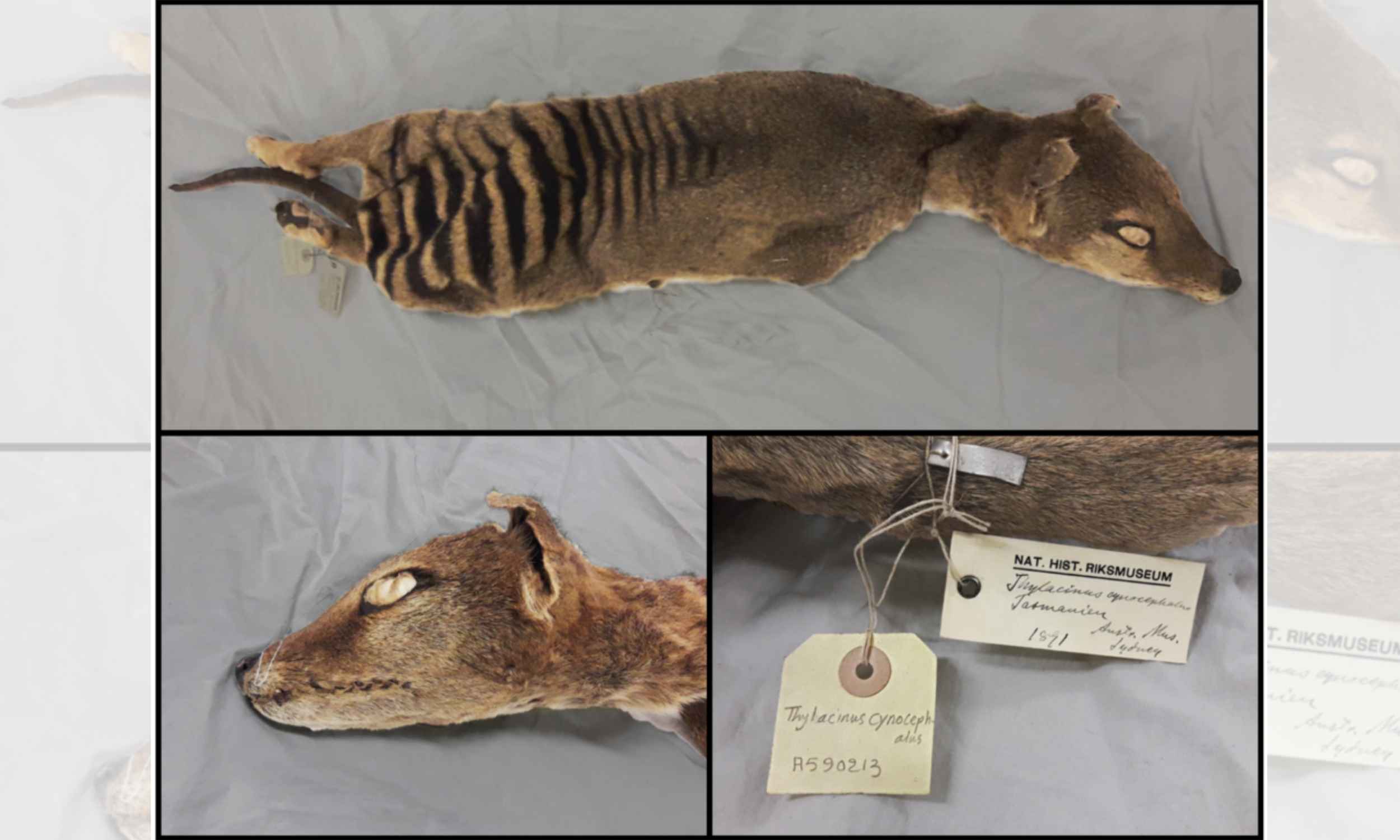
Scientists in Sweden successfully extracted and analyzed RNA from a 130-year-old preserved Tasmanian tiger (thylacine), marking a significant advancement in ancient DNA research by revealing gene activity, tissue-specific signals, and potential viral traces, thus providing deeper insights into extinct species' biology and gene regulation.

Would Dinosaur Meat Be Edible and Tasty?

Originally Published 2 months ago — by IFLScience

Featured image for Would Dinosaur Meat Be Edible and Tasty?
Source: IFLScience

The article explores the possibility of eating dinosaur meat, suggesting that herbivorous dinosaurs like Triceratops and Stegosaurus might have been tasty, while carnivores like T. rex would likely have been unpleasant. Paleontologist Steve Brusatte believes dinosaur meat could have been edible and enjoyable, though some species might have been toxic. The article also discusses modern poisonous birds and their toxins, which are acquired through diet, raising questions about the safety of consuming ancient creatures.

The Largest Mammal Ever Outshines African Elephants

Originally Published 4 months ago — by IFLScience

Featured image for The Largest Mammal Ever Outshines African Elephants
Source: IFLScience

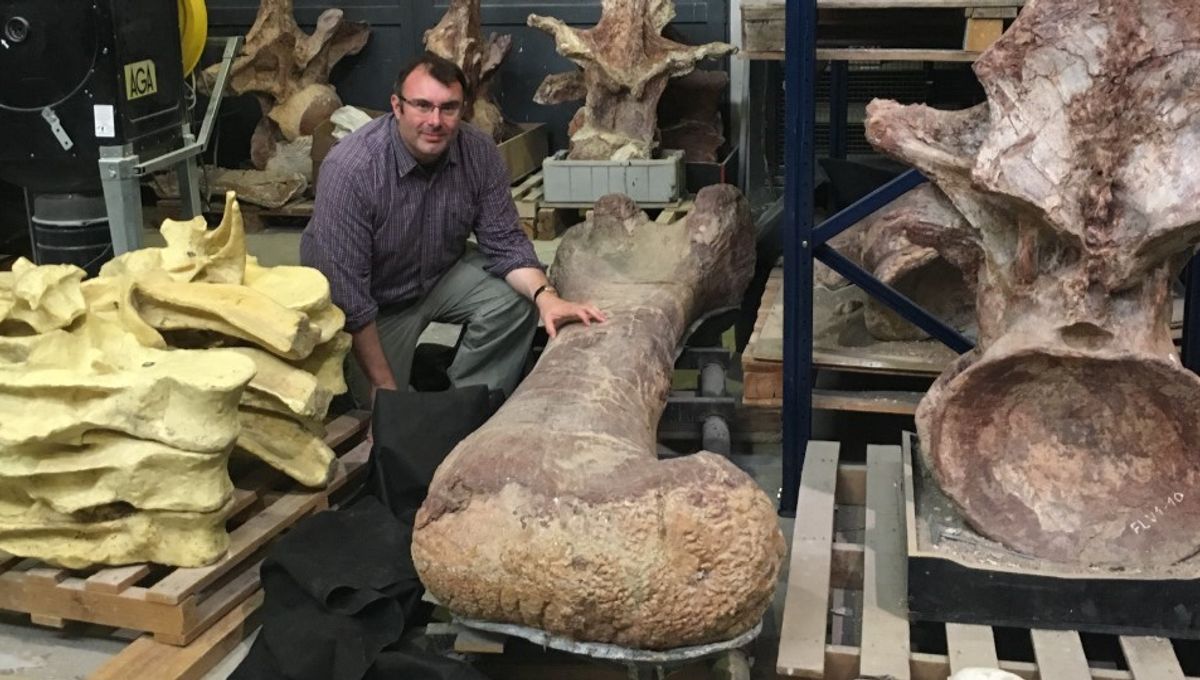
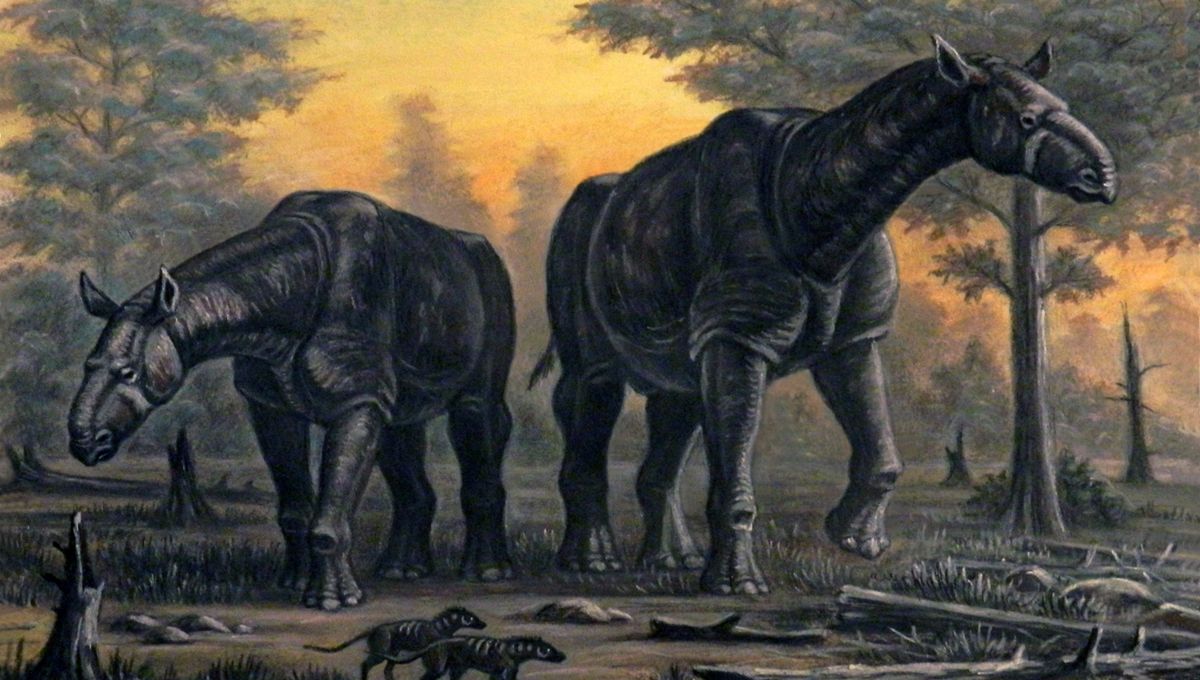
Paraceratherium, an extinct hornless rhino from Asia, is considered the largest land mammal ever, measuring about 7.4 meters in length, 4.8 meters in shoulder height, and weighing around 17 tonnes, surpassing modern elephants and other prehistoric giants, though some debate its exact size due to incomplete fossil records.

"Lost World: Wisconsin's Prehistoric Extinct Animals Revealed"

Originally Published 2 years ago — by Milwaukee Journal Sentinel

Featured image for "Lost World: Wisconsin's Prehistoric Extinct Animals Revealed"
Source: Milwaukee Journal Sentinel

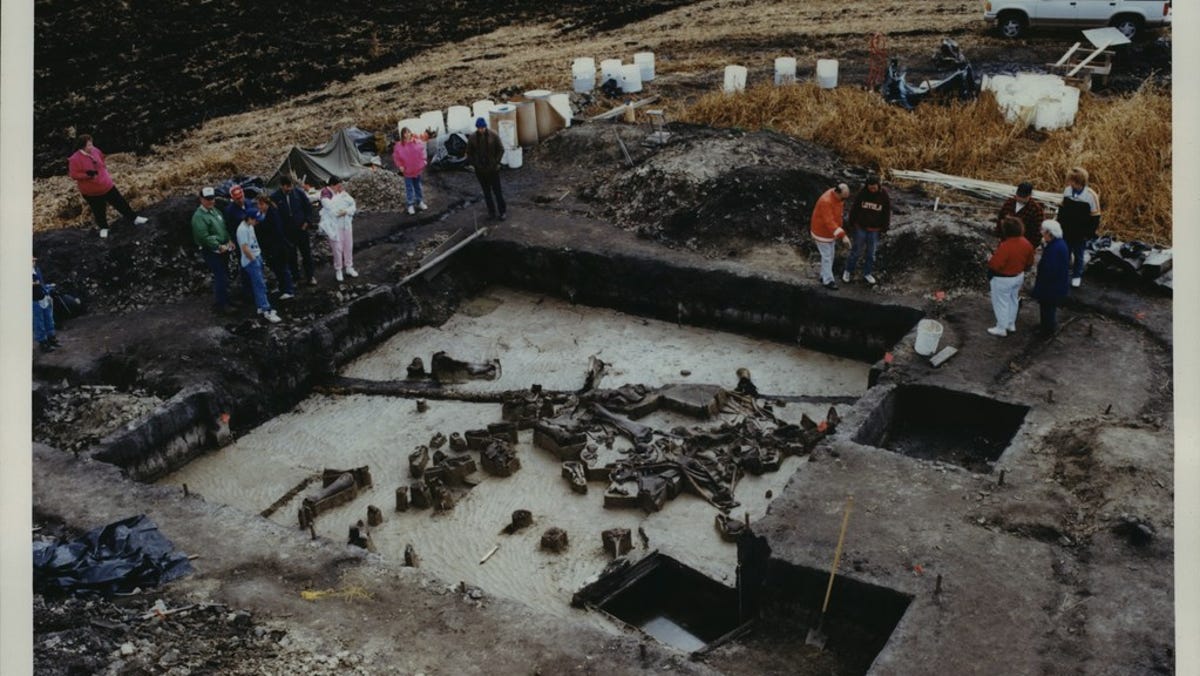
A recent study suggests that volcanic eruptions may have already threatened the existence of dinosaurs before the asteroid collision that killed them off. In Wisconsin, during the Cambrian period, giant jellyfish up to three feet wide roamed the waters. The state was also home to ancient coral reefs, trilobites, and a tentacled relative of octopi called the giant nautilus. The Conodont Panderodus, a fish with fangs, lived in Waukesha County during the Silurian era. Mammoths and mastodons, ancient relatives of elephants, roamed Wisconsin during the Ice Age and may have interacted with humans.

"Dinosaur Lifespan: Unraveling the Mystery of Extinct Giants"

Originally Published 2 years ago — by IFLScience

Featured image for "Dinosaur Lifespan: Unraveling the Mystery of Extinct Giants"
Source: IFLScience

The lifespan of dinosaurs varied depending on their size, with larger dinosaurs living longer than smaller ones. By studying growth rings in bones, scientists can estimate the age of dinosaurs. It is believed that very large sauropod dinosaurs took about 30 to 35 years to reach maximum size and may have lived for an additional 30 to 50 years. Smaller dinosaurs, such as ornithopods, reached their full size at around four to five years and likely had shorter lifespans. Contrary to previous assumptions, dinosaurs grew rapidly and did not live as long as previously thought.

"Scientists Extract Genetic RNA from Extinct Tasmanian Tiger, Paving the Way for Species Resurrection"

Originally Published 2 years ago — by VOA Learning English

Featured image for "Scientists Extract Genetic RNA from Extinct Tasmanian Tiger, Paving the Way for Species Resurrection"
Source: VOA Learning English

Scientists have successfully recovered genetic material, specifically ribonucleic acid (RNA), from the remains of an extinct Tasmanian tiger. This breakthrough discovery provides valuable insights into the biology and genetic activity of these creatures before their extinction. The recovered RNA came from skin and muscle samples stored since 1891 in a museum in Stockholm, Sweden. This is the first time RNA has been recovered from an extinct animal, and it could aid in understanding the gene complements and active genes of extinct species. While there are challenges in using genetic processes to recreate extinct animals, further research on the biology of these extinct animals is advocated.

"North America's Ancient Giants: 8 Massive Ice Age Animals"

Originally Published 2 years ago — by History

Featured image for "North America's Ancient Giants: 8 Massive Ice Age Animals"
Source: History

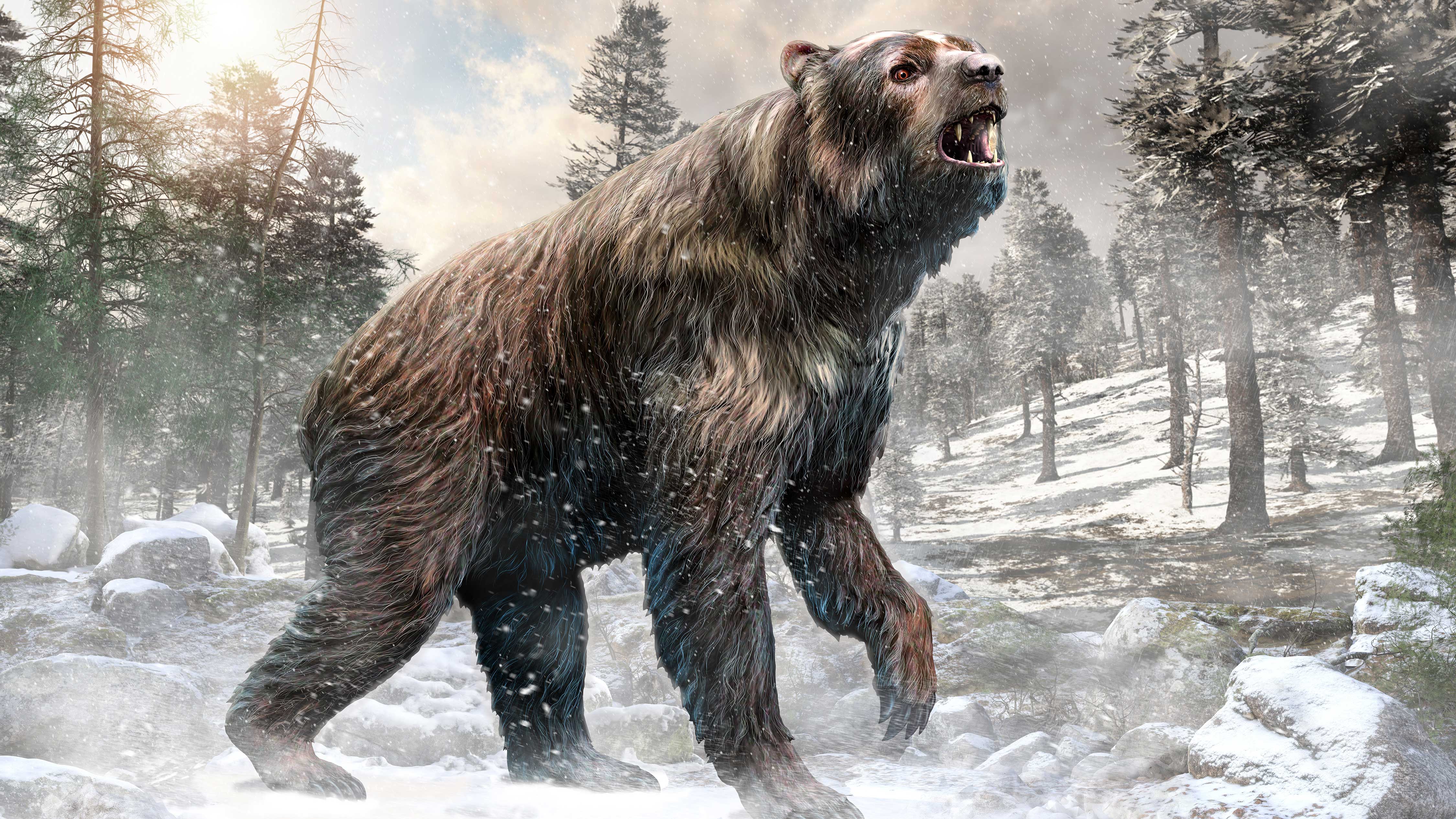
During the Ice Age, North America was home to a variety of massive animals known as megafauna. These included the giant short-faced bear, saber-toothed tiger, dire wolf, mammoth, giant ground sloths, camelops, giant beaver, and American zebra. Most of these species went extinct around 10,000 years ago, possibly due to overhunting by early humans or a sudden climate shift. These extinct giants provide insights into the diverse and unique wildlife that once roamed North America.