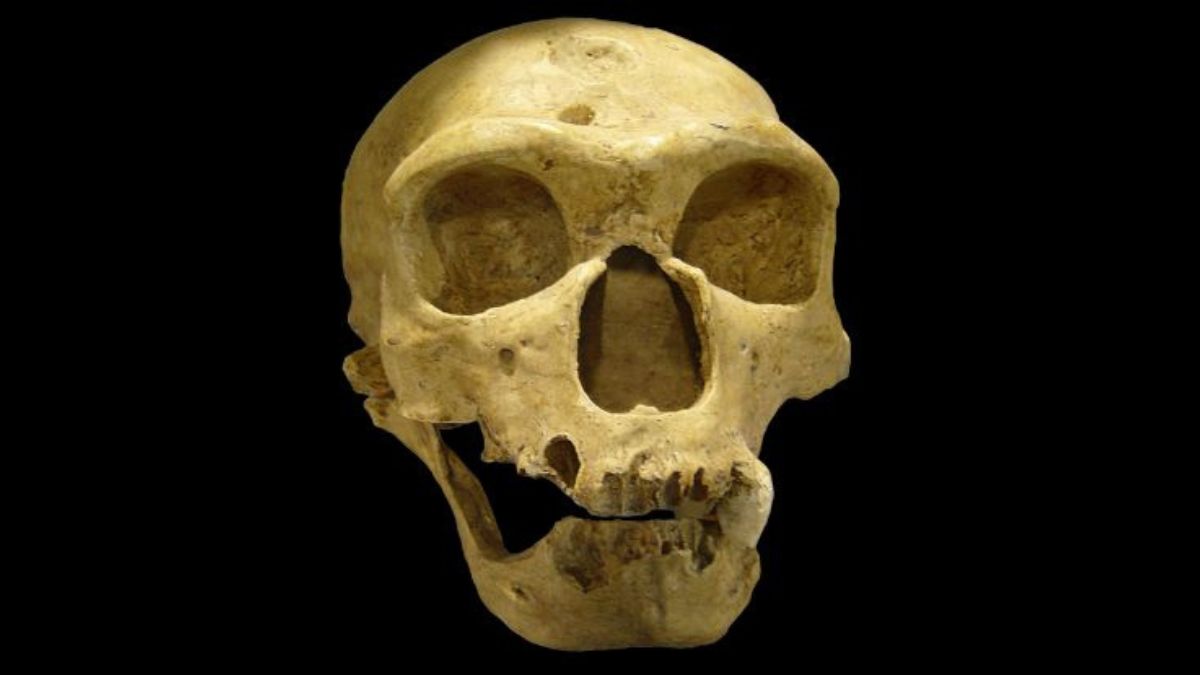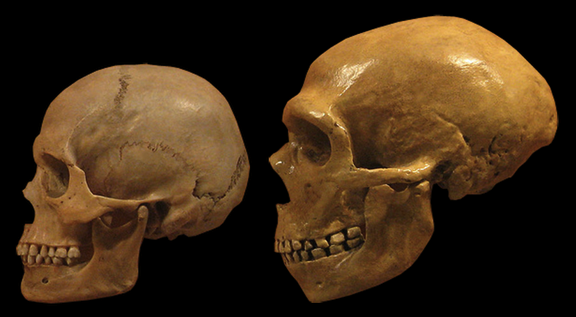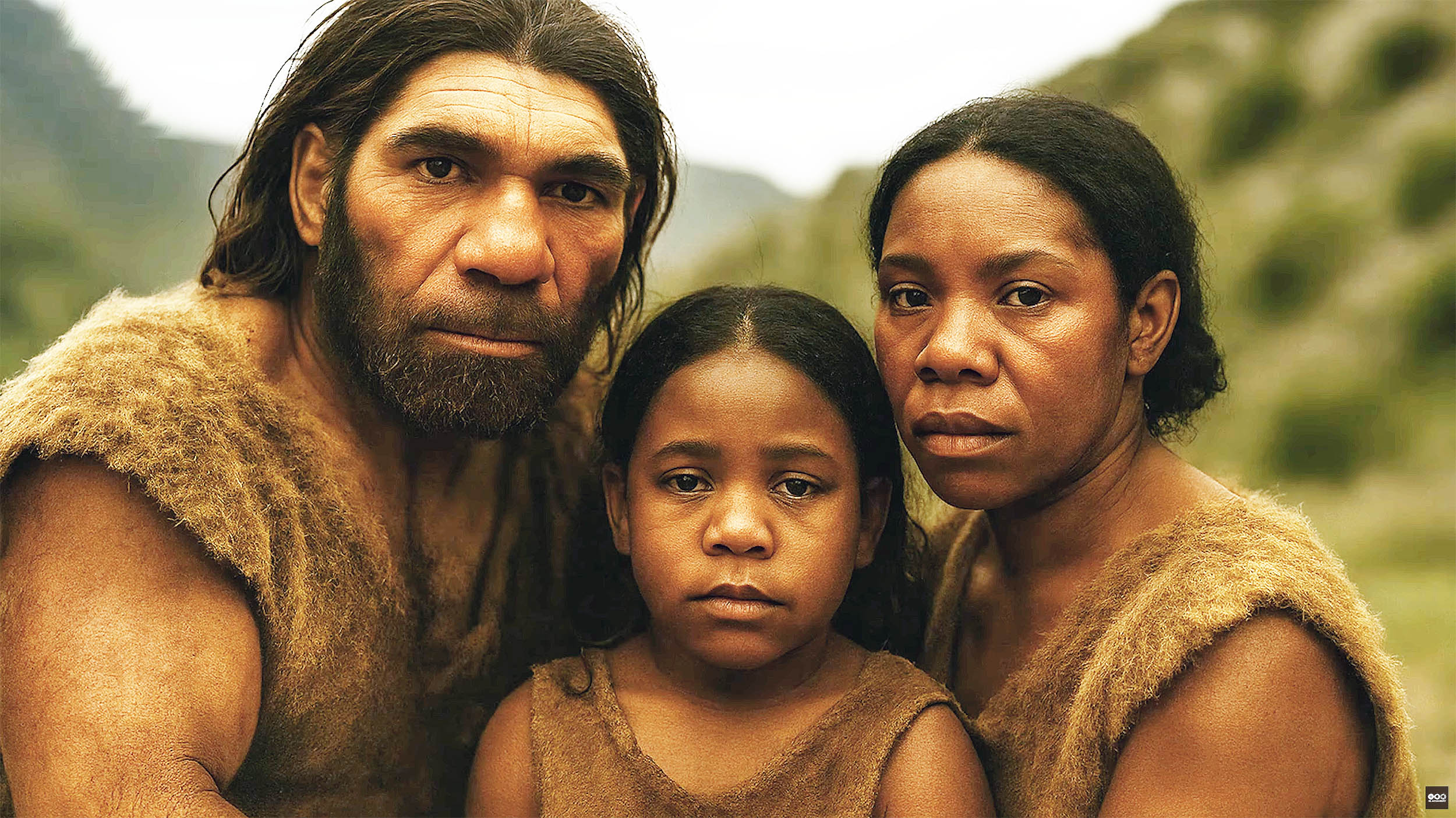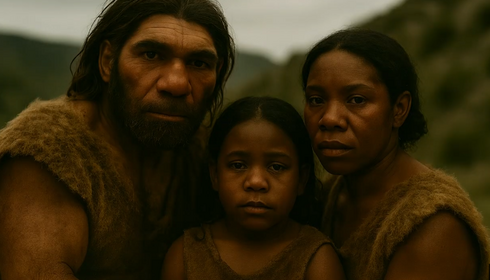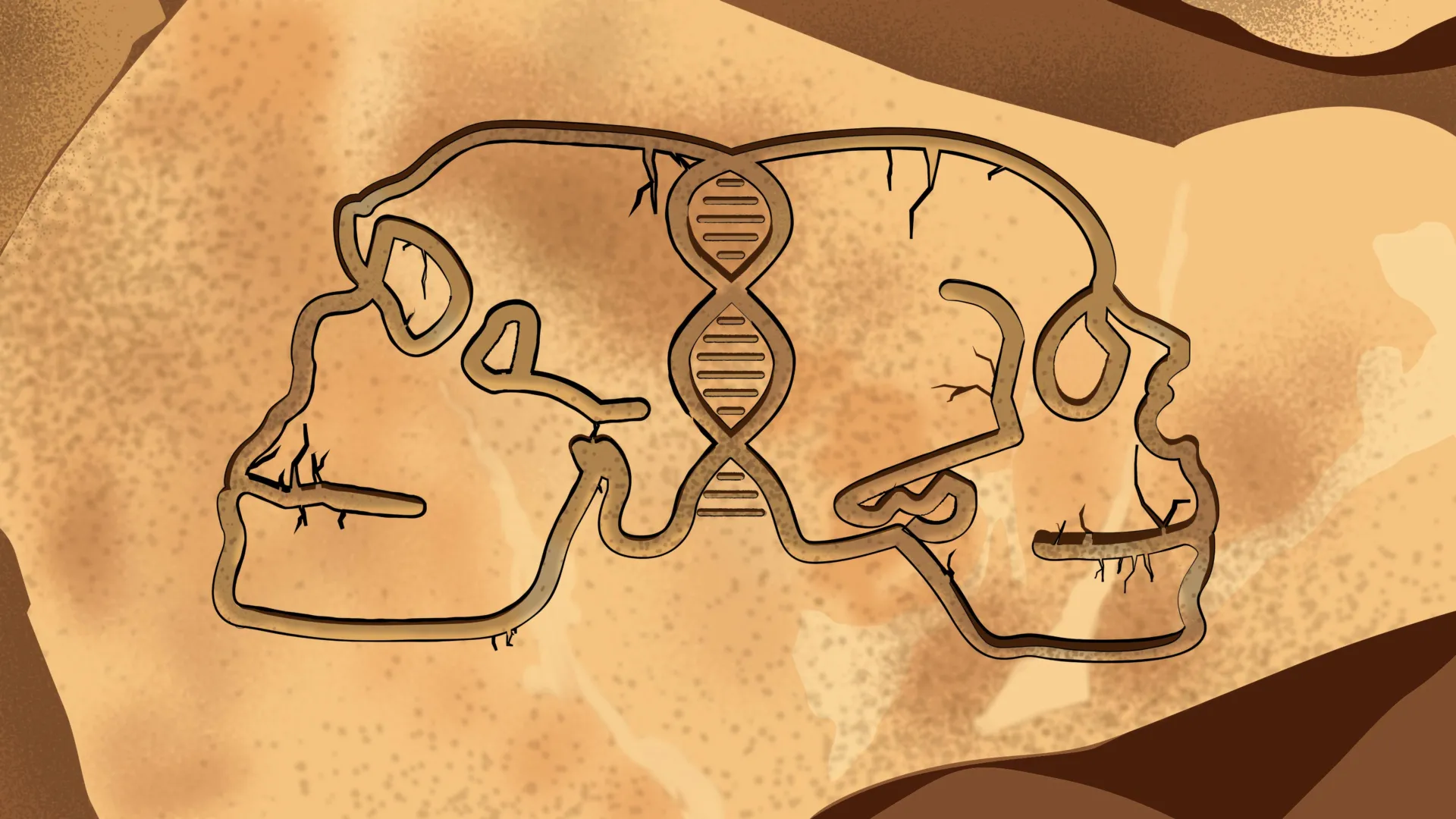
New research suggests Neanderthals may never have fully gone extinct but instead were gradually absorbed into Homo sapiens through interbreeding, with their genes still present in modern humans, challenging traditional views on their disappearance.
A new study using a mathematical model suggests that the disappearance of Neanderthals could be explained solely by genetic dilution resulting from repeated small-scale interbreeding with modern humans over thousands of years, without the need for catastrophic events.
Scientists have found evidence at Skhul Cave in Israel suggesting that interbreeding between Neanderthals and Homo sapiens occurred around 140,000 years ago, predating previous estimates by nearly 100,000 years, indicating a long period of coexistence and genetic mingling between the two species.
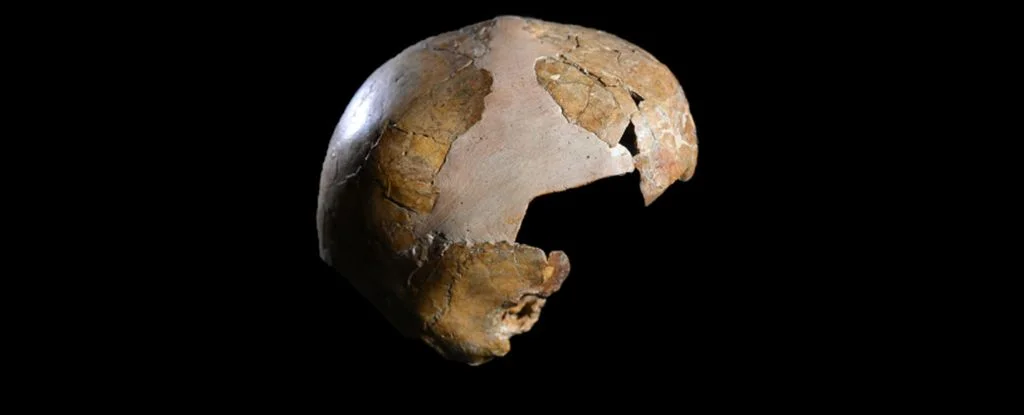
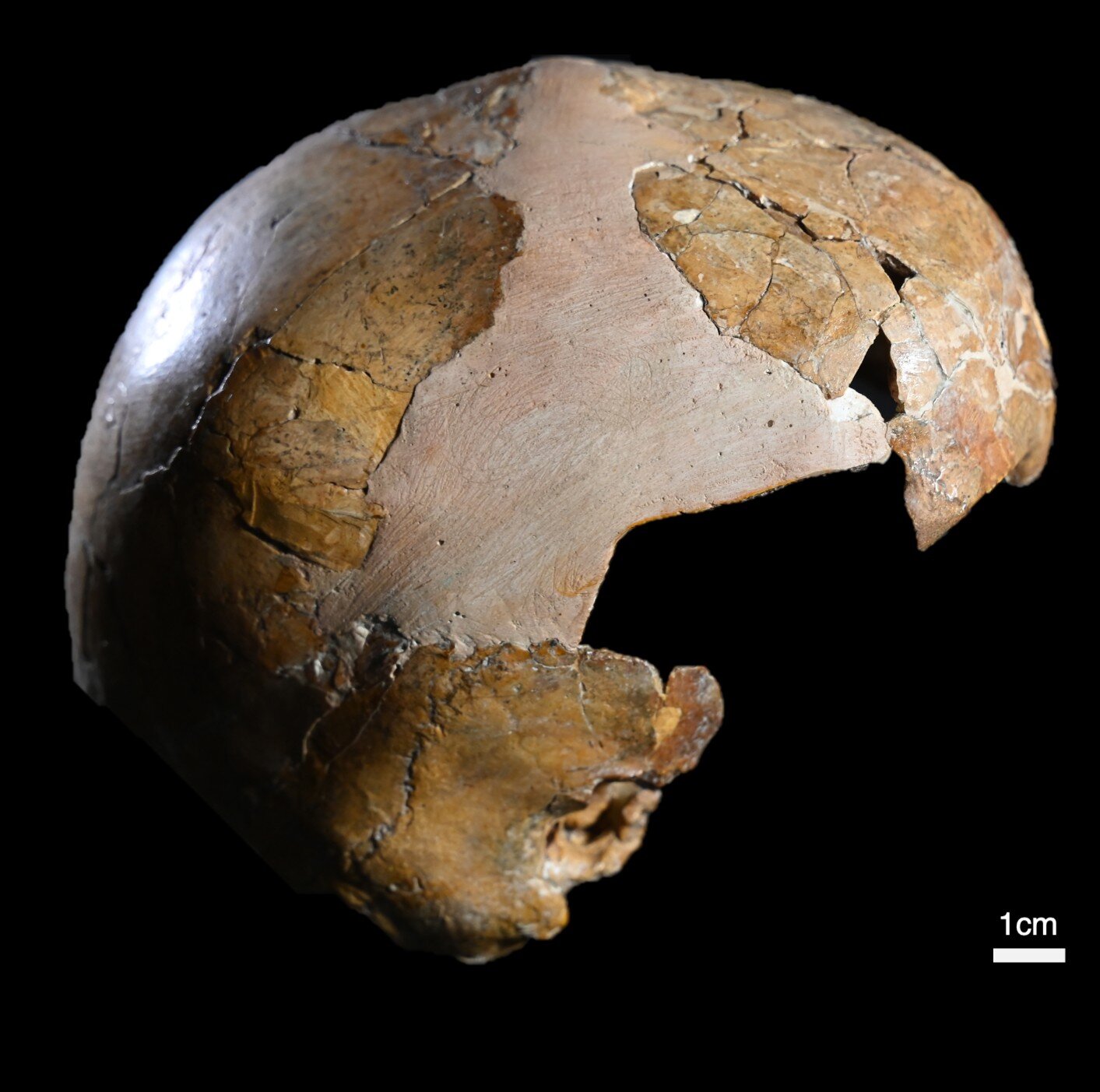
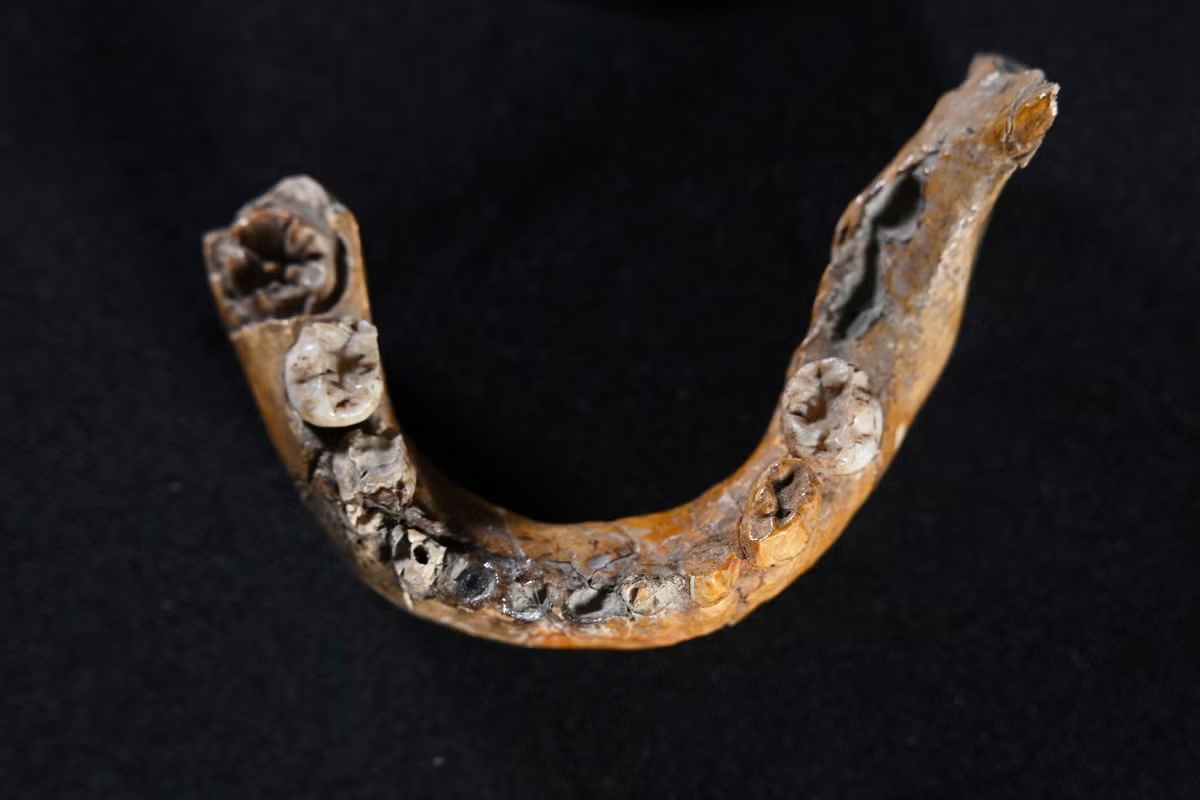
A re-analysis of a 140,000-year-old child's skeleton from Skhul Cave suggests early contact and possible interbreeding between humans and Neanderthals, challenging previous timelines and highlighting the region as a long-term contact zone.
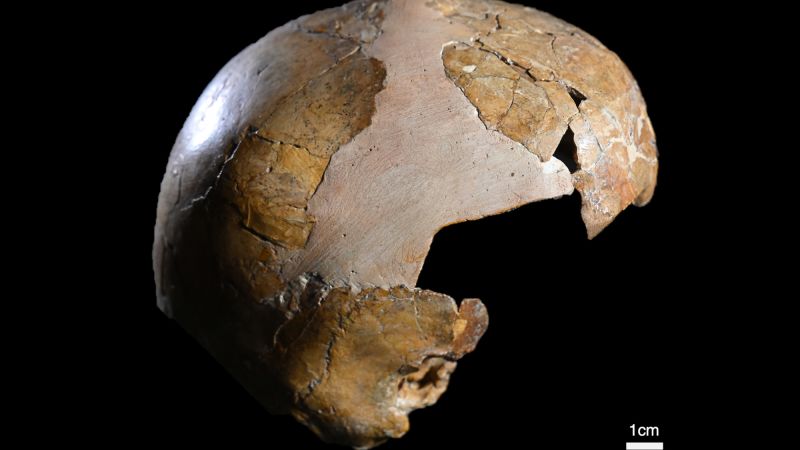
A 140,000-year-old child's skull from Israel shows evidence of interbreeding between Neanderthals and modern humans, challenging previous timelines and suggesting prolonged contact between the two species in the region.
A 140,000-year-old fossil from Skhul Cave provides the earliest evidence of interbreeding between Neanderthals and Homo sapiens, showing a mix of traits and indicating social and biological relations between the two groups in the Land of Israel.
Researchers used advanced 3D imaging to study the bones of a 140,000-year-old child from Israel, revealing evidence of interbreeding between early humans and Neanderthals much earlier than previously thought, challenging assumptions about their interactions and coexistence.
Scientists in Israel discovered the oldest known mixed human-Neanderthal fossil, a 140,000-year-old child's skeleton showing traits of both species, providing evidence of interbreeding and social ties between Neanderthals and early Homo sapiens in the region.
Israeli archaeologists reanalyzed a 140,000-year-old child skull from Skhul Cave, revealing the earliest evidence of interbreeding between Neanderthals and Homo sapiens, predating previous genetic evidence by over 80,000 years, and indicating early gene flow in the Middle East.
Research indicates that interbreeding between Denisovans and early modern humans contributed to the genetic makeup of present-day humans, with evidence of multiple interbreeding events and Denisovan-derived genes providing survival advantages in various environments. Future studies aim to uncover more about Denisovan influence through genetic and archaeological research.
A Princeton-led study using AI and genetic analysis reveals multiple waves of interbreeding between modern humans and Neanderthals over the past 200,000 years, challenging previous models of human migration and suggesting Neanderthals were gradually absorbed into modern human populations rather than abruptly extinct.
Scientists have identified the Zagros Mountains in Iran, northern Iraq, and southeastern Turkey as the likely location where Homo sapiens and Neanderthals interbred during the Late Pleistocene, supported by archaeological and genetic evidence. This interbreeding contributed 1-4% of Neanderthal DNA to non-African humans today, influencing various physical traits and health aspects.
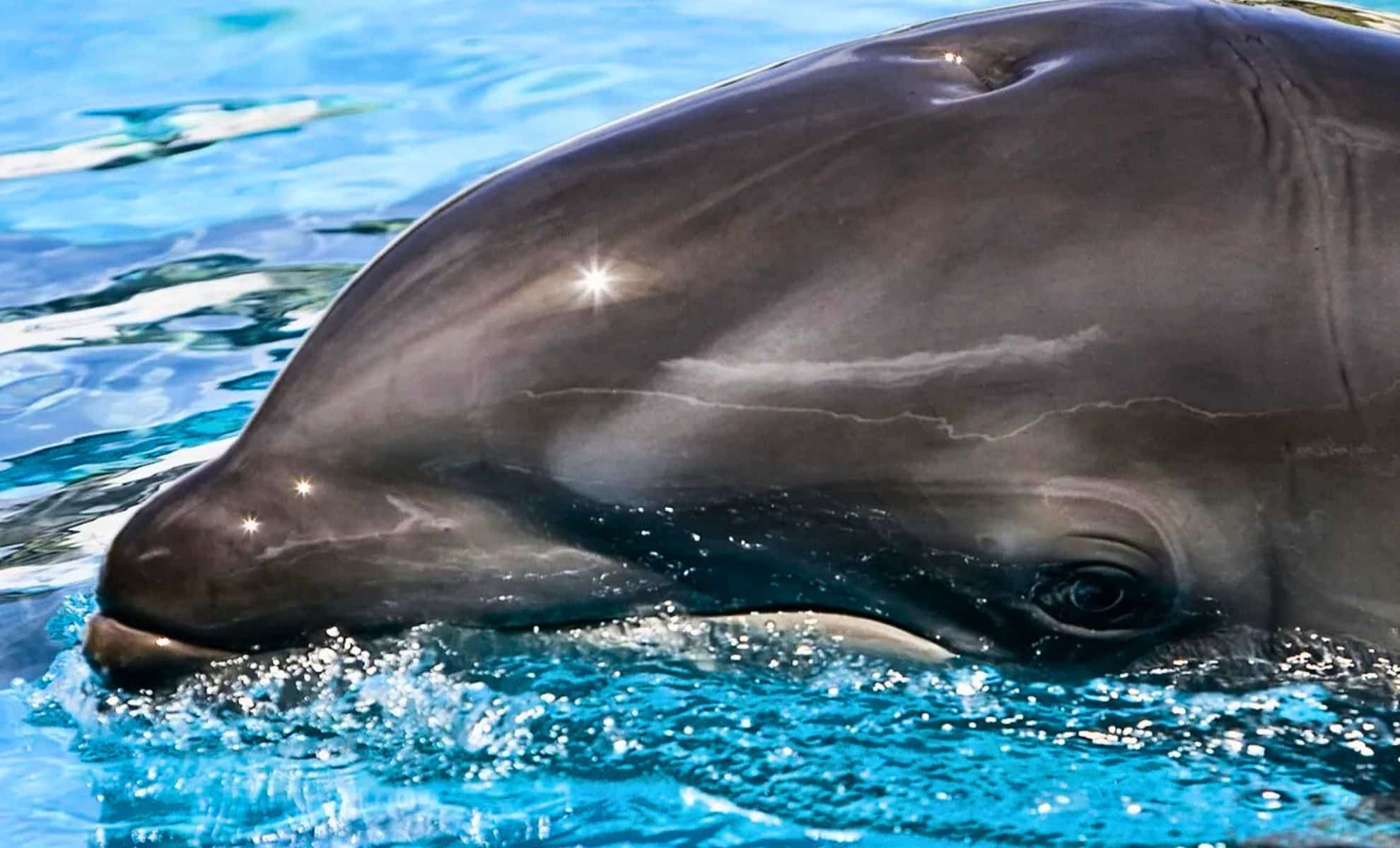
In 1985, a rare hybrid marine mammal called Kekaimalu was born from a bottlenose dolphin and a false killer whale at Sea Life Park in Hawaii. She exhibited traits of both species and was able to reproduce, producing a surviving calf in 2004, which is unusual for interspecies hybrids. The case provides insights into hybrid genetics and the effects of captivity on interspecies breeding, although such hybrids are not observed in the wild.
New research has refined the timeline of interbreeding between modern humans and Neanderthals, indicating it began around 50,500 years ago and lasted for about 7,000 years. This gene flow left non-African populations with 1-2% Neanderthal ancestry, contributing beneficial traits like immune resilience and skin pigmentation. The study also identified "Neanderthal deserts" in human genomes, areas devoid of Neanderthal genes likely due to lethal gene variants, enhancing our understanding of human adaptation and migration.
Researchers have pinpointed the time frame when humans and Neanderthals interbred to around 45,000 years ago, using ancient genetic data from bone fragments found in Europe. This research, published in Science and Nature, reveals that Neanderthal DNA has influenced modern human traits such as immunity, metabolism, and physical characteristics. The study highlights the lasting genetic legacy of Neanderthals and suggests future research could further unravel the complexities of human ancestry.