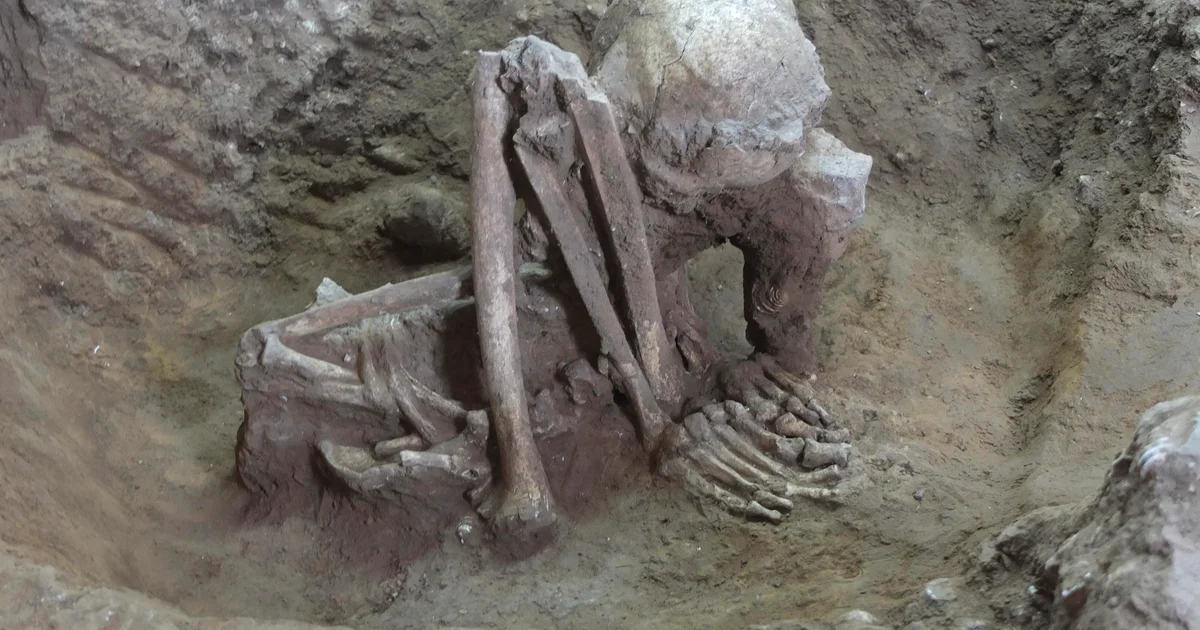
Scientists have discovered what are believed to be the world's oldest mummies in southeastern Asia, dating back up to 12,000 years, created through a smoke-drying process by ancient hunter-gatherer communities, revealing a long-standing tradition of preserving and honoring ancestors.

A meteorite that struck a house in Georgia may be over 4.56 billion years old, potentially older than Earth, and is classified as an ancient Low Metal (L) ordinary Chondrite, originating from a breakup of a larger asteroid in the asteroid belt.
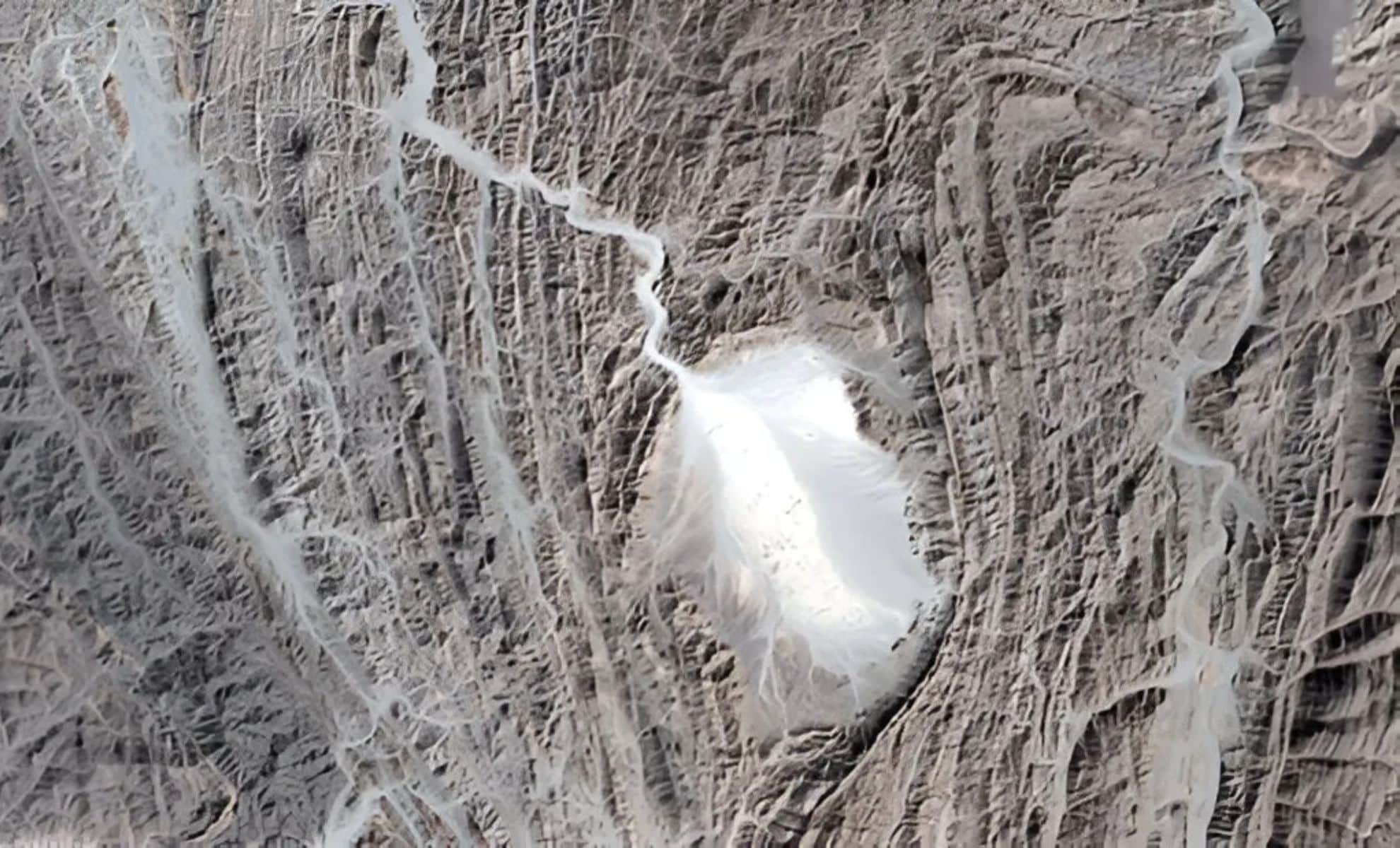
Geologists have discovered a 400-mile-long chain of fossilized volcanoes beneath the Sichuan Basin in southern China, dating back around 800 million years. This find sheds light on early Neoproterozoic tectonic activity, particularly the process of flat-slab subduction, and has implications for understanding Earth's geological history and climate regulation during that era.
Researchers from Oxford identified a 2,500-year-old mysterious substance found in a bronze jar near Pompeii as honey, revealing it was a gift to an unknown Greek deity, and highlighting honey's significance in ancient rituals and symbolism of immortality.
Scientists discovered the oldest known fossilized animal sperm, preserved in a 50-million-year-old cocoon from Antarctica, providing new insights into early life and evolution. The find, related to earthworm and leech ancestors, was accidental and offers a rare glimpse into soft-bodied microorganisms from the past.
Scientists have discovered 3I/ATLAS, an interstellar comet over seven billion years old, providing new insights into the early universe and challenging existing models of cosmic history. The discovery, made by the ATLAS telescope, serves as a valuable test for the Ōtautahi–Oxford Model and promises to increase our understanding of interstellar objects, especially with upcoming observations from the Vera C. Rubin Observatory.
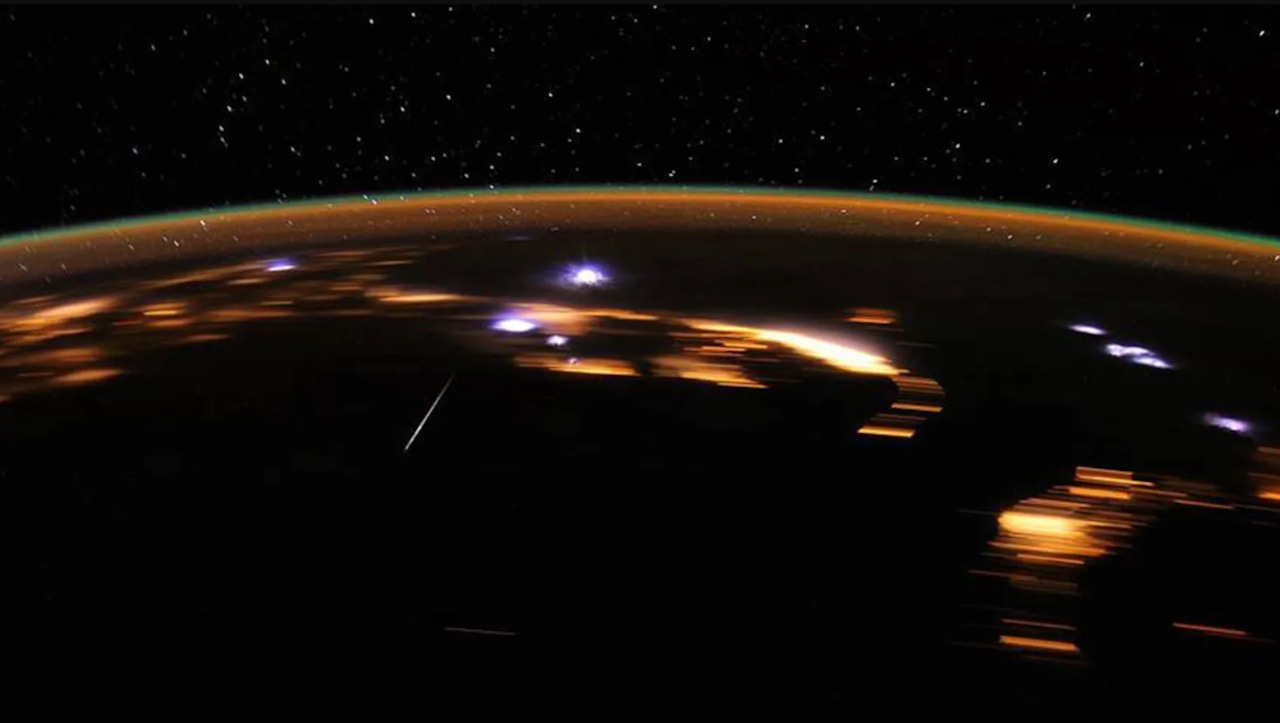
The ancient Lyrids meteor shower, one of the oldest known meteor showers on record, will light up the spring skies this month, following the recent total solar eclipse. Returning annually in April, the Lyrids mark the end of a several-month meteor shower drought and have been observed since 687 BC, according to NASA.
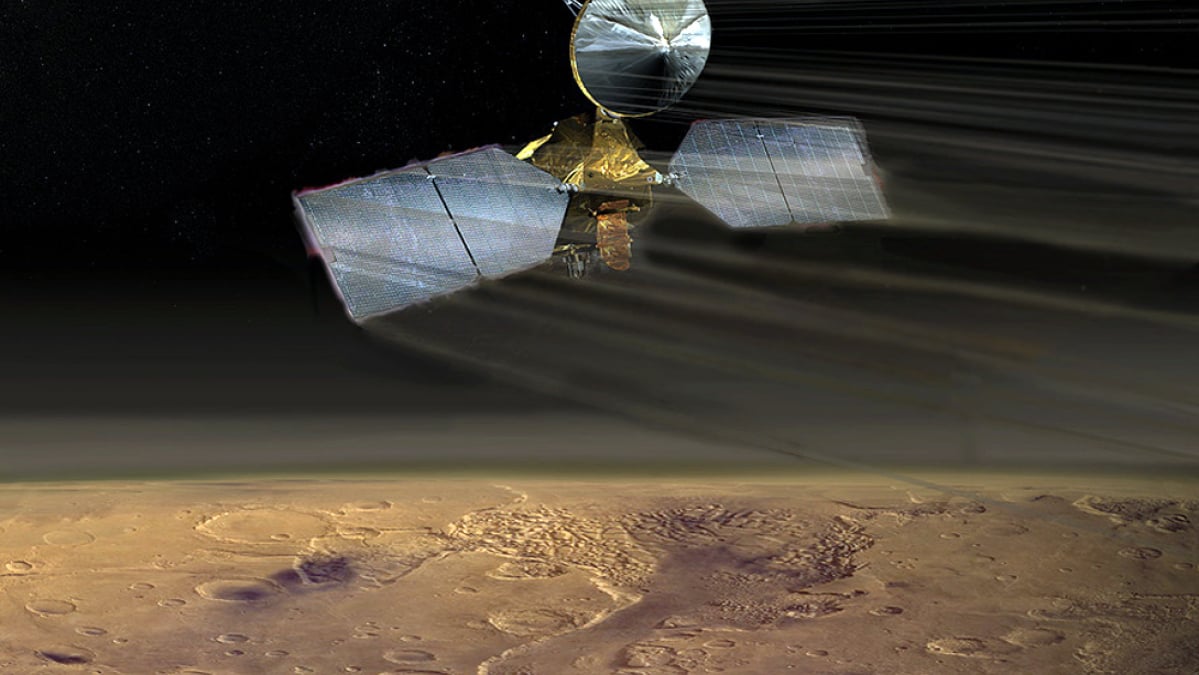
NASA's Mars Reconnaissance Orbiter has captured an image showing evidence of ancient rivers on Mars, indicating that the planet once teemed with water billions of years ago. The snapshot reveals ridges in Aeolis Planum, showcasing the meandering forms of dried-up rivers and the geological phenomenon of inverted channels. While Mars is now an intensely dry, desert world, NASA's Perseverance rover is currently searching for potential signs of past primitive life on the Red Planet, and the space agency is investigating the potential for a compact Mars plane to further explore the Martian surface.
Exceptionally preserved 350 million-year-old tree fossils discovered in Canada reveal bizarre bushy trees unlike anything seen before, with a dense canopy of more than 250 leaves crowded around the top of a spindly, unbranched trunk. Named Sanfordiacaulis, these trees likely evolved their spiral layout to maximize sunlight for photosynthesis and may represent an evolutionary experiment from the Carboniferous period that eventually failed. The discovery challenges our understanding of ancient tree architecture and sheds light on the diverse experimentation in the plant kingdom during deep time.
Archaeologists in Denmark have discovered a small iron knife with runic letters dating back almost 2,000 years, making it the oldest trace of writing found in the country. The five runic letters spell out the word "hirila," meaning "small sword" in the Proto-Norse language, and the knife will go on display at the Montergarden museum. This discovery sheds light on the development of the oldest known language in Scandinavia and how people interacted with each other during that time.
Researchers have discovered a 3,000-year-old stone disk near an ancient hill fort in northeastern Italy, which they believe may be an ancient celestial map marking the brightest stars in the night sky. However, astronomer Ed Krupp disagrees, stating that the relationship between the carved markings on the stone and the brightest stars may be accidental. The study's authors argue that the markings accurately correspond to the positions of bright stars, but one mark corresponds to no known star, leading to speculation that it may represent a supernova.
Scientists in Japan have discovered a new species of mosasaur, called Megapterygius wakayamaensis, which lived over 72 million years ago. The nearly complete skeleton of this colossal marine lizard, nicknamed the Wakayama 'blue dragon', was found in Wakayama and is unlike any other mosasaur previously discovered. Its unique body morphology, including unusually long paddle-shaped flippers and possible dorsal fin, challenges our understanding of how mosasaurs swam and hunted. The study sheds light on the diversity and adaptations of these ancient ocean predators.
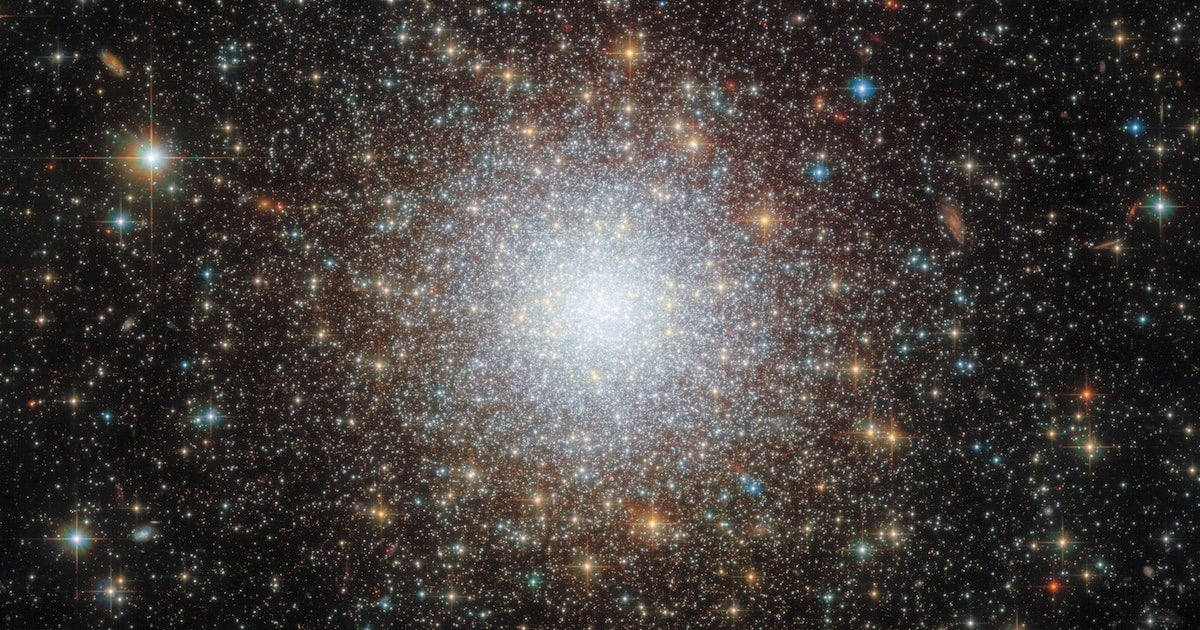
The Hubble Space Telescope has captured a stunning image of an ancient globular cluster located in the Large Magellanic Cloud, about 157,000 light-years from Earth. These clusters, packed with thousands or even millions of stars, provide clues about the early universe. The cluster, called NGC 2210, is estimated to be around 11.6 billion years old, making it just a few billion years younger than the universe itself. Other clusters in the Large Magellanic Cloud may be even older, with some exceeding 13 billion years in age.
Researchers have dated ancient human footprints found in White Sands National Park, New Mexico, to at least 20,000 years ago, challenging the previous belief that humans arrived in the Americas around 14,000 years ago. Some scientists were skeptical of the footprints' age and the dating methods used. However, new evidence, including radiocarbon dating of pollen grains and optically stimulated luminescence dating of sediment, supports the original date of the footprints. The data strongly indicate human presence in the Americas around 20,000 years ago, but some experts still require further evidence to accept the footprints' age.
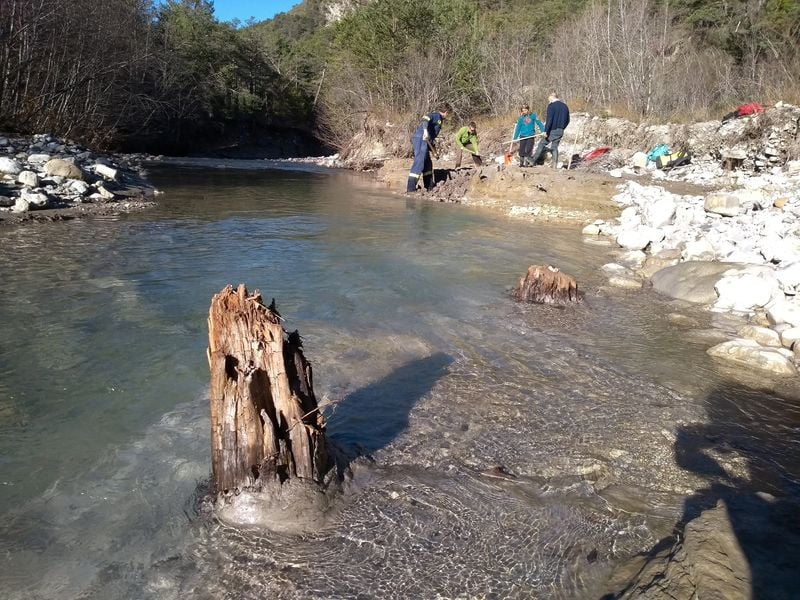
Tree rings from ancient Scots pine trees in the French Alps have revealed evidence of the largest-known solar storm, which occurred 14,300 years ago during the last Ice Age. The solar storm, characterized by a burst of energetic particles from the sun, would have caused significant damage to satellites and electricity grids if it had occurred today. The storm resulted in a spike in radiocarbon levels detected in the tree rings, indicating the absorption of high-energy particles into the trees' tissue. The study highlights the potential catastrophic impact of solar storms on modern society, including nationwide blackouts, damage to satellites, and radiation risks to astronauts and aviation.