Tag

Webb Telescope

All articles tagged with #webb telescope

Webb Unmasks Progenitor of Nearby Supernova in NGC 1637
science10 days ago

Webb Unmasks Progenitor of Nearby Supernova in NGC 1637

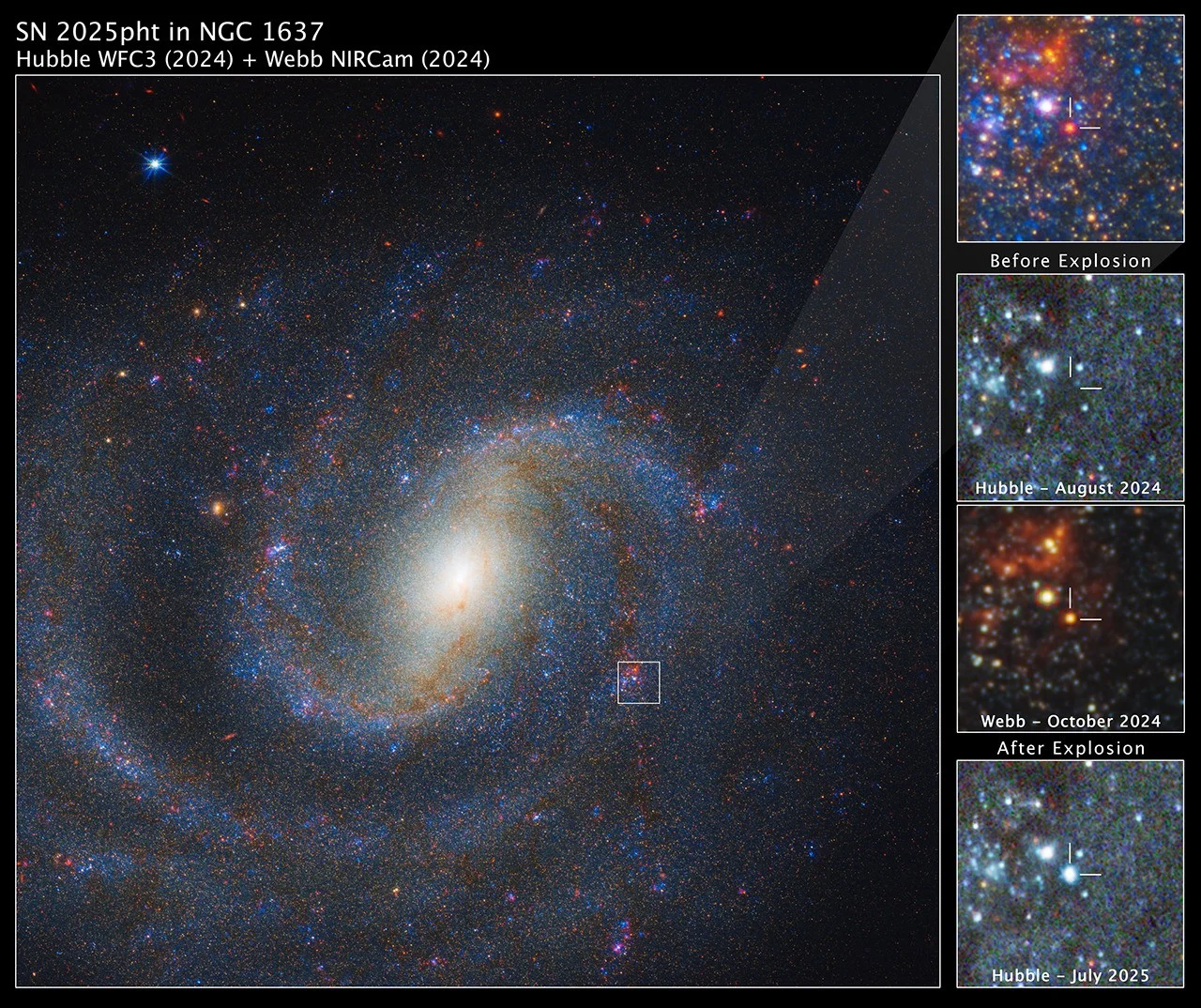
NASA’s James Webb Space Telescope, combined with archival Hubble data, identified the red supergiant star that exploded as supernova SN 2025pht in the galaxy NGC 1637—Webb’s first published detection of a supernova progenitor. The progenitor appeared unusually red due to surrounding dust, supporting ideas that dusty, massive stars can be missed in pre-explosion imaging. The dust is likely carbon-rich, prompting future searches for similar progenitors, including with the upcoming Roman Space Telescope.
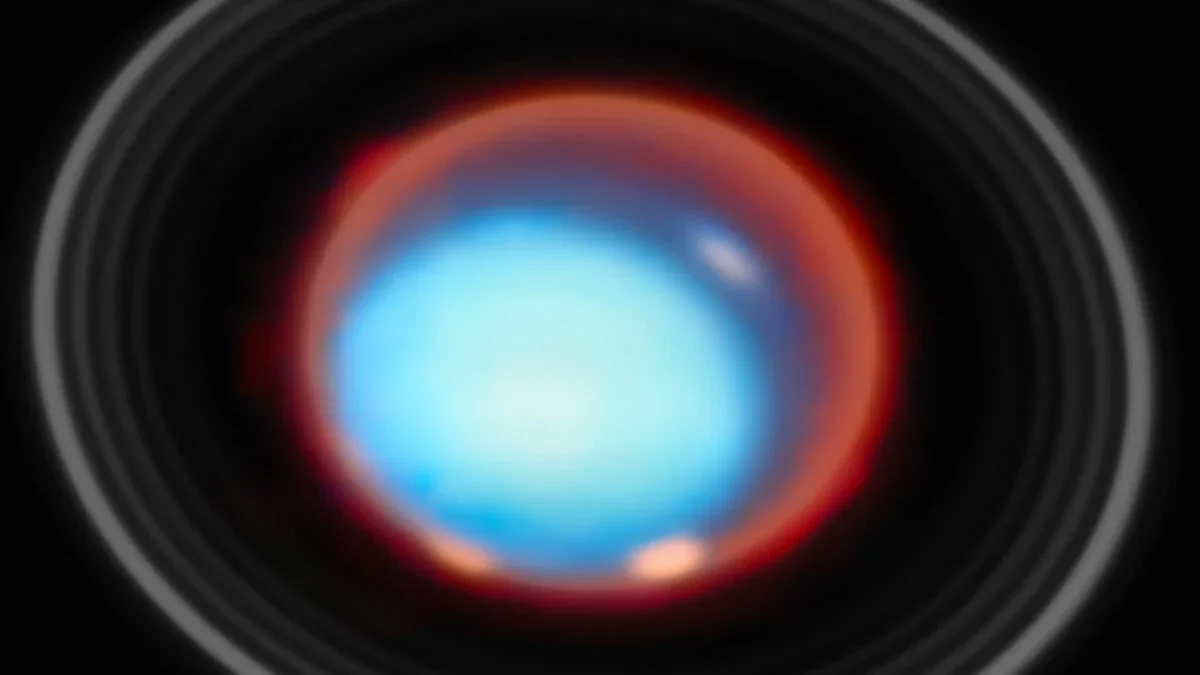
Webb’s 17-hour stare at Uranus uncovers baffling auroras
space-and-spaceflight11 days ago

Webb’s 17-hour stare at Uranus uncovers baffling auroras

The James Webb Space Telescope spent 17 hours peering at Uranus to map its upper atmosphere in three dimensions, revealing two bright auroral bands near the planet’s unusual magnetic poles and a depletion of ions between them. The observations show how Uranus’s tilted, offset magnetosphere shapes energy flow and auroral activity, with the upper atmosphere still cooling since the 1986 Voyager flyby, providing new insights into the dynamics of ice-giant atmospheres.

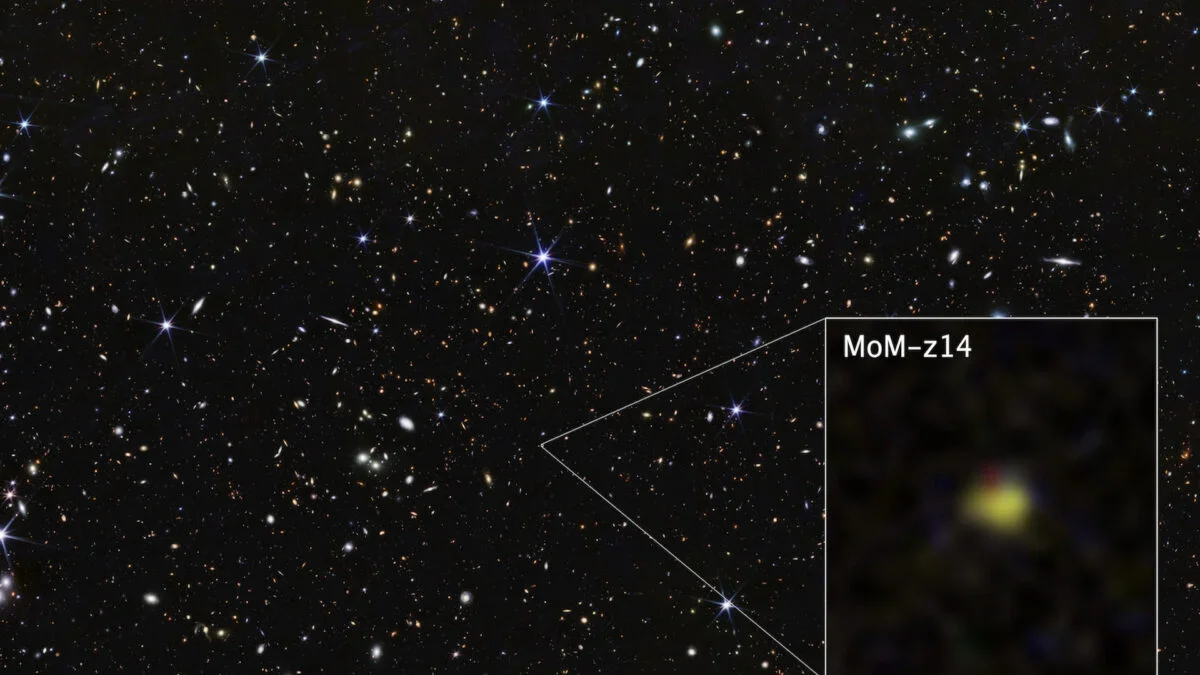
Webb Spots MoM-z14, the Galaxy Born 280 Million Years After the Big Bang
space1 month ago

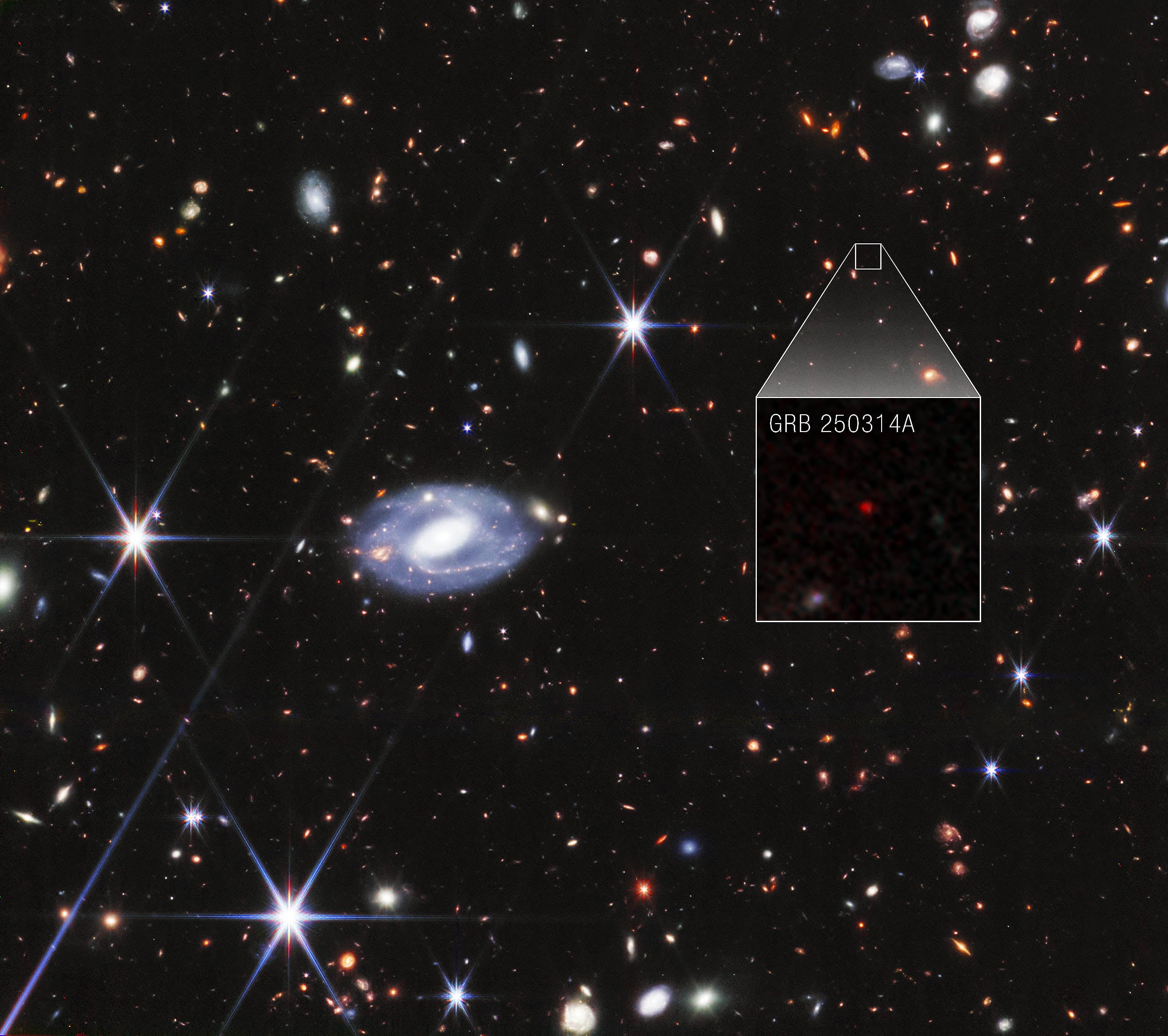
Webb Spots MoM-z14, the Galaxy Born 280 Million Years After the Big Bang

NASA’s James Webb Space Telescope has confirmed MoM-z14 as the most distant galaxy observed to date, with a redshift of 14.44 implying its light has traveled about 13.5 billion years—roughly 280 million years after the Big Bang. The galaxy is exceptionally compact yet luminous, about 50 times smaller than the Milky Way, signaling intense early star formation and raising questions about nitrogen production in the infant universe. It surpasses the previous record holder and demonstrates Webb’s power to illuminate the cosmos’s infancy and refine models of early galaxy growth.

James Webb Telescope Detects Stormy Auroras on Sunless Rogue Planet
science5 months ago

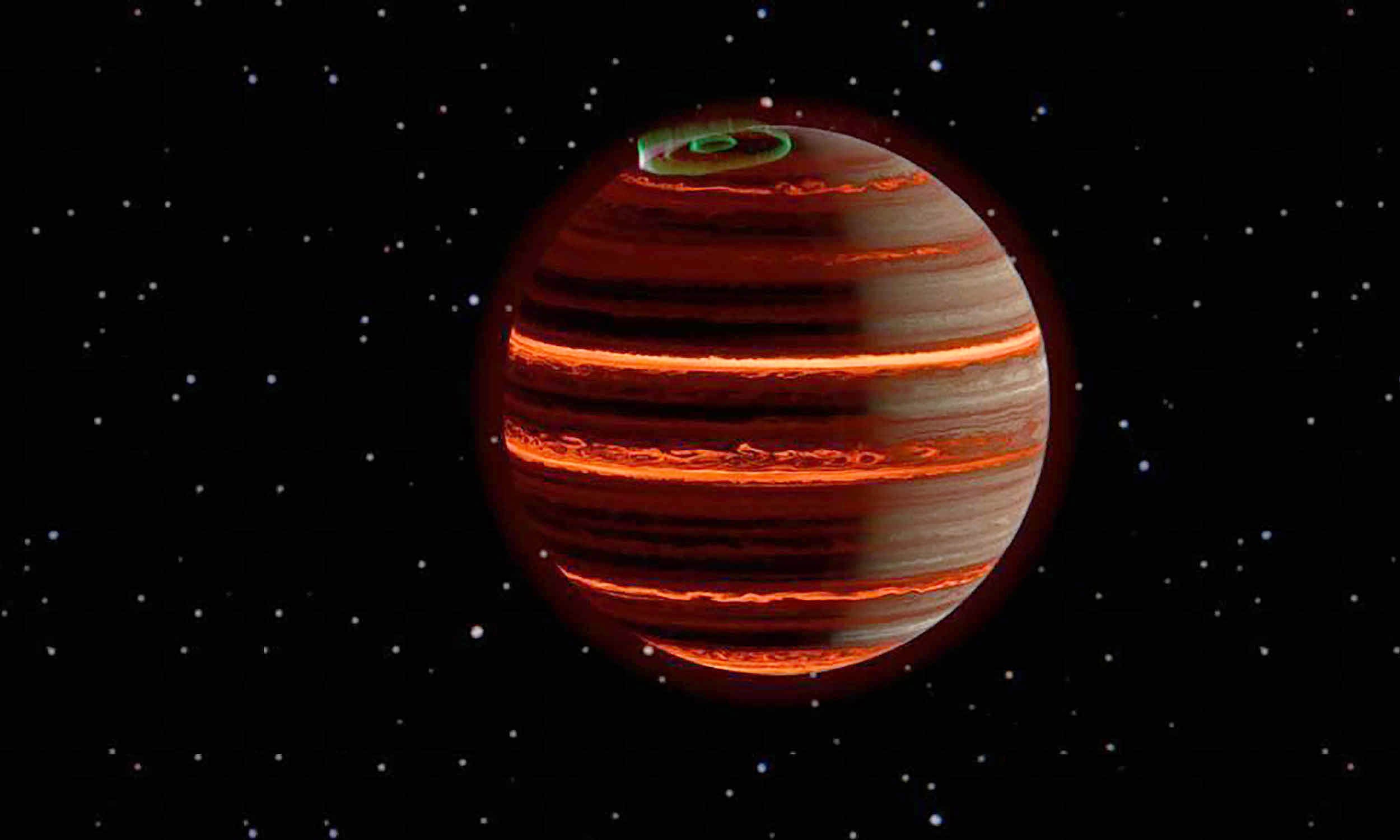
James Webb Telescope Detects Stormy Auroras on Sunless Rogue Planet

Astronomers using the James Webb Space Telescope have observed auroras and complex weather patterns on SIMP 0136, a starless, rogue brown dwarf, revealing detailed atmospheric structures, temperature inversions, and steady silicate clouds, driven by magnetic activity and internal heat, demonstrating that even isolated objects can have dynamic weather systems.

James Webb Telescope Investigates Potential Life on Earth-Like Exoplanet TRAPPIST-1e
science5 months ago

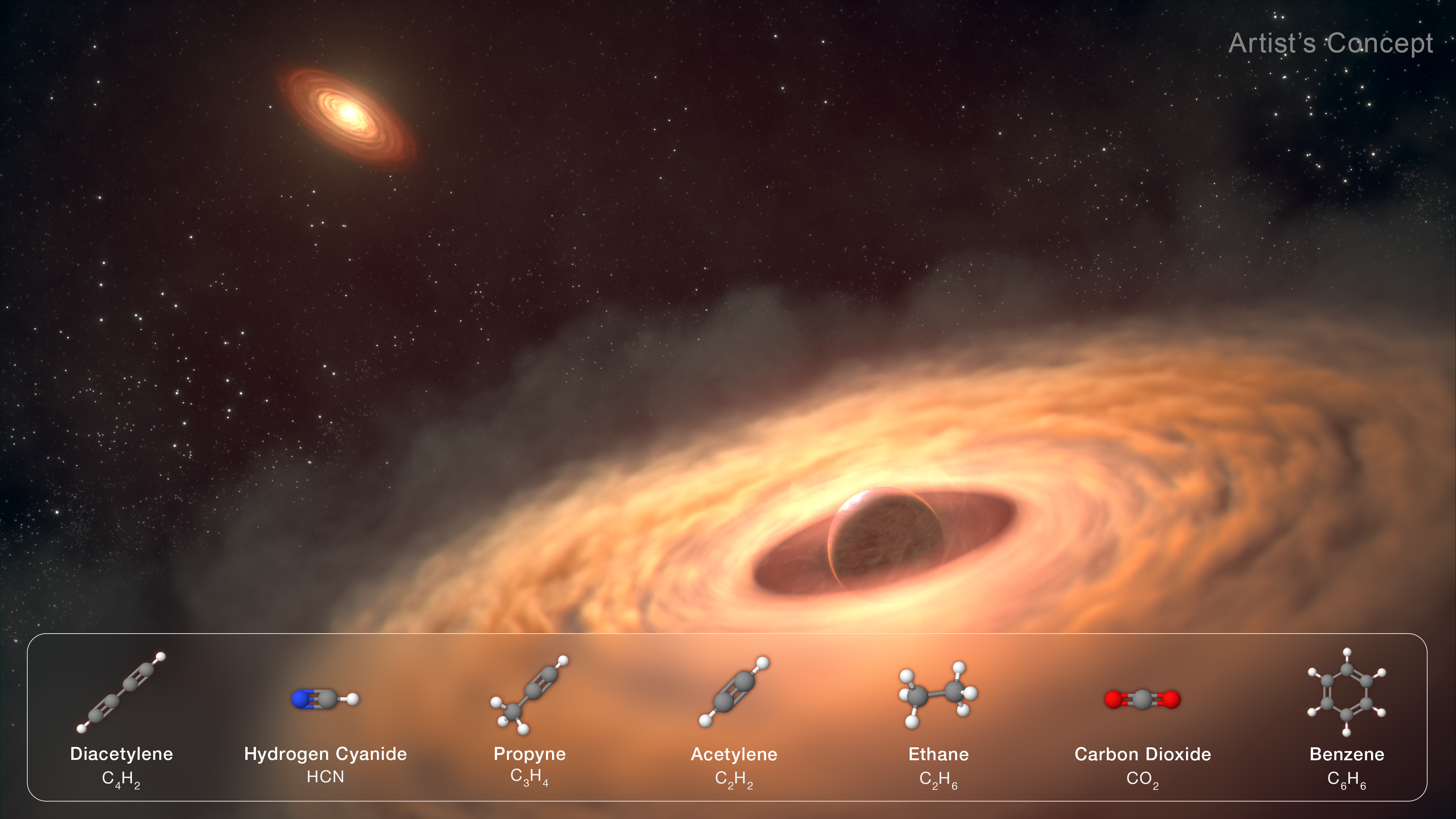
James Webb Telescope Investigates Potential Life on Earth-Like Exoplanet TRAPPIST-1e

NASA's James Webb Space Telescope is studying the Earth-sized exoplanet TRAPPIST-1 e, focusing on its atmosphere and potential habitability. Initial observations suggest the planet may have lost its primary atmosphere, but the presence of a secondary atmosphere with greenhouse gases like carbon dioxide remains possible, which could support liquid water. Further observations aim to clarify the planet's surface conditions and atmospheric composition, advancing our understanding of potentially habitable worlds beyond our solar system.

James Webb Telescope Discovers Nearby Exoplanet and Solar Twin Evidence
science7 months ago

James Webb Telescope Discovers Nearby Exoplanet and Solar Twin Evidence

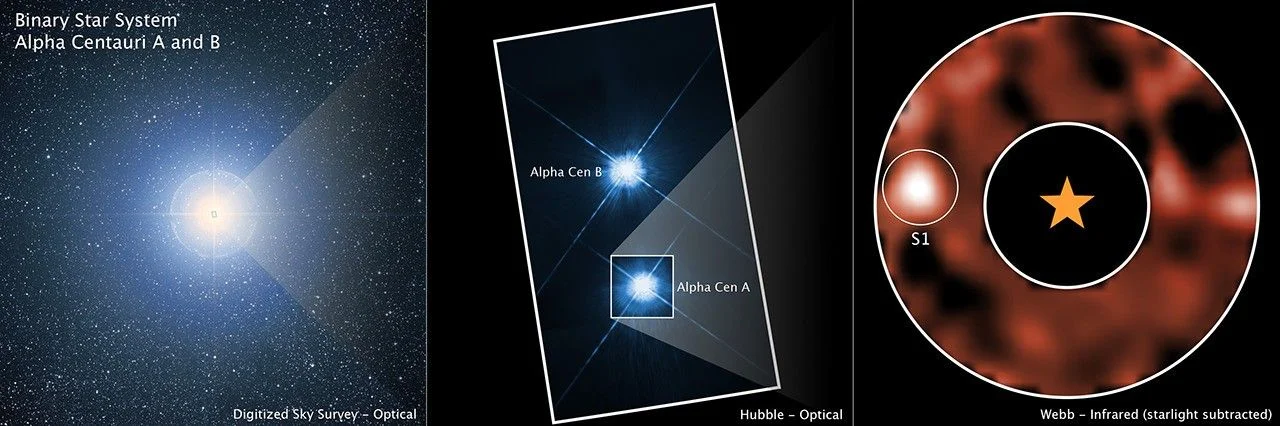
NASA's James Webb Space Telescope has found strong evidence of a potential gas giant planet orbiting Alpha Centauri A, the closest Sun-like star system to Earth. Although initial observations suggested the planet's presence, subsequent data did not confirm it, leading to the possibility that the planet may have moved or was a transient detection. If confirmed, this would be the closest exoplanet to Earth orbiting a Sun-like star and could significantly impact our understanding of planetary formation and evolution in binary star systems.

science7 months ago

Webb Telescope Discovers Potential Exoplanets Near Our Solar System

NASA's James Webb Space Telescope has found strong evidence of a potential gas giant planet orbiting Alpha Centauri A, the closest Sun-like star system to Earth. The discovery, based on infrared observations, suggests the planet could be a Saturn-sized gas giant in an elliptical orbit, but further observations are needed to confirm its existence. If confirmed, this would be the closest exoplanet to Earth and a significant milestone in exoplanet research.