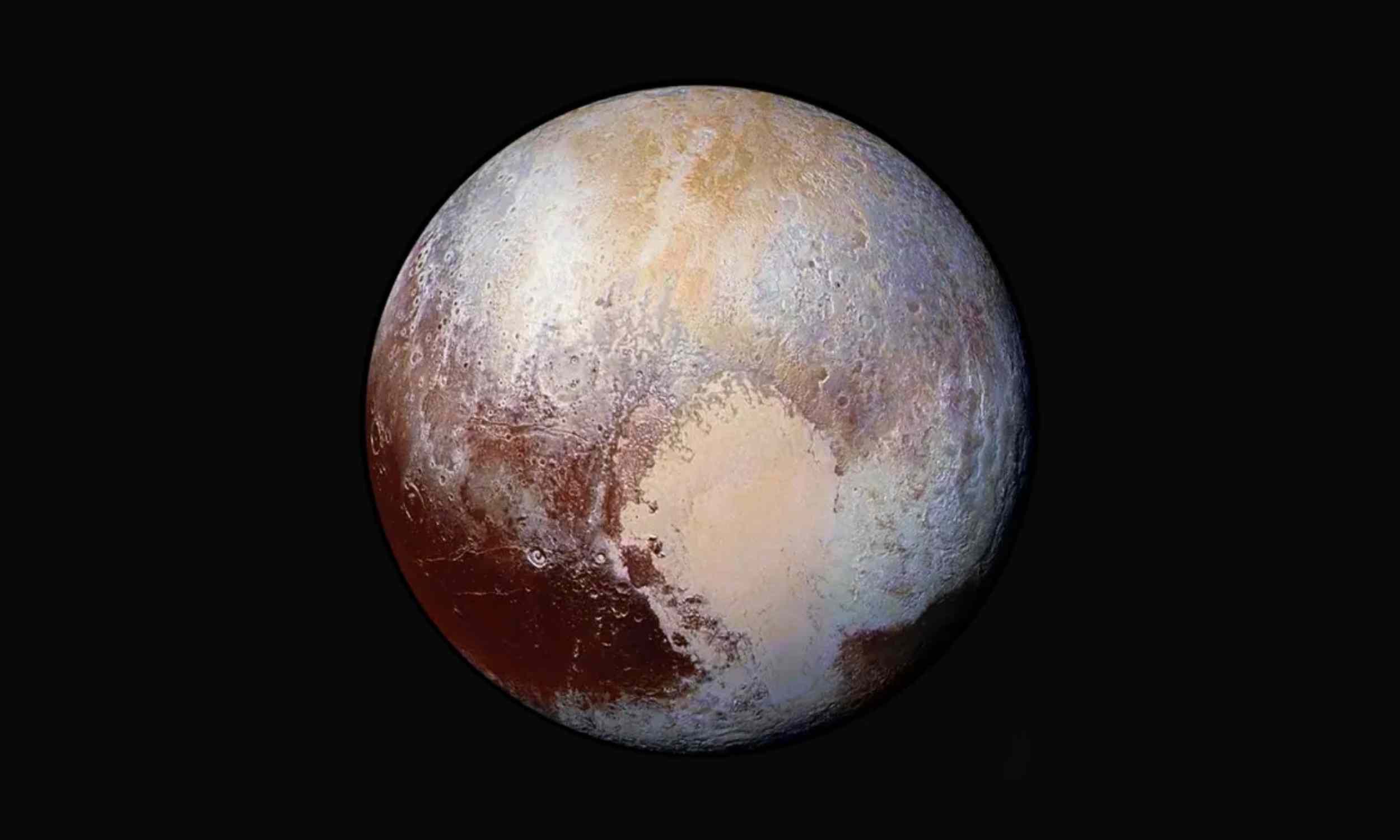
The James Webb Space Telescope has discovered a unique high-altitude haze on Pluto that acts as a thermostat, regulating its climate in a way not seen in other solar system bodies, with implications for understanding planetary atmospheres and early Earth conditions.
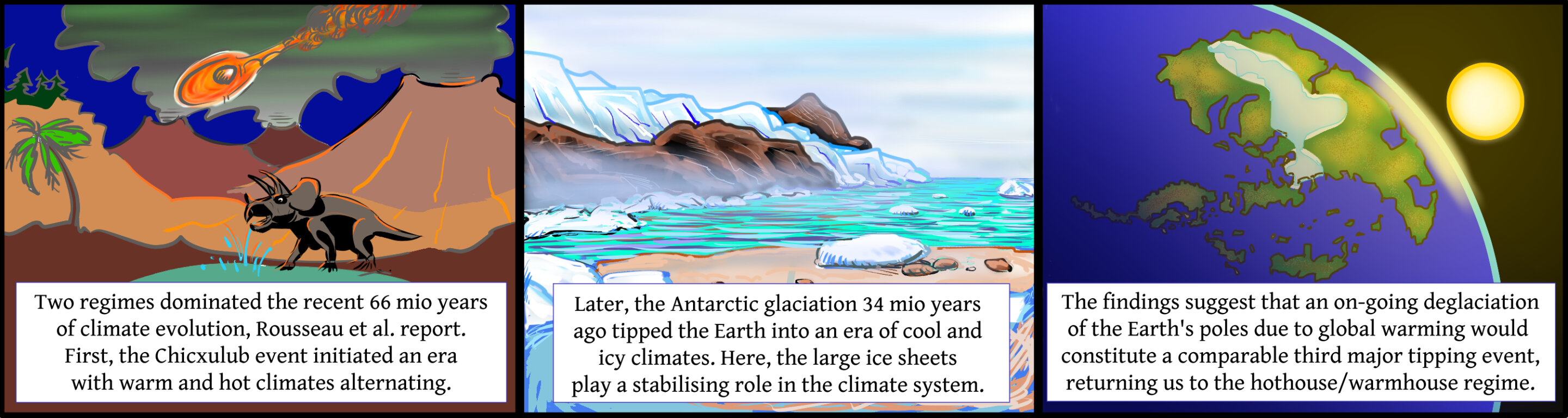
Two major tipping events, the Chicxulub meteor impact and the glaciation of the Southern hemisphere, have dominated the evolution of Earth's climate system over the past 66 million years. These events set the stage for further climate tipping and shaped the trajectory of future climate changes. If current anthropogenic climate change leads to deglaciation, it could represent a landmark tipping point with serious repercussions for the climate landscape. The study highlights the importance of understanding and mitigating the destabilization of tipping elements in climate adaptation and mitigation strategies.
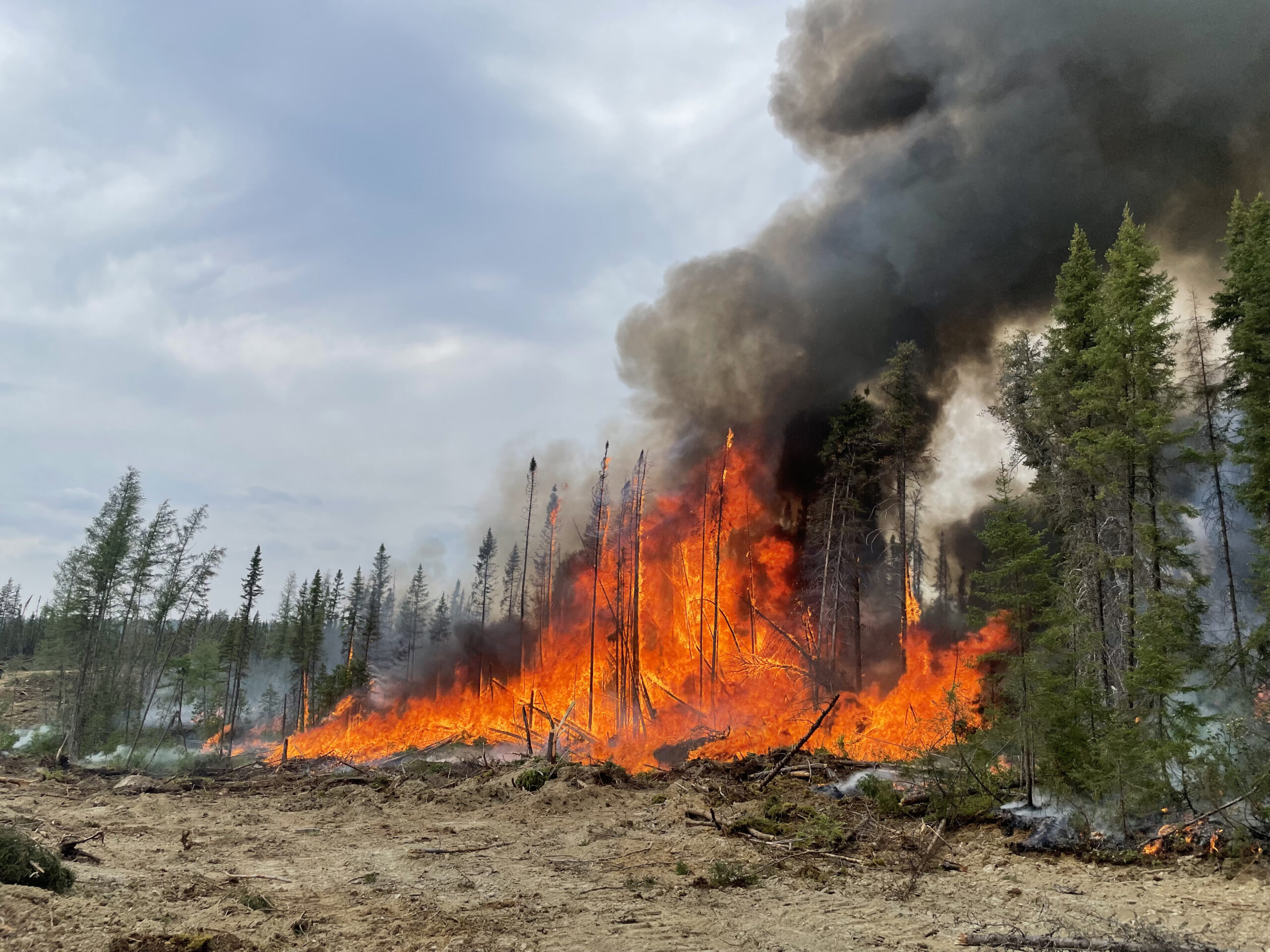
June 2023 saw multiple extreme climate events, including record-breaking heat, vanishing polar ice, and widespread wildfires, indicating that certain parts of the climate system may be reaching tipping points. The reflective polar ice caps are at their lowest extent on record, with the sea ice around Antarctica at a record-low extent. The Arctic experienced one of the largest June melt events ever recorded, and June 2023 was the hottest June ever measured. Oceans set records for warmth, and forest areas the size of Kentucky burned in Canada. These extremes could be early warnings of tipping points towards different weather or sea ice regimes. The tropical Pacific Ocean is shifting into the warm El Niño phase, which could further increase temperatures and trigger more extreme heat globally.
June 2023 saw several alarming climate indicators, suggesting that parts of the climate system may be reaching tipping points. Record-breaking heat, including the hottest June ever recorded, was experienced globally, with extreme temperatures in remote Siberia and a historic mountain heatwave in Iran. The polar ice caps are at their lowest extent on record, with Antarctic sea ice at a record-low extent. Forest areas the size of Kentucky have burned in Canada, releasing massive amounts of carbon. The tropical Pacific Ocean is shifting into the warm El Niño phase, which could further increase global temperatures. These extreme events could be early warnings of irreversible changes in weather patterns, sea ice, and fire regimes.