Tag

Atmosphere

All articles tagged with #atmosphere

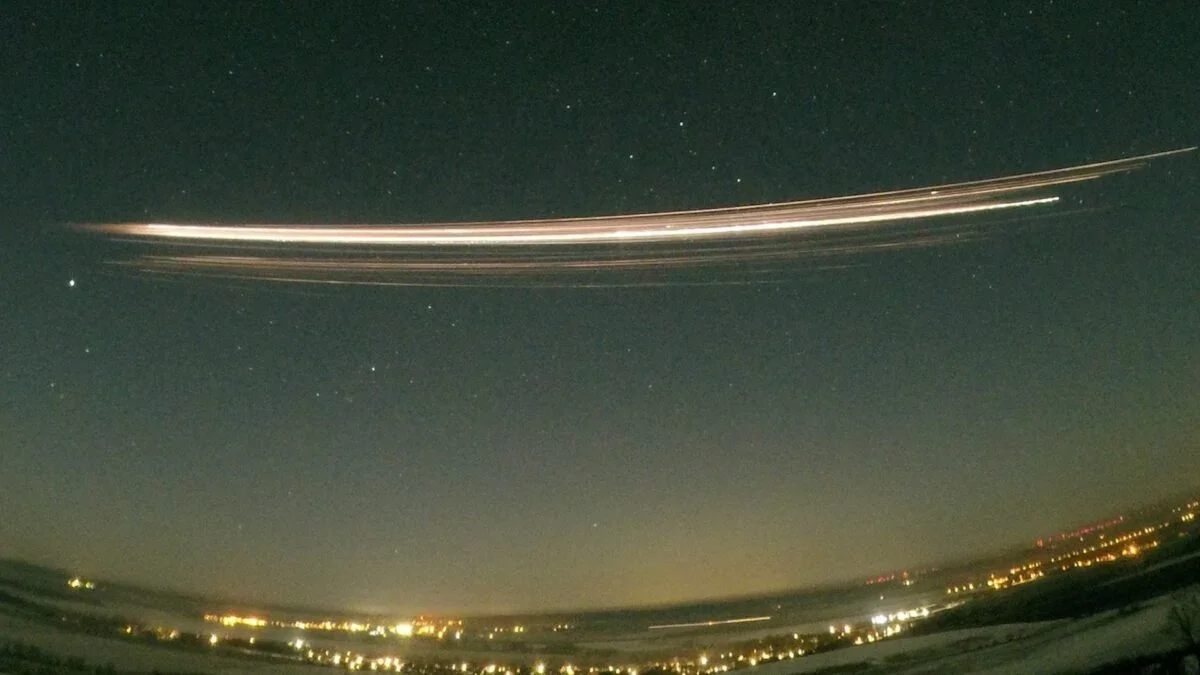
Megaconstellations Could Turn Earth's Atmosphere Into a Crematorium
science-tech23 hours ago

Megaconstellations Could Turn Earth's Atmosphere Into a Crematorium

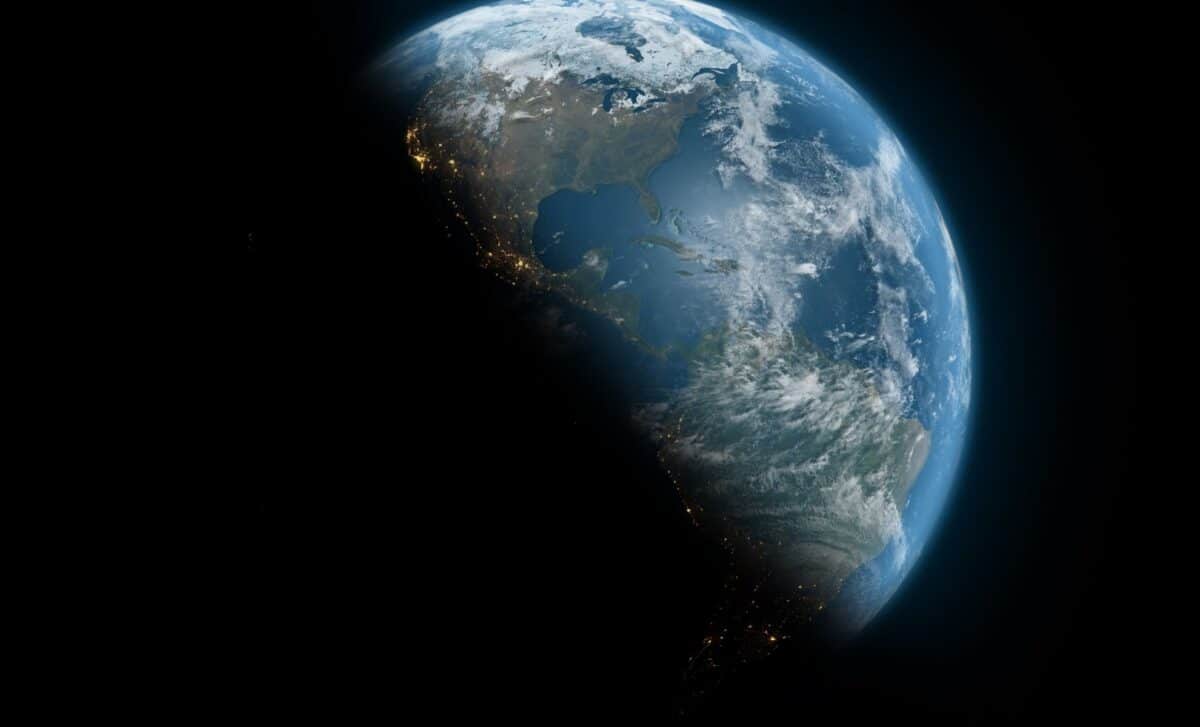
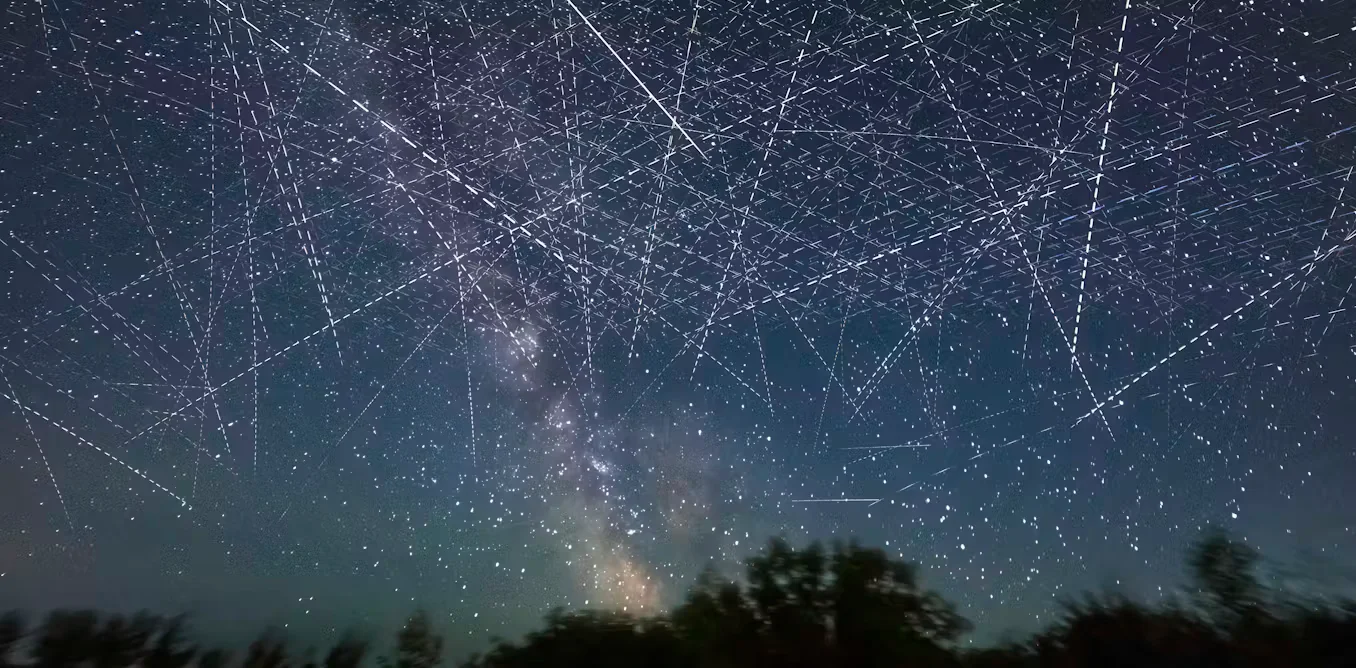
Researchers warn that the rapid push to satellite mega-constellations—SpaceX and other operators planning up to a million satellites—could cause vast amounts of debris to re-enter and burn up in the upper atmosphere, releasing alumina and other particulates that heat the atmosphere and deplete ozone, with potentially lasting climate impacts. Ground debris and casualty risks rise as more satellites are launched, and a million-satellite scale could significantly alter atmospheric chemistry. The piece calls for global regulation and a defined atmospheric carrying capacity for launches and re-entries, plus full lifecycle environmental assessments, urging SpaceX to take a leadership role.
JWST maps Uranus’s auroras and tilted magnetosphere in unprecedented detail
space2 days ago

JWST maps Uranus’s auroras and tilted magnetosphere in unprecedented detail

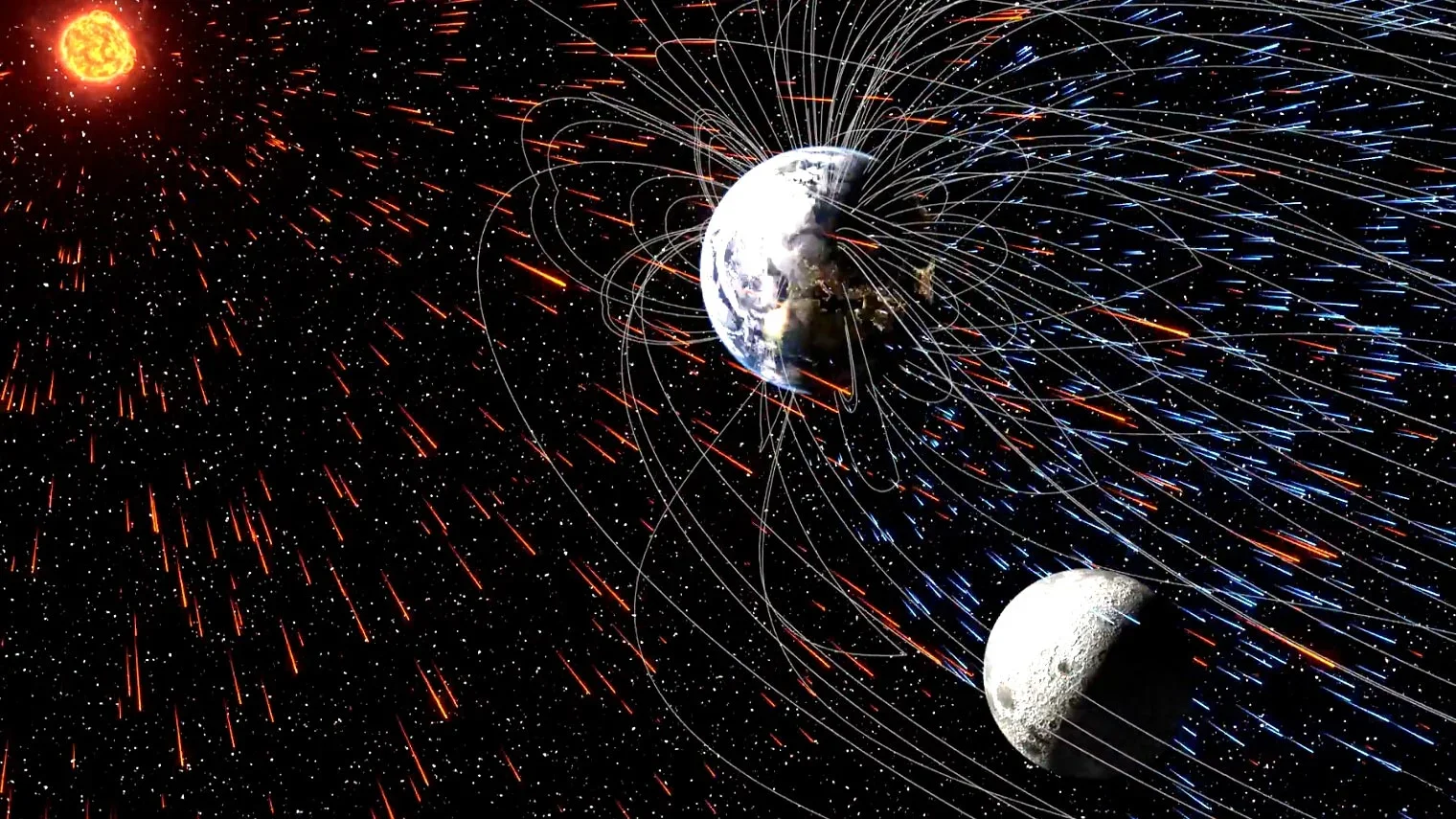
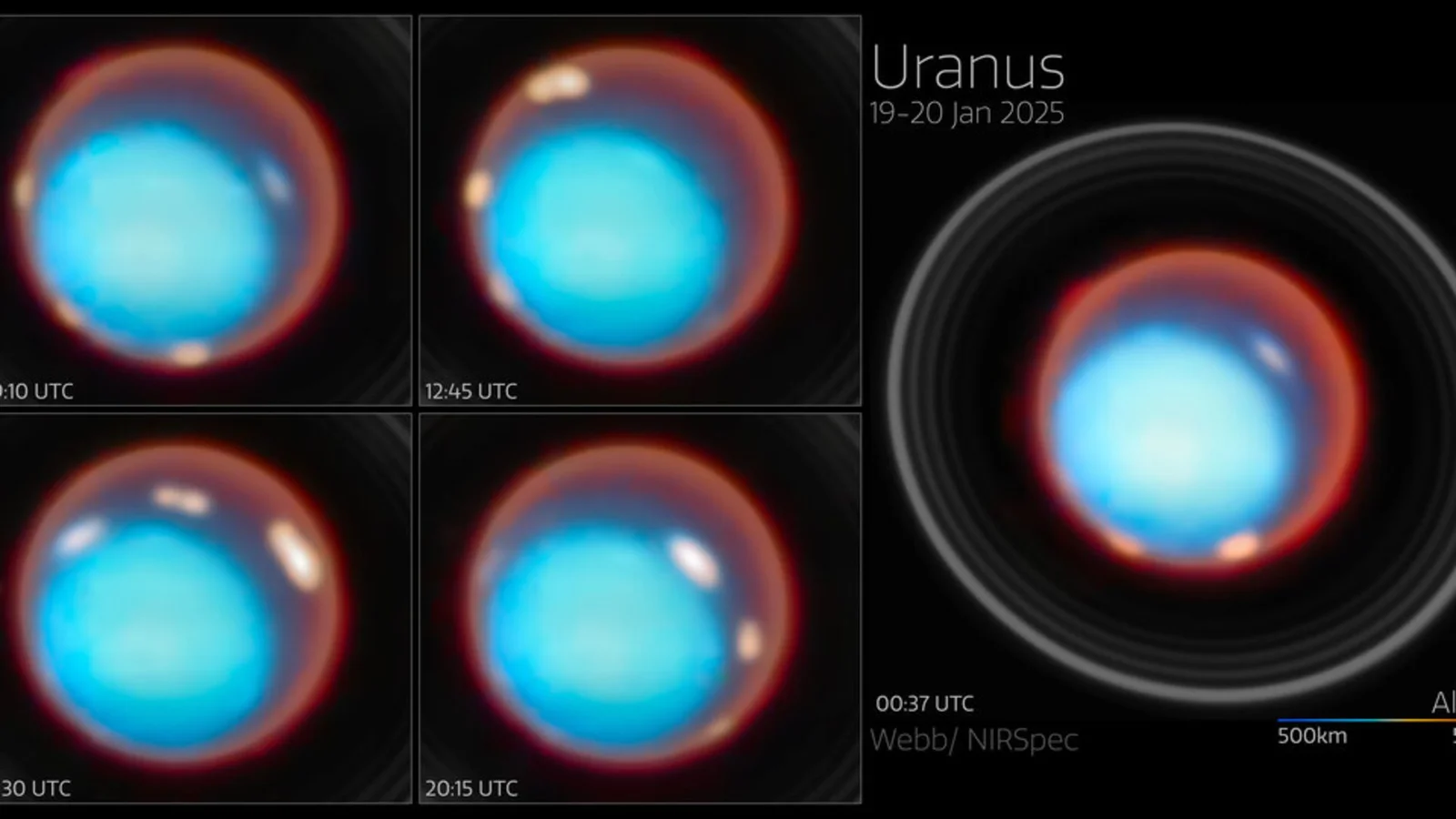
JWST mapped Uranus's upper atmosphere during a ~15-hour rotation, revealing two bright auroral belts around the planet's magnetic poles and a mid-latitude depletion region, along with a three-dimensional view of ion temperature and density up to about 5,000 km above the cloud tops. The data show Uranus’s highly tilted magnetosphere drives distinctive auroral patterns and that the atmosphere has cooled since the 1990s, offering clues about ice giants and exoplanet atmospheres.

Regional Dust Storms Drive Hidden Water Loss on Mars
space4 days ago

Regional Dust Storms Drive Hidden Water Loss on Mars

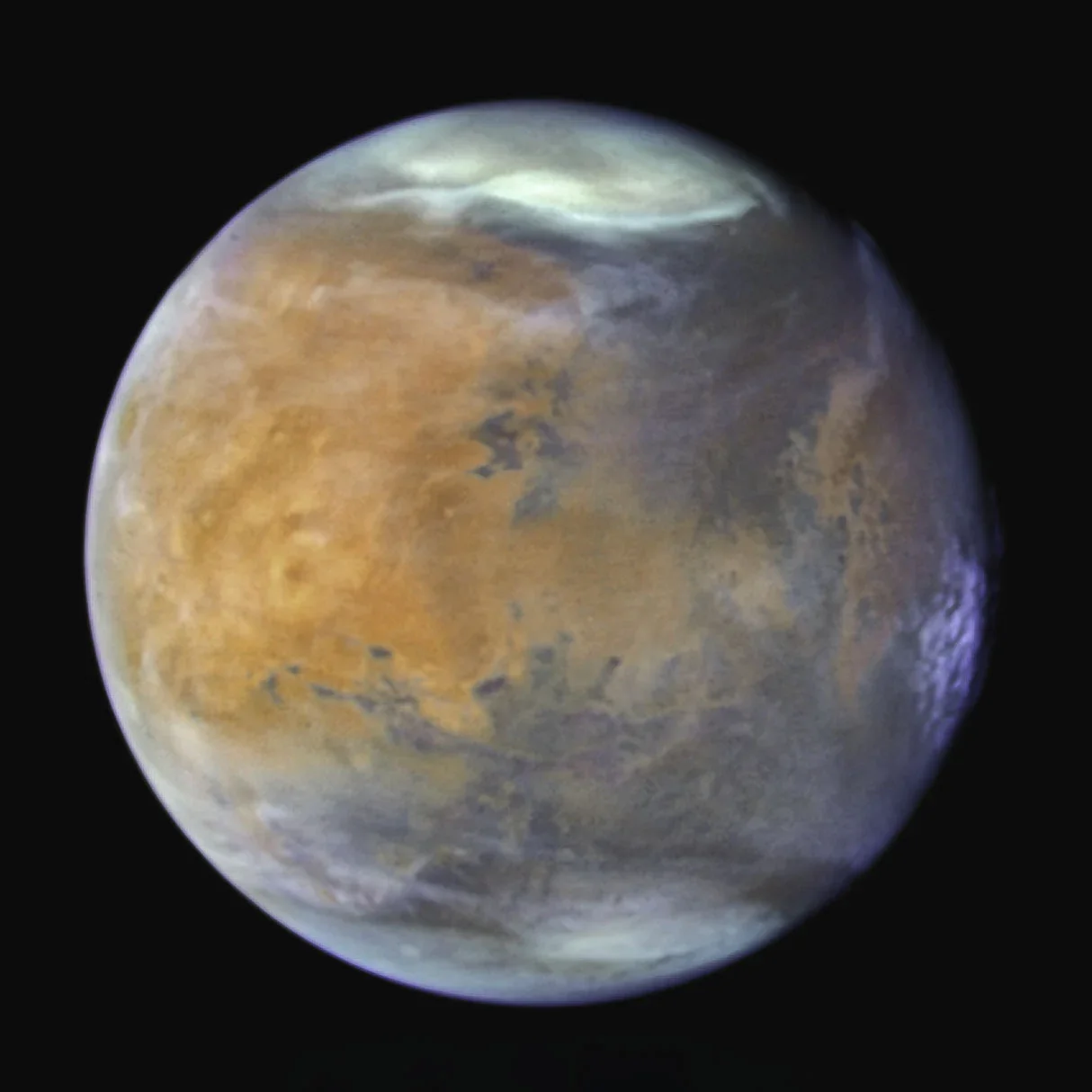
New research links an intense regional dust storm in Mars' northern summer to a surge of water vapor into the upper atmosphere, boosting hydrogen escape and contributing to the planet’s long-term water loss. Observations from the 2022-2023 Martian year show water vapor up to ten times typical levels and hydrogen at the exobase about 2.5 times higher than in previous years, indicating that short, localized events can influence Mars’ climate evolution as much as global storms, challenging earlier emphasis on southern summer dynamics.

JWST maps Uranus's upper atmosphere in 3D, revealing auroras and magnetic quirks
space8 days ago

JWST maps Uranus's upper atmosphere in 3D, revealing auroras and magnetic quirks

Using JWST's NIRSpec, an international team mapped Uranus's upper atmosphere in 3D for the first time, detailing how temperature and ion density vary up to 5,000 km above the clouds. The study finds peak temperatures around 3,000–4,000 km and ion-density maxima near 1,000 km, with two bright auroral bands and a magnetic-field driven depletion region. The average upper-atmosphere temperature is about 426 K (roughly 150 C), and the atmosphere continues to cool since the 1990s, offering new insight into the energy balance of ice giants.

Uncontrolled Falcon 9 Reentry Deposits Lithium into Upper Atmosphere, Study Finds
science8 days ago

Uncontrolled Falcon 9 Reentry Deposits Lithium into Upper Atmosphere, Study Finds

Researchers using lidar near Saxony, Germany, detected a lithium plume 58–60 miles up about 20 hours after an uncontrolled Falcon 9 reentry, with lithium concentrations roughly tenfold above background; the study, published in Nature, notes that metals from spacecraft (lithium and other alloys) may alter upper-atmosphere chemistry, but the environmental impact remains uncertain and warrants further research.

Jupiter's Hidden Oxygen Revealed by New Atmospheric Model
science23 days ago

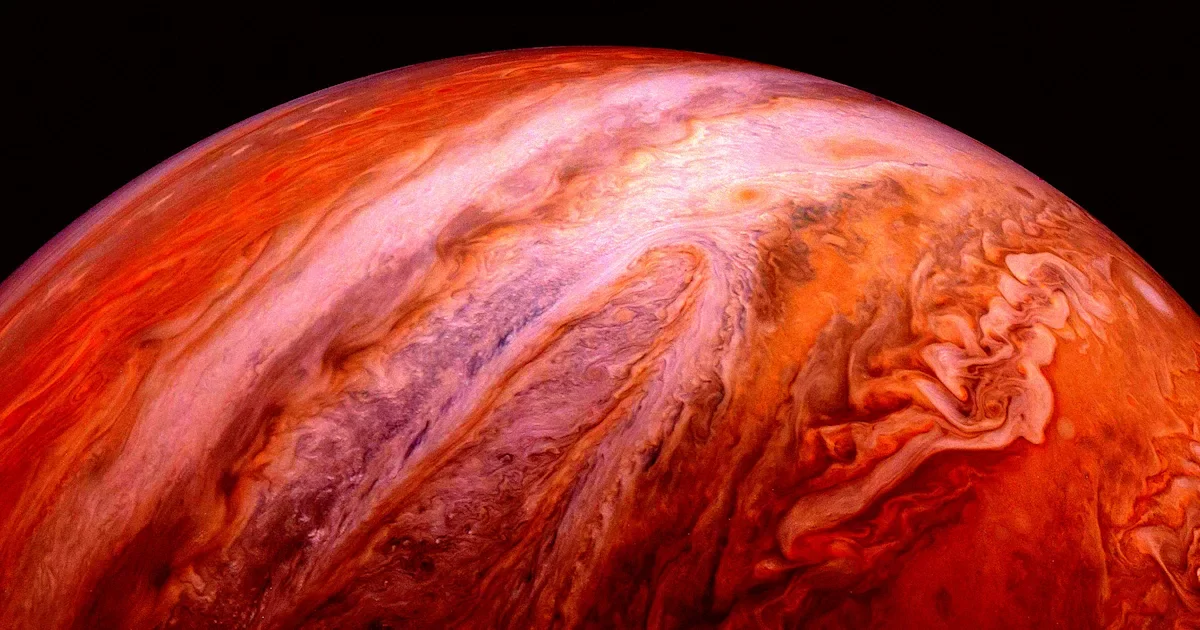
Jupiter's Hidden Oxygen Revealed by New Atmospheric Model

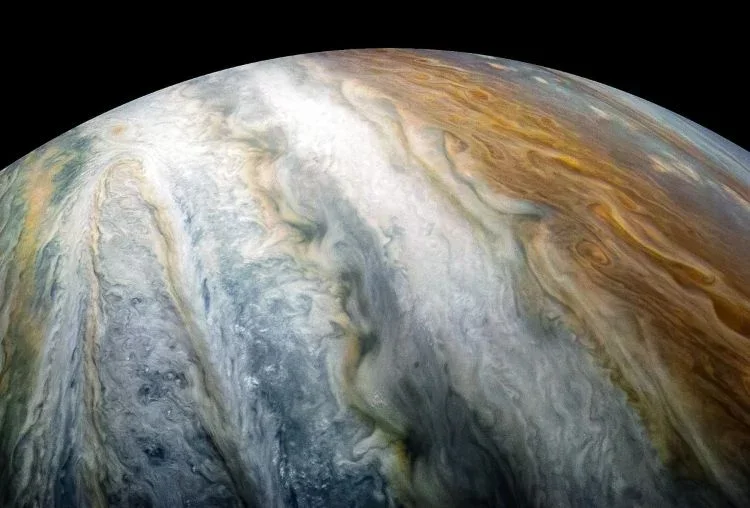
Using a high-detail computational model that combines chemistry and hydrodynamics with data from NASA's Juno and Galileo missions, researchers estimate Jupiter contains about 1.5 times the Sun's oxygen, supporting icy-material formation theories; the model also finds gas diffusion is far slower than previously thought, highlighting how much remains unknown about the giant planet's interior.

Jupiter Found to Be 1.5x Oxygen-Rich Compared to the Sun
space25 days ago

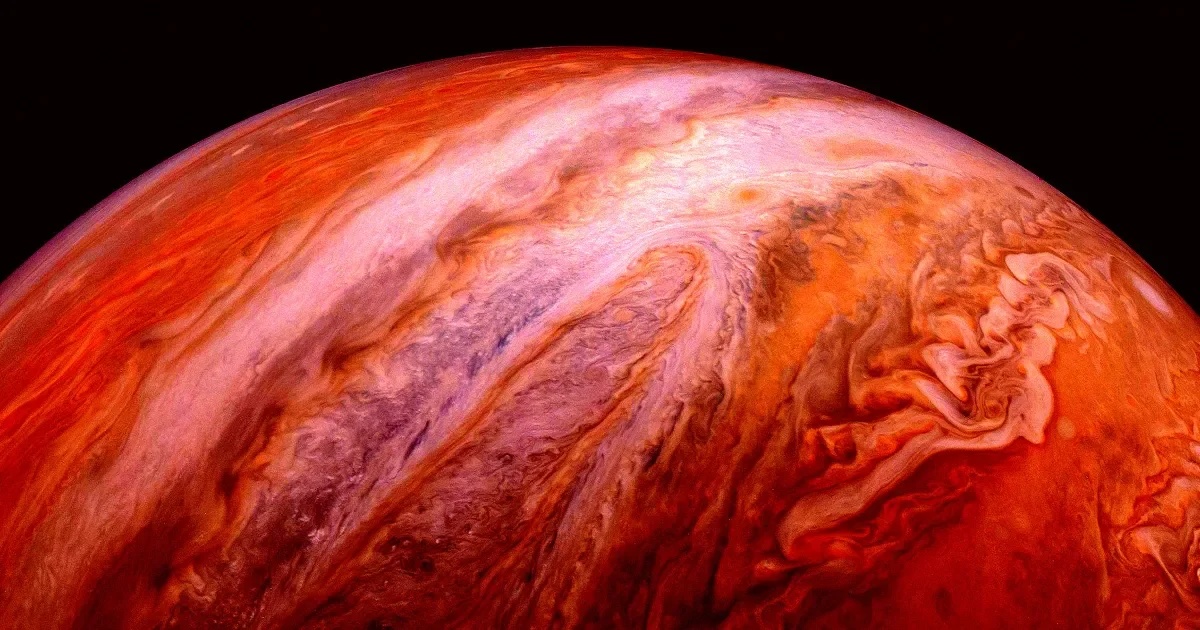
Jupiter Found to Be 1.5x Oxygen-Rich Compared to the Sun

Using data from NASA's Juno and Galileo missions, researchers built a combined chemistry–hydrodynamics model of Jupiter's atmosphere. They find Jupiter may contain about 1.5 times the Sun's oxygen—far more than earlier estimates of roughly one-third—much of which is in water. The study also shows gas diffusion in Jupiter's atmosphere could be 35–40 times slower than previously thought, a result that informs theories about how the planet formed from icy material near the frost line.

Oxygen Clues Rewrite Jupiter’s Formation Story
space29 days ago

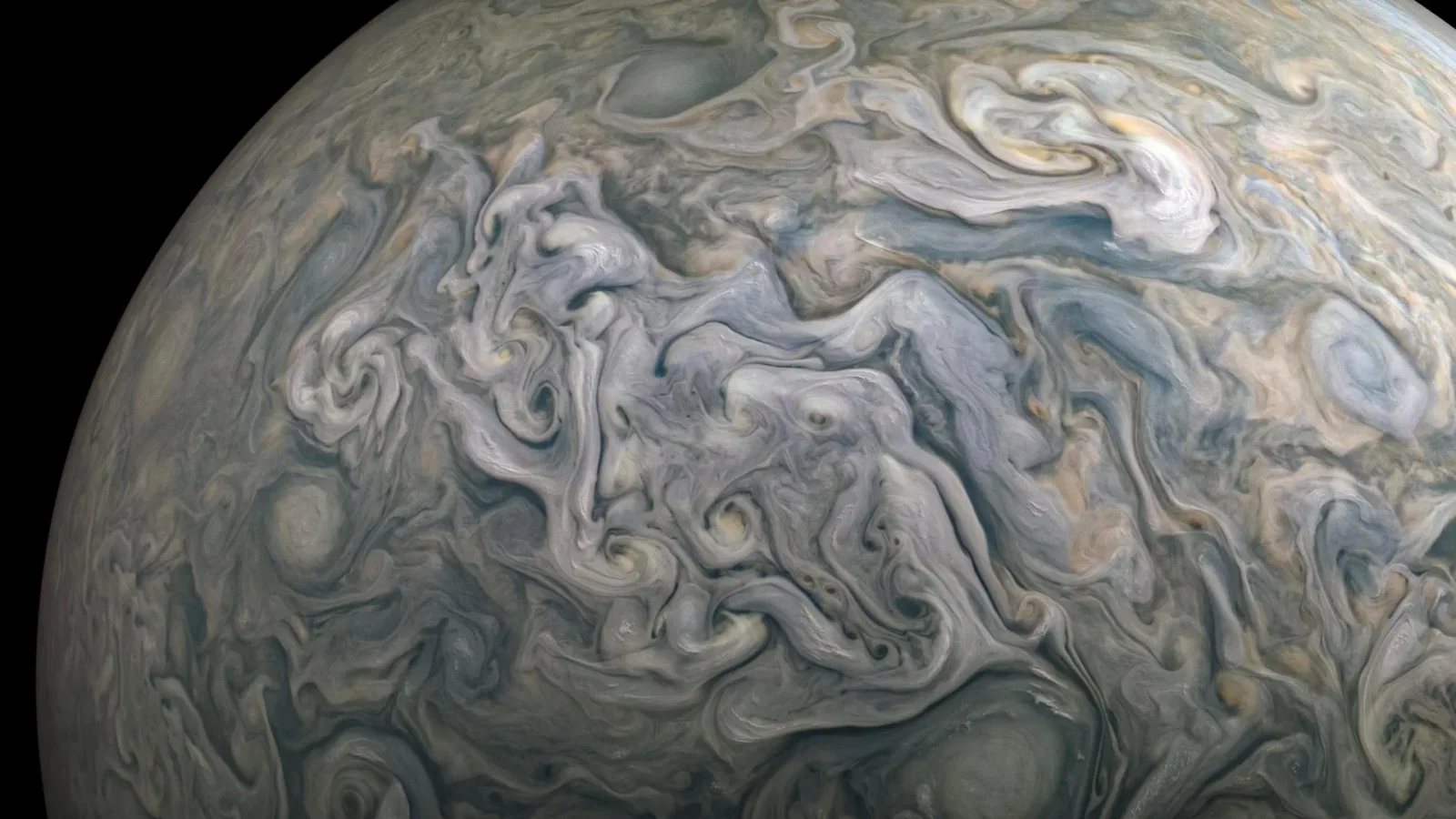
Oxygen Clues Rewrite Jupiter’s Formation Story

New 1D chemistry and 2D hydrodynamic models suggest Jupiter contains about 1.5 times more oxygen than the Sun and that its atmospheric circulation is slower than previously thought, refining theories of gas-giant formation; the work builds on NASA’s Juno data revealing complex weather and a possible fuzzy core, as the mission continues through 2025 with a planned end that preserves the moons from Earth microbes.

Mars Atmosphere Could Backstop Human Water Supply on the Red Planet
space1 month ago

Mars Atmosphere Could Backstop Human Water Supply on the Red Planet

A study in Advances in Space Research suggests Martian atmospheric moisture could serve as a backup water source for future crewed missions, alongside underground ice as the primary long-term option; it evaluates moisture-harvesting technologies, energy needs, and deployment challenges, advocating a layered approach that combines ice, soil moisture, and atmospheric capture to support sustainable exploration and potential settlement.

Webb Telescope Reveals Surprising Atmosphere on Ancient Lava Planet
science1 month ago

Webb Telescope Reveals Surprising Atmosphere on Ancient Lava Planet

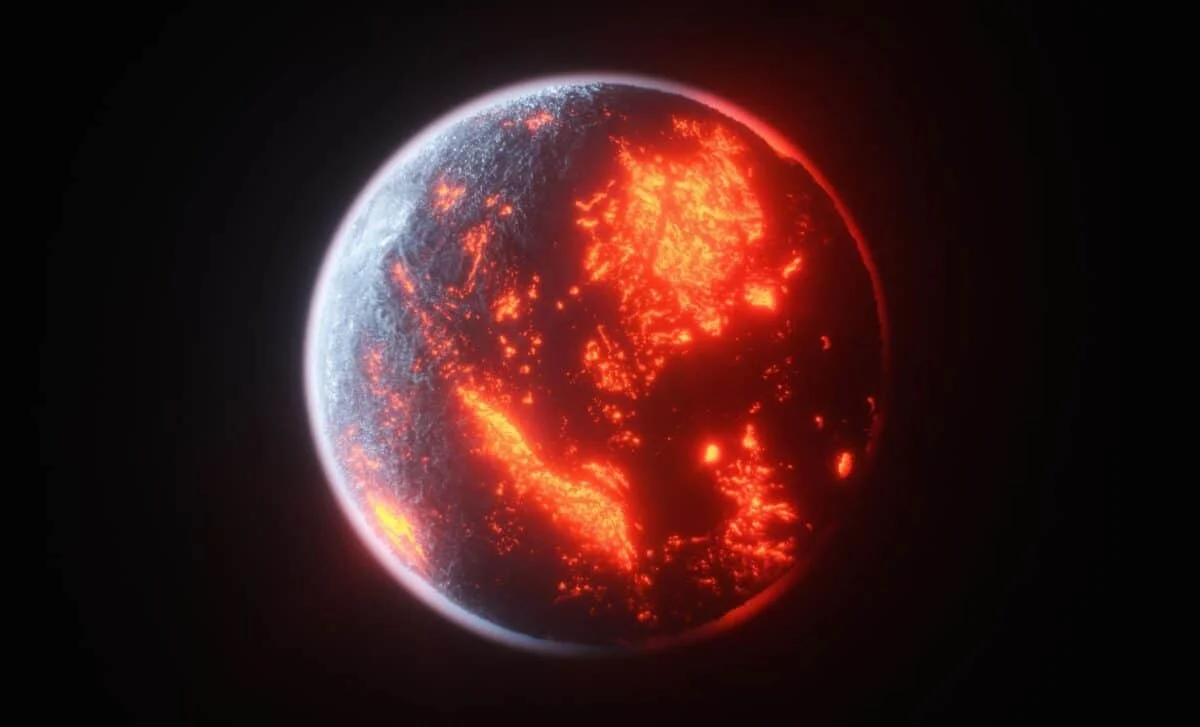
NASA's JWST has provided the strongest evidence yet that the ultra-hot super-Earth exoplanet TOI-561 b, despite its extreme conditions, possesses a thick, volatile-rich atmosphere, challenging previous assumptions about small, hot planets losing their atmospheres. The findings suggest this planet has retained its atmosphere, possibly due to a balance between atmospheric escape and magma ocean absorption, opening new questions about planetary evolution in harsh environments.