Tag

Red Supergiant

All articles tagged with #red supergiant

Giant Star Turns Yellow, Hinting at a Possible Supernova
science1 day ago

Giant Star Turns Yellow, Hinting at a Possible Supernova

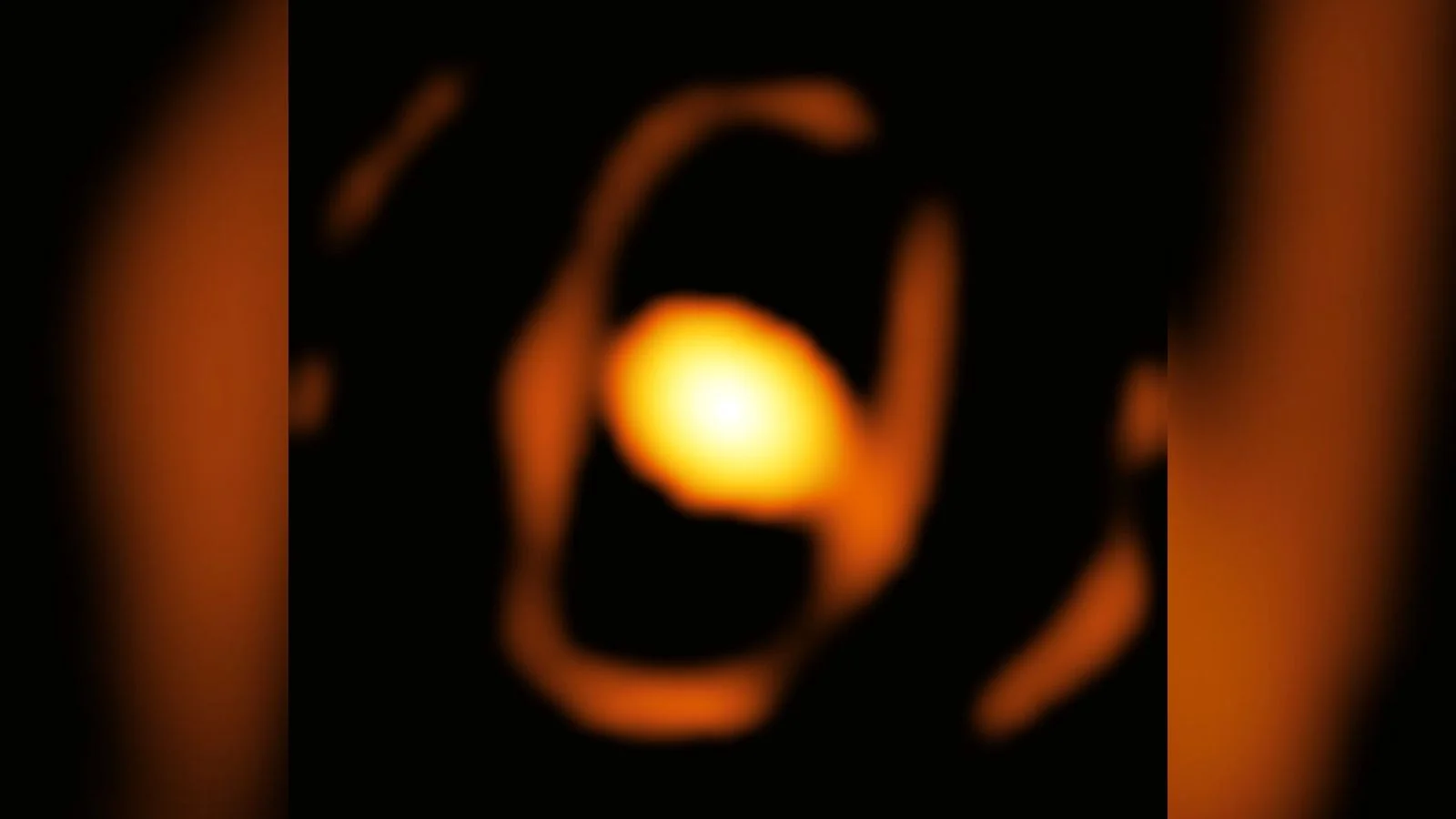
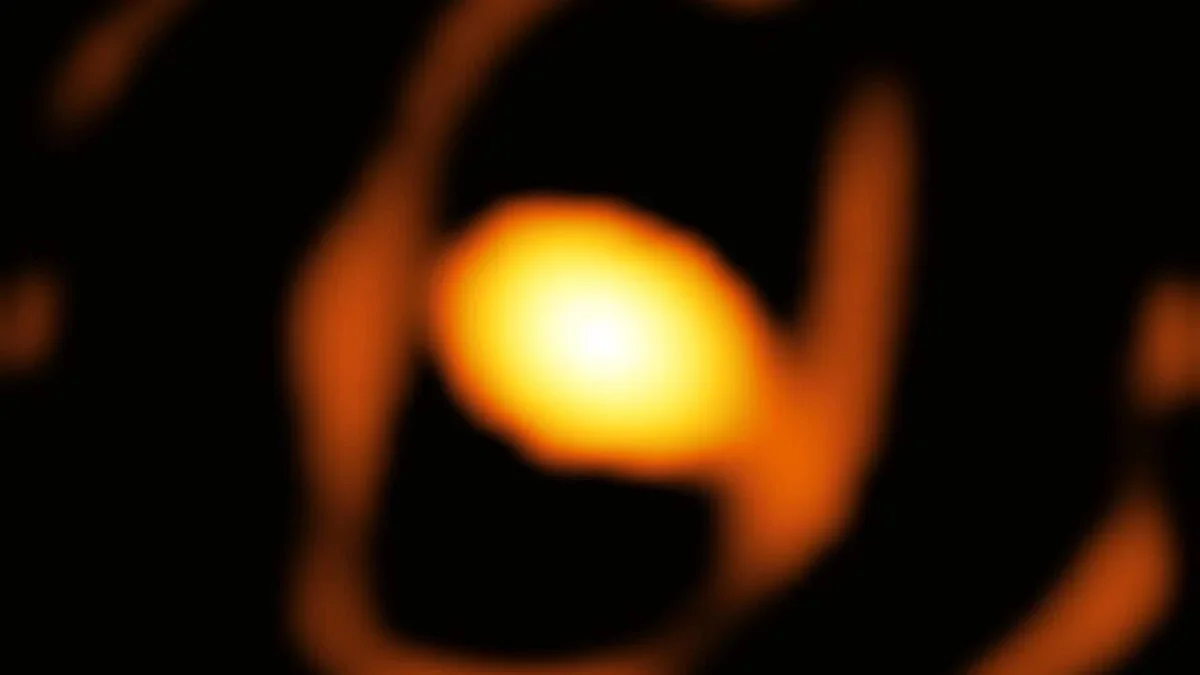
Astronomers monitoring the red supergiant WOH G64 in the Large Magellanic Cloud report a rapid evolution into a yellow hypergiant, with a temperature rise of about 1,000 C and significant shrinking. This rare color and size change may signal an impending supernova, though researchers offer two possible explanations—binary interaction with a companion or a prior eruptive episode—and the star’s exact fate remains uncertain.
Gigantic Star WOH G64 Poised for Cosmic Catastrophe
science4 days ago

Gigantic Star WOH G64 Poised for Cosmic Catastrophe

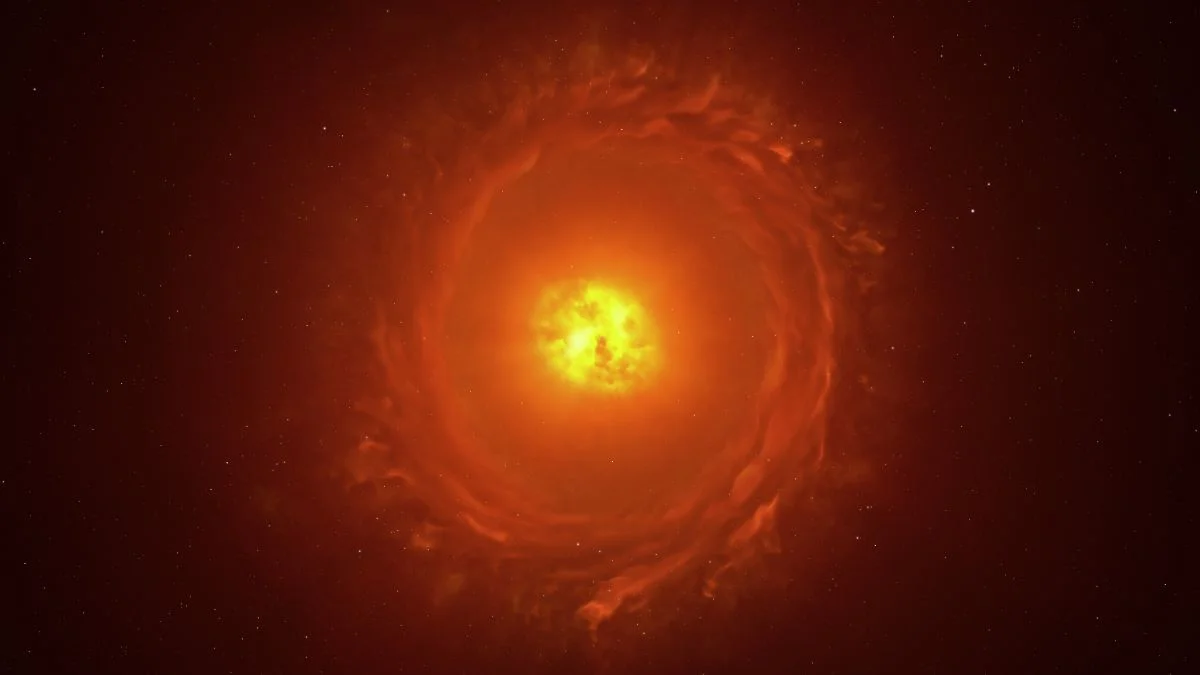
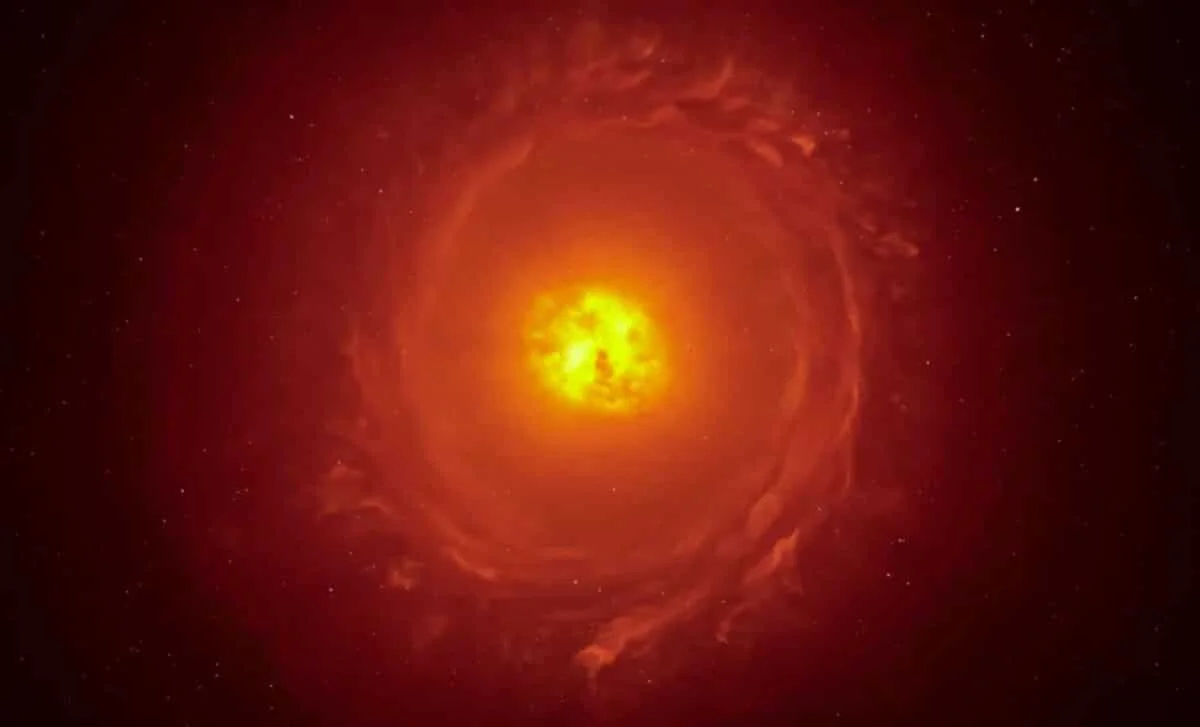
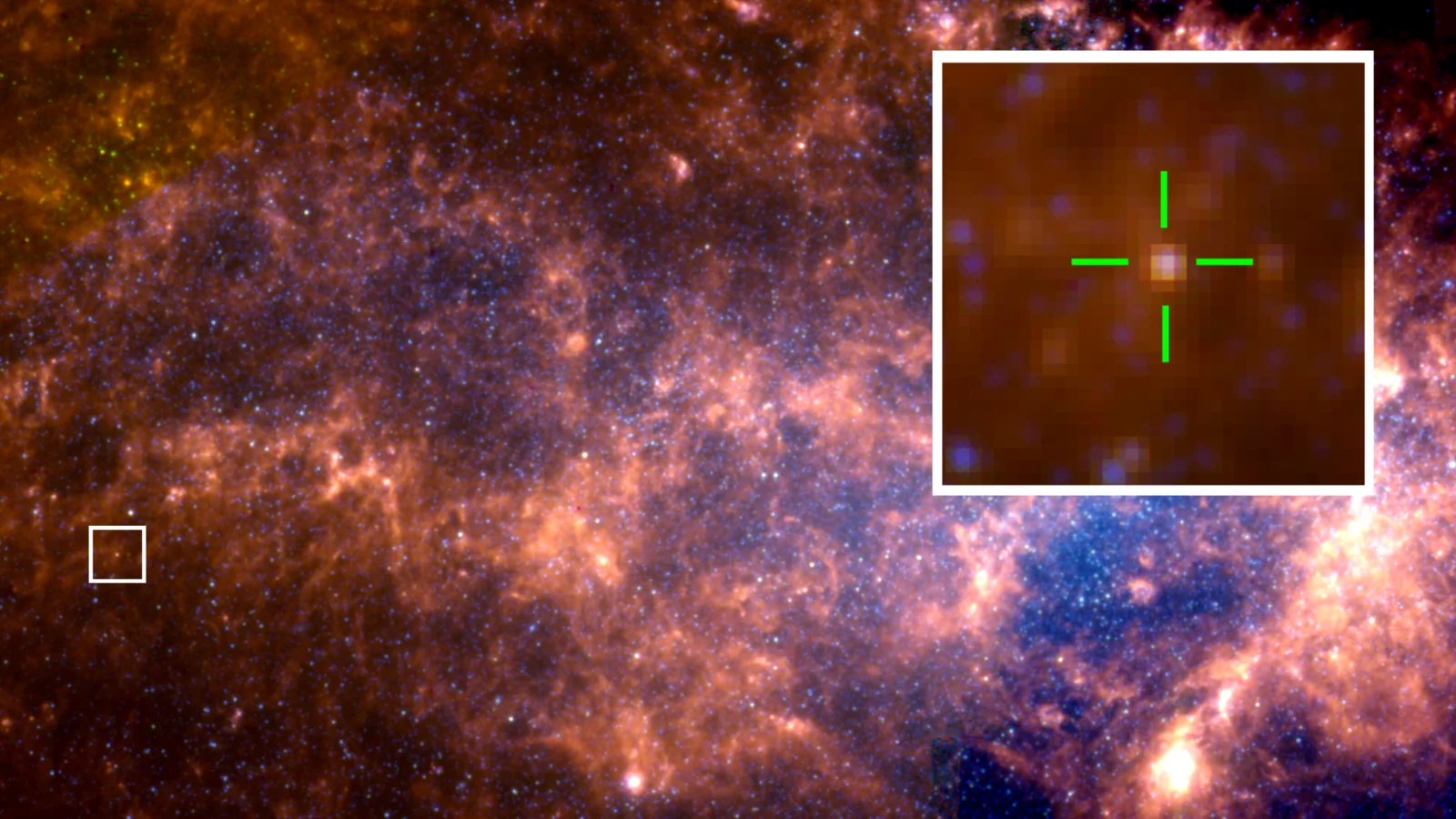
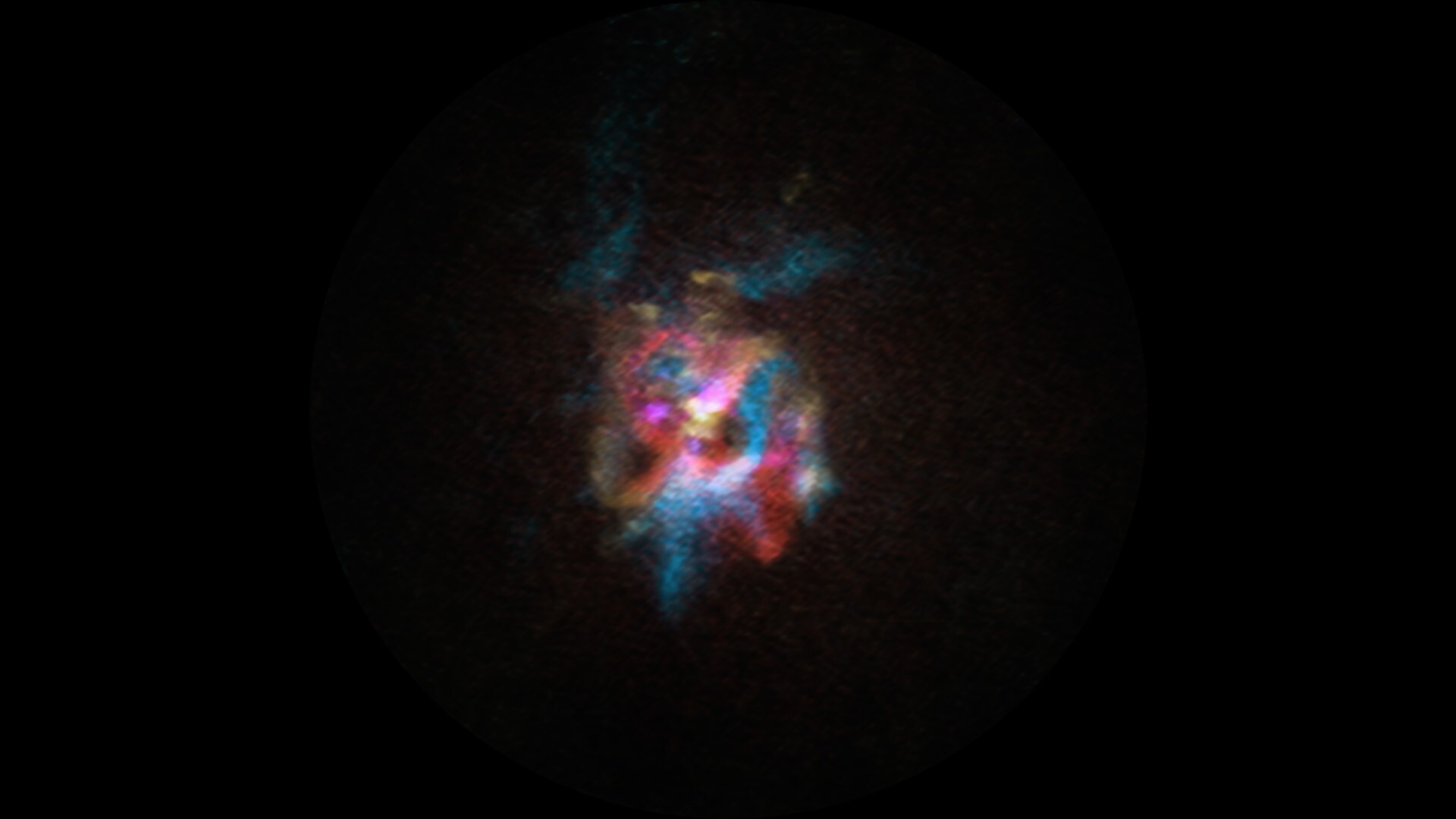
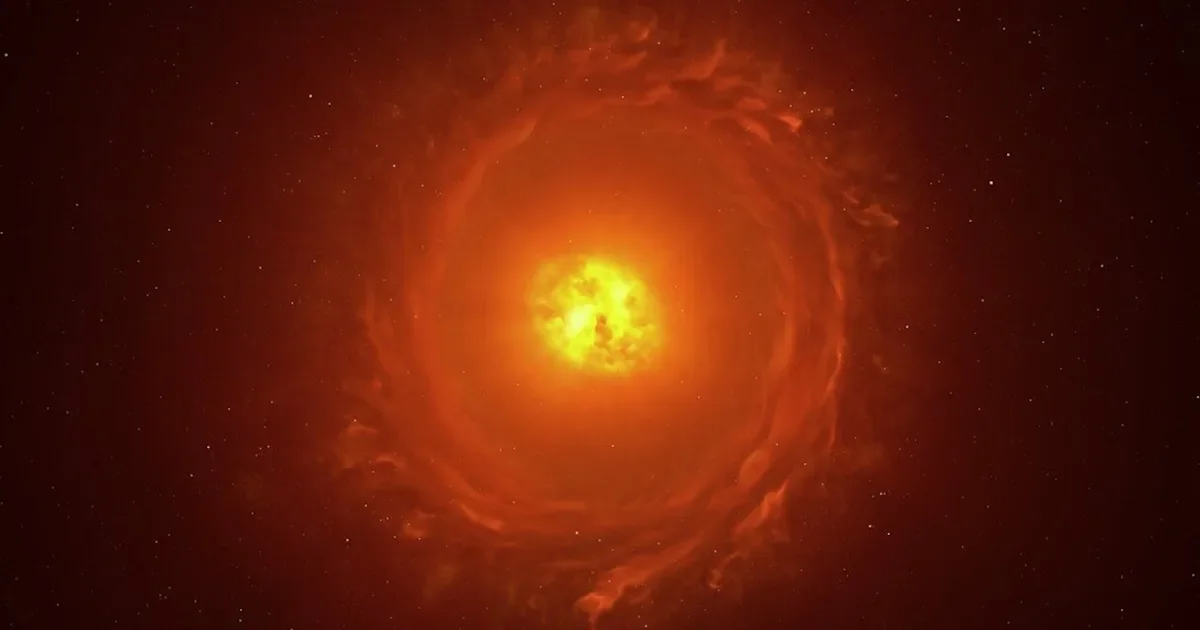
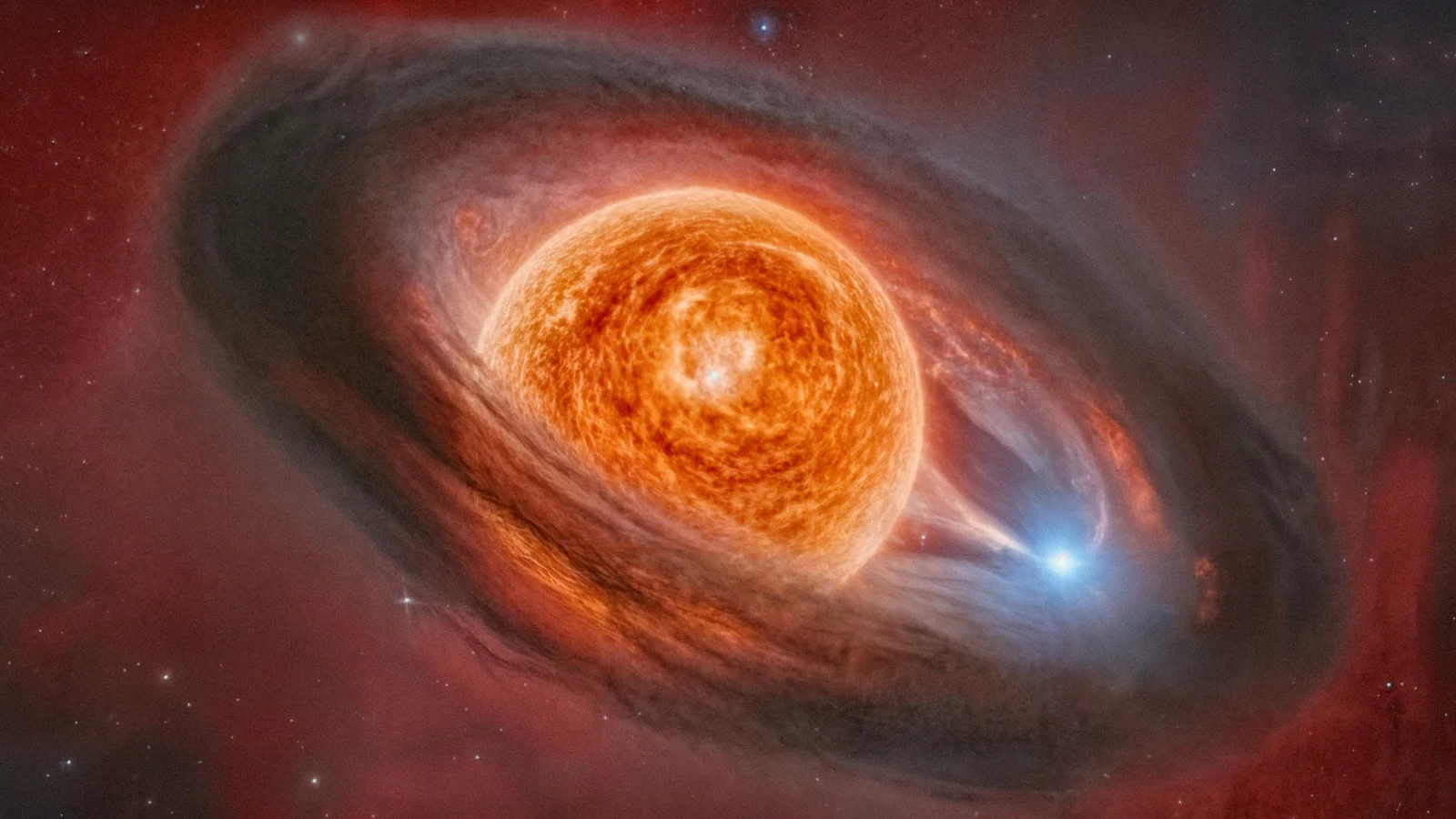
Astronomers say WOH G64, a red supergiant in the Large Magellanic Cloud about 165,000 light-years away and roughly 30 solar masses with a radius over 1,500 suns, is likely transitioning toward a yellow hypergiant after shedding outer layers; this may lead to a spectacular end in a supernova or direct collapse into a black hole, with the fate expected to unfold over hundreds to thousands of years in cosmic time.

Astronomers watch a 1,540-solar-radius star flip from red to yellow, hinting at a possible supernova
astronomy7 days ago

Astronomers watch a 1,540-solar-radius star flip from red to yellow, hinting at a possible supernova

Astronomers tracking the star WOH G64 in the Large Magellanic Cloud have observed it change from a red supergiant into a rare yellow hypergiant, a dramatic and unusually slow transformation that could mark the star’s evolution toward a core-collapse supernova or direct black-hole formation. The object, about 28 solar masses and roughly 1,540 times the Sun’s size, may be part of a binary system, with interactions potentially influencing its path to death. While this hints at a possible explosive finale, the final fate remains uncertain and would likely occur on timescales of hundreds to thousands of years rather than within our lifetime; the findings were reported in Nature.

Webb Unmasks Progenitor of Nearby Supernova in NGC 1637
science10 days ago

Webb Unmasks Progenitor of Nearby Supernova in NGC 1637

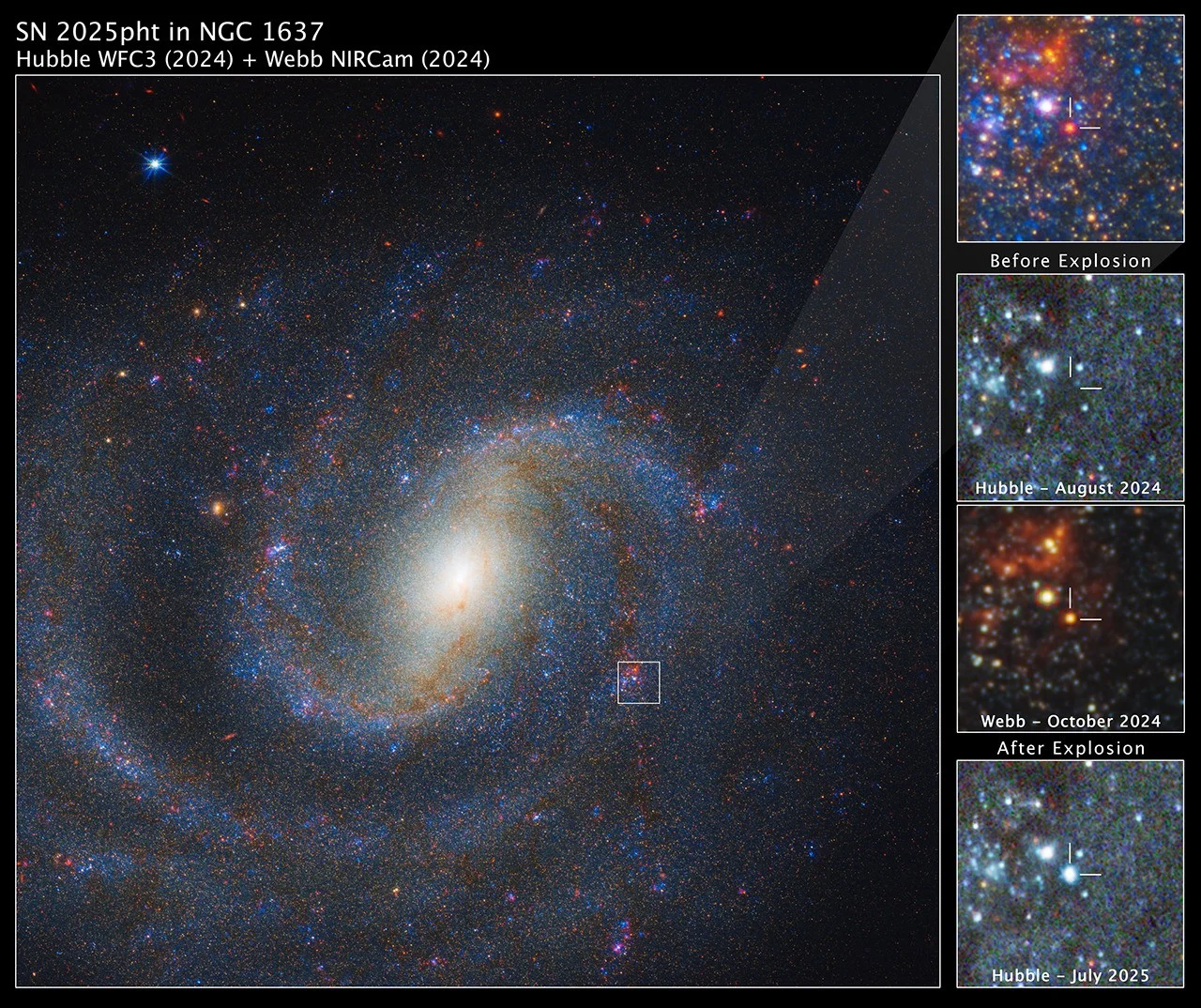
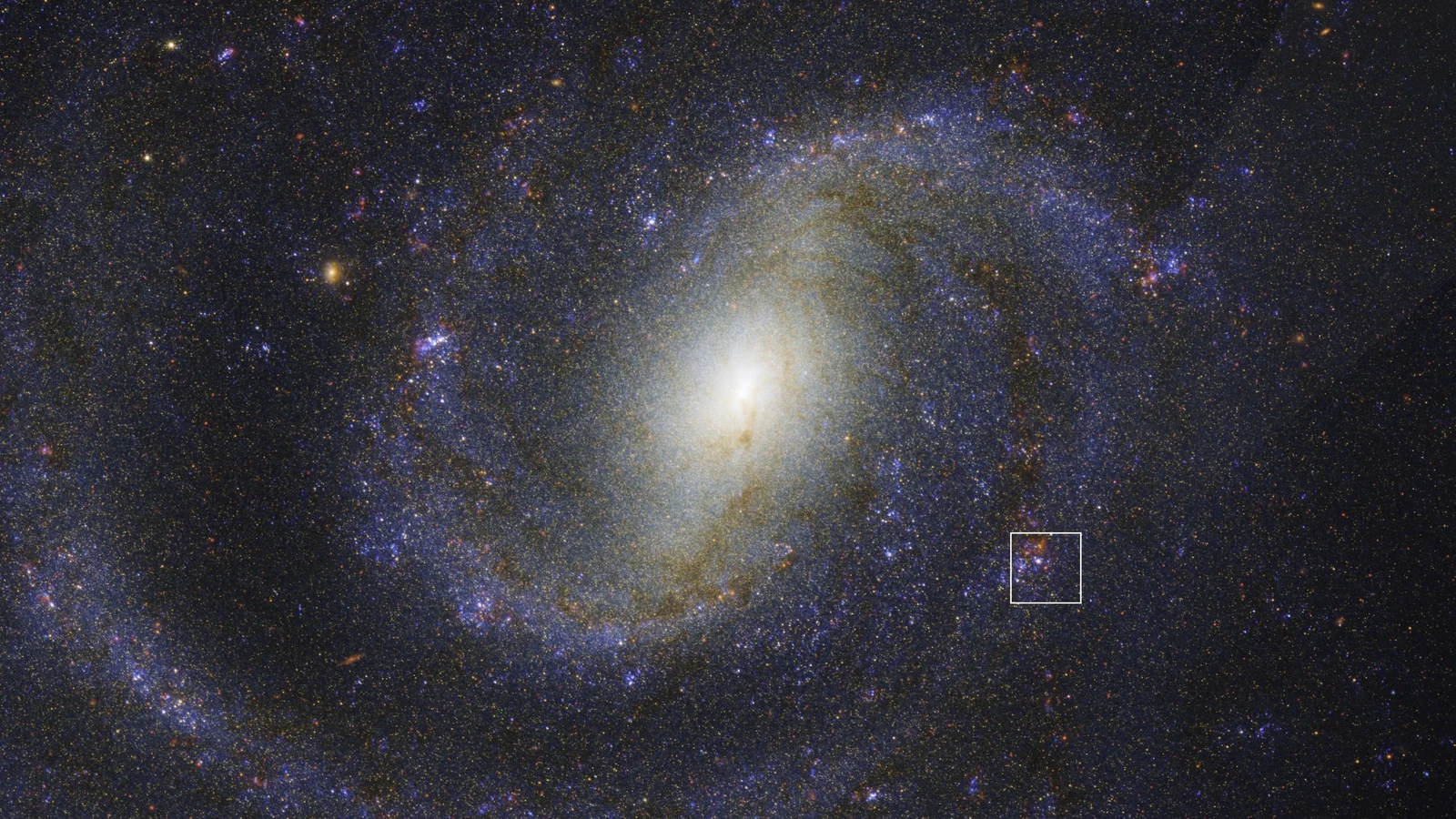
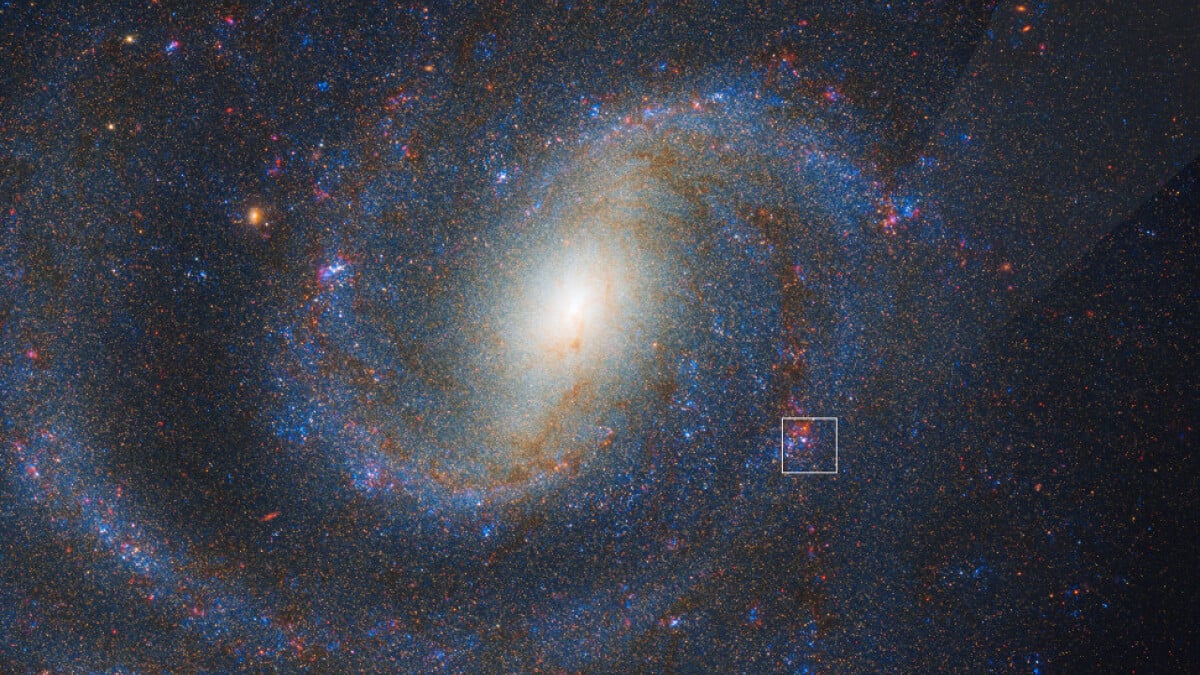
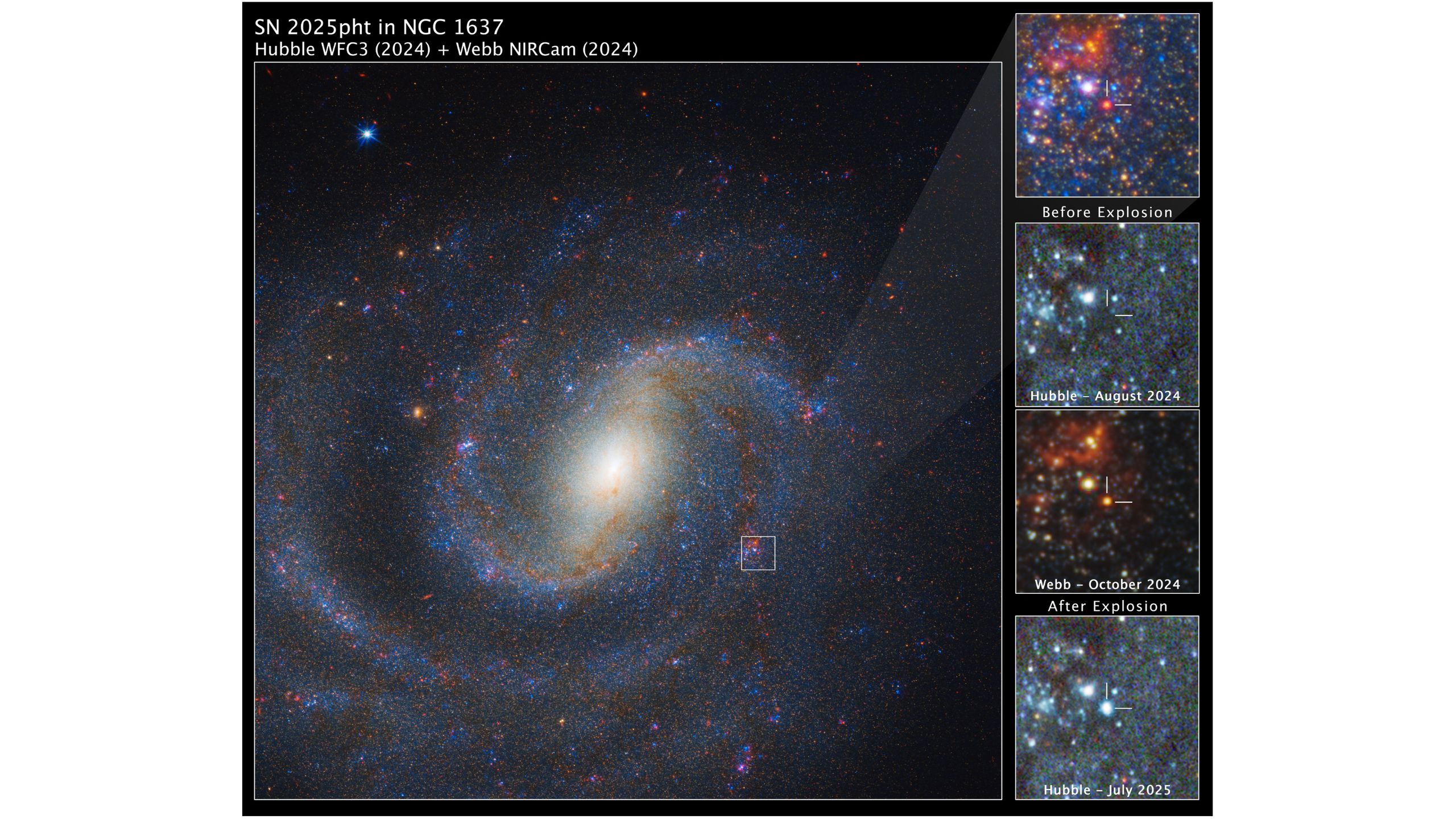
NASA’s James Webb Space Telescope, combined with archival Hubble data, identified the red supergiant star that exploded as supernova SN 2025pht in the galaxy NGC 1637—Webb’s first published detection of a supernova progenitor. The progenitor appeared unusually red due to surrounding dust, supporting ideas that dusty, massive stars can be missed in pre-explosion imaging. The dust is likely carbon-rich, prompting future searches for similar progenitors, including with the upcoming Roman Space Telescope.

Giant Red Star Defies Death, Hints at Hidden Companion
space26 days ago

Giant Red Star Defies Death, Hints at Hidden Companion

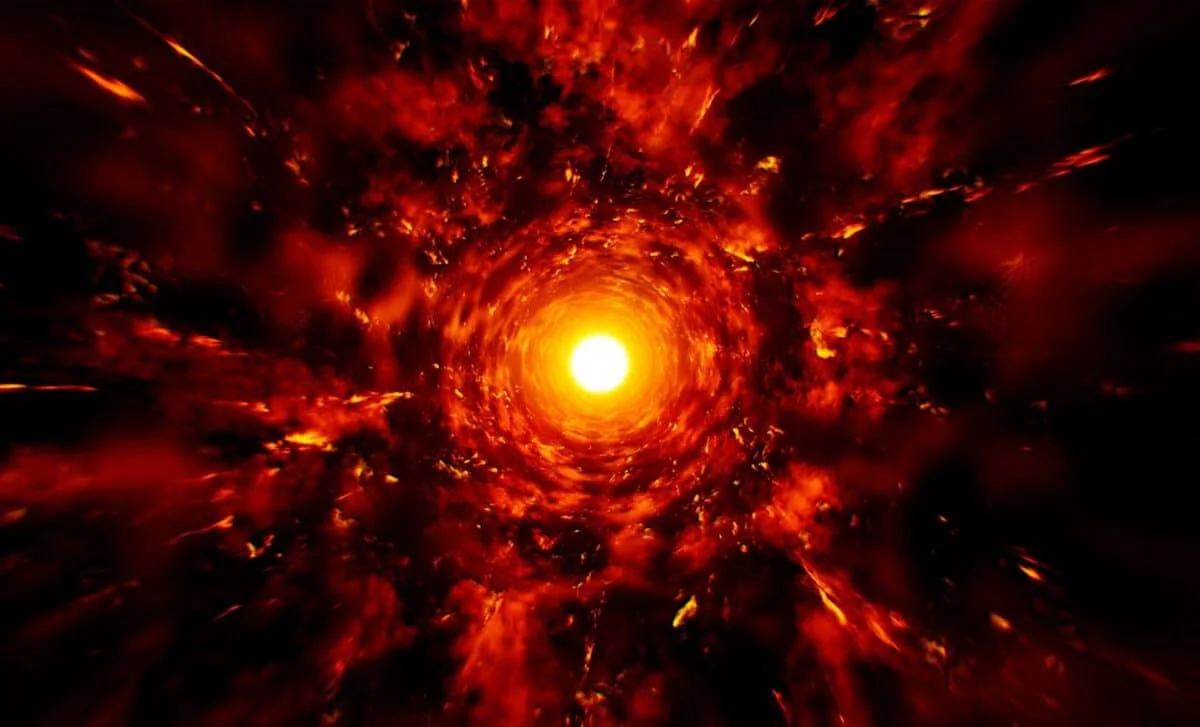
New SALT spectroscopy of the star WOH G64 in the Large Magellanic Cloud shows it is still a red supergiant, not dying to become a yellow hypergiant as previously thought. Titanium oxide in its atmosphere contradicts earlier interpretations based on dimming and dust, and a possible close companion could be distorting the star’s atmosphere and cocoon, reshaping ideas about its evolution.

Astronomers spot a red supergiant's rapid changes hinting at a secret stellar companion
science28 days ago

Astronomers spot a red supergiant's rapid changes hinting at a secret stellar companion

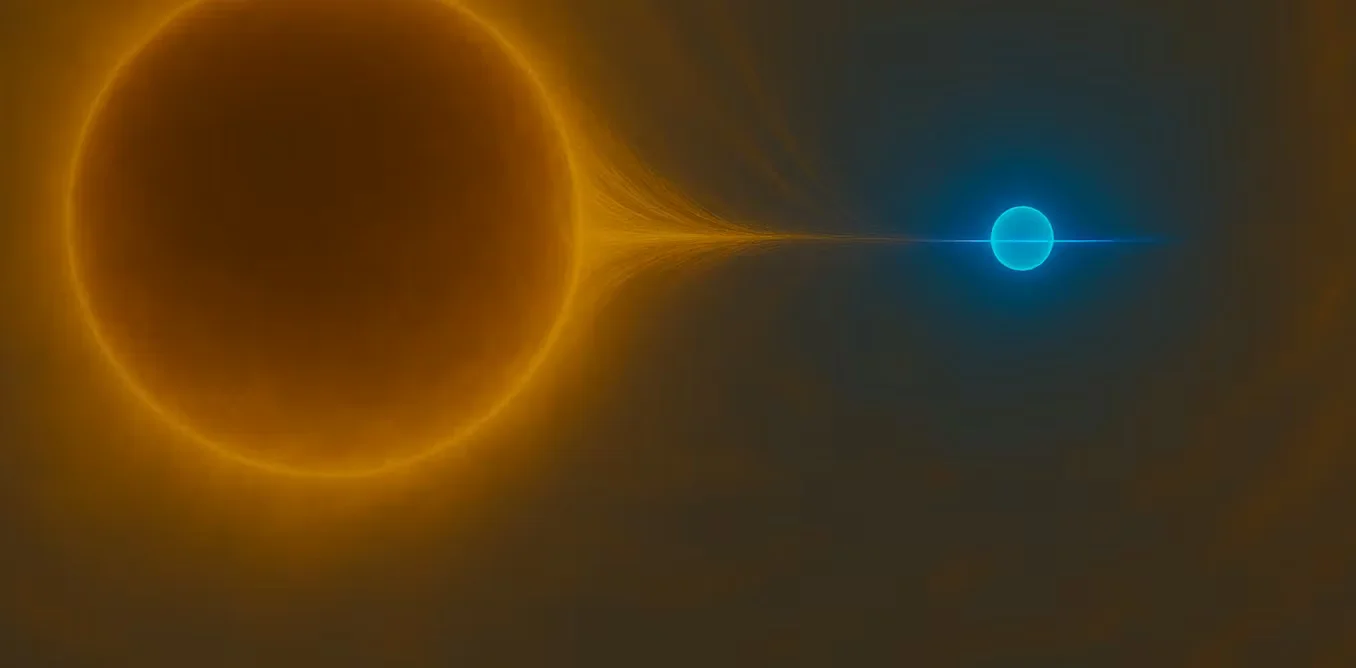
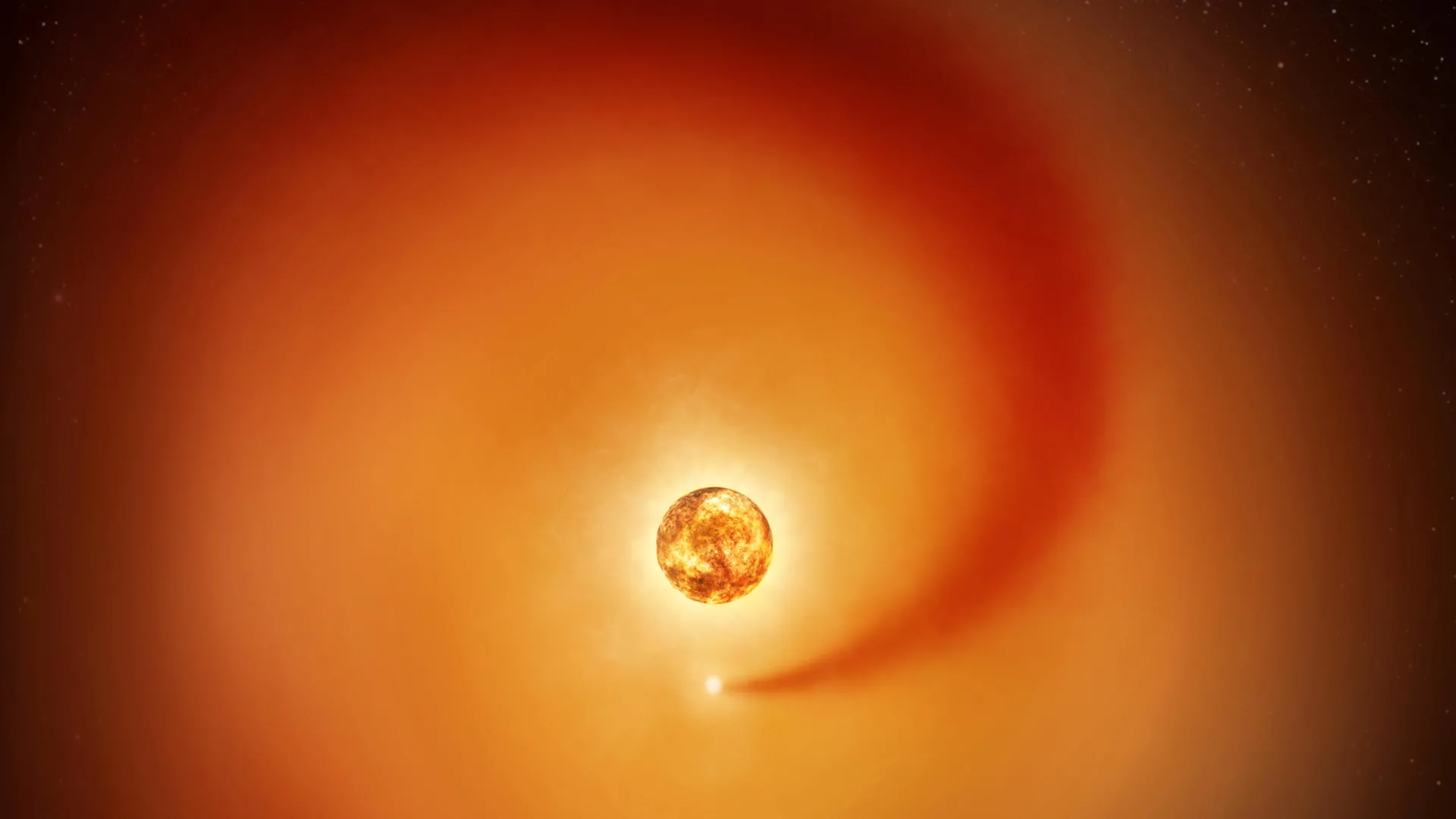
Astronomers monitoring WOH G64, a red supergiant in the Large Magellanic Cloud, report real-time changes: the star has dimmed and appears warmer, while its surroundings show more dust and ionized gas. New SALT observations hint at a hotter, smaller companion heating gas near the star and influencing its wind, suggesting binary interaction. If this relationship persists, the star’s visible characteristics could continue to shift, offering a rare live view of the final stages in a massive star’s life.

Phoenix Rising: Behemoth Star WOH G64 Remains a Red Supergiant
space28 days ago

Phoenix Rising: Behemoth Star WOH G64 Remains a Red Supergiant

New spectroscopic analysis of the behemoth star WOH G64 in the Large Magellanic Cloud finds it remains a red supergiant and not a yellow hypergiant or imminent supernova as previously thought. Titanium oxide detected in its atmosphere and a possible binary companion suggest gas is being redistributed rather than the star dying soon, painting a picture of a phoenix-like resurgence rather than an explosive end.

Hidden Twin Reshapes the Fate of a LMC Red Supergiant
astronomy1 month ago

Hidden Twin Reshapes the Fate of a LMC Red Supergiant

Astronomers reinterpreted the puzzling behavior of the red supergiant WOH G64 in the Large Magellanic Cloud, finding it is not rapidly dying but part of a binary system with a hotter, smaller companion that interacts with the red star’s extended atmosphere. New optical spectra from SALT show strong titanium oxide bands indicating a cool atmosphere, contradicting claims it was turning into a yellow hypergiant. The strange emissions and the recent dust cloud are explained by material being pulled from the red giant and forming structures around the companion, not by an imminent collapse. The result is a dramatic reminder that binary interactions can mimic signs of stellar death while the star’s evolution continues, with a future supernova still possible but not imminent.

JWST finds a red supergiant survivor after a stellar merger
space1 month ago

JWST finds a red supergiant survivor after a stellar merger

Using infrared observations from the James Webb Space Telescope (with prior Hubble and Spitzer data), researchers revisited nine luminous red novae and found that, in the cases of AT 2011kp and AT 1997bs, the merger left behind a massive, cool, red supergiant–like star rather than a hotter compact remnant. The event expelled a vast dust shell—carbon-rich graphite dust—amounting to about 300 Earth masses, potentially seeding the cosmos with materials for life. The findings, to be published in Astronomy & Astrophysics, suggest stellar mergers can produce long-lived massive stars and contribute significantly to interstellar dust and chemical evolution.

James Webb Telescope Unveils Secrets of Red Supergiants and Supernovae
science4 months ago

James Webb Telescope Unveils Secrets of Red Supergiants and Supernovae

The JWST has captured a massive red supergiant star just before it exploded in a supernova, providing new insights into how dust obscures these stars and potentially explaining why such supernovae are rarely observed. The star, in galaxy NGC 1637, was unusually red and dimmer due to dust, but JWST's infrared capabilities allowed detailed observation, suggesting previous supernovae might have been more luminous than thought.

Webb Telescope Captures Supernova's Before and After
science4 months ago

Webb Telescope Captures Supernova's Before and After

Astronomers using the James Webb Space Telescope captured the first clear image of a star before and after it exploded as a supernova, revealing that the progenitor was a dust-enshrouded red supergiant, which helps explain why such stars are rarely observed before explosion. The discovery provides new insights into the final stages of massive stars and the role of dust in hiding their true nature.

Webb Telescope Reveals Final Moments of Dust-Obscured Red Supergiant
science4 months ago

Webb Telescope Reveals Final Moments of Dust-Obscured Red Supergiant

The James Webb Space Telescope has captured the first detailed image of a red supergiant star before it exploded as a supernova, revealing that many such stars are hidden behind thick dust layers, which obscures them from optical telescopes. This discovery helps explain the previously observed scarcity of luminous red supergiants in pre-explosion images and provides new insights into the life cycle of massive stars.