Tag

Cosmic History

All articles tagged with #cosmic history

science7 months ago

Understanding the Universe's First Stars

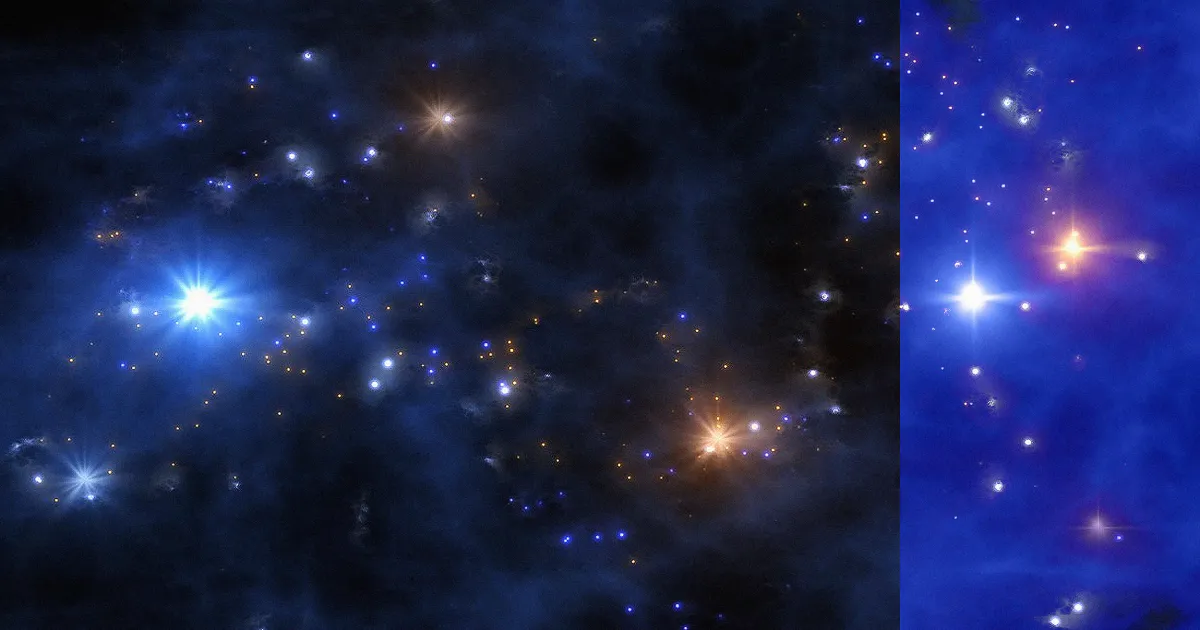
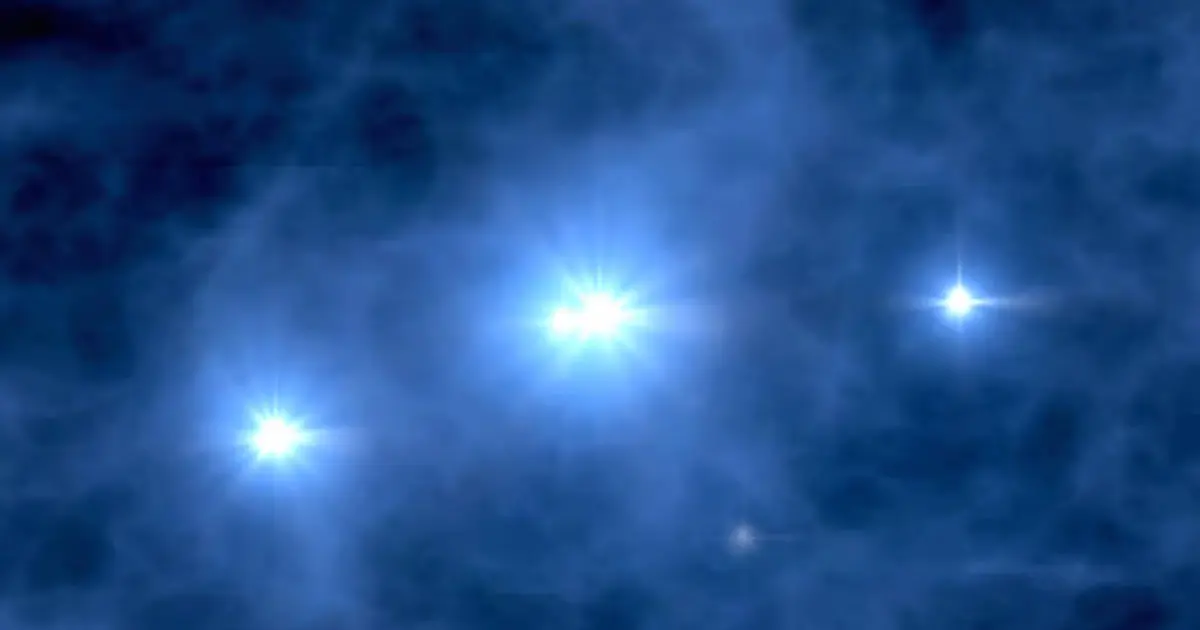
The article explains that the 'first stars' in the universe, known as Population III stars, formed from pristine hydrogen and helium shortly after the Big Bang, around 50-100 million years later, and were much larger and shorter-lived than stars today. Despite advanced telescopes like JWST, these first stars have not yet been observed directly, but their formation is predicted by simulations based on cosmic evolution models.

science7 months ago

New Telescope to Discover the Universe's First Stars

The James Webb Space Telescope has advanced our understanding of distant galaxies but is unlikely to detect the very first stars due to cosmic extinction. Future telescopes focusing on longer wavelengths, such as far-infrared or radio observations from the Moon's far side, hold promise for uncovering the universe's earliest stellar populations, potentially revealing the first stars formed after the Big Bang.

space-and-physics1 year ago

"James Webb Telescope Discovers Most Distant and Earliest Known Galaxy"

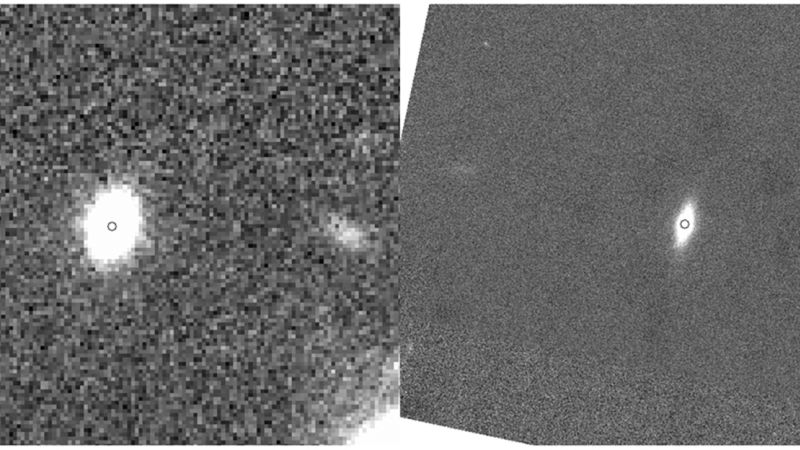
An international team of astronomers using the James Webb Space Telescope (JWST) has discovered two of the earliest and most distant galaxies, dating back to just 300 million years after the Big Bang. These galaxies, located near the Hubble Ultra Deep Field, were observed through JWST's advanced infrared capabilities, revealing significant star formation and chemical elements. The findings, part of the JWST Advanced Deep Extragalactic Survey (JADES), suggest that even more ancient galaxies could soon be discovered. The research papers are currently awaiting peer review.

science-and-technology1 year ago

James Webb Telescope Discovers Most Distant Galaxy Ever

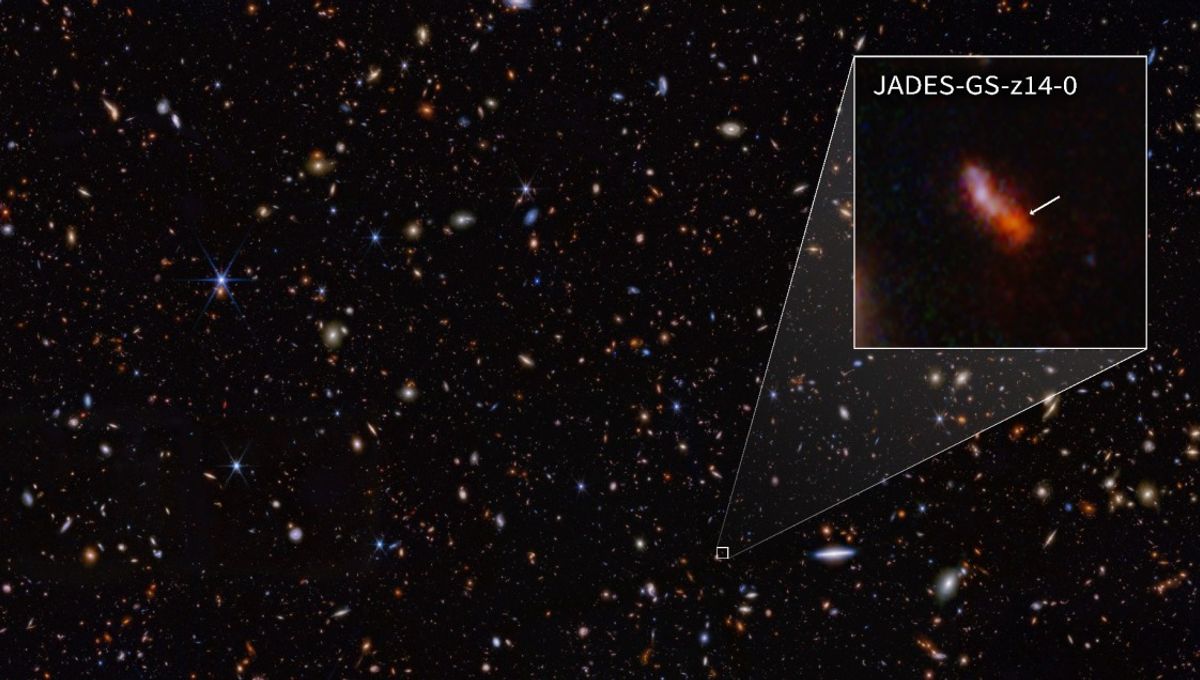
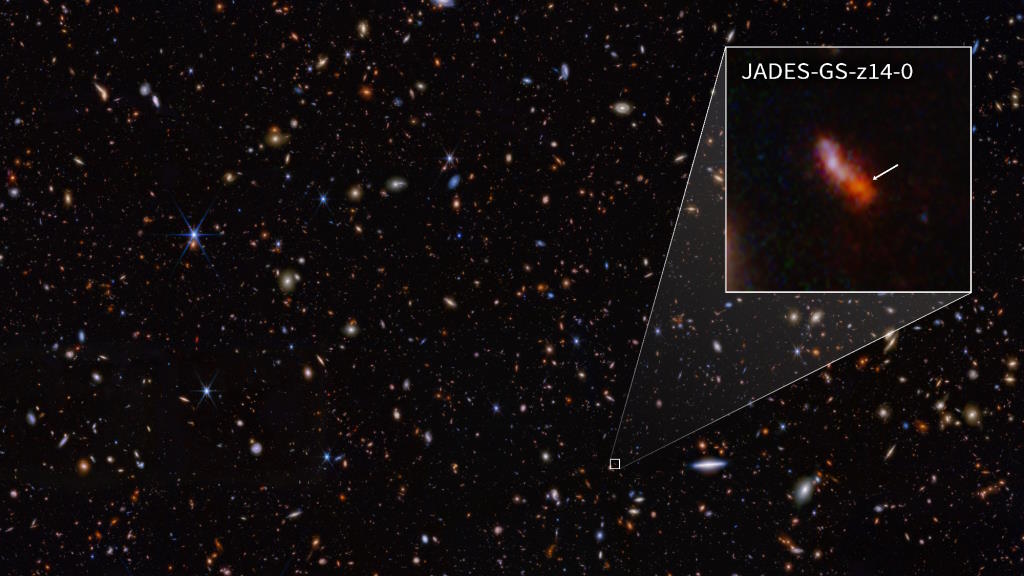
The James Webb Space Telescope (JWST) has discovered the most distant galaxy ever found, JADES-GS-z14-0, which dates back to just 285 million years after the Big Bang. This discovery has provided five key insights: not all early galaxies are compact, some ultra-distant galaxy candidates are incorrect, some galaxies are hidden by closer interlopers, the new record-holder is unexpectedly bright, and it is extremely dust-poor. These findings continue to enhance our understanding of the early Universe.

science1 year ago

Euclid Telescope Unveils New Cosmic and Dark Universe Images

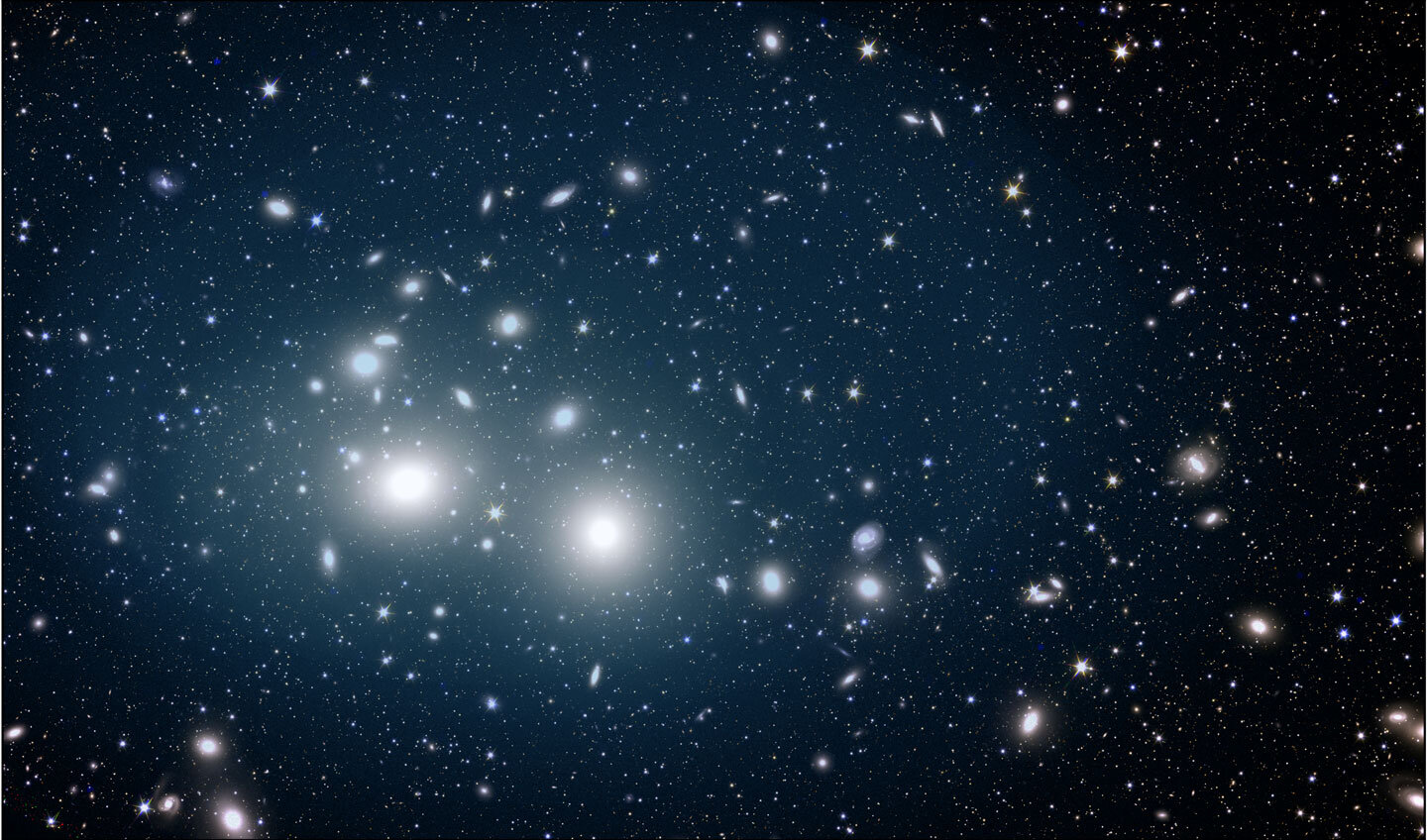
The first data from the Euclid telescope, part of the Dark Energy Satellite Mission, has been released, revealing new insights into the universe's distant past. The data includes images of the Perseus cluster, free-floating planets, new dwarf galaxies, and very distant bright galaxies. The findings highlight Euclid's potential to revolutionize our understanding of dark energy and galaxy formation.

astronomy1 year ago

"Unveiling Shiva and Shakti: Ancient Star Streams that Shaped the Milky Way"

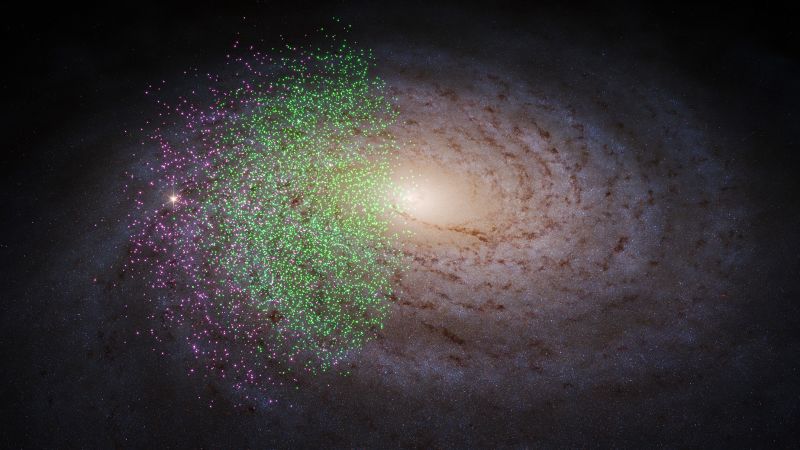
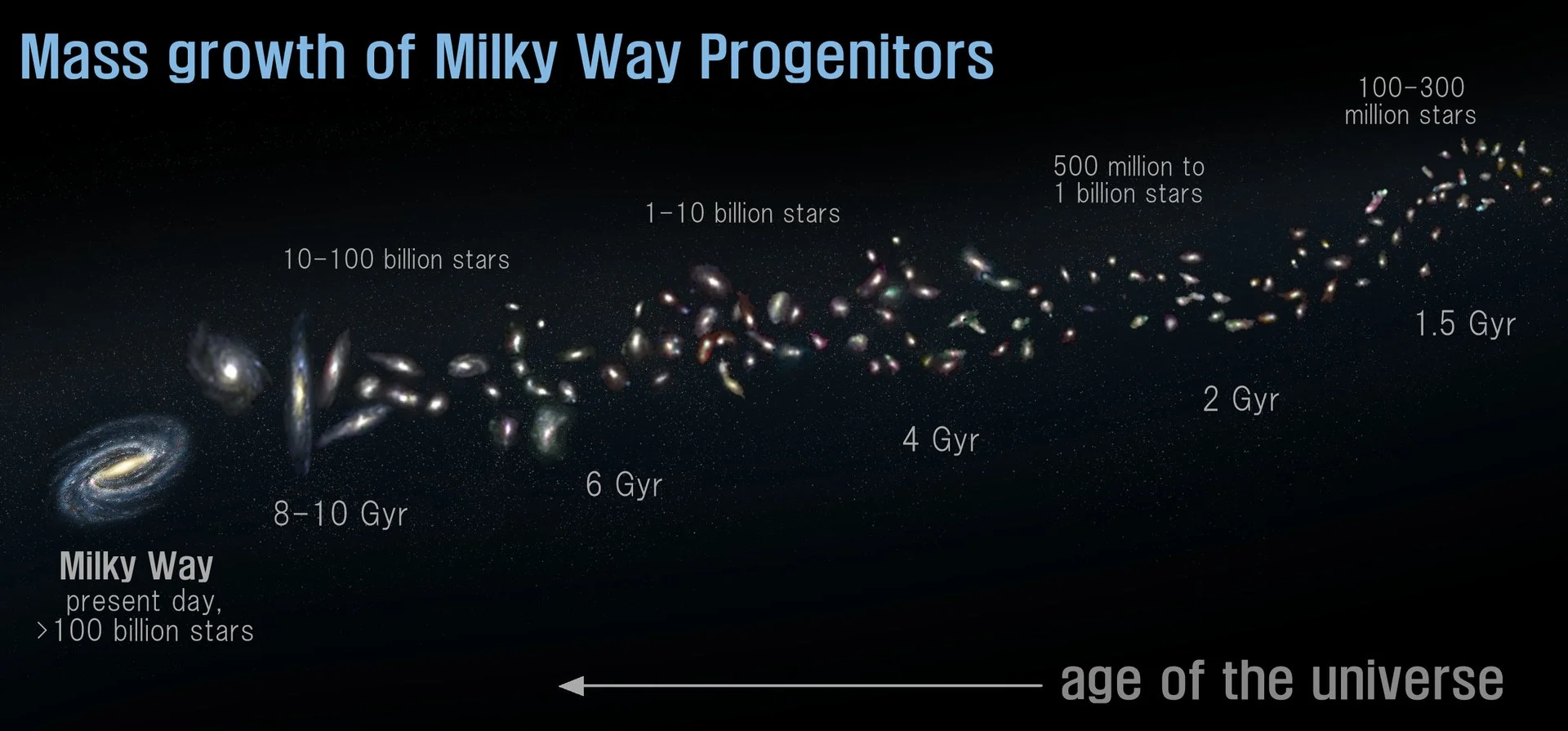
Astronomers using the Gaia space telescope have discovered two ancient streams of stars, named Shakti and Shiva, which are remnants of galaxies that merged with an early version of the Milky Way over 12 billion years ago. These streams provide insights into the galaxy's earliest days and its evolution, shedding light on how the Milky Way grew in size by merging with other galaxies. The unprecedented data from Gaia has enabled the detection of these ancient structures, contributing to a fuller understanding of the Milky Way's cosmic history.

space-science1 year ago

"Universe-Breaking Events: Changing Perspectives on Its Origins"

The James Webb Space Telescope has revealed images of black holes and ultramassive galaxies, with Dr. Caitlin Casey set to lead a lecture at the University of Texas on the telescope's discoveries, including mature galaxies and large black holes within the first billion years of cosmic history. The lecture will showcase recent findings and new Deep Field images from JWST, containing a million galaxies, offering a glimpse into the universe's early days.

physics1 year ago

"Exploring Ultralow Frequency Gravitational Waves"

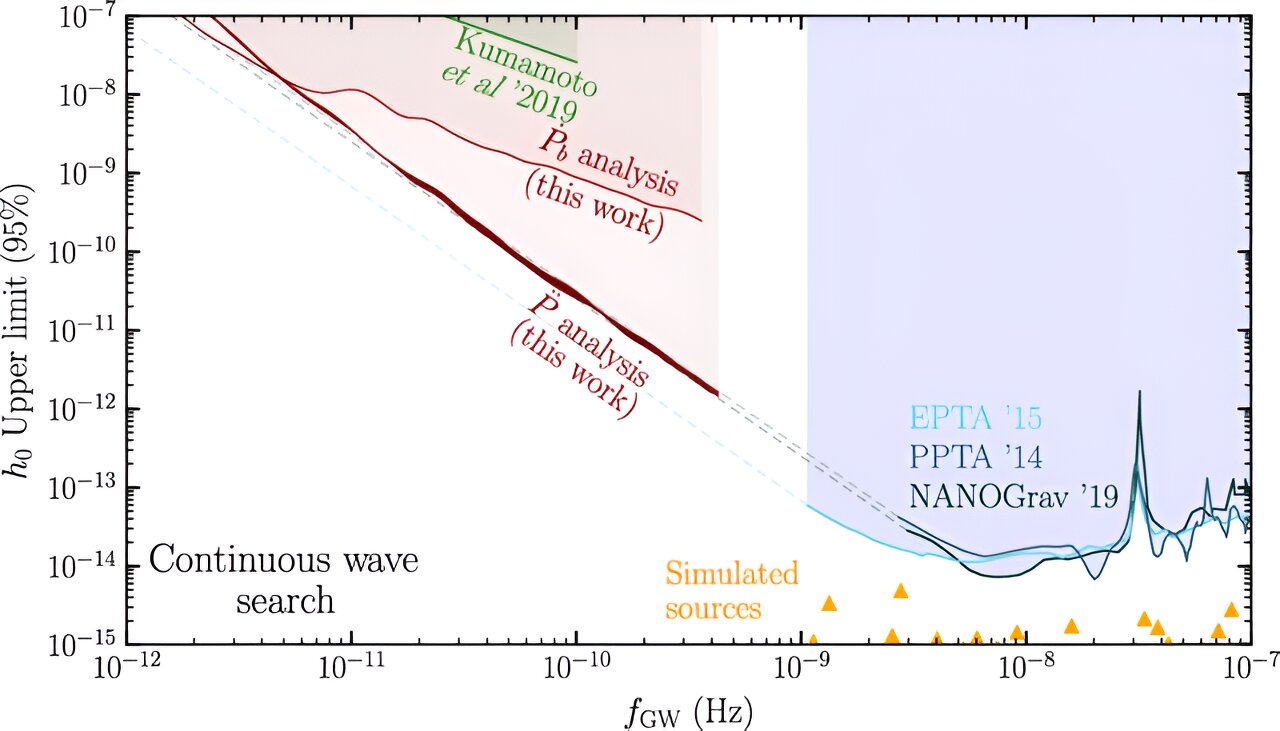
Physicists have developed a method to detect ultralow frequency gravitational waves, potentially unlocking the secrets of early supermassive black hole mergers. These waves, with frequencies as low as 10 picohertz, are 100 times slower than any previously measured gravitational waves. By analyzing pulsar data, researchers hope to differentiate between the origins of these waves, whether from supermassive black hole mergers or cataclysmic events in the early universe, shedding light on cosmic history.