Tag

Dust

All articles tagged with #dust

science3 months ago

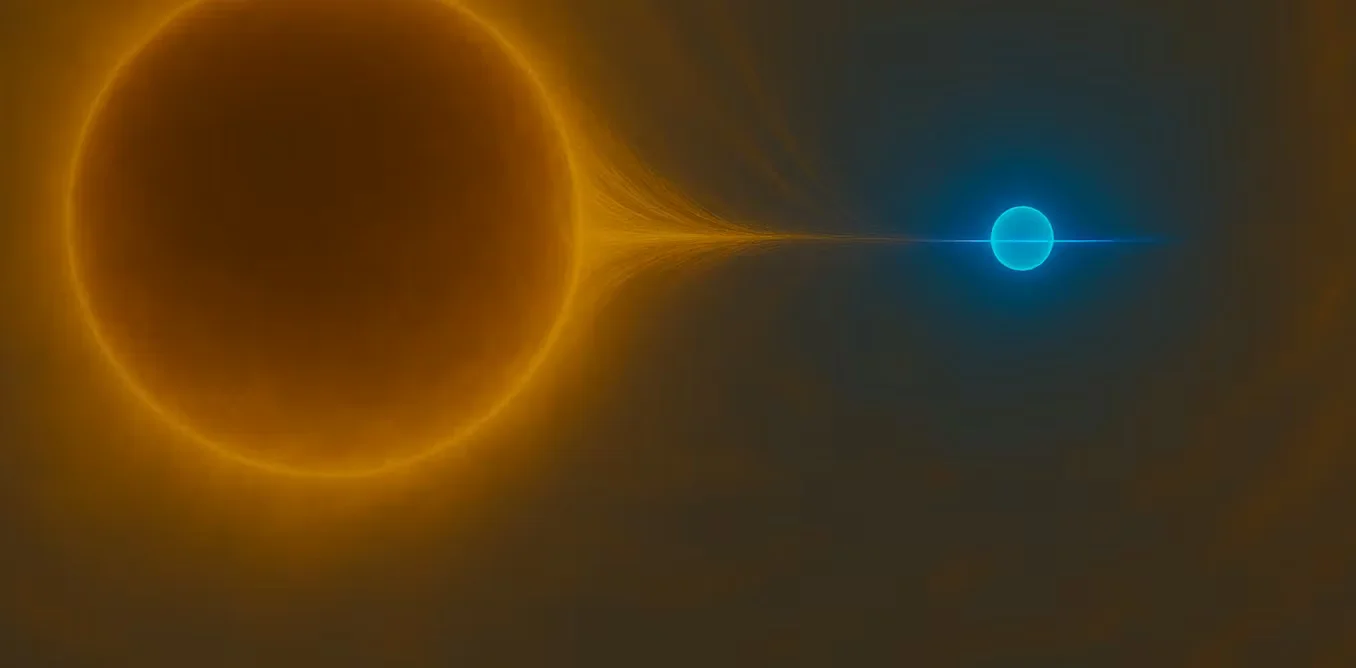
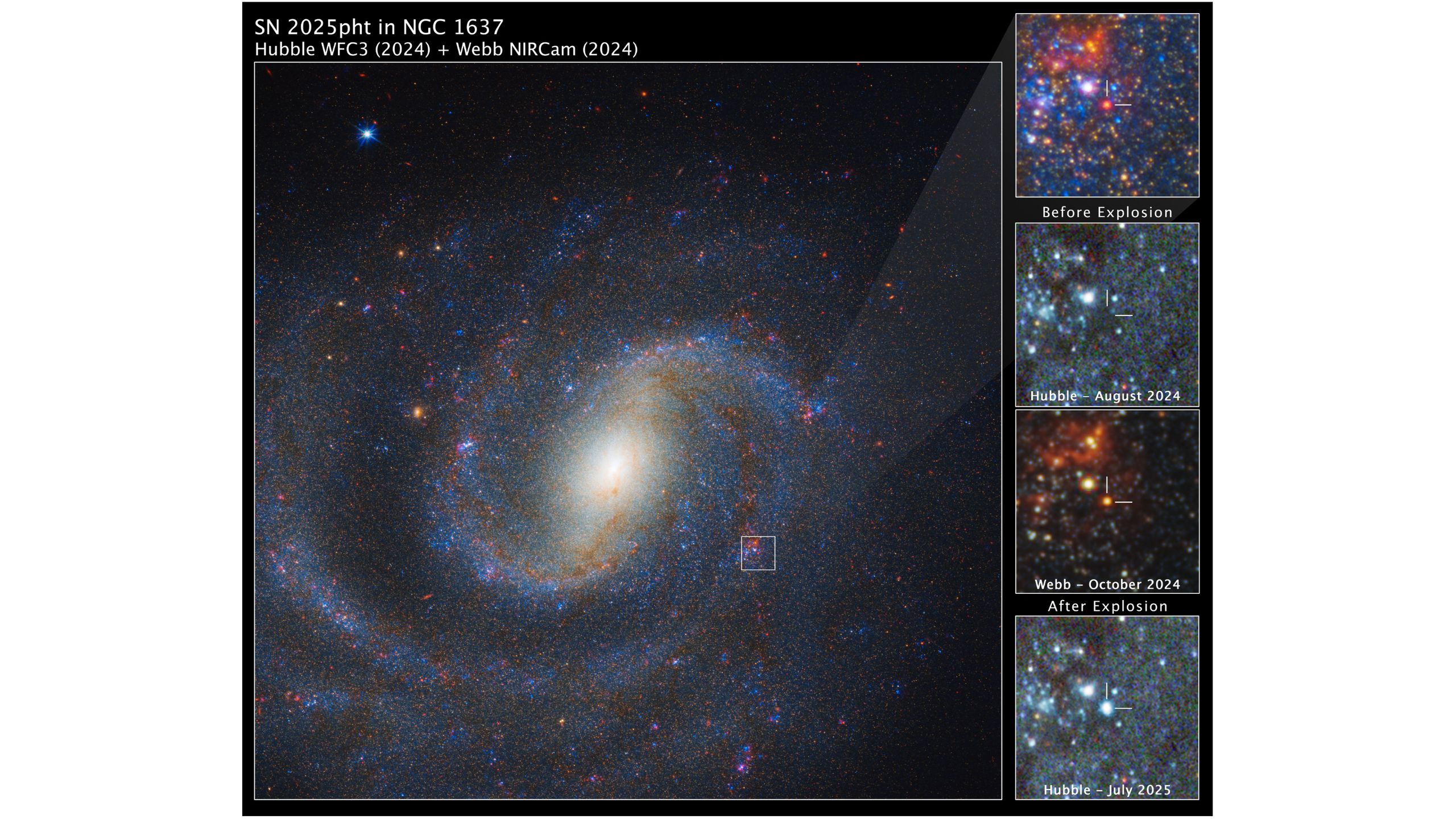
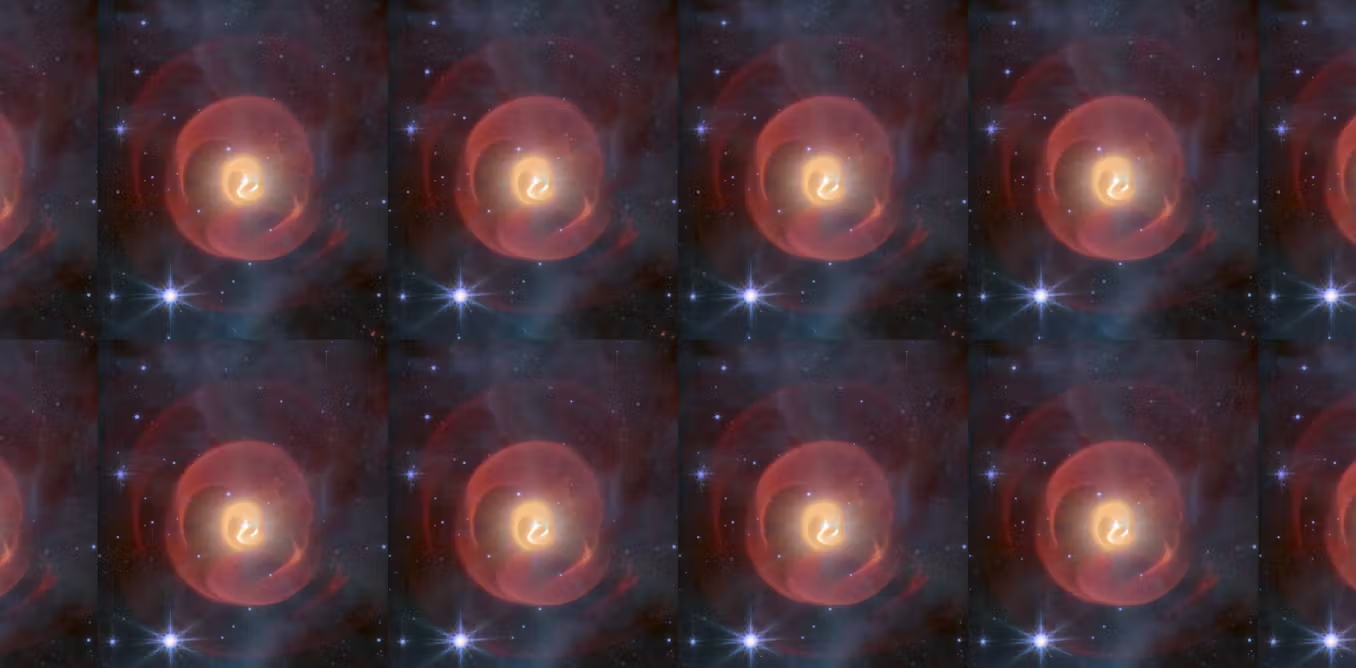
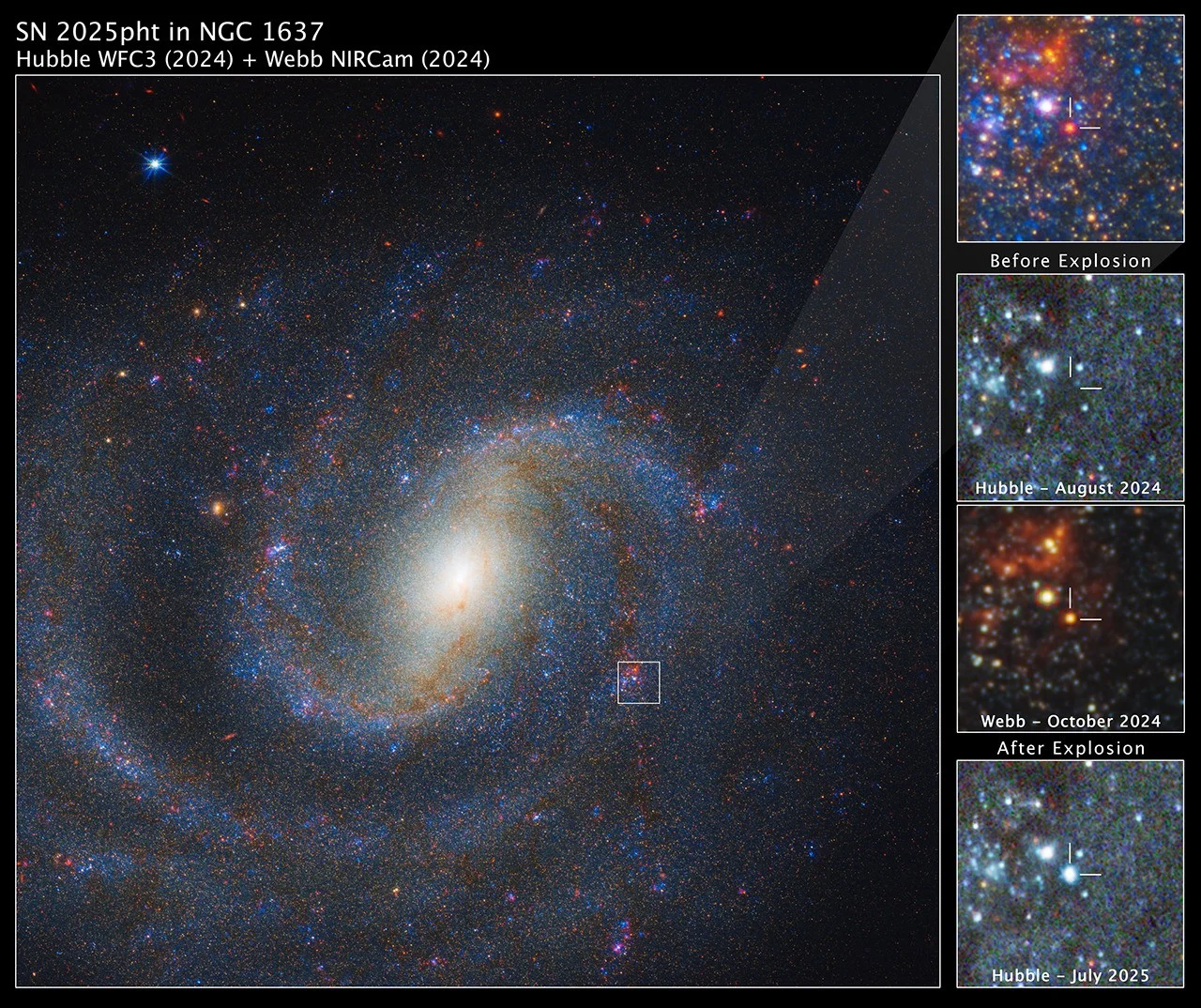
Webb Telescope Reveals Final Moments of Dust-Obscured Red Supergiant

The James Webb Space Telescope has captured the first detailed image of a red supergiant star before it exploded as a supernova, revealing that many such stars are hidden behind thick dust layers, which obscures them from optical telescopes. This discovery helps explain the previously observed scarcity of luminous red supergiants in pre-explosion images and provides new insights into the life cycle of massive stars.

weather4 months ago

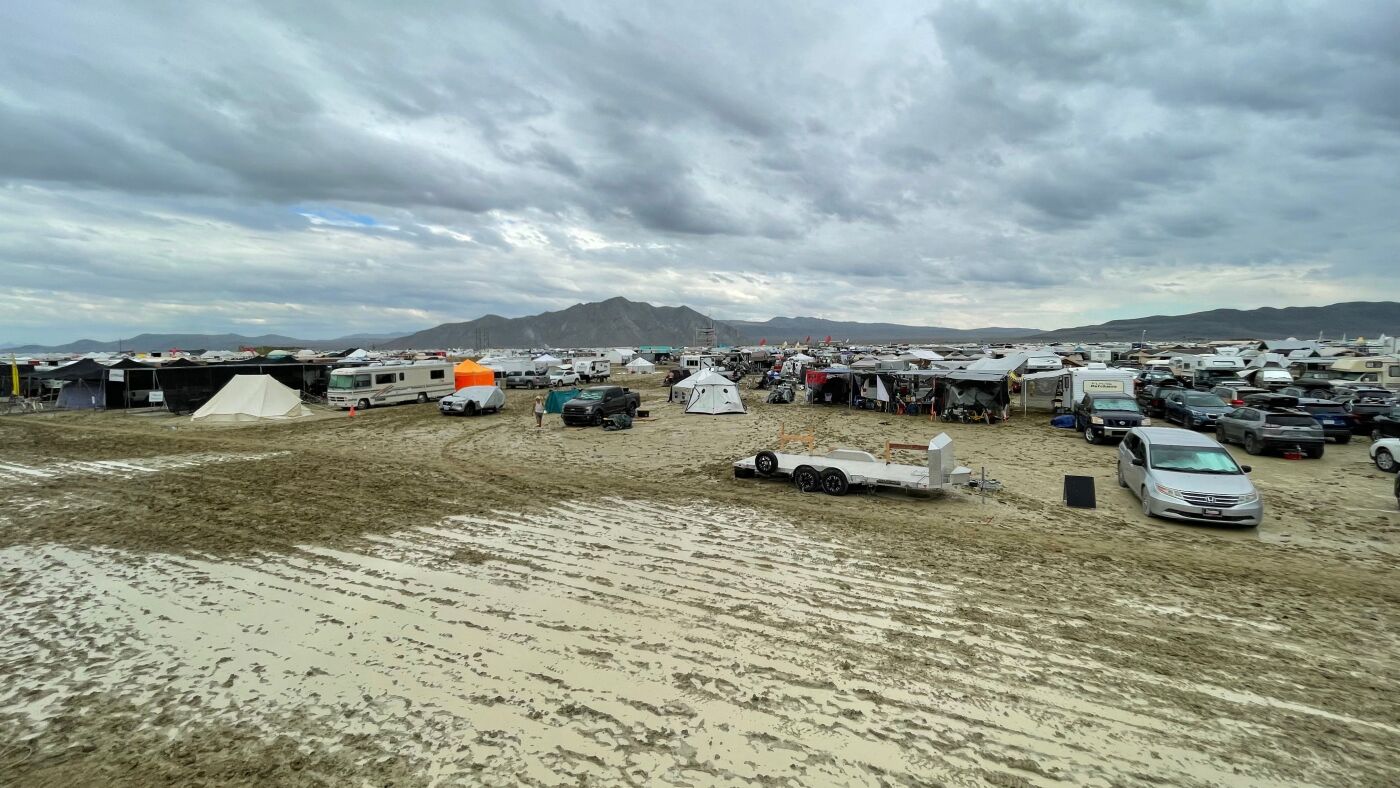
Burning Man 2025 Faces Dust Storms, Thunder, and Long Waits

Attendees at this year's Burning Man in Nevada's Black Rock Desert are facing challenging weather conditions, including dust storms, wind, and potential thunderstorms with hail, although some rain has helped reduce dust. The weather is expected to improve by Thursday, providing relief before the event concludes next Monday. Participants are advised to monitor forecasts and prepare for hazardous conditions.

science7 months ago

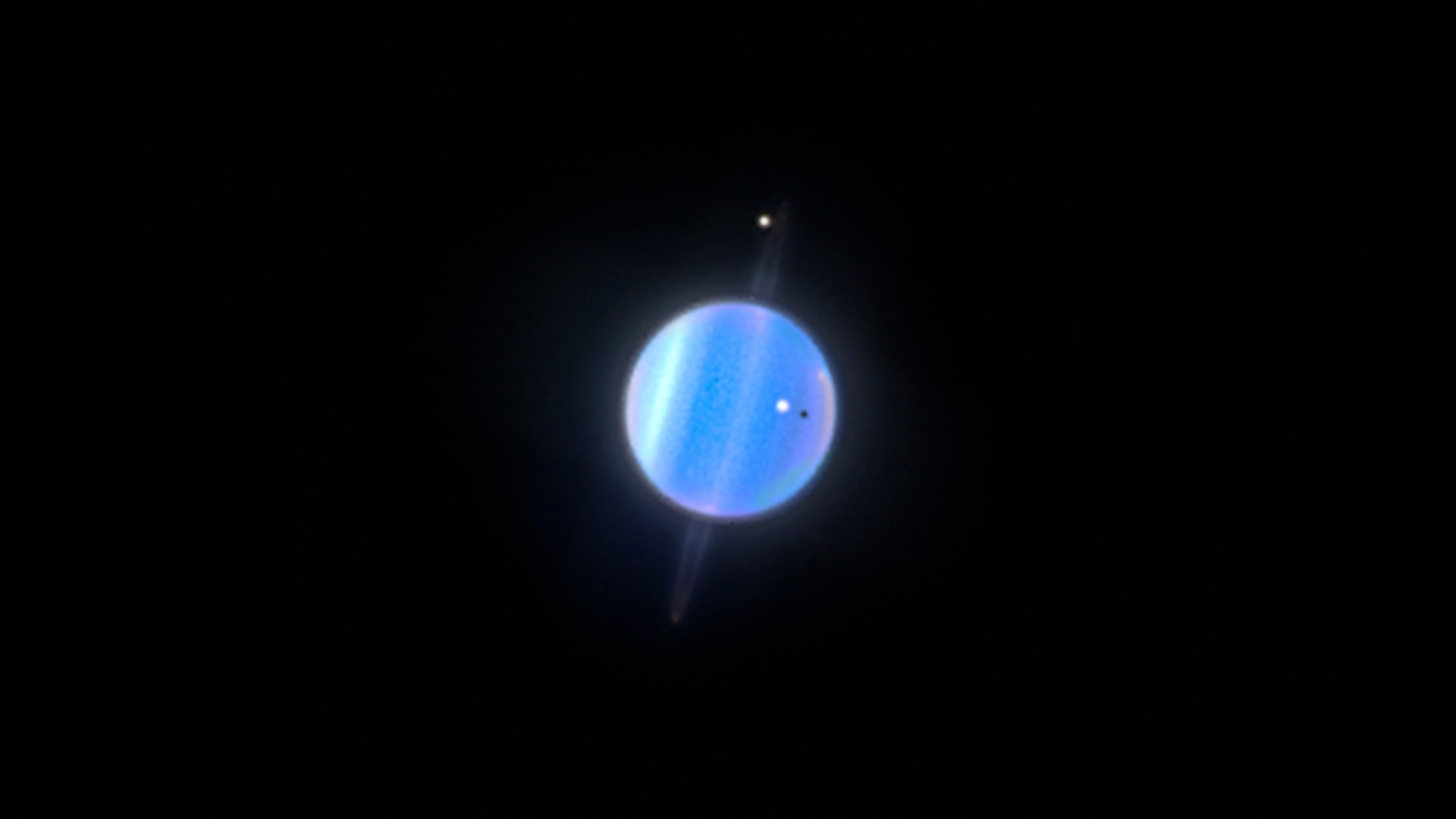
Hubble Uncovers Mysteries of Uranus's Moons and Rings

New observations from the Hubble Space Telescope reveal that Uranus's largest moons are not showing the expected radiation damage from the planet's warped magnetic field; instead, dust accumulation from micrometeorites is darkening their leading sides, suggesting a more complex interaction between Uranus's magnetic environment and its moons. The inner moons appear unaffected, and further studies with the James Webb Space Telescope are planned to better understand these phenomena.

space1 year ago

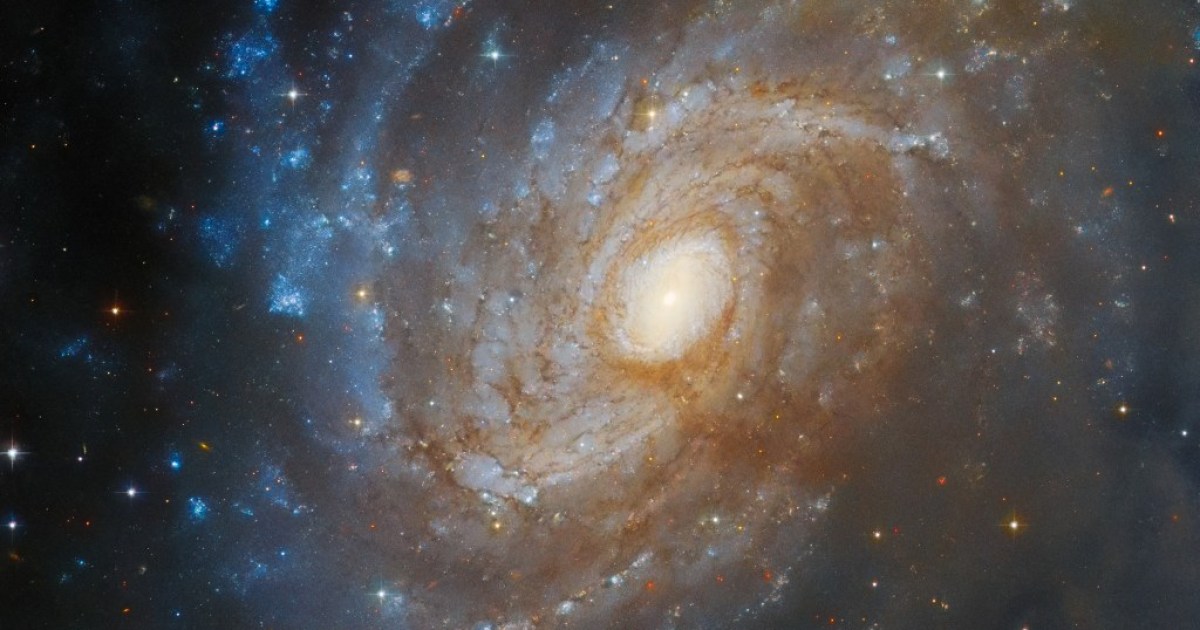
"Hidden Galaxy Revealed: Hubble's Stunning Discovery"

The Hubble Space Telescope has captured an image of the galaxy IC 4633 partially obscured by a dark nebula, revealing a bustling, star-forming galaxy with an active galactic nucleus. The dark dust blocking the view is part of a star-forming region called Chamaeleon, located closer to Earth than the galaxy. Astronomers are using data from both Hubble and ground-based instruments to study the galaxy and the role of cosmic dust in processes like star formation.

health-and-lifestyle2 years ago

"Unveiling the Hidden Filth: The Shoeless Door Dilemma"

Requiring guests to take off their shoes at the door can help limit the spread of germs and potentially toxic dust in the home. Studies have shown that shoes can carry bacteria, including fecal material, as well as heavy metals and pesticide residues from outdoor environments. To minimize these risks, experts recommend keeping the home as dust-free as possible, using wet mops and damp cloths for cleaning, and vacuuming carpeted areas with HEPA filters. Providing washable slippers or nonslip socks for guests can also be a thoughtful gesture.

science-and-astronomy2 years ago

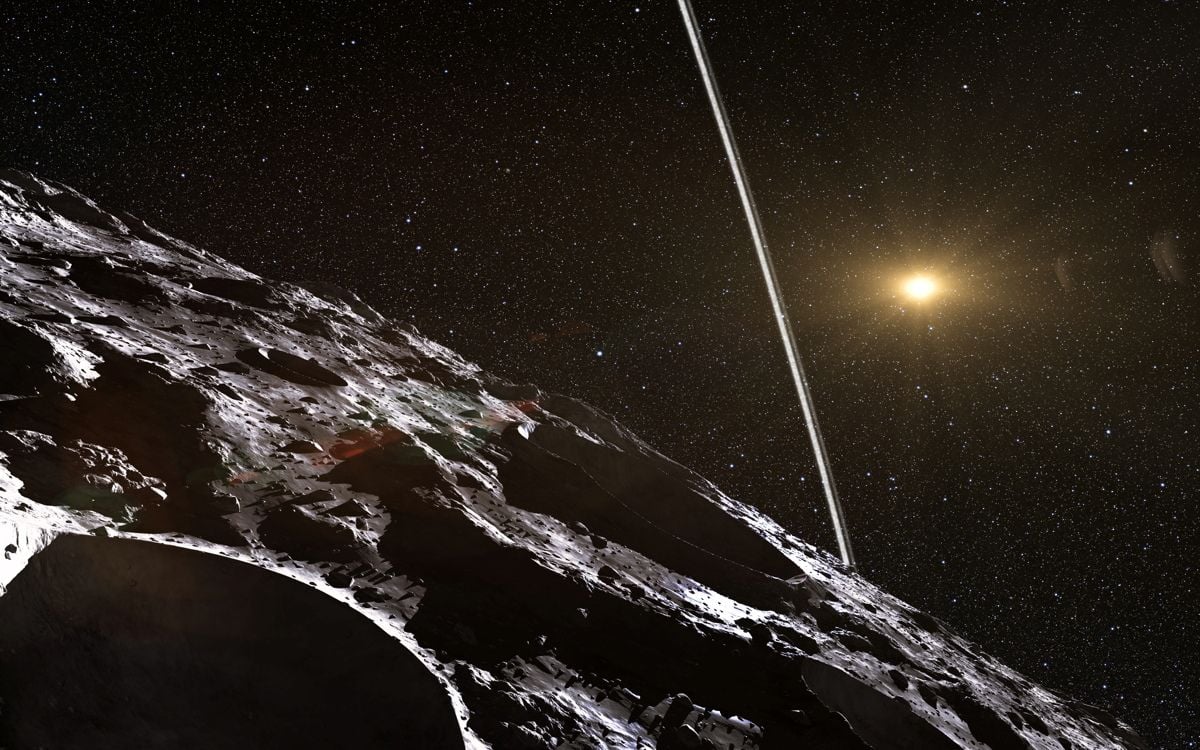
"Shape-shifting Centaur: Icy Object's Rings Undergo Astonishing Transformation"

The Centaur object 2060 Chiron, a captured cometary object that orbits between Jupiter and Neptune, has been found to have a transforming disk of dust around it that changes shape and can mimic rings. Observations during stellar occultations in 2011 and 2018 revealed the presence of dusty material at different distances from Chiron's center, suggesting an evolving system rather than stable rings. Another Centaur, 10199 Chariklo, was previously shown to have rings, but the findings at Chiron raise questions about the nature of the structures around Chariklo as well. The origin and composition of the material around Chiron remain unknown.

science-and-environment2 years ago

Unveiling the Hidden Wonders of Dust

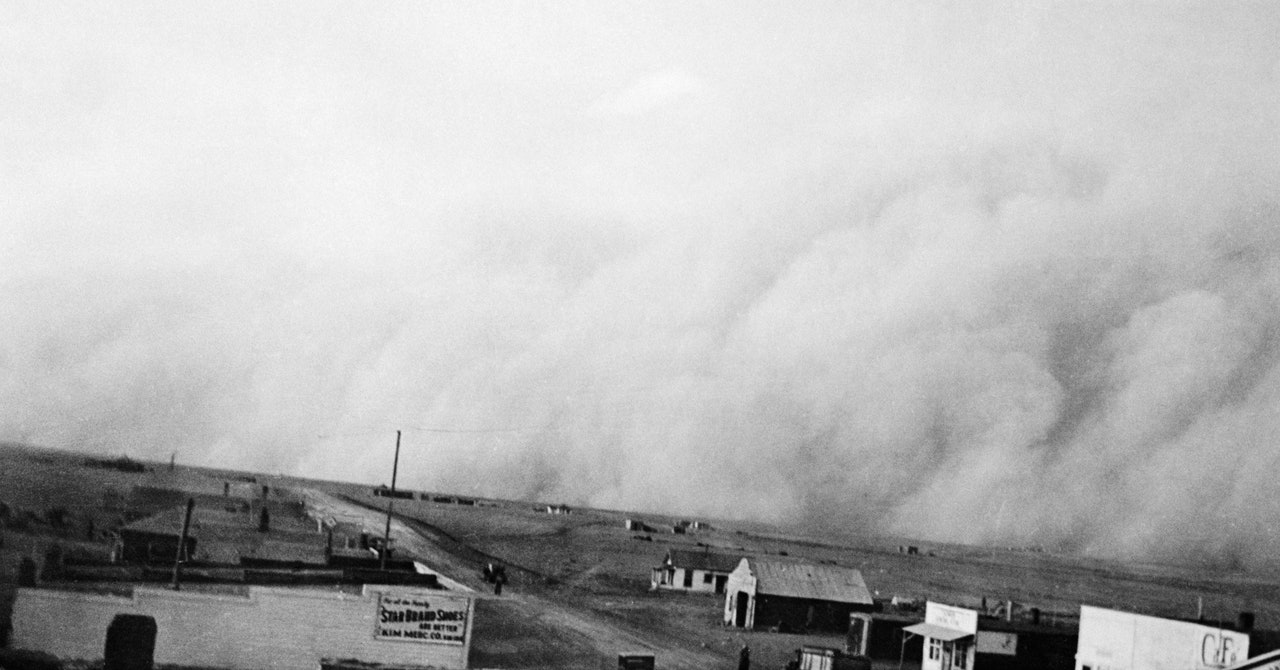
Dust, composed of tiny flying particles, is a complex and ubiquitous substance that has both positive and negative impacts on our world. It nourishes life, contributes to climate change by darkening and heating ice and snow, and can be toxic when contaminated with microplastics or irradiated by nuclear bombs. Dust is intertwined with human activities such as land use changes and industrialization, leading to disastrous consequences like the Dust Bowl and air pollution. The invention of clean rooms, enabled by HEPA filters, has revolutionized modern technology by providing a controlled environment free of particles that could interfere with delicate processes. Dust's role in climate change is multifaceted, as it can both reflect sunlight and trap heat, and its interactions with clouds and ice contribute to feedback loops that amplify warming.

astronomy2 years ago

Hidden Supermassive Black Holes: Unveiling the Secrets of Star-Birthing Galaxies

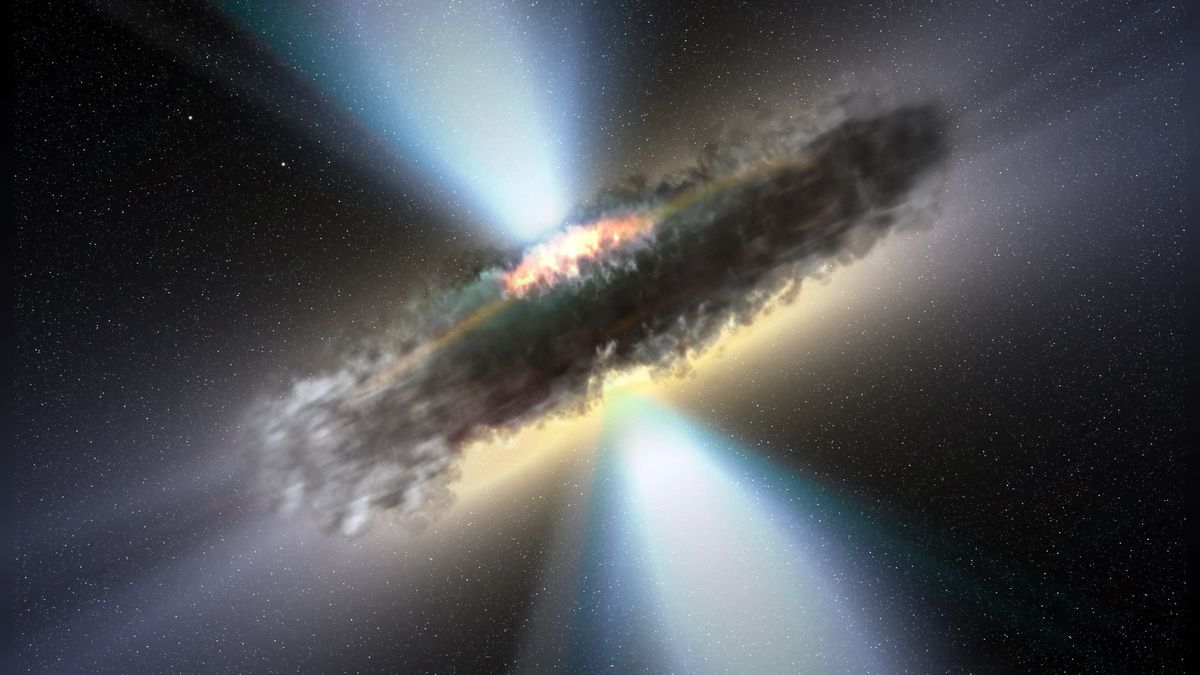
Supermassive black holes, known as quasars, can be hidden at the center of starburst galaxies behind walls of gas and dust, according to a study by researchers at Durham University. These quasars, powered by black holes, emit powerful light that can be obscured by the surrounding material. The study found that the quasars are more likely to be located in galaxies undergoing intense star formation, where the large amounts of gas and dust prevent the light from escaping. The findings suggest that there may be more quasars in the universe than previously believed, as many star-forming galaxies could be hiding active supermassive black holes at their centers.

space2 years ago

The Color Mystery of Martian Sunsets

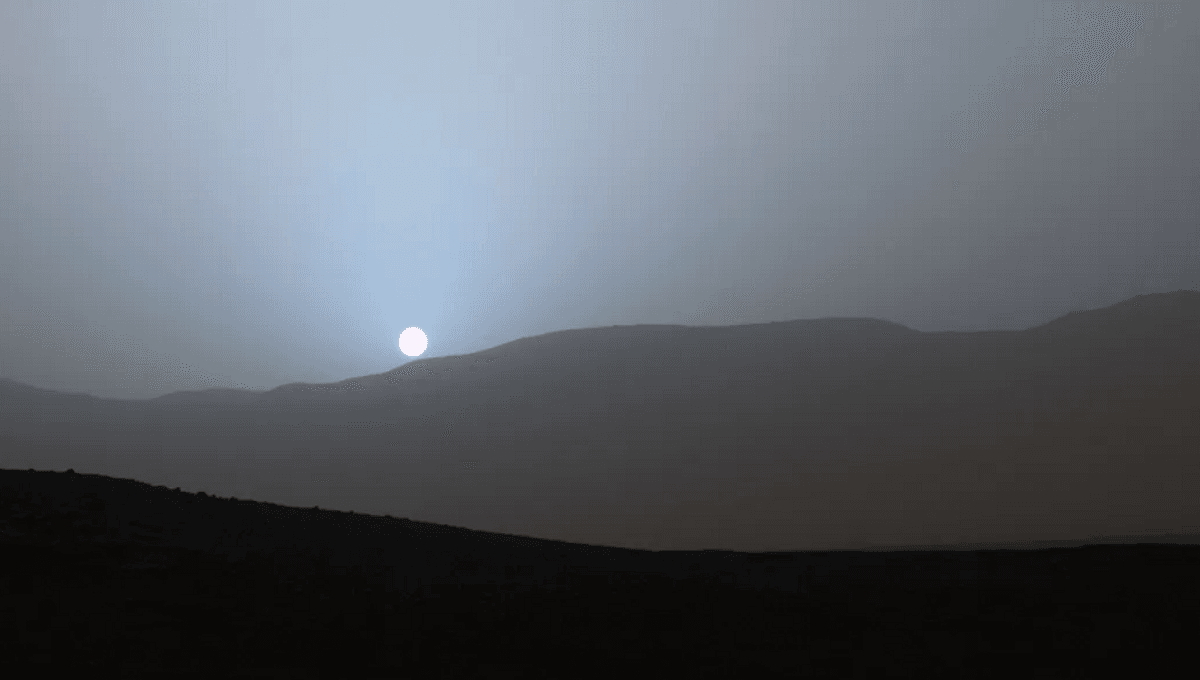
The blue sunsets on Mars are caused by the scattering of sunlight on the dust particles in its tenuous atmosphere, which allows blue light to pass through while scattering red light. This is the opposite of Earth, where blue light bounces off air molecules, giving our sky its characteristic hue. Mars's atmosphere is composed of carbon dioxide and has a lot of dust, which scatters red light and creates a cool blue hue during sunsets. Mars and Earth are unique places where atmospheric color changes at dusk and dawn can be observed.

science2 years ago

Unveiling the Cause of the Dinosaurs' Demise: Dust and Asteroid Impact

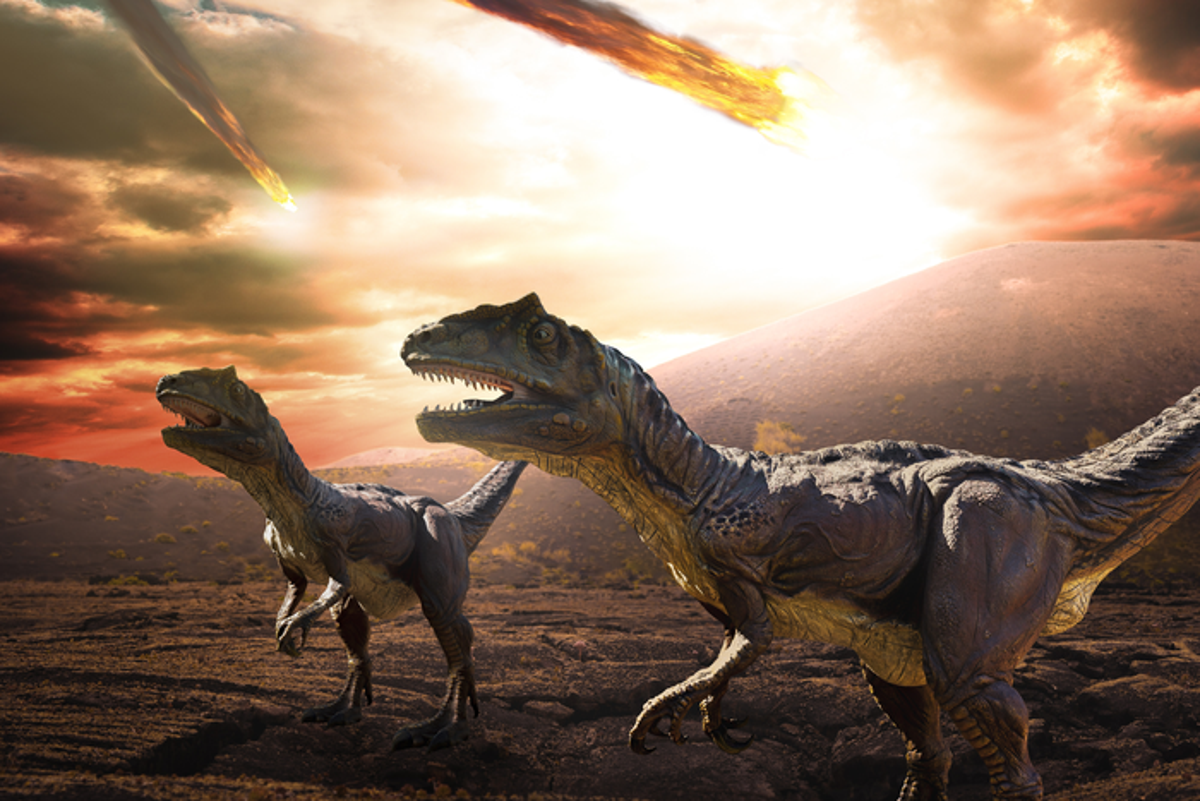
Scientists have discovered that the impact of an asteroid that struck Mexico's Yucatan Peninsula 66 million years ago, leading to the extinction of dinosaurs, may have been exacerbated by trillions of tons of dust propelled into the atmosphere. This dust caused a "global winter" by blocking out the sun's rays, resulting in a drop in global surface temperature and the collapse of the ecosystem. The study suggests that the asteroid's impact slowly killed off the dinosaurs over a few years, rather than immediately. The extinction event played a crucial role in the development of mammals, including humans, as the dominant organisms on Earth.

science2 years ago

Unveiling the Cause of the Dinosaurs' Extinction: Dust and Asteroid Impact

Scientists have discovered that the impact of an asteroid that struck Mexico's Yucatan Peninsula 66 million years ago, leading to the extinction of dinosaurs, may have been exacerbated by trillions of tons of dust propelled into the atmosphere. This dust caused a "global winter" by blocking out the sun's rays, resulting in a drop in global surface temperature and the collapse of the ecosystem. The study suggests that the asteroid's impact slowly killed off the dinosaurs over a few years, rather than immediately. The extinction event played a crucial role in the development of mammals, including humans, as the dominant organisms on Earth.

science2 years ago

Asteroid Dust: The Deadly Winter that Wiped Out Dinosaurs

A new study suggests that fine silicate dust from the Chicxulub asteroid, which remained in the atmosphere for up to 15 years, played a more significant role in causing the impact winter and mass extinction event that killed the dinosaurs than previously thought. The dust particles, found at the Tanis fossil site in North Dakota, were the right size to stick around in the atmosphere and dropped global temperatures by up to 15 degrees Celsius. Climate models indicate that the dust likely caused a "catastrophic collapse" of life by shutting down photosynthesis in plants for at least a year.

science2 years ago

Unveiling the Deadly Impact: How Dust from an Asteroid Led to the Extinction of Dinosaurs

Computer simulations suggest that the dust kicked up by the asteroid impact that wiped out the dinosaurs played a crucial role in their extinction. The impact in Chicxulub, Mexico, 66 million years ago caused widespread devastation, but the exact mechanisms of the extinction event have remained unclear. Researchers in Belgium argue that the role of trillions of tonnes of dust in blocking out the sun and disrupting photosynthesis has been underestimated. Simulations show that the dust could have remained in the atmosphere for up to 15 years, causing a global winter and devastating effects on vegetation and the animals it supported.